
Patinated Metal Vessel
When you search for a patinated metal vessel, you encounter centuries of bronze, copper, and iron forms shaped for ritual, display, and daily utility.
Patinated Metal Vessel
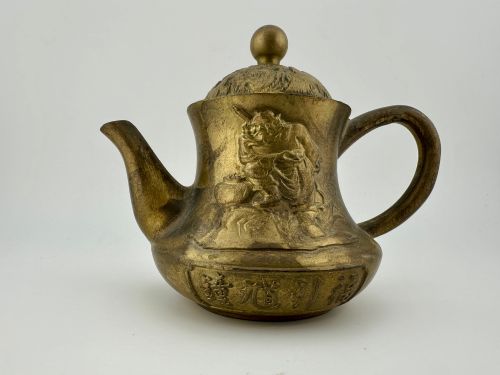
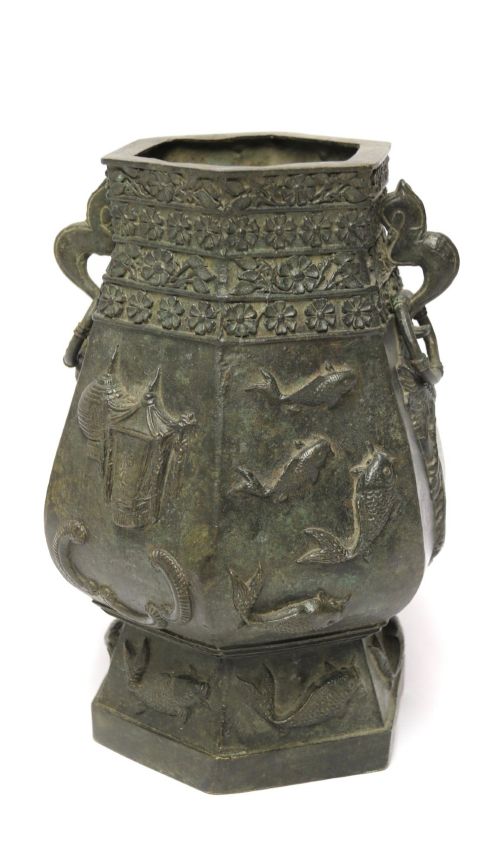
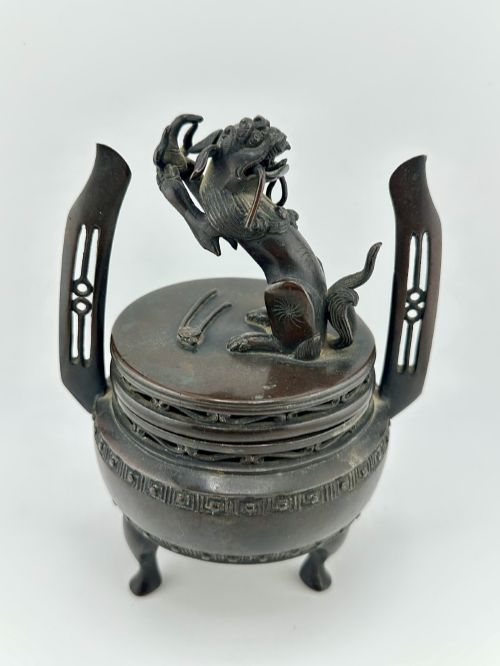
A patinated metal vessel covers a diverse group of hollow metal objects designed for holding items, burning incense, or serving as ornamental centrepieces. The selections here span centuries of production, ranging from utilitarian European kitchen cauldrons and mortars to elaborate East Asian ritual bronzes.
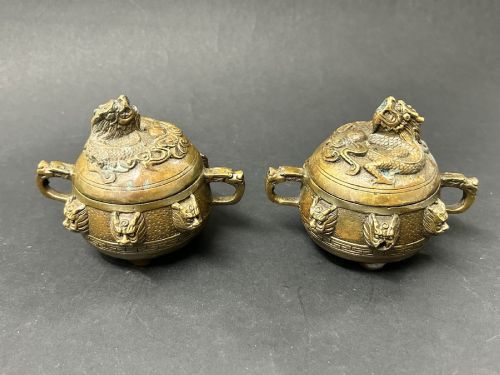
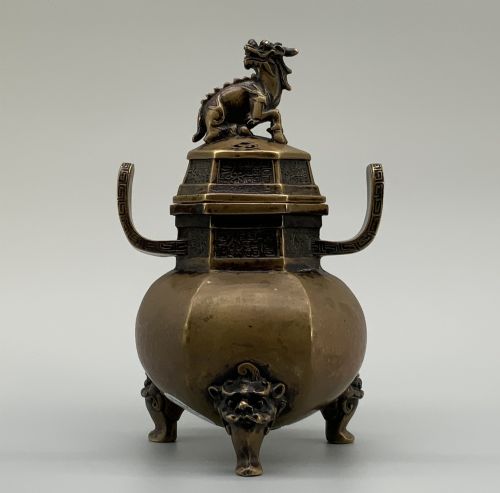
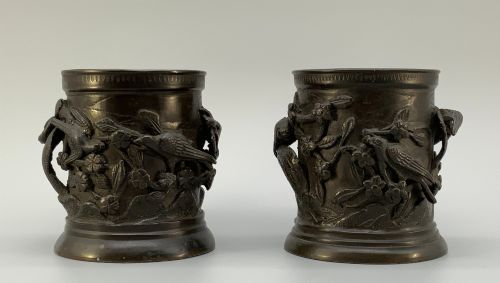
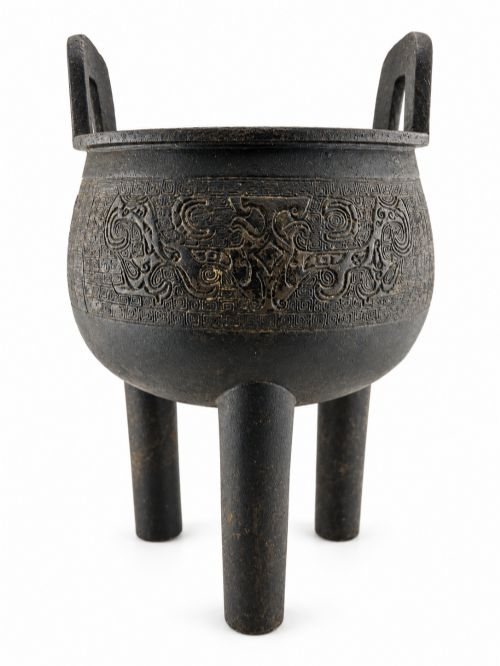
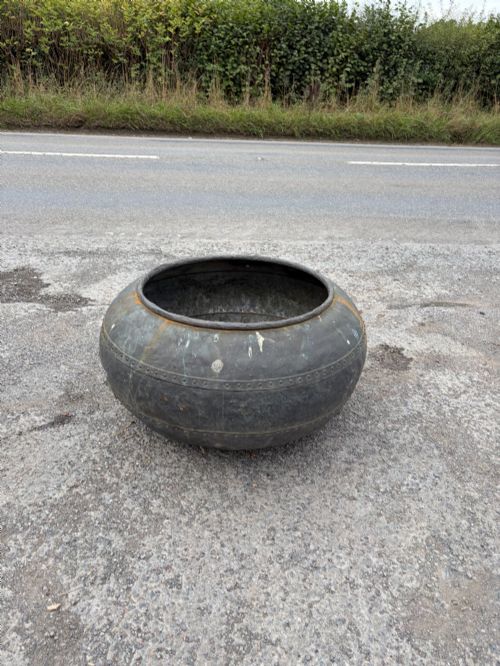
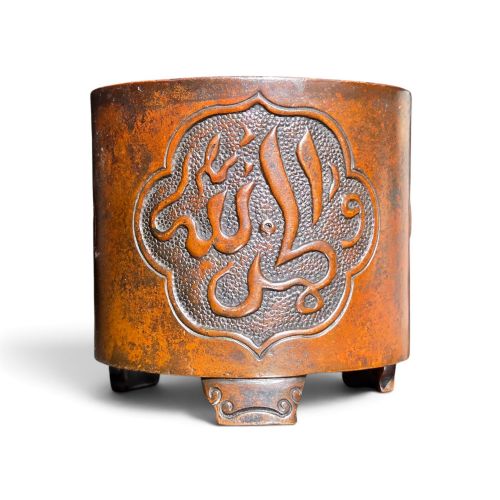
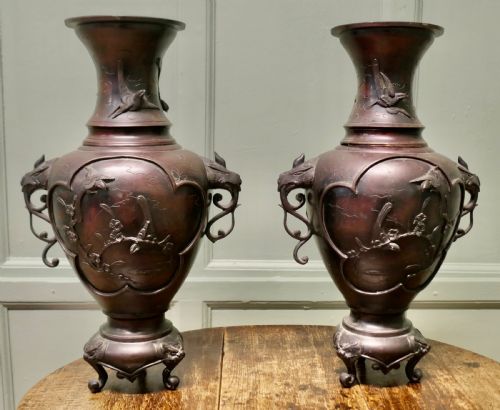
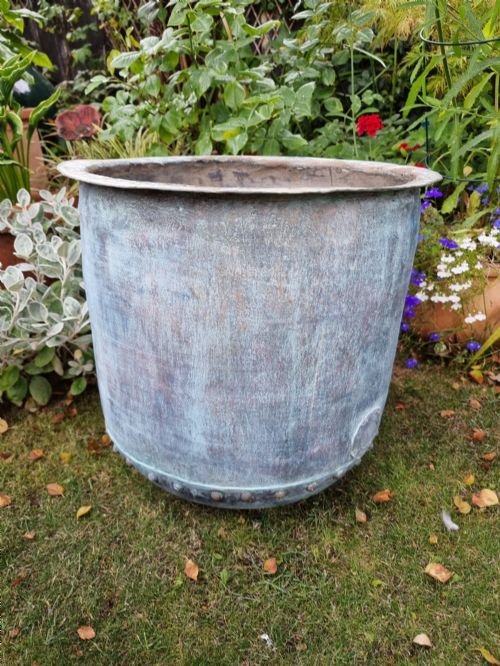
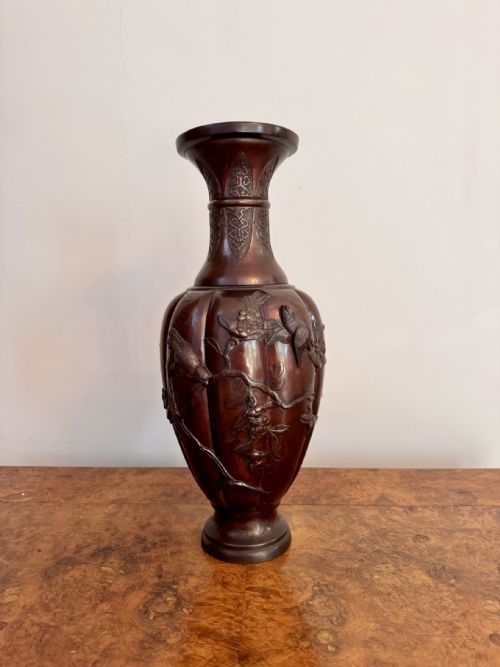
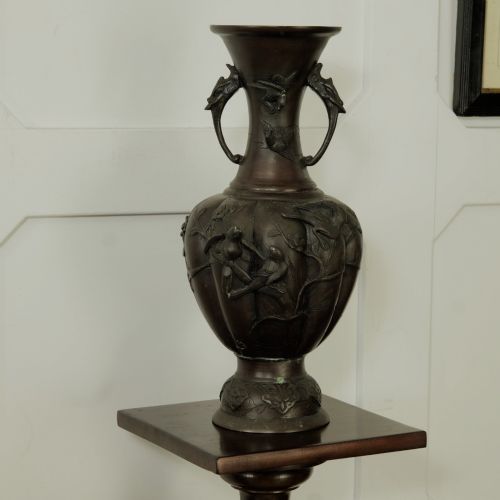
You are most likely to meet 19th-century Japanese Meiji vases and Chinese bronze tripod censers on this page. These pieces arrive in various forms, including cylindrical jars, bulbous hu vases, ritual food bowls, and garden planters.
The origins stretch across English, French, Chinese, and Japanese workshops, reflecting both domestic utility and scholarly aesthetic traditions. Each item bears the distinct surface transformation of deliberate patination or natural oxidation built over decades and centuries.
How they were made
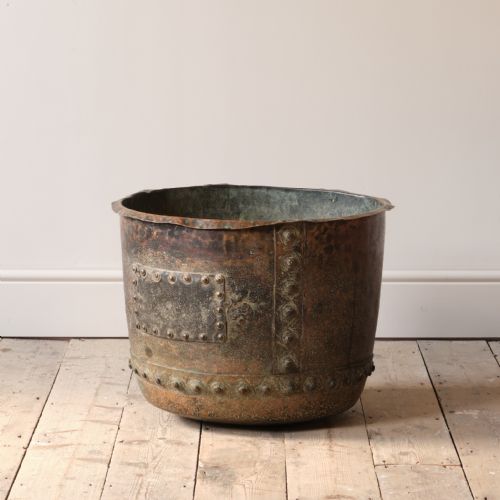
The objects recorded in the listings are formed primarily from cast bronze, copper, and iron, often worked with brass fittings or wooden elements. Metalworkers utilised traditional casting techniques, including lost-wax methods for intricate ritual vessels and sand casting for heavy utilitarian items like mortars and cauldrons.
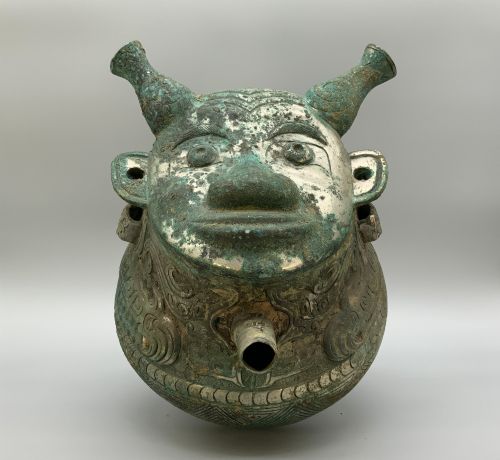
Surface treatments define these pieces, featuring applied patinas, champlevé enamelling, and cast or chased decorations such as taotie masks, dragons, and floral motifs. Artisans achieved varied tonal finishes through chemical treatments, controlled heating, and long exposure to environmental elements.
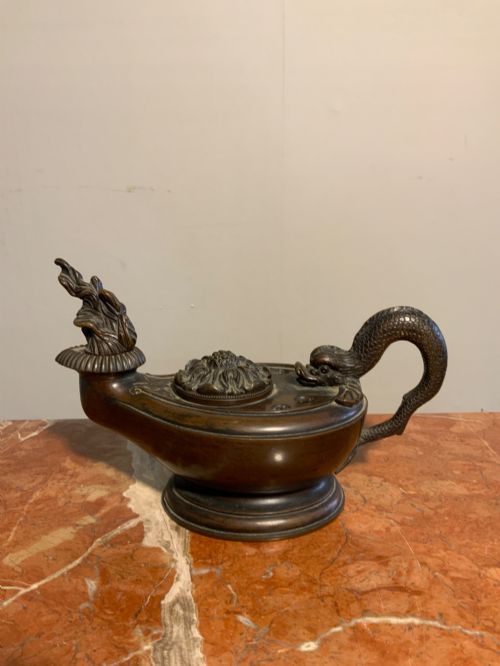
Object forms recorded on this page include ritual vessels, incense burners, garden pots, planters, inkwells, and decorative vases.
What varies in quality
Quality in a patinated metal vessel rests upon the crispness of the original casting and the depth of the finished surface. Pieces featuring sharp, high-relief chasing and integrated handles demonstrate a higher level of workshop competence than plain, mass-produced counterparts.
The stability of the material and the integrity of the patina dictate the standing of an object. An even, undisturbed chemical skin that highlights the contours of the metal without obscuring fine details separates ordinary utility items from exceptional examples.
The Patinated Metal Vessel Glossary
- Patina
- The surface sheen or colour alteration developed on metal through age, handling, or chemical treatment. This thin layer protects the underlying metal and indicates the object's age.
- Censer
- A vessel designed specifically for burning incense. These often feature tripod legs, pierced covers, and ritual ornamentation.
- Archaistic
- A style in later decorative arts that imitates the forms, motifs, and patination of ancient ritual bronzes. Makers deliberately referenced Shang, Ming, or Zhou dynasties.
- Champlevé
- An enamelling technique where troughs or cells are sunk into the metal surface and filled with vitreous enamel before firing. It creates colourful patterns alongside exposed metal lines.
- Mortar
- A heavy bowl-shaped vessel used with a pestle for grinding substances in kitchens or apothecaries. They are frequently cast in thick iron or bronze.
Patinated Metal Vessel: Frequently Asked Questions
What is a patinated metal vessel used for?
These items served various practical and ceremonial purposes across different cultures, ranging from burning incense in temples to preparing medicines in European apothecaries. Many functioned as decorative urns, flower holders, or centrepieces for grand dining tables.
Over time, utilitarian pieces like copper garden pots and iron mortars transitioned into purely decorative objects valued for their distinct industrial and historical surfaces.
How do I care for antique bronze and copper?
Maintaining these objects requires minimal intervention to preserve the historic surface and chemical skin. Dusting with a dry, soft cloth prevents particulate buildup without disturbing the underlying metal.
Avoid using abrasive metal polishes or harsh chemical cleaners, as these agents strip away the patination that defines the age and character of the piece.
How can I tell the age of a metal vessel?
Dating relies on examining the manufacturing technique, alloy composition, and stylistic markers specific to particular periods and regions. Tool marks, casting seams, and the depth of the metal provide clues to the era of production.
Reference marks, such as imperial Chinese reign characters or school signatures, further narrow the origin, though these must be evaluated alongside the overall wear and material quality.
Where were these metal vessels made?
The inventory includes items sourced from diverse international workshops, prominently featuring East Asian pieces from Chinese dynasties and Japanese Meiji periods. European examples originating from French, Italian, and English domestic or industrial contexts also appear.
Each region employed distinct metallurgical traditions, resulting in characteristic forms like Japanese bronze vases, Chinese ritual tripod censers, and French apothecary mortars.