


French Copper Planter
These french copper planter examples bring warmth and rustic utility to any room, offering robust metalwork designed to hold greenery or logs.
French Copper Planter
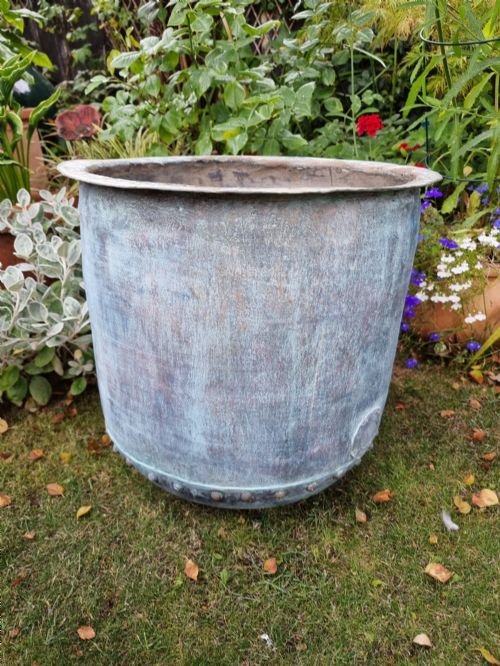
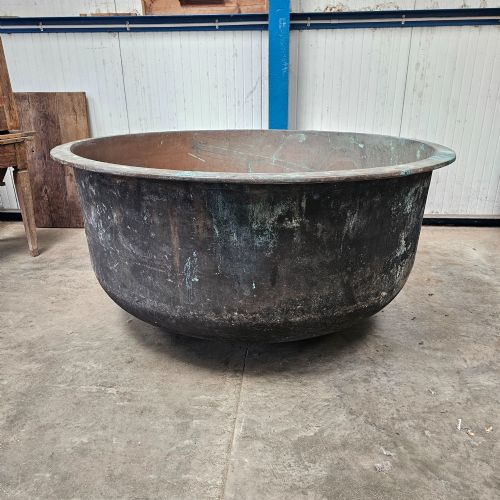
A french copper planter brings together utilitarian vessels and decorative containers originating from French workshops and provincial settings. When searching for a french copper planter, buyers frequently encounter repurposed items such as cheese vats, grain measures, cauldrons, and fish kettles.
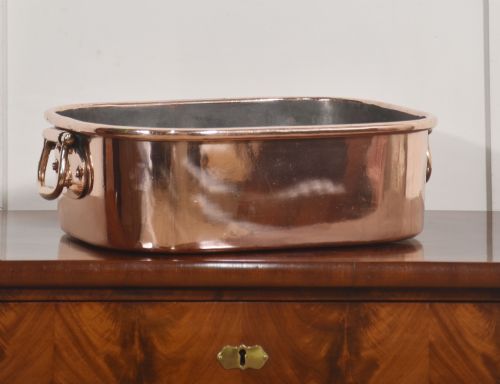
The inventory spans several periods, most notably the nineteenth century, alongside examples from the Victorian era up to Art Deco designs of the 1930s. Forms vary from substantial garden display pots and log bins to smaller window planters and embossed jardinieres.
How they were made
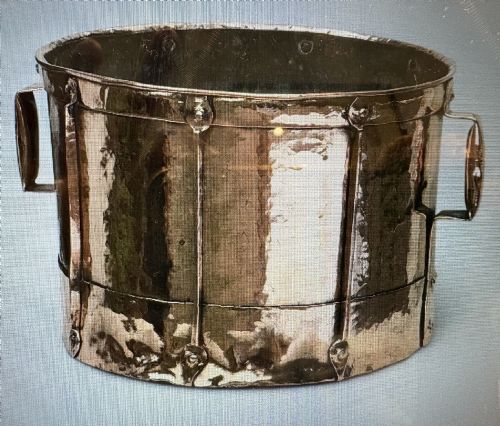
Makers utilised heavy sheet copper, hammering and joining the metal with visible rivets to ensure watertight strength for agricultural and domestic tasks. Iron handles, brass fittings, and wrought iron supports were frequently incorporated for lifting heavy loads such as cheese vats and cauldrons.
Surface decoration includes repoussé and embossed work, displaying textured patterns hammered directly into the copper body. Tin linings were often applied to the interior for practical kitchen use, whilst the exterior developed a natural patina over time.
Listings feature items spanning the nineteenth century, the Victorian era, and nineteen thirty Art Deco designs.
What varies in quality
The distinction between ordinary utility items and superior pieces lies in the weight of the copper sheet and the crispness of any repoussé or embossed decoration. Substantial gauge metal retains its structural integrity better than thinner alternatives.
Original mounts, riveted seams, and authentic handles contribute to the desirability of a piece. The character of the aged patina and the integrity of the original form, whether a grain measure or a cheese vat, dictate the visual presence.
The French Copper Planter Glossary
- Ferrat
- A traditional French copper grain measure or cylindrical vessel utilised in rural commerce. These heavy containers are frequently repurposed today as planters.
- Repoussé
- A metalworking technique where the pattern is hammered into relief from the reverse side of the copper sheet. This decorative method creates tactile surface texture.
- Dinanderie
- A term describing decorative objects made of beaten brass, copper, or other non-ferrous metals. Art Deco examples often utilise this technique for modern vessels.
- Cauldron
- A large rounded pot with a wide rim, traditionally used over an open fire for heating liquids or cooking. Iron handles and sturdy copper bodies allowed these to withstand heavy use.
French Copper Planter: Frequently Asked Questions
How are these copper pieces cleaned?
Most owners prefer to leave the aged copper surface untouched to preserve the historical patina and character.
Gentle washing with warm soapy water removes surface dust without stripping the natural oxidation built up over centuries.
Can I use them for real plants?
These vessels were originally built for practical duties like holding grain, cheese production, or cooking, making them robust enough for foliage.
Placing a plastic liner inside helps protect the historic metal interior from continuous moisture exposure.
What is a Ferrat?
A Ferrat is a traditional cylindrical copper measure originating from rural France during the nineteenth century.
Their deep proportions and sturdy construction make them particularly suited for housing large indoor plants or logs.
How do I spot Art Deco examples?
Art Deco pieces from the nineteen thirties display cleaner geometric lines and dinanderie work compared to earlier rustic styles.
They often combine heavier metal thickness with stylised handles intended for modern interior display.