


Patinated Bronze Incense Burner
A patinated bronze incense burner brings centuries of craftsmanship and ritual form into a room.
Patinated Bronze Incense Burner
A patinated bronze incense burner bridges domestic ritual and sculpture, taking forms from tripod vessels to lidded censers. When you search for a patinated bronze incense burner, you encounter works spanning the Ming and Qing dynasties alongside French, Japanese, and Regency European designs.
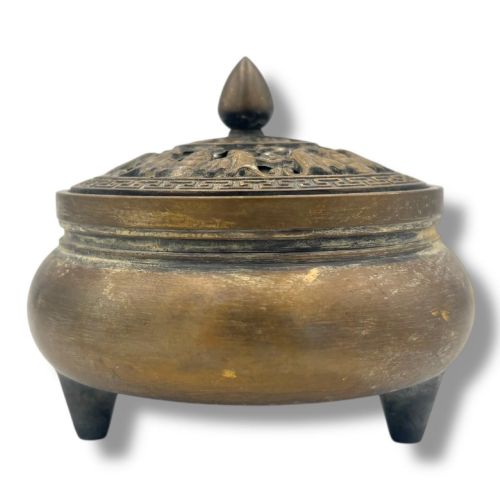
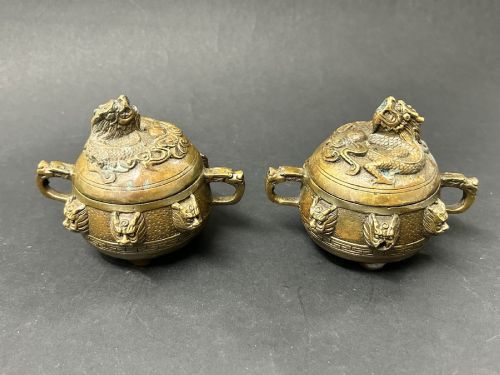
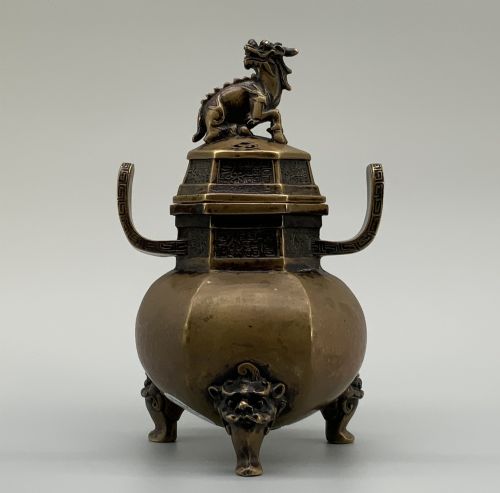
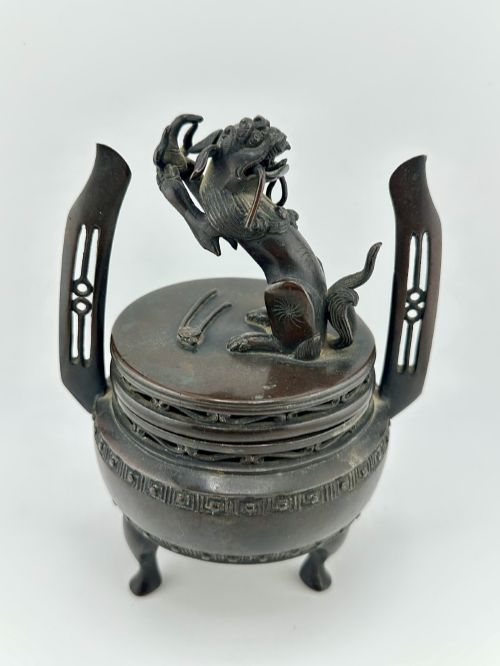
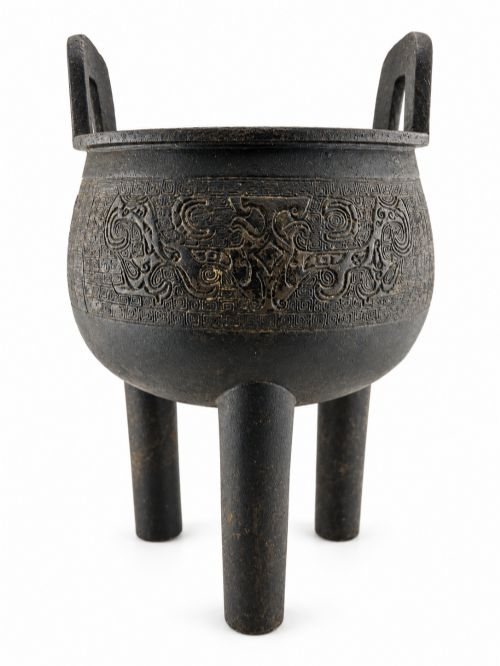
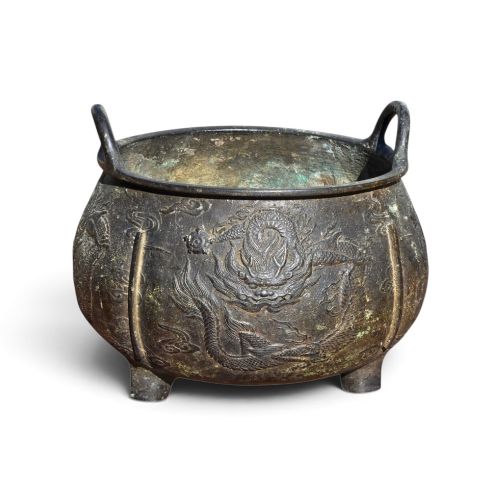
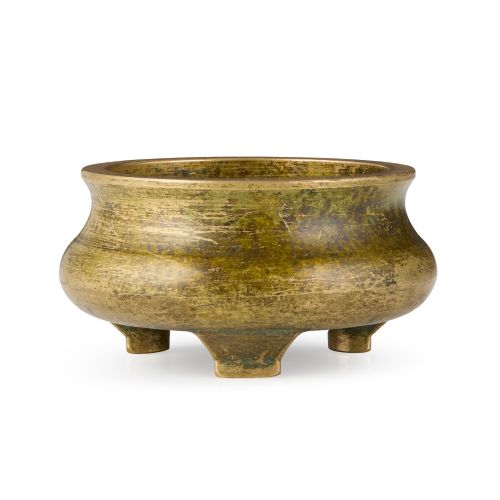
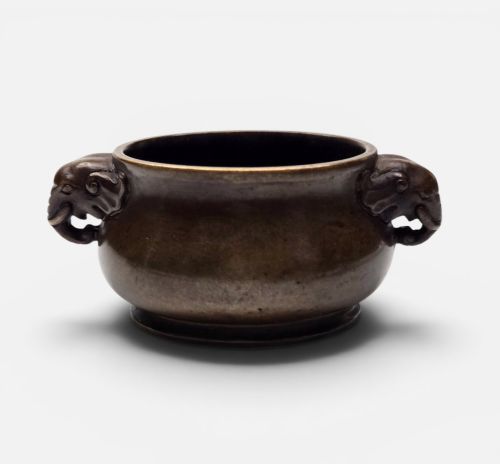
Tripod vessels dominate the selection, often finished with pierced lotus lids, dragon handles, or Qilin and Fu lion finials. These pieces range from miniature scholar's censers to heavy, monumental bowls intended for altars or studies.
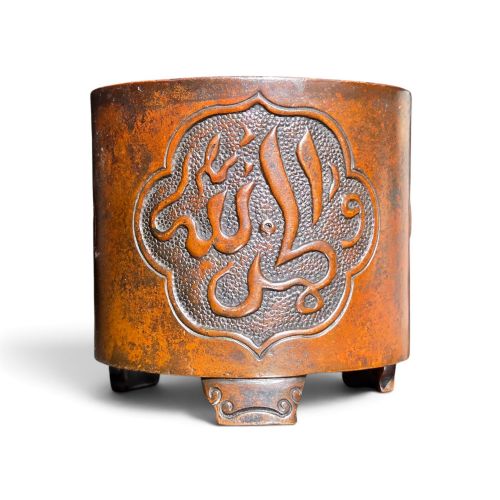
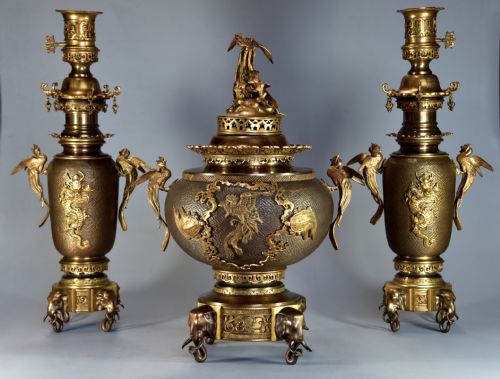
European examples on the page favour campana-shaped cassolettes and ormolu-mounted decorative urns. Meanwhile, pieces made for the Islamic market and Sino-Islamic styles demonstrate the wide cultural reach of these metalwork forms.
How they were made
Metalworkers shaped these vessels primarily through casting in bronze and copper alloy. Artisans built up the surfaces using patination methods to achieve deep, weathered tones, occasionally combining the bronze with ormolu mounts, wood elements, or gilt highlights.
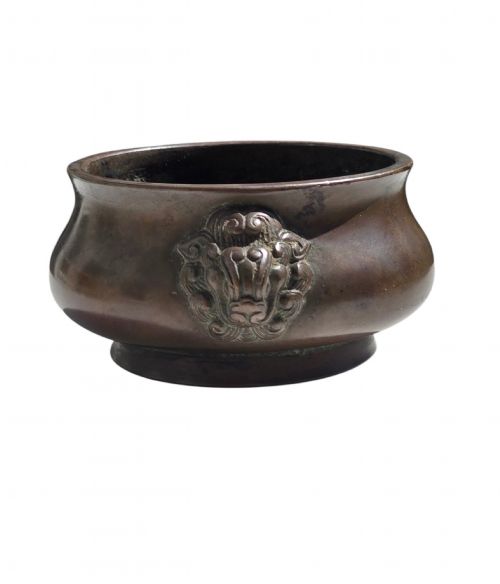
Detailing relied on intricate hand-finishing, from cast taotie masks and archaistic motifs to pierced floral lids. Marks, whether Xuande or Qianlong references, were often cast directly into the base or applied in the scholar's studio tradition.
Listings span the 16th century to the Victorian era, utilising bronze, patinated bronze, ormolu, and wood.
What varies in quality
The sophistication of the casting and the crispness of the surface relief separate standard vessels from exceptional works. Fine specimens retain sharp definition in animal finials, dragon handles, and archaic taotie decoration without losing the integrity of the metal.
The depth and stability of the patination dictate the visual success of the piece, with superior examples showing harmonious ageing across the bronze body. Furthermore, the presence of matching pierced covers and well-wrought original stands elevates the standing of an individual censer.
The Patinated Bronze Incense Burner Glossary
- Censer
- A vessel designed for burning incense, typically comprising a body, a resting base or legs, and a pierced cover to release smoke.
- Tripod
- A vessel supported by three feet, commonly seen in archaic Chinese bronze forms.
- Taotie
- A mythological zoomorphic mask motif frequently cast in low relief upon ancient and revival bronze vessels.
- Cassolette
- A decorative urn or vase with a reversible or pierced lid, functioning as an incense burner or perfume pot in European interiors.
- Ormolu
- Gilt bronze mounted onto decorative objects, prevalent in French and Regency pieces.
- Patination
- The natural or chemical coloration developed on the surface of bronze over time or through treatment.
Patinated Bronze Incense Burner: Frequently Asked Questions
What is a tripod censer?
A tripod censer is a three-legged vessel designed specifically to hold burning incense. The three supports elevate the bowl, a configuration common in historic Chinese metalwork.
These pieces often include matching pierced covers that allow fragrant smoke to drift through decorative patterns like lotus flowers.
How do I identify a Xuande mark?
A Xuande mark refers to the reign period of the Ming Emperor Xuande, though most inscribed marks on later censers act as an homage rather than a direct dating.
Look at the integration of the characters into the cast base to understand how the workshop approached traditional attribution.
Where were cassolettes used?
Cassolettes originated in European contexts like the Regency and French periods to hold perfumes or burn incense. Their dual-purpose lids allowed them to shift between a solid decorative urn and an active burner.
Collectors typically display them on mantelpieces or as part of larger garniture sets.
What makes an incense burner archaistic?
An archaistic piece deliberately mimics the form, decoration, or patination of much older ritual bronzes, such as those from ancient dynasties. These designs often incorporate taotie masks and heavy, imposing proportions.
Craftsmen created them across later centuries to honour classical antiquity.