
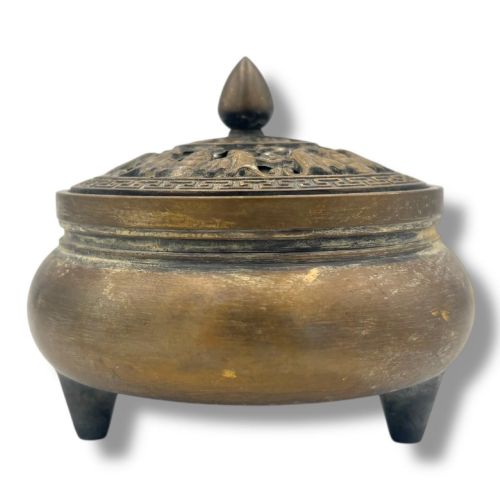
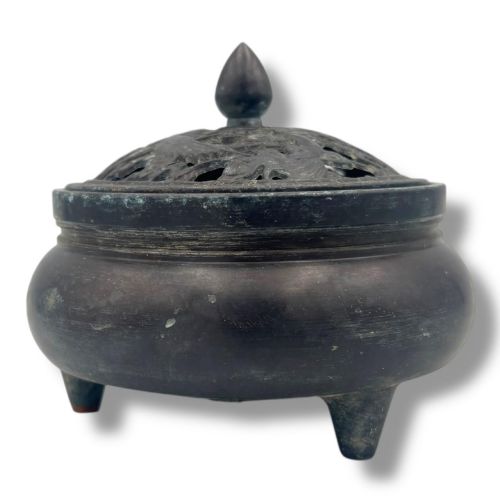
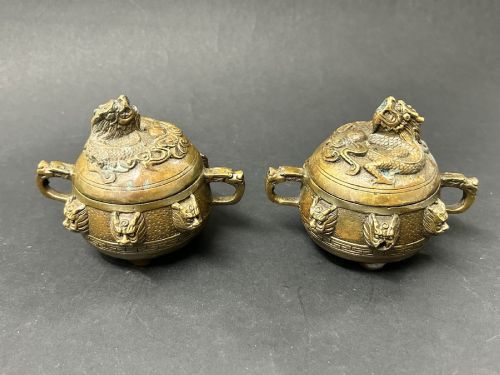
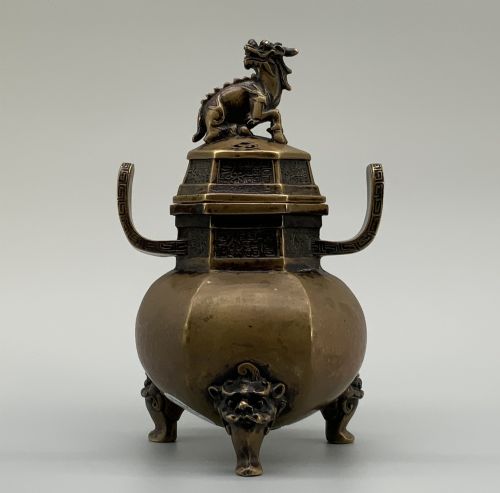


Oriental Bronze Tripod Censer
An oriental bronze tripod censer brings centuries of ritual history and sculptural weight to a room.
Oriental Bronze Tripod Censer
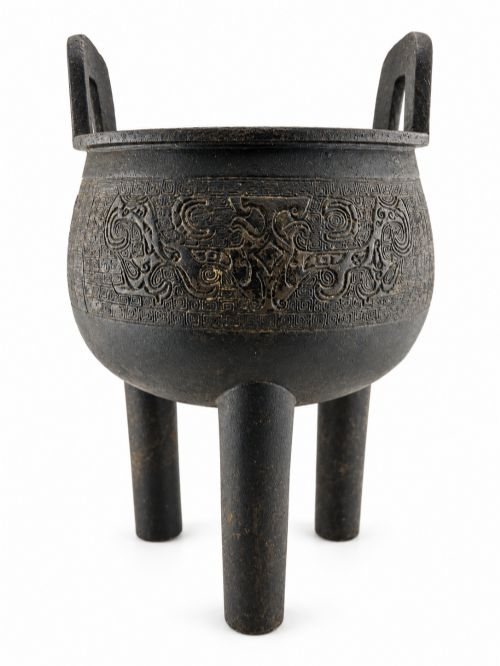
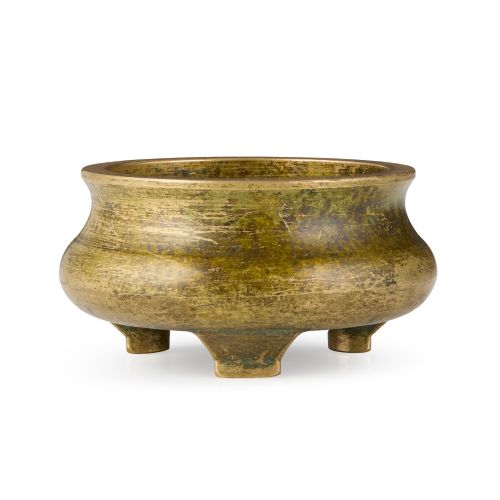
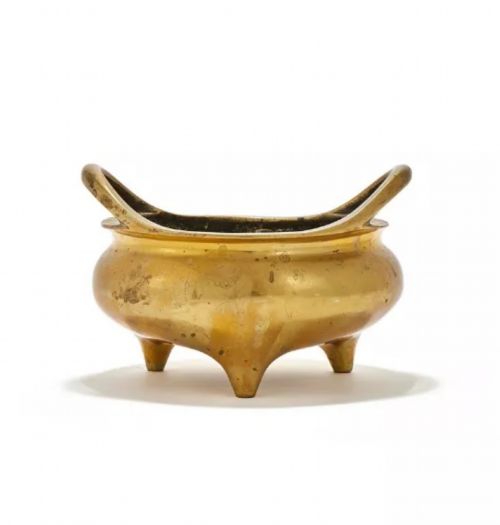
An oriental bronze tripod censer is a three-legged vessel designed for burning incense, drawing on centuries of Asian metalwork traditions. These pieces range from substantial ritual vessels with archaic motifs to miniature scholar's studio items.
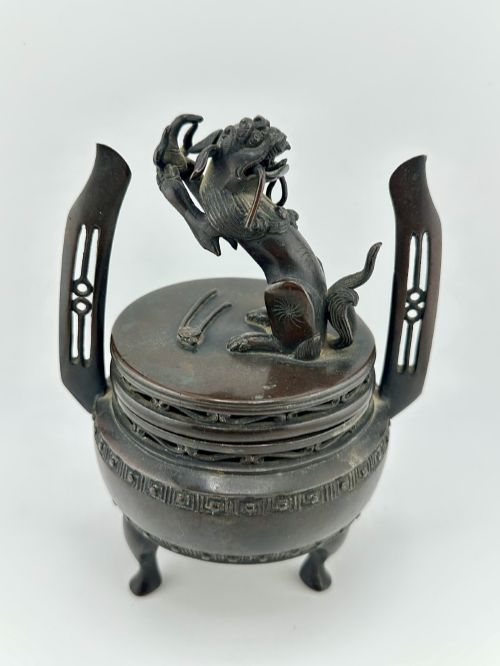
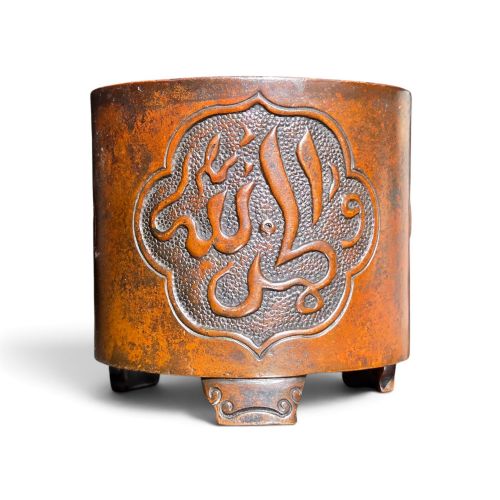
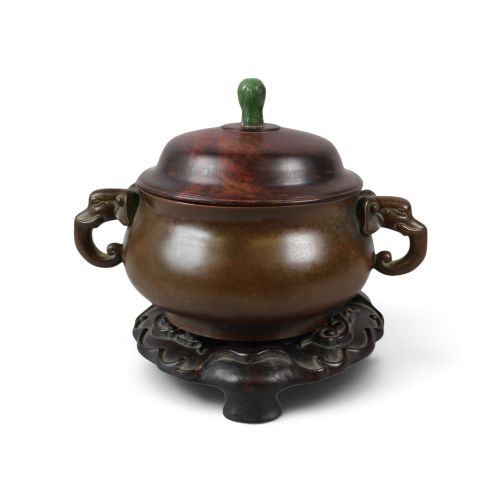
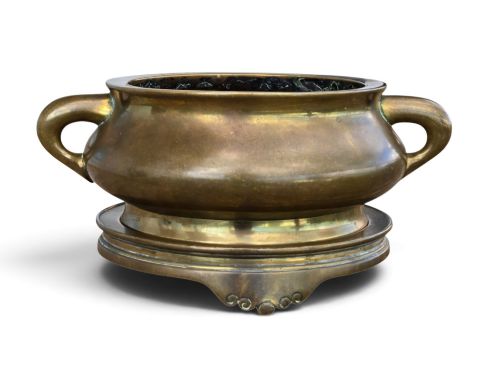
The pieces on this page span the 17th century through the Victorian era and the Meiji period, reflecting diverse workshops across China and Japan. Forms include lidded vessels featuring qilin finials, dragon handles, and specialised shapes for the Islamic market.
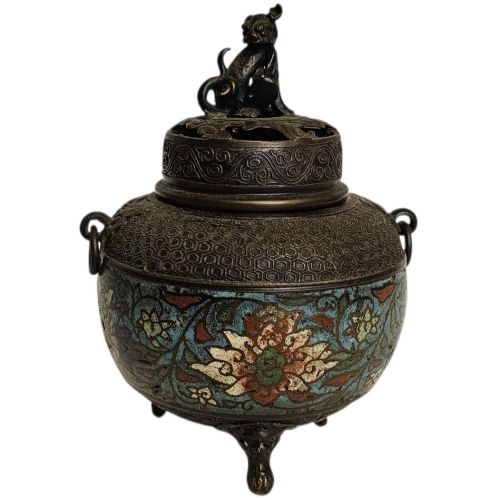
Buyers will encounter various configurations, from heavy cast vessels with apocryphal Xuande or Qianlong marks to examples combined with cloisonné enamel or supported by custom hardwood stands.
How they were made
These censers are primarily shaped from bronze, brass, and copper alloy using traditional casting methods that yield heavy, solid walls. Artisans frequently applied patination techniques to achieve deep, aged surface tones.
Decoration involves intricate casting, piercing, and applied elements such as cloisonné enamel or silver details. Covers and finials are cast separately, often featuring detailed zoomorphic forms like qilin, dragons, and elephants.
Many items incorporate mixed media, pairing the metal body with carved jade finials or mounting the completed censer on a fitted hardwood stand.
Several heavy censers arrive complete with mythical beasts sitting on their lids, ready to guard your incense.
What varies in quality
The standard of a censer is largely determined by the crispness of the cast decoration and the depth of the metalwork. Sharply rendered taotie masks and clean piercing indicate higher workshop skill.
Weight and metal density distinguish ordinary production from superior examples, as heavier pieces generally demonstrate greater substance. The quality of the finish and the richness of the natural or applied patina also elevate the piece.
The Oriental Bronze Tripod Censer Glossary
- Tripod censer
- An incense burner supported by three feet. This configuration provides stable elevation for ritual vessels.
- Cloisonne enamel
- A metalwork technique where enamel paste is applied within compartments created by soldered wire. This method produces vibrant surface patterns on the body.
- Archaistic
- A style that deliberately mimics ancient ritual forms. These designs draw upon early Chinese bronzes from dynasties past.
- Taotie
- A stylized zoomorphic mask motif commonly found on early vessels. This decorative face appears frequently on ritual bronzes.
- Qilin
- A mythical hooved chimerical creature often used as a lid finial. These figures add symbolic protection and sculptural detail.
Oriental Bronze Tripod Censer: Frequently Asked Questions
How were these censers used?
These vessels were utilised to burn aromatic resins and incense powders during rituals, scholarly contemplation, and household ceremonies. The pierced lids allowed fragrant smoke to escape evenly into the room.
Larger heavyweight examples served significant ceremonial functions in temples and halls, while miniature versions sat quietly on scholars' desks for focused meditation.
How do I live with one?
An oriental bronze tripod censer works well as a sculptural centrepiece on a mantelpiece, side table, or open shelf. Their substantial metal weight and patinated surfaces anchor surrounding decor.
Keep the vessel dry and dust it gently with a soft cloth to preserve the bronze surface. Many look complete when displayed alongside their custom hardwood stands.
How do I tell periods apart?
Differentiating periods relies on observing casting styles, surface patination, and incorporated decorative motifs. Pieces from the 17th century often display specific market adaptations, while 19th-century and Meiji period items show distinct regional casting habits.
Inscribed marks referring to earlier dynastic reigns like Xuande or Qianlong frequently appear on later 19th-century revivals rather than indicating actual 15th or 18th-century production.
What materials are used?
The primary material is bronze, alongside brass and copper alloy variants. Many examples incorporate secondary materials such as cloisonne enamel, silver, and jade finials.
Some pieces are completed with fitted hardwood bases that complement the dark tones of the patinated metal body.