

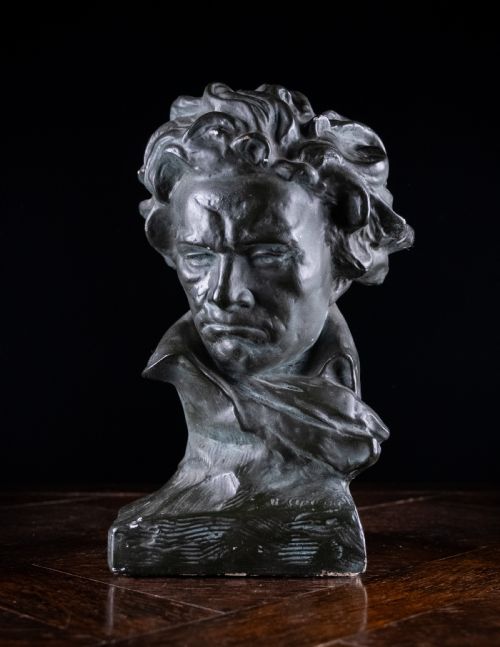


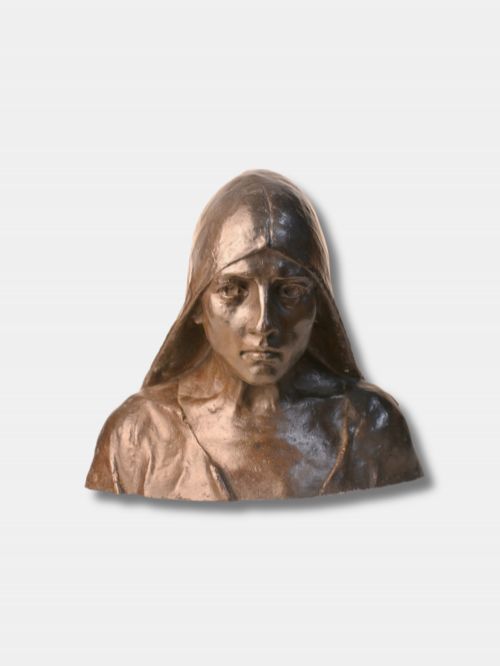


Patinated Bronze Bust
A patinated bronze bust captures character and history, offering a sculptural centrepiece shaped by nineteenth-century foundry traditions.
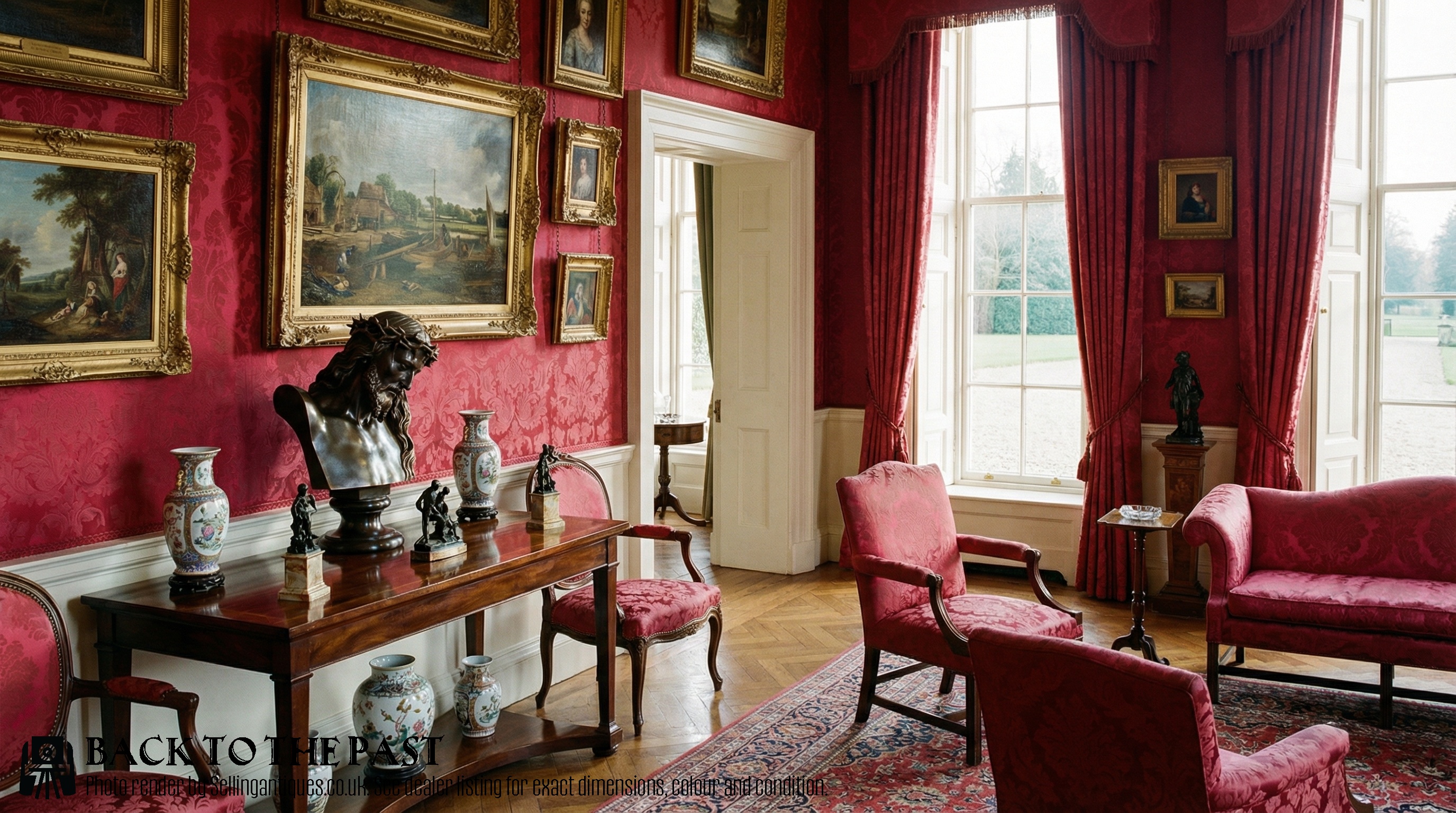
Patinated Bronze Bust
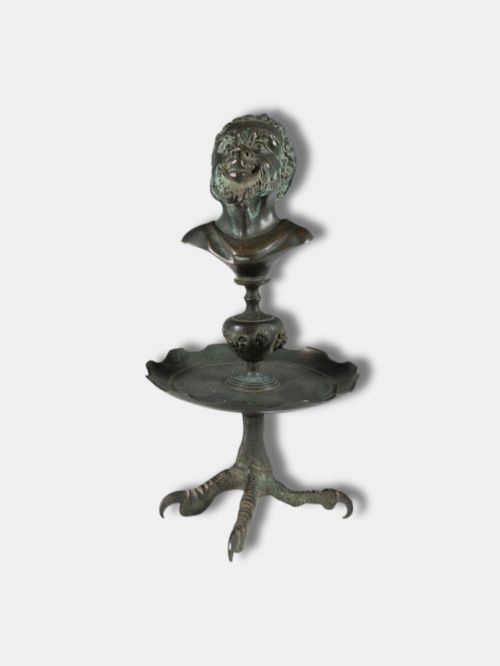
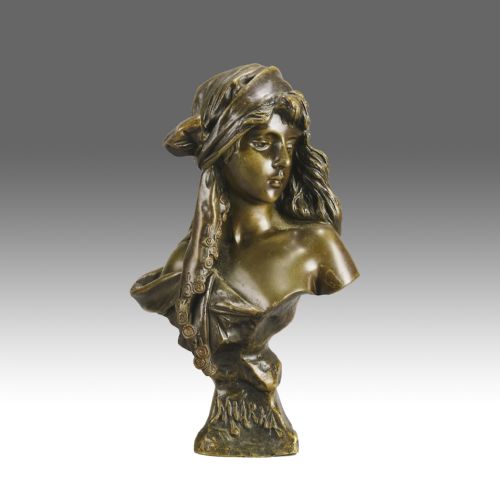
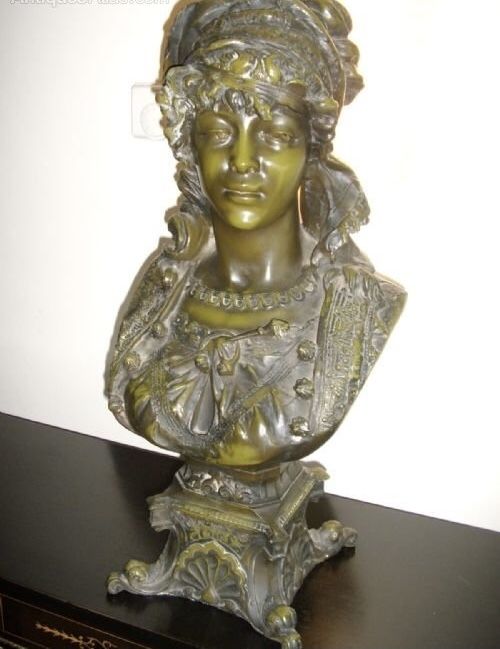
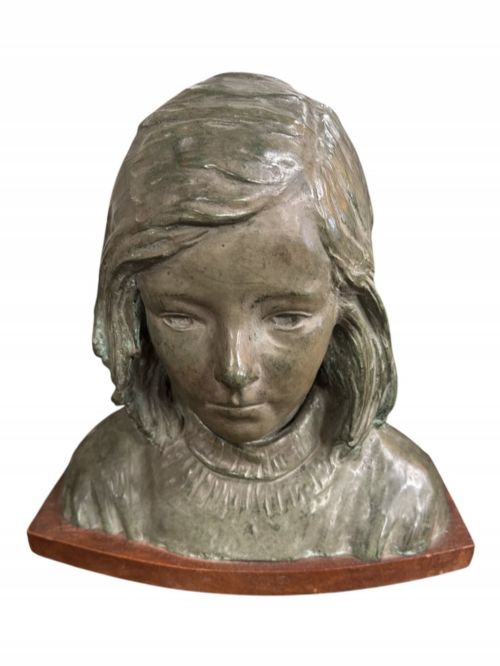
A patinated bronze bust focuses on head-and-shoulder portraits and classical figures rendered in metal with applied chemical colouration. These works draw heavily on nineteenth-century French, Victorian, and Grand Tour aesthetics, alongside Art Nouveau and Art Deco interpretations.
The version most commonly met on this page is the nineteenth-century French or Grand Tour bronze, often cast by named sculptors and founders working in an academic or allegorical tradition. Alongside solid bronze, the listings include bronzed metal, terracotta, plaster, and spelter adaptations of similar subjects.
Subjects range from classical emperors, mythological figures, and literary poets to specific historical personalities and allegorical female studies. Scale varies from library-sized cabinet pieces to life-size gallery works, frequently mounted on integrated marble or wooden plinths.

Materials and casting methods
Patination involved applying chemical solutions to the cooled metal surface, reacting with the copper alloy to produce warm brown, dark green, or verdigris tones. Alternative mediums such as terracotta and plaster were often painted or bronzed to imitate the appearance of cast metal.
Patinated Bronze Bust Retail Price Guide 2026
Typical asking prices for patinated bronze bust among the pieces listed under this phrase on Sellingantiques today, from the lower quarter to the upper quarter. They describe what is for sale here now, not the wider market.
Listings feature works spanning the Victorian, Edwardian, and Art Deco periods, created in bronze, terracotta, plaster, and painted metal.
Distinctions in craftsmanship
Quality separates in the precision of the chasing and the depth of the foundry work. Finer casts retain crisp details in the hair, eyes, and clothing folds without relying on heavy surface paint to mask blurred contours.
The richness and stability of the chemical patination dictate the visual impact of the surface. Superior examples display subtle tonal variations rather than flat, uniform colouration.
Emmanuel Villanis·Georges-Charles Coudray·Giuseppe Moretti·George Minne·Hans Muller·Mathurin Moreau·Adolphe Jean Lavergne·Paul Francois Berthoud·Pietro Calvi
The Patinated Bronze Bust Glossary
- Patination
- The chemical treatment applied to the surface of metal to create colour, depth, and aged effects. This process protects the bronze while defining its visual character.
- Grand Tour
- A nineteenth-century tradition of travelling through Europe to collect classical antiquities and bronze souvenirs. These library-sized reductions replicated ancient Greek and Roman sculptures.
- Lost-wax casting
- A historic method where a wax model is melted from a mould and replaced with molten bronze. This technique allows for high fidelity and intricate sculptural detail.
- Chasing
- The manual finishing process where metalworkers refine a raw casting using punches and chisels. It sharpens contours and removes casting imperfections.
- Spelter
- An alloy of zinc and lead often used as a cheaper alternative to bronze. It was frequently painted to resemble patinated metal during the nineteenth century.
Patinated Bronze Bust: Frequently Asked Questions
How do I clean a bronze bust?
Dust the surface gently with a soft, dry brush to prevent particulate buildup in recessed areas. Avoid using water, soap, or chemical polishes, as these can strip the original chemical patination.
Apply a very thin coat of microcrystalline wax if the metal requires protection against humidity. Buff the surface lightly with a clean cloth after waxing to maintain a stable finish.
What is a Grand Tour sculpture?
Grand Tour sculptures were cabinet-sized reductions of classical statues purchased by travellers in Italy during the nineteenth century. They served as academic souvenirs and intellectual ornaments for home libraries.
These pieces typically depict ancient Greek and Roman philosophers, emperors, and mythological deities. Founders produced them in patinated bronze or verdigris finishes to mimic excavated antiquities.
How can I tell bronze from spelter?
Bronze is heavier, denser, and colder to the touch than zinc-based spelter alloys. Examining the underside or base often reveals the warmer golden colour of actual copper alloy beneath the surface.
Spelter is softer and more brittle, sometimes showing hairline fractures or powdery grey oxidation where the paint has worn away. Magnetic tests are inconclusive because neither material is strongly magnetic.