


Patinated Bronze Animalier
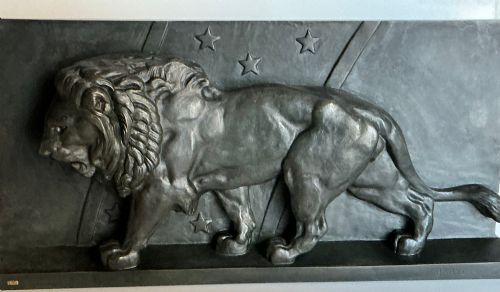
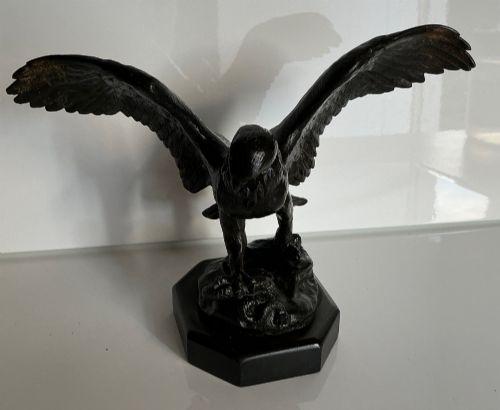
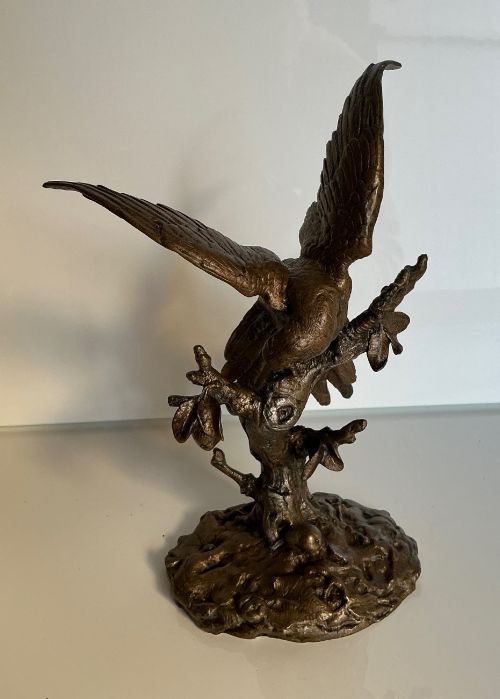
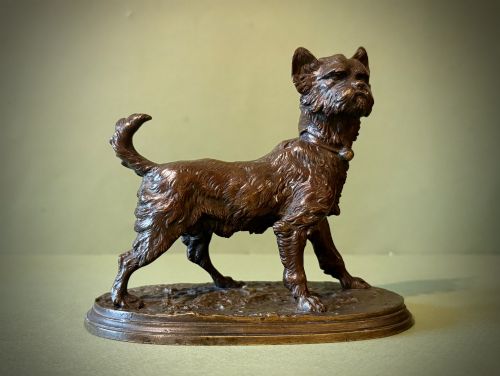
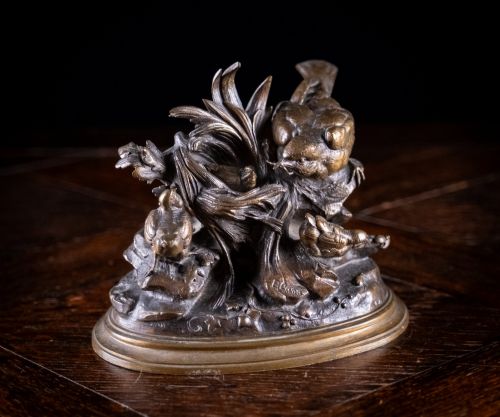
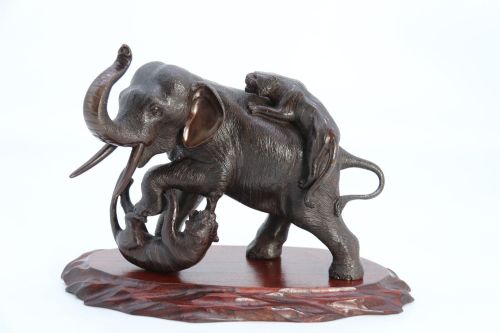
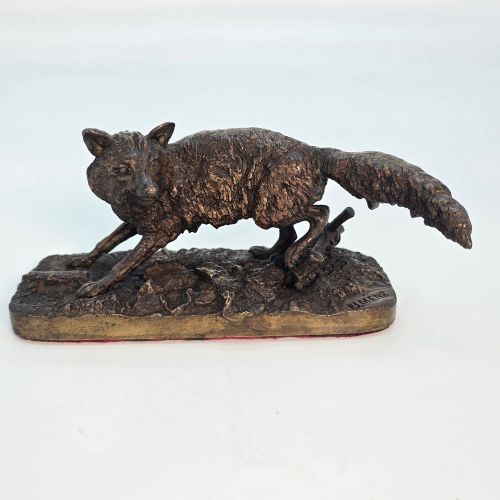
These patinated bronze animalier sculptures capture the raw energy of wildlife and domestic animals, cast by master founders primarily during the nineteenth and early twentieth centuries.
Patinated Bronze Animalier
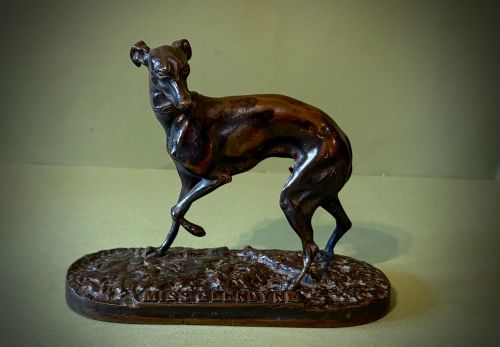
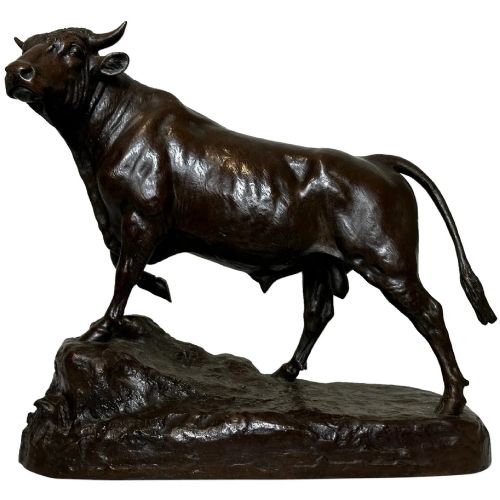
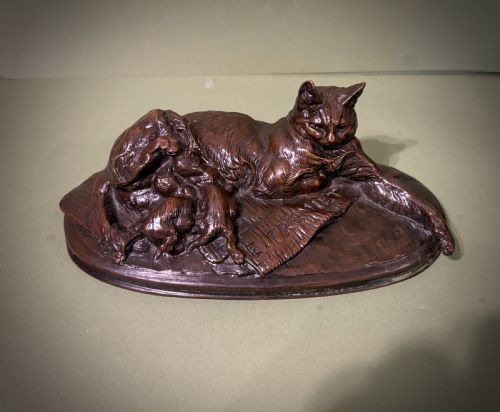
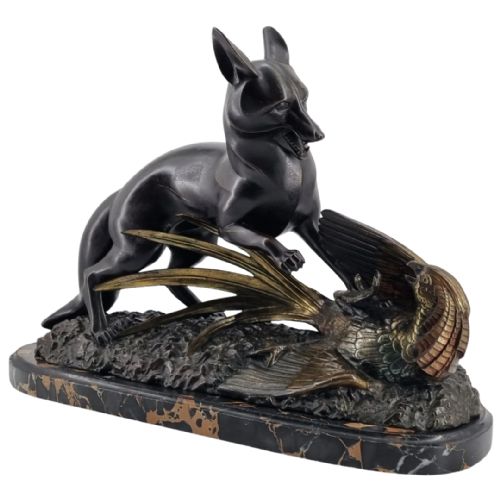
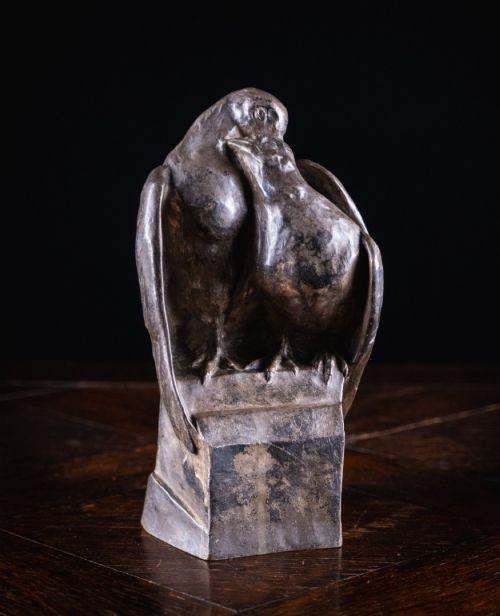
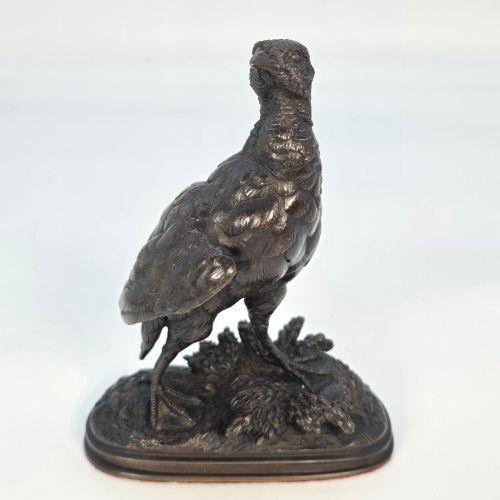
A buyer seeking patinated bronze animalier encounters realistic depictions of beasts, birds, and sporting subjects cast in metal and mounted on stone bases. The selection leans heavily toward nineteenth-century French foundry works alongside early twentieth-century interpretations.
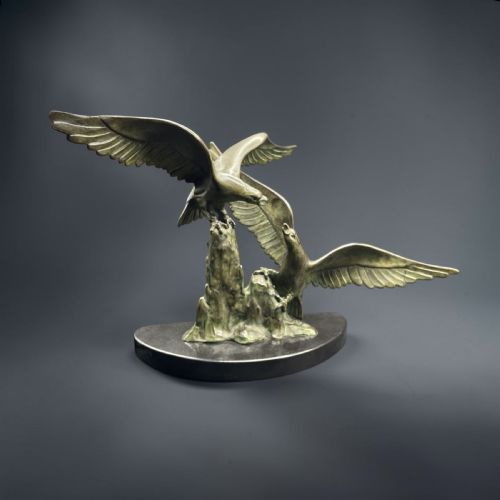
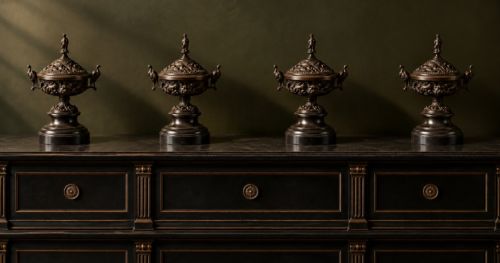
Subjects range from prowling big cats and hunting dogs to horses, stags, and exotic birds. Many pieces integrate functional elements such as mantel clocks, decorative urns, and fireside accessories.
The aesthetic bridges naturalistic anatomy and stylistic movements including Art Nouveau and Art Deco. Figures appear singly or in dramatic groupings, frequently paired with marble or onyx plinths.
Materials and casting methods
Foundries utilised the lost-wax method or sand casting to achieve intricate anatomical detail in bronze. Surface treatments involved chemical patination to produce deep brown, green, or black tones.
Bases frequently incorporate contrasting materials such as marble, onyx, enamel, wood, and brass to support heavy metal sculptures. Enamel additions occasionally provide colourful accent details on bird and animal plumage.
Patinated Bronze Animalier Retail Price Guide 2026
Typical asking prices for patinated bronze animalier among the pieces listed under this phrase on Sellingantiques today, from the lower quarter to the upper quarter. They describe what is for sale here now, not the wider market.
Base materials recorded across the inventory include various types of marble, onyx, wood, and brass.
Distinguishing the finer examples
Quality rests upon the crispness of the chase work, where artisans hand-tooled the metal after casting to define musculature, fur, and feathers. Inferior examples lose fine detail and show softened contours or hasty surface finishing.
The integrity of the foundry signature and the harmony between the bronze subject and its stone base distinguish superior studio productions from later or secondary recasts.
Jules Moigniez·P J Mêne·Louis Emile Cana·R Varnier·Christophe Fratin·Emile Carlier·Antoine Louis Barye·Alfred Barye·Kunio Itô·Dora Heber·Tsunemitsu·Luigi Secchi·Alfred Dubucand·Charles Crozatier·E. Drouot·Pierre Lenordez·Victor Peter·Isadore Bonheur
The Patinated Bronze Animalier Glossary
- Animalier
- A nineteenth-century artistic movement dedicated to the realistic portrayal of animals. Practitioners focused closely on anatomical precision and dynamic movement.
- Patina
- The surface coloration and sheen developed naturally over time or applied chemically by the foundry. It enhances the depth and texture of the bronze.
- Lost-wax casting
- A traditional technique where a wax model is melted out of a mould to create a hollow metal casting. This method allows for exceptional detail.
- Chasing
- The process of hand-finishing a raw metal casting with chisels and hammers. Artisans use this step to refine textures and remove casting flaws.
Patinated Bronze Animalier: Frequently Asked Questions
What is an animalier bronze?
An animalier bronze is a nineteenth or twentieth-century sculpture focusing on realistic animal subjects. These works were created primarily by European artists who studied wildlife in detail.
Subjects include wild predators, domestic dogs, horses, and birds, often captured in motion or repose.
How do I identify the period?
Dating relies on stylistic clues, foundry marks, and the type of base material used. Nineteenth-century pieces often feature naturalistic bases, while early twentieth-century examples embrace Art Deco geometries.
Examining the depth of the patina and the clarity of artist signatures also helps establish the era of production.
Where were these sculptures displayed?
Original owners placed these bronzes on library desks, mantelpieces, and entrance halls as symbols of refined taste. Sculptures incorporating clocks or urns served practical domestic purposes.
They function today as decorative centerpieces on sideboards or mantel shelves.
How should I care for patinated bronze?
Maintenance requires gentle dusting with a soft, dry cloth to protect the chemical patina. Avoid liquid cleaners and harsh polishes that strip the surface finish.
Keeping pieces away from direct sunlight and excessive moisture preserves the stability of the metal and stone bases.