
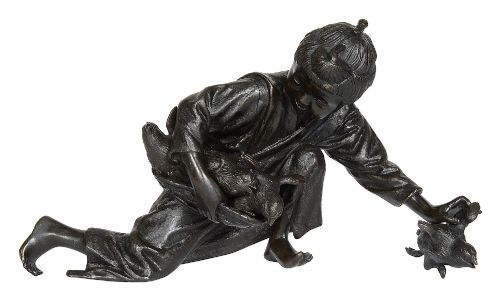
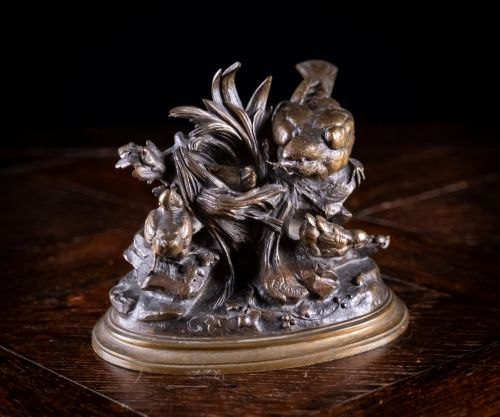
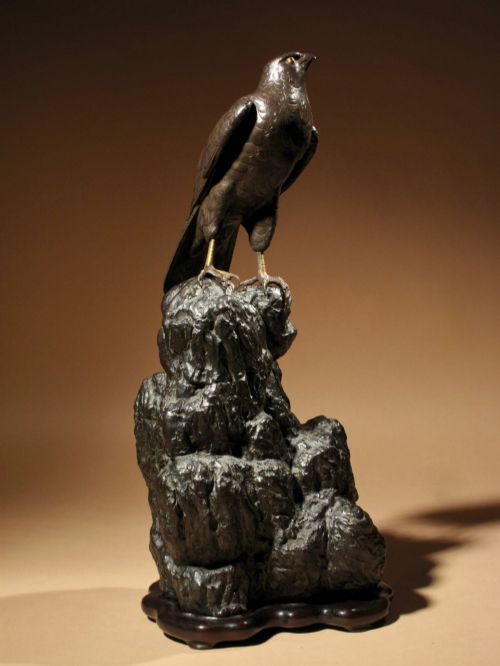
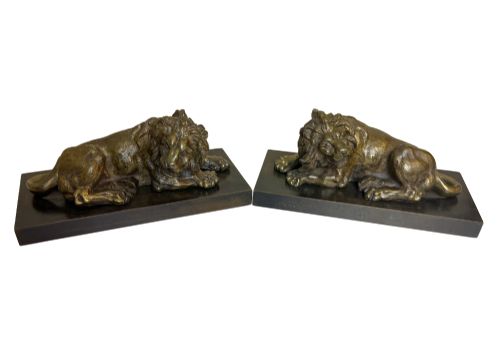
Patinated Bronze Animal
A patinated bronze animal brings dynamic movement and character to a room, capturing creatures from domestic hounds to mythical beasts.
Patinated Bronze Animal
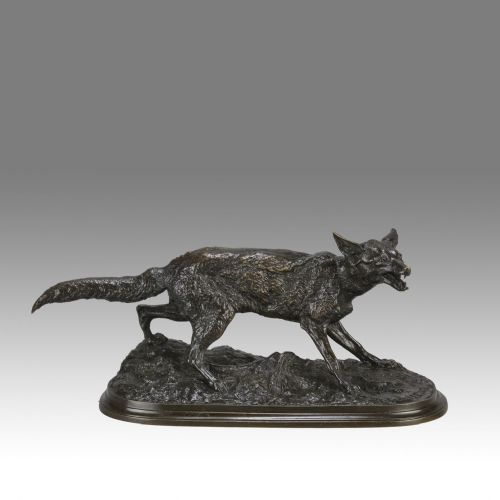
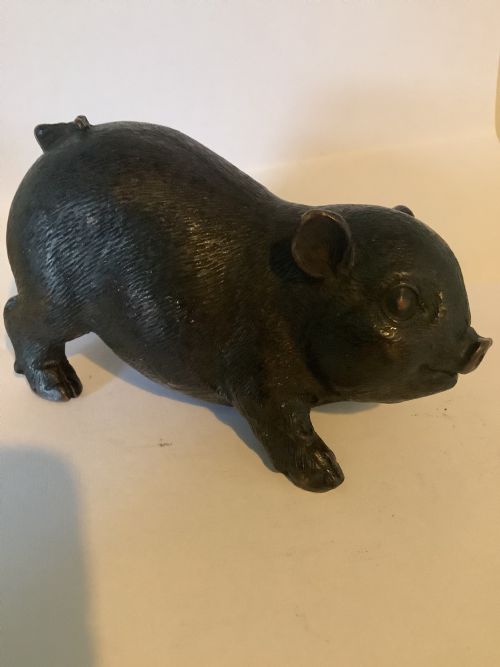
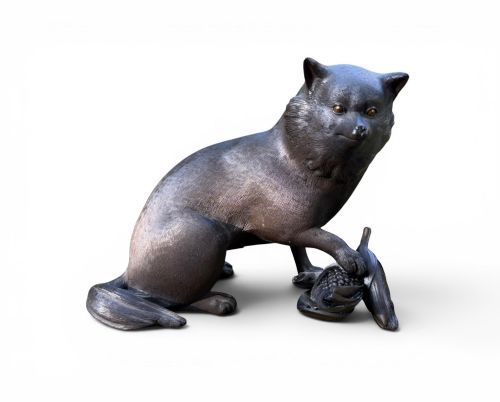
A patinated bronze animal represents realistic wildlife, domestic pets, and mythological creatures rendered in metal. Buyers searching for a patinated bronze animal frequently encounter French Animalier studies and Japanese Meiji period okimono sculptures.
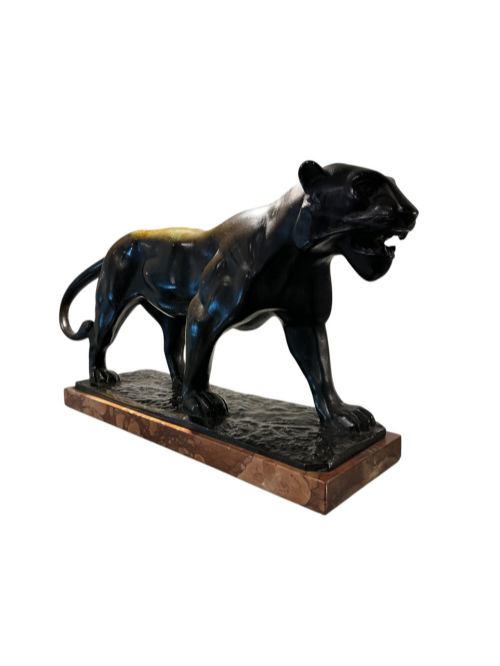
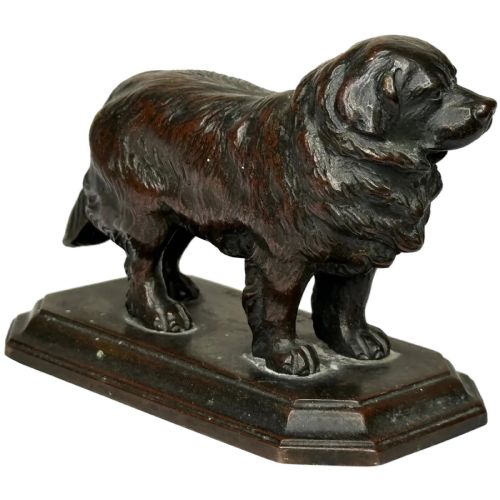
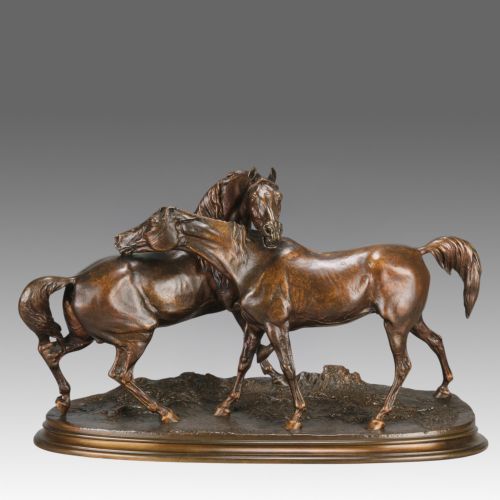
The selections span from mid-19th century European foundry works to early 20th century Art Deco sculptures and Asian figurative pieces. Common forms include single figures on naturalistic bases, bookends, and multi-animal combat scenes.
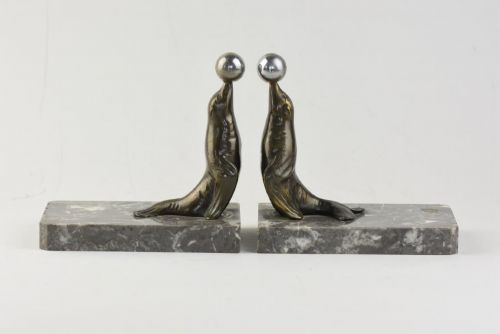
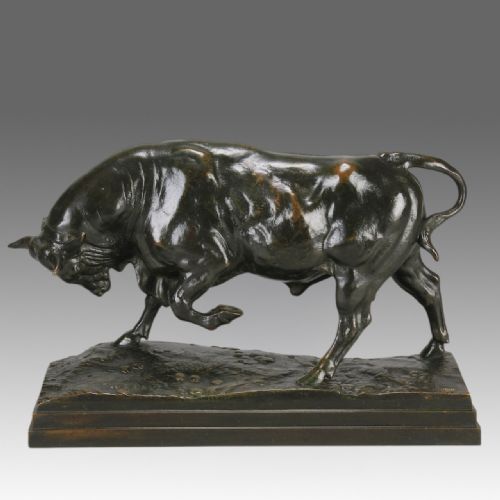
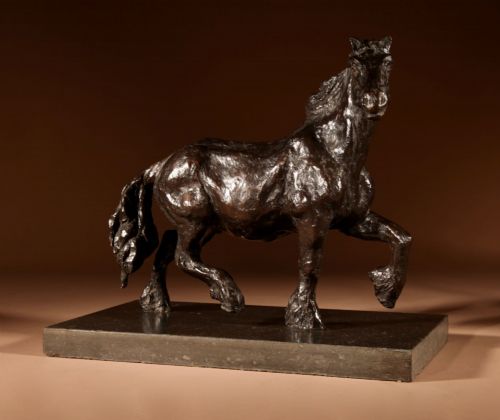
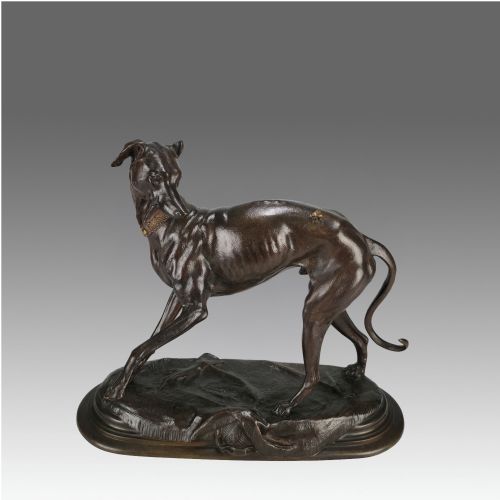
These works vary widely in scale, showing everything from small tabletop figures to large statues mounted on marble or onyx bases. The subjects cover dogs, big cats, birds, elephants, horses, and mythical dragons.
Materials and construction methods
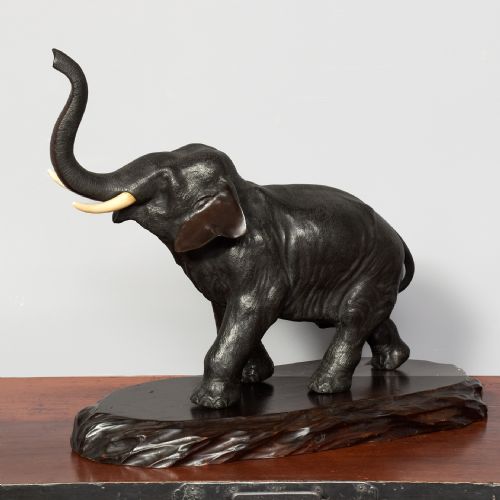
Foundries primarily utilised bronze cast from modelled clay or wax originals, often applying chemical treatments to achieve dark brown, green, or black surface finishes. Some Japanese works incorporate applied details like ivory tusks or bone elements.
Many European and Asian sculptures incorporate integral cast metal bases, while others mount securely onto contrasting plinths made from marble, onyx, or wood.
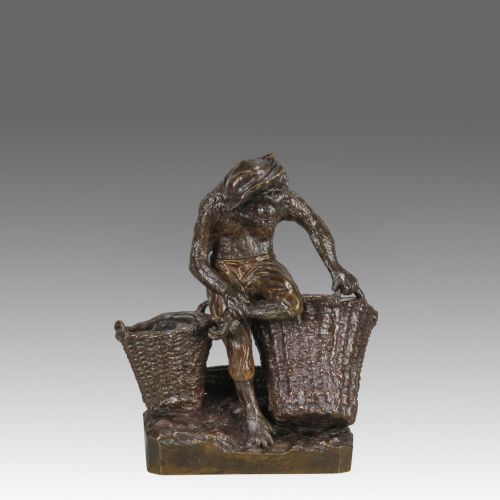
A bronze monkey carrying wicker baskets stands ready to add unexpected character to the mantelpiece.
Markers of execution and finish
Quality rests upon the crispness of the chasing and the subtlety of the chemical patination across muscle, fur, and feather details. Superior castings preserve the vitality of the original sculptor's modelling without smoothing away texture.
The sophistication of the anatomical observation and the integration of the figure with its base distinguish finer studio output from standard commercial production.
P J Mêne·Christophe Fratin·Antoine Louis Barye·Kunio Itô·Alfred Dubucand·Isadore Bonheur·Paul Édouard Delabrièrre
The Patinated Bronze Animal Glossary
- Animalier
- A nineteenth-century movement centred in France dedicated to the realistic portrayal of animals. Sculptors in this group studied live subjects closely in menageries.
- Okimono
- A Japanese decorative figurine designed for display on a household shelf or tokonoma alcove. These often depict wildlife with meticulous attention to natural posture.
- Patination
- The chemical colouring applied to the metal surface to alter its tone and protect the bronze. It ranges from warm brown shades to deep verdigris.
- Chasing
- The finishing process where a metalworker refines the raw bronze casting using chisels and punches. This restores texture and removes foundry seams.
- Spelter
- A zinc alloy commonly utilised as a less expensive alternative to bronze. It appears frequently in twentieth-century decorative figures and bookends.
Patinated Bronze Animal: Frequently Asked Questions
What is an animalier bronze?
An animalier bronze is a sculpture depicting animals in realistic, active poses, produced predominantly by European artists during the nineteenth century. These pieces focus heavily on accurate animal anatomy and behaviour.
Artists observed live creatures in zoological gardens to capture tension, movement, and texture with precision in the metal cast.
How do I identify a Meiji period bronze?
Meiji period Japanese bronzes often take the form of detailed okimono depicting wildlife, elephants, or figures engaged in daily tasks. They frequently feature signature plaques or cast seals from specific foundries and artists.
The casting technique prioritises extreme surface detail, sometimes incorporating mixed metals or contrasting ivory elements on naturalistic bases.
What does patinated bronze mean?
Patinated bronze refers to metal sculpture that has undergone a chemical or thermal treatment to colour the surface. This process creates tones ranging from rich dark browns to golden hues and weathered greens.
The patina protects the underlying metal while enhancing the visual depth and shadow of the sculpted details.
How should I display bronze animal sculptures?
Bronze animal sculptures suit placement on sturdy wooden surfaces, mantelpieces, or dedicated display tables where lighting can catch the patinated contours. Pieces mounted on marble or onyx bases require flat, stable support.
Keeping them away from direct moisture helps preserve the integrity of both the metal surface and any stone plinths.