



Pastoral Landscape Art
Pastoral landscape art brings the quiet rhythm of rural life, country paths, and grazing herds directly into your rooms.
Pastoral Landscape Art
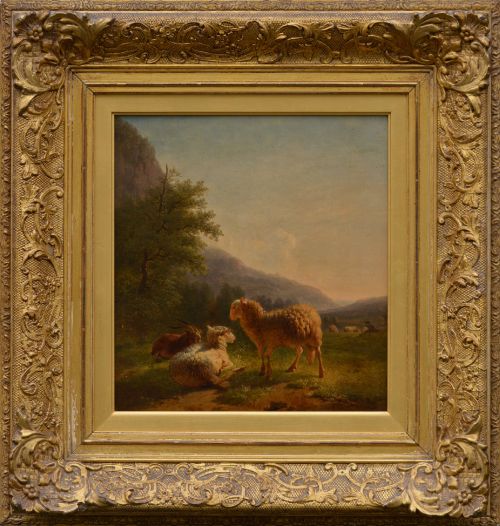
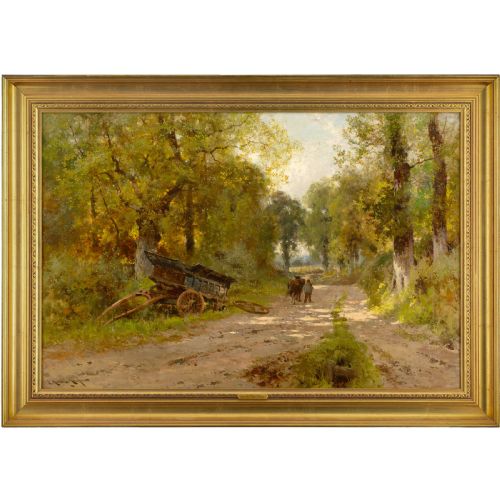
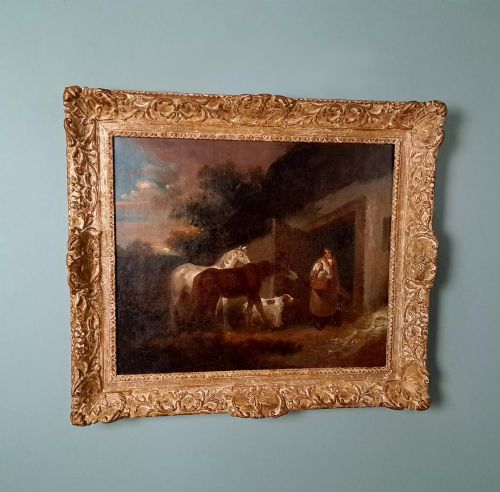
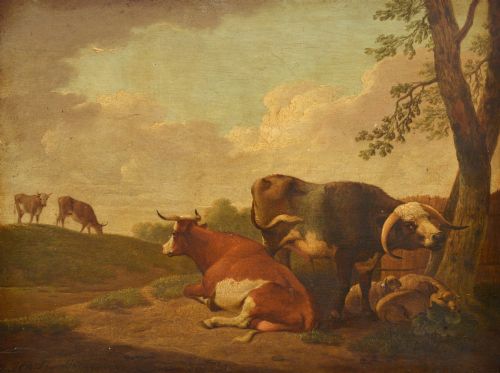
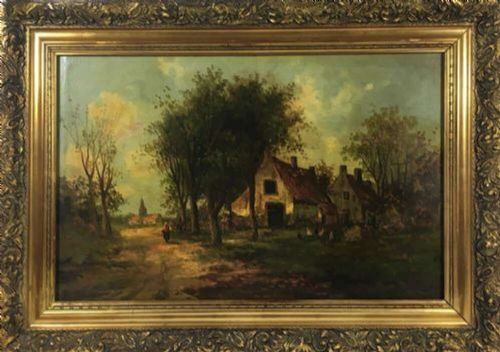
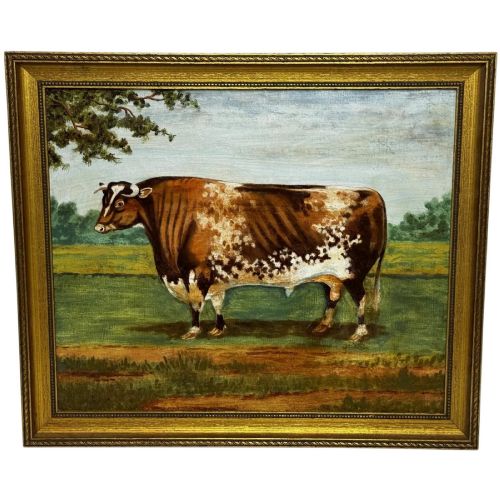
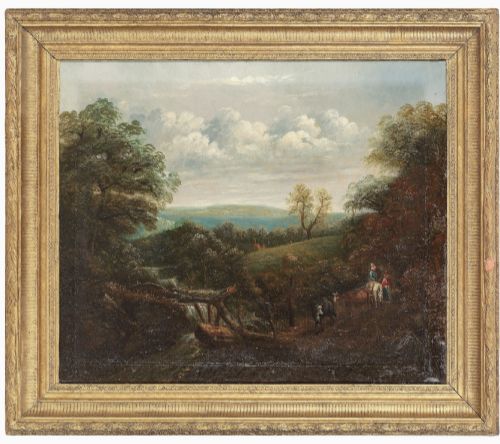
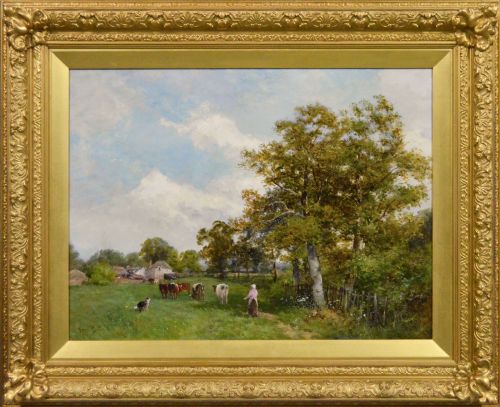
Pastoral landscape art captures scenes of agrarian life, featuring figures near harvest fields, shepherds tending flocks, and cattle resting in woodland settings. The works span from the seventeenth century through the early twentieth century, reflecting shifting European and British traditions of rural depiction.
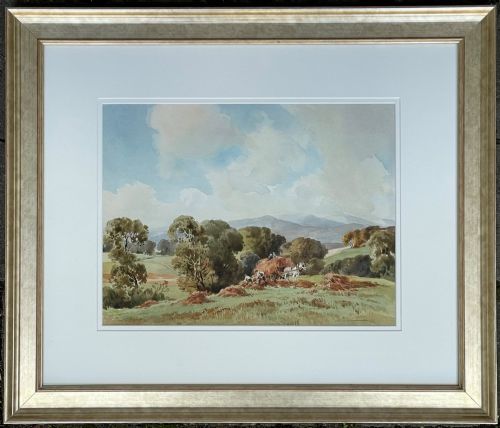
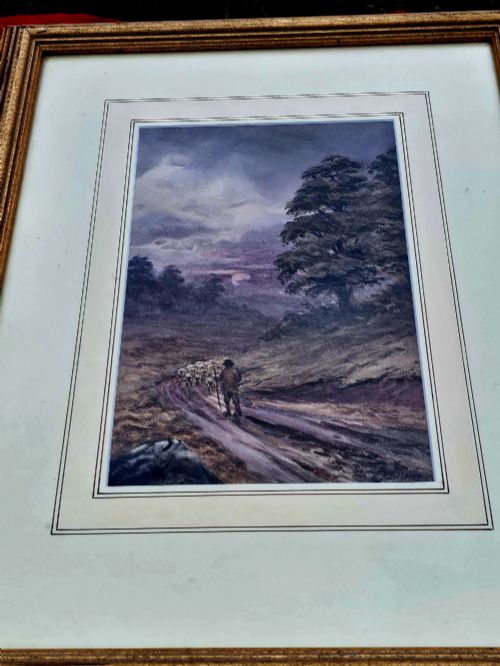
You will most frequently encounter oil paintings on canvas and wood panels, alongside watercolours on paper and occasional wall tapestries. These pieces range from naive folk art depictions to structured canvases by recognised nineteenth-century schools.
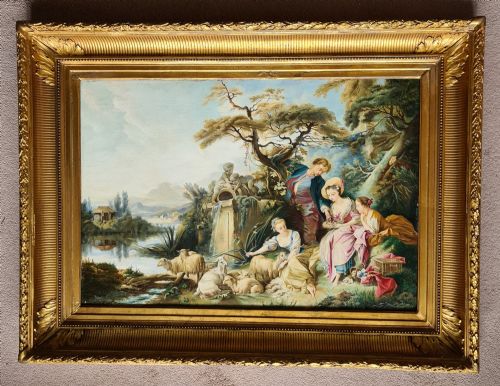
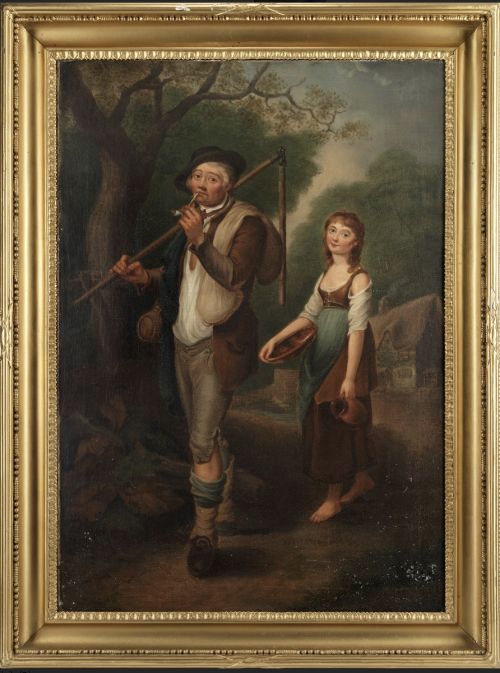
Subjects often centre on domestic animals, river landscapes, and figures engaged in quiet rural tasks like herding sheep to market or collecting water. They offer a tangible connection to historical countryside aesthetics preserved through traditional painting media.
Materials and construction
The physical works rely primarily on oil on canvas or oil on wood panel, utilising layered pigments to build depth in foliage, skies, and animal forms. Watercolours on paper provide a lighter, more transparent medium frequently employed for topographical and rural studies.
Frames often incorporate giltwood and gesso, providing period-appropriate borders that complement the traditional subjects within the artwork. Wall tapestries introduce woven textile techniques utilising complex verdure designs to simulate lush outdoor scenery.
Pastoral Landscape Art Retail Price Guide 2026
Typical asking prices for pastoral landscape art among the pieces listed under this phrase on Sellingantiques today, from the lower quarter to the upper quarter. They describe what is for sale here now, not the wider market.
Stray wool fibres occasionally surface embedded in nineteenth-century pastoral oil paints, left behind by grazing sheep.
Distinctions in quality
Quality reveals itself in the handling of light, atmospheric perspective, and the anatomical accuracy of figures and livestock within the composition. Masterful brushwork brings texture to foliage and movement to water, whereas lesser examples rely on rigid repetition and flat planes.
The integration of the scene creates a cohesive atmosphere, where the placement of figures, animals, and landscape elements feels balanced and purposeful. Provenance and attribution to specific regional schools or named painters further distinguish the upper tiers of these works.
Eugène Verboeckhoven·Tom Campbell·Francois Boucher·John Horace Hooper·Hendrik Willem Schweickhardt·David Bates·Thomas Sidney Cooper·George Oyston
The Pastoral Landscape Art Glossary
- Wood Panel
- A rigid support base made from timber, commonly used for oil paintings before canvas became dominant and favoured for smaller cabinet works.
- Giltwood
- Timber carved and coated with gold leaf, frequently forming the decorative ornate frames found on traditional oil paintings.
- Gesso
- A plaster-like mixture applied to wood or canvas to prepare a smooth surface for painting or gilding.
- Verdure Tapestry
- A woven wall hanging featuring a predominant design of lush foliage, trees, and landscape scenery, often produced in French workshops.
- Pentimento
- A visible trace of an earlier painting, brushstroke, or adjustment that the artist painted over, revealing part of the creative process.
Pastoral Landscape Art: Frequently Asked Questions
What subjects appear in pastoral art?
These works depict rural scenes populated by farm animals, shepherds, milkmaids, and agricultural workers tending fields or riversides. The compositions emphasise quiet country existence over grand historical narratives.
Animals like cattle and sheep feature prominently alongside wooded paths, country lanes, and pastoral valleys.
How do I date a pastoral painting?
Dating relies on stylistic clues, framing materials, and the preparation of the canvas or wood panel support. Artists often signed and dated their works directly or left inscriptions on the reverse.
Comparative analysis with known regional schools helps narrow down the active period of anonymous or naive creators.
Where were these artworks created?
The pieces originate from various European traditions, with a strong representation of British, Flemish, French, and Italian schools. Regional art centres fostered distinct approaches to capturing natural light and rural topography.
Grand Tour travellers also brought home continental landscapes that reflected idealized foreign vistas.
How should I display a watercolour?
Watercolour paintings on paper require protection from direct sunlight to prevent fading of the delicate pigments. Framing behind conservation-grade glass with adequate mount spacing preserves the paper support.
Stable room humidity prevents warping of the paper and protects the surrounding giltwood or wooden frames.