

Pastel Wall Art
Pastel wall art brings delicate dry-pigment portraits, landscapes and animal studies into interiors, offering a direct record of historic hands and materials.
Pastel Wall Art
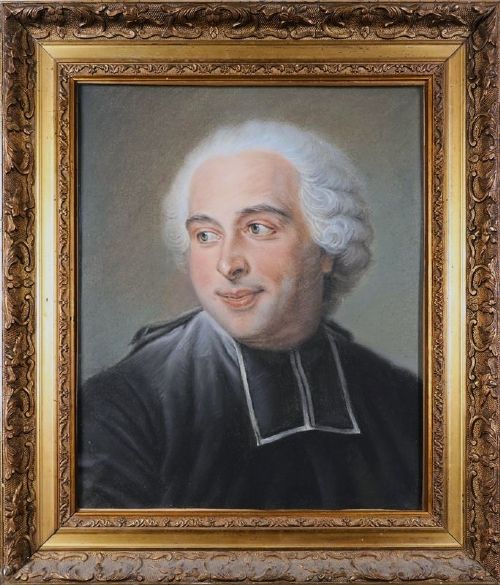
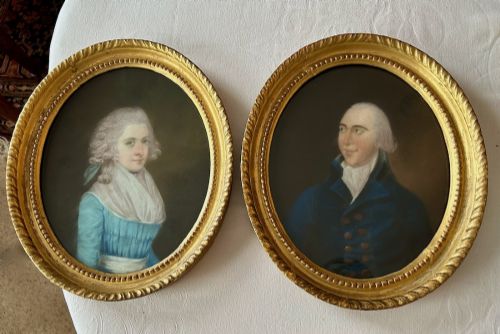
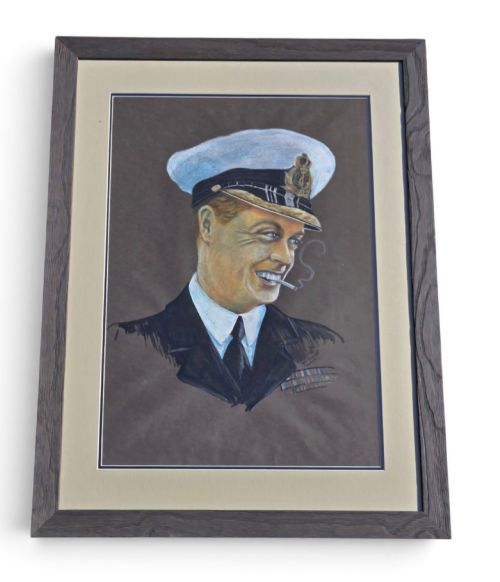
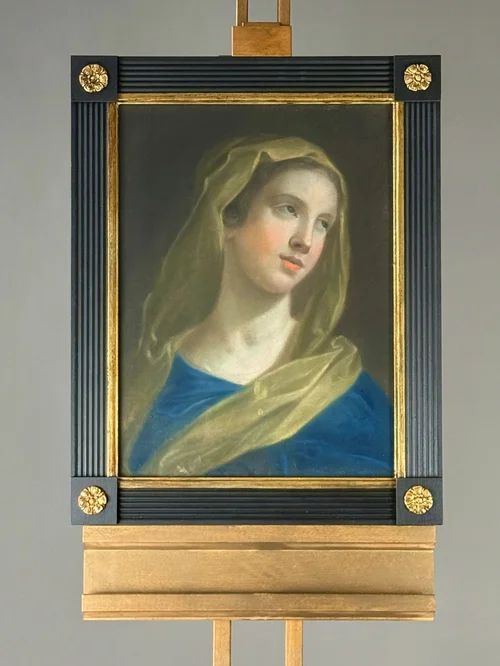
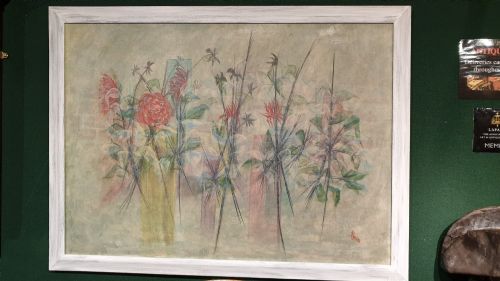
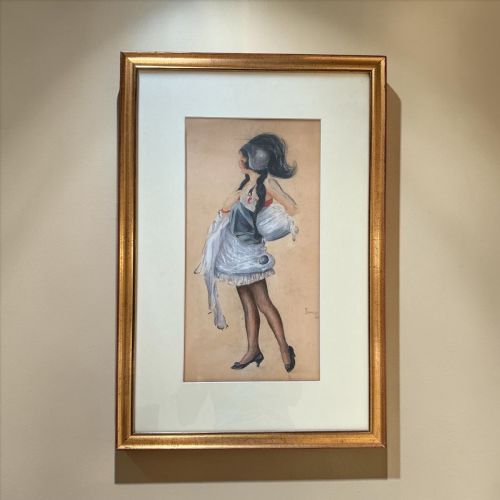
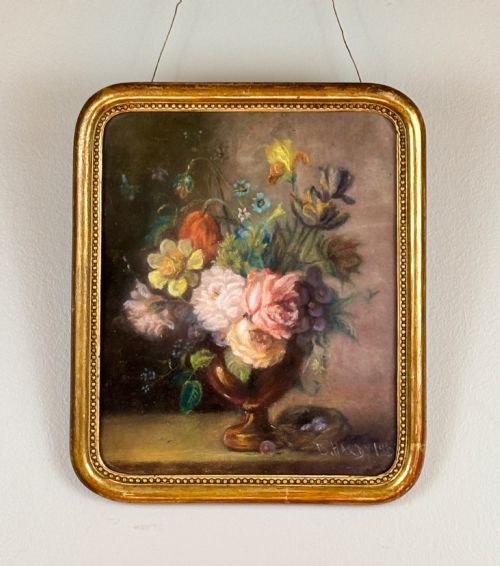
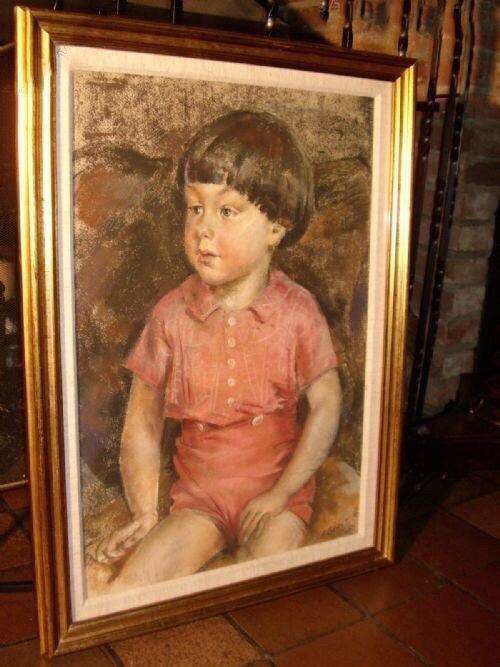
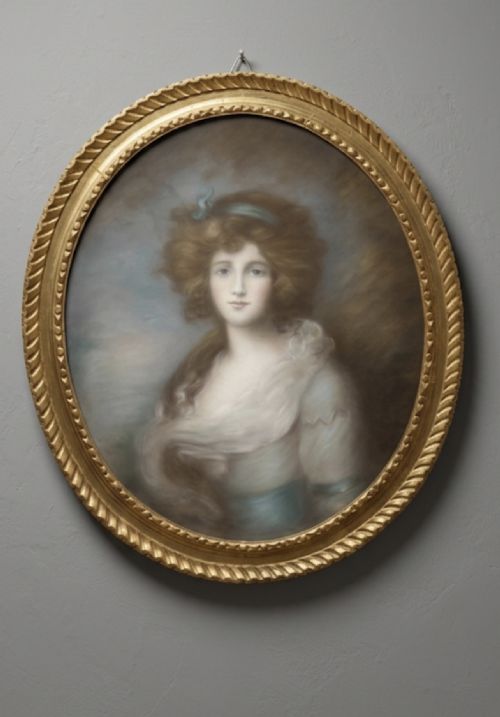
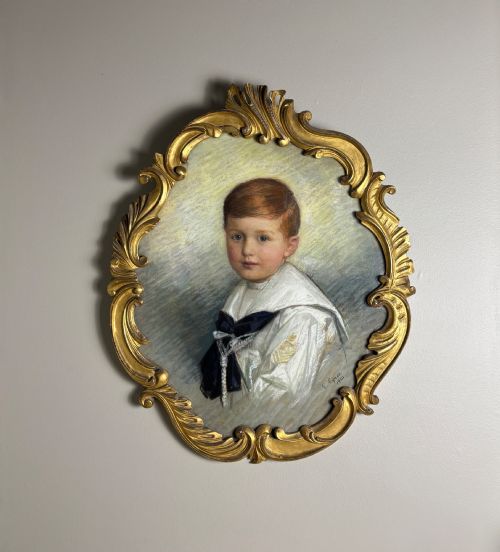
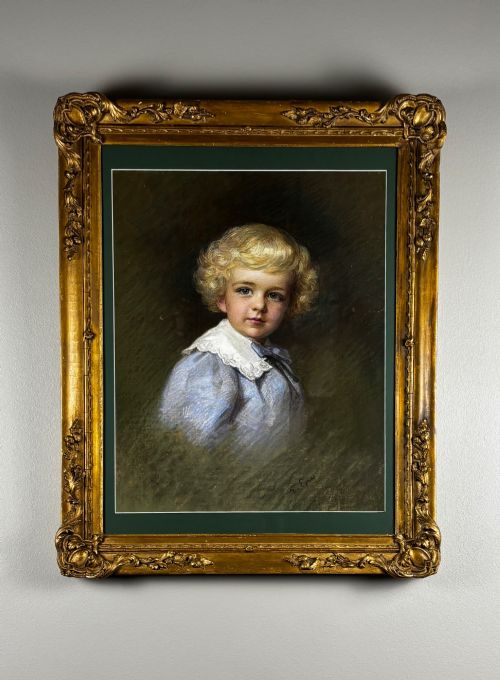
When buyers search for pastel wall art, they encounter historic works spanning the eighteenth century through to the mid-twentieth century. The selection leans heavily toward individual portraits, alongside equestrian studies, landscapes and still life compositions.
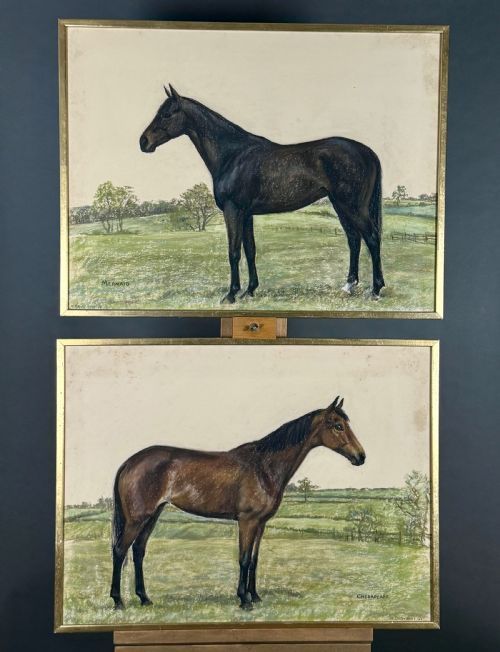
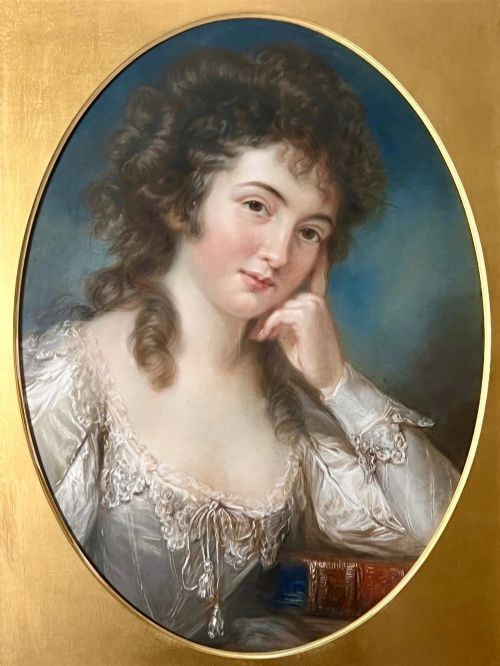
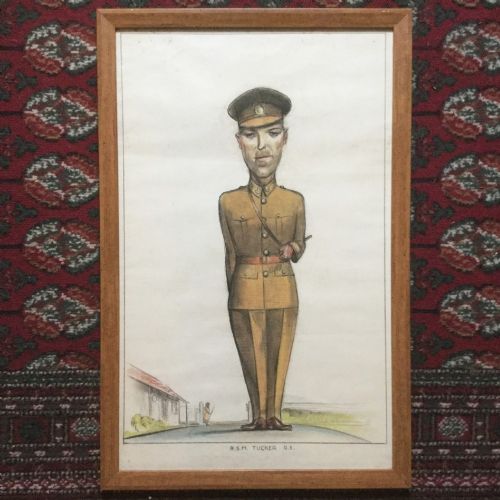
Portraits of figures, from gentlemen and young ladies to specific historical subjects, appear frequently alongside animal studies such as horses, dogs and deer. Works range from intimate miniature ovals to large framed statement pieces.
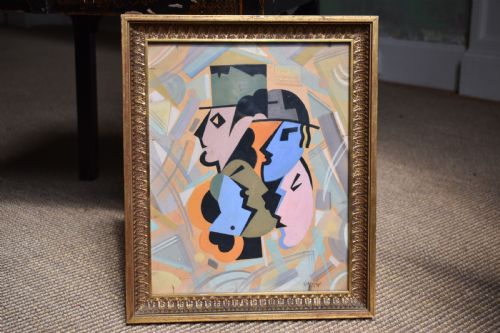
The assortment draws on several design traditions, encompassing Georgian, Victorian, Edwardian, Art Deco and Mid-Century Modern aesthetics. French School and English Country House pieces also populate the selection.
Materials and Techniques
Artists executed these works using pastel, chalk and gouache pigments applied to paper, coloured paper or canvas supports. Many examples incorporate mixed media, combining pastel with watercolour or gouache to build depth and contrast.
Protection under glass is essential for these fragile dry-pigment surfaces to prevent smudging and environmental damage. Frames frequently utilise wood, giltwood or walnut mouldings appropriate to the period of creation.
Listings feature works created across three centuries, spanning eighteenth-century portraits to mid-twentieth-century landscape paintings.
Determinants of Quality
Execution and draughtsmanship separate works of distinction from routine examples, particularly in the rendering of facial expressions, anatomy and light. Signed pieces by recorded artists carry greater weight than anonymous student output.
Condition of the pigment and paper surface determines longevity, as unstable dry medium requires careful preservation. Original period framing under protective glass also preserves the integrity of the piece.
Maurice Quentin de la Tour·Emily Eyres·Benedetto Luti·John Russell R.A.·John Rattenbury Skeaping
The Pastel Wall Art Glossary
- Pastel
- A dry painting medium composed of powdered pigment and a binder, shaped into sticks. It produces velvety textures and luminous colour blending.
- Gouache
- An opaque water-based paint often used alongside pastels to add highlights and solid colour areas. It dries to a matte finish.
- Giltwood
- Wood carved and coated with gold leaf or a gold-coloured metallic finish. It frames many traditional artworks from the Georgian and Victorian eras.
- Equestrian study
- An artwork depicting horses, riders or racing scenes. These studies test an artist's grasp of animal anatomy and movement.
- Portrait
- A painting or drawing depicting a specific individual. Historic portraits capture the sitter's likeness and social standing.
Pastel Wall Art: Frequently Asked Questions
Are pastels considered paintings or drawings?
Art historians and collectors often categorise pastel works as both, depending on the density of pigment coverage. When the artist covers the entire support with layered pigment, it functions as a painting.
Lighter applications where the paper shows through are frequently termed drawings or sketches. Both forms share the same fragile dry-medium characteristics.
How should I frame historic pastel art?
Traditional framing requires a spacer or mount to ensure the glass does not touch the delicate pastel surface. Trapped condensation can ruin the loose pigment instantly.
Matching the frame to the period of the artwork, such as a giltwood or walnut moulding, preserves its historical context. Ensure the backing board is archival quality.
Why are many pastels portraits?
The medium gained popularity in European courts and fashionable circles for its speed and lifelike flesh tones. Artists could capture rapid, vibrant likenesses before photography existed.
Commissioned portraits recorded family lineages, military officers and public figures. These works provide an intimate window into historic fashion and society.