
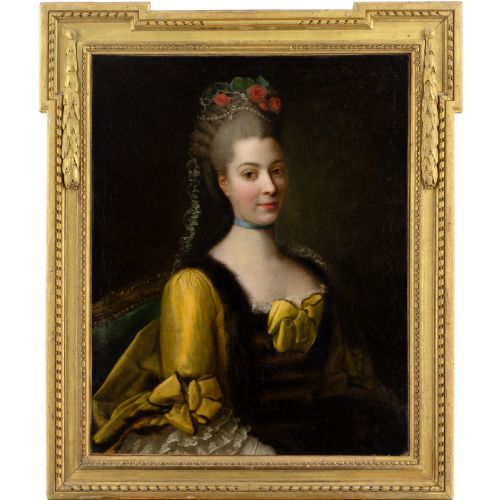
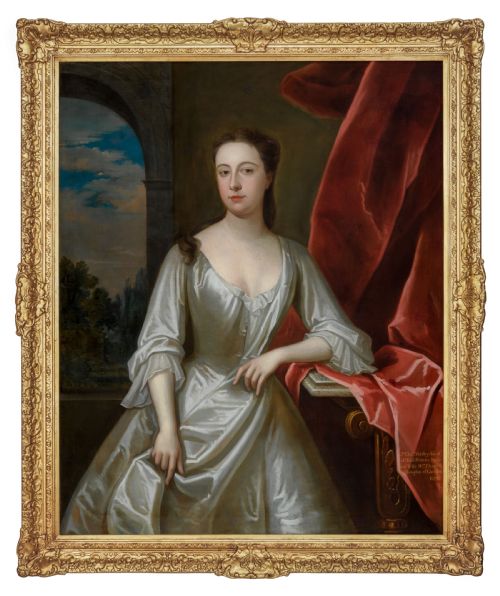
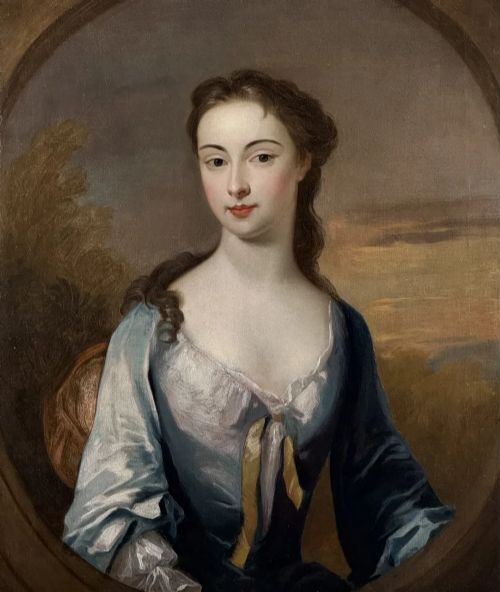
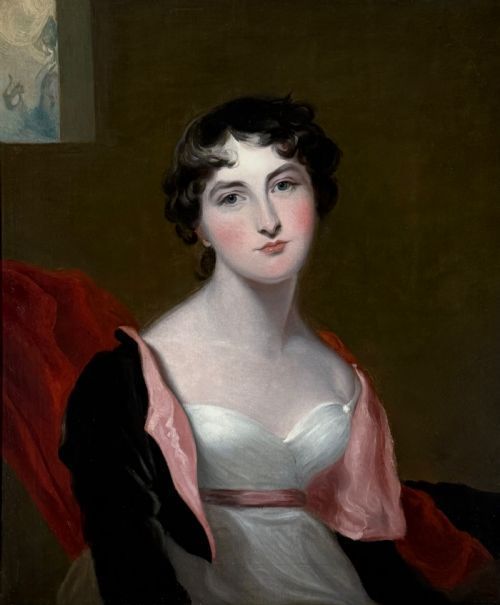
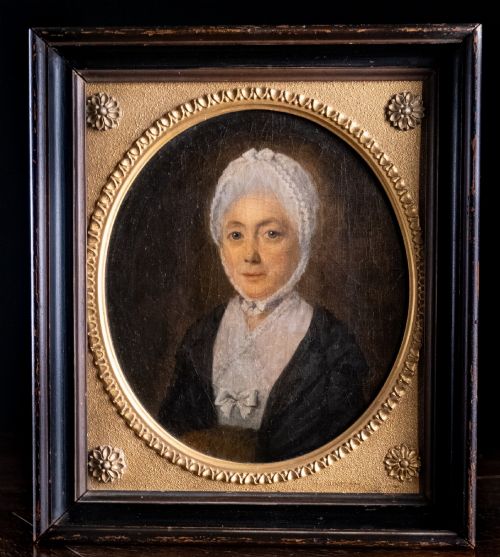
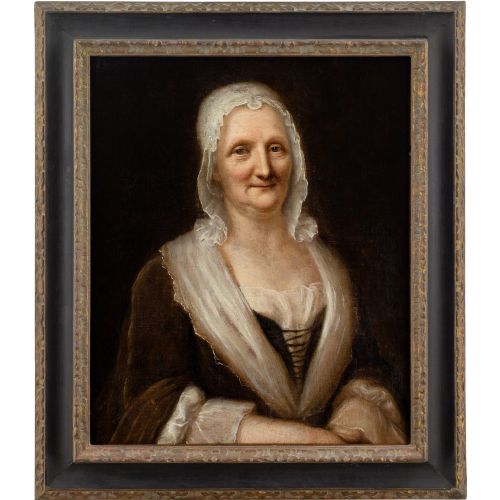
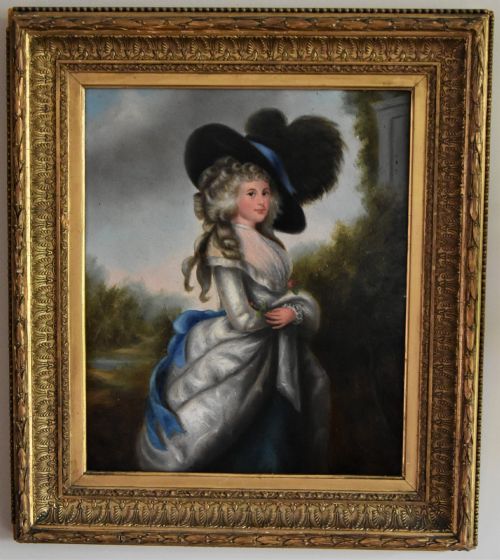
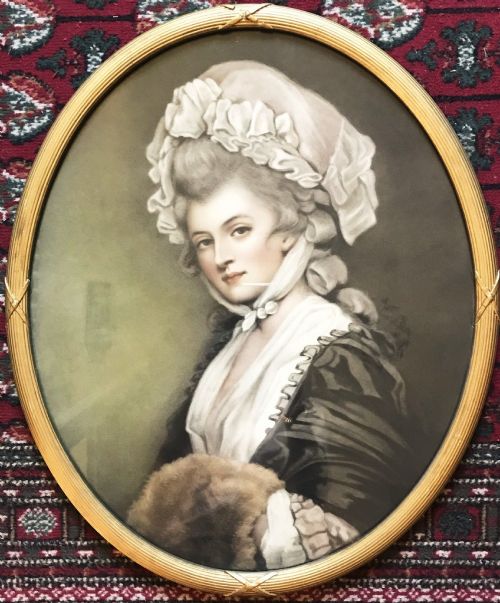
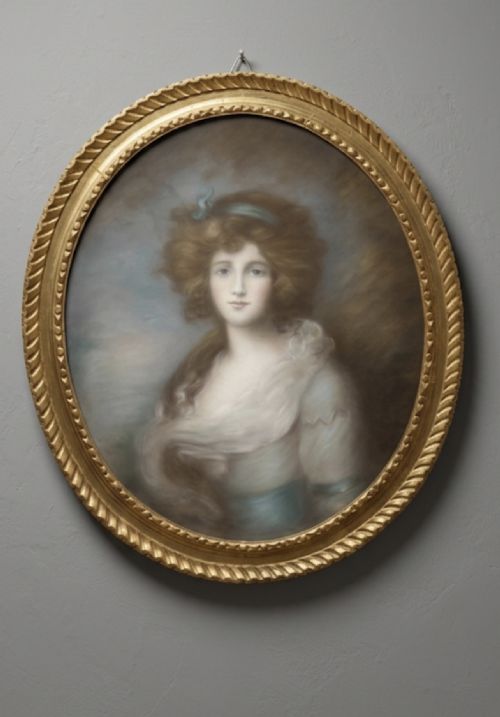
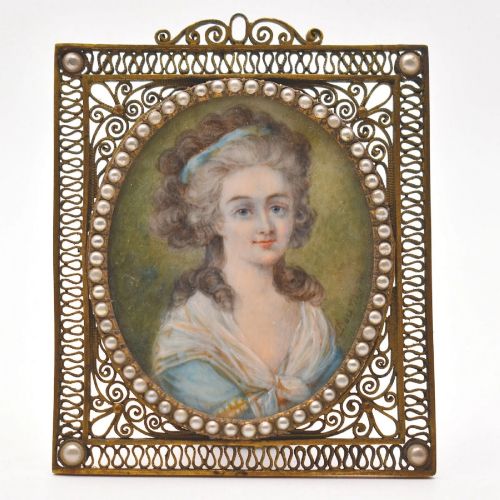


Georgian Portrait of Woman
When you search for georgian portrait of woman, you enter a world of painted aristocratic ladies, delicate miniatures and canvas oils from past centuries.
Georgian Portrait of Woman
A georgian portrait of woman captures female subjects in oils, pastels, watercolours and gouache across various centuries, with eighteenth-century canvases and nineteenth-century interpretations dominating the works you meet on this page.
Subjects range from aristocratic ladies and named sitters in blue dresses or lace to seated figures in landscapes, aristocratic ladies, and miniature studies framed in wood, giltwood, or seed pearl frames.
The selections span distinct periods including the Georgian and Regency eras, alongside later nineteenth-century pieces painted after earlier masters or executed in specific historical styles.
Materials and Technique
Makers utilised oil paint on canvas or board as the primary medium, building rich colour and depth for larger works, whilst smaller formats relied on delicate watercolour, gouache, and pastel applied to paper, ivory, or porcelain plaques.
Frames play an integral role in construction, utilising materials such as carved giltwood, ebony, maple, and specialised miniature mountings adorned with seed pearls and gold settings.
Techniques varied from direct observation by named artists and studio circles to careful copying after celebrated portraitists like Thomas Gainsborough and Sir Godfrey Kneller.
Several ladies gaze out across the centuries holding flowers, wearing bonnets, or clutching a pet, forever caught mid-pose in their Sunday best.
Markers of Quality
Quality rests in the precision of the brushwork and the psychological depth of the sitter's expression, separating master-painted oils and detailed miniatures from generic decorative output.
The preservation of the original surface, pigment vibrancy, and the integrity of the period frame contribute heavily to the standing of any given work.
Attribution to documented artists, studio circles, or recognised historical schools elevates a piece above anonymous works of the same era.
Sir Godfrey Kneller·Charles Jervas·Sir Thomas Lawrence·William Naish·Emma Kendrick·Louis William Desanges·William Owen·Thomas Murray·Balthasar Denner·Tilly Kettle
The Georgian Portrait of Woman Glossary
- Portrait Miniature
- A small-scale painting executed on materials like ivory, vellum, or card, often housed in a protective case or wearable frame. These intimate works required immense precision with microscopic brushes.
- Gouache
- An opaque water-based paint that provides solid, flat areas of colour and sharp detail. It frequently appears alongside pastel and watercolour in nineteenth-century works on paper.
- Giltwood
- Wood carved and coated with a thin layer of gold leaf or gesso preparation. It forms the lustrous borders characteristic of period frames.
- Pastel
- A dry medium of powdered pigment bound into sticks, allowing for soft blending and luminous skin tones. It was widely used for rapid yet detailed likenesses.
- Provenance
- The documented history of ownership surrounding a work of art. It helps establish authenticity and trace the lineage of a sitter.
Georgian Portrait of Woman: Frequently Asked Questions
What is a portrait miniature?
A portrait miniature is a small, highly detailed painting, usually created during the eighteenth or nineteenth century on ivory, card, or vellum.
These pieces were often kept as personal tokens of affection or worn as jewellery, showcasing exceptional fine-line technique by specialist artists.
How do I identify a Georgian portrait?
Georgian portraits typically feature sitters in period attire such as lace collars, silk gowns, or riding habits, often accompanied by characteristic hairstyles and powdered wigs.
Examining the canvas preparation, stretcher frames, and the style of handwriting on any inscriptions helps confirm the era.
Are these paintings original works?
The listings include both original period paintings executed from life and later works created after earlier masters by subsequent artists.
Descriptions specify whether a piece is an original contemporary painting or a later tribute in the style of a prominent historical painter.
How should I care for an antique oil painting?
Antique oil paintings require stable environmental conditions away from direct sunlight, extreme temperature fluctuations, and high humidity to prevent canvas slackening and paint cracking.
Dusting should be done gently with a dry, soft brush without applying cleaning solutions to the aged paint surface.