
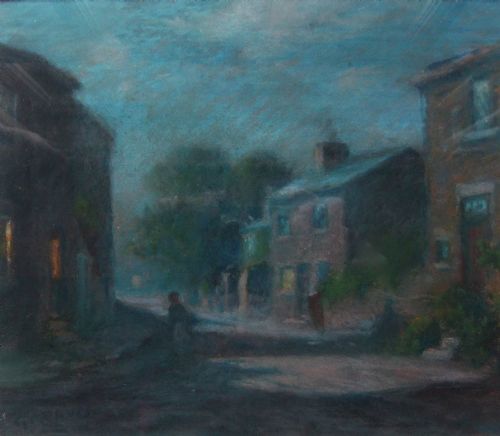


Pastel Paper Artwork
Pastel paper artwork captures subjects from 18th-century portraits to mid-century cityscapes with immediate colour and line.
Pastel Paper Artwork
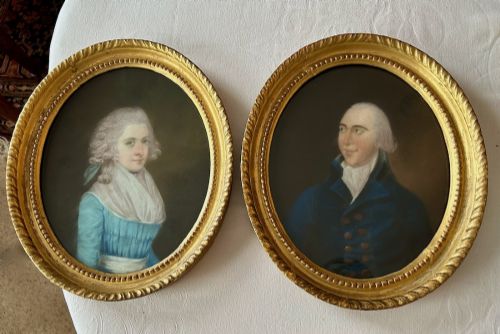
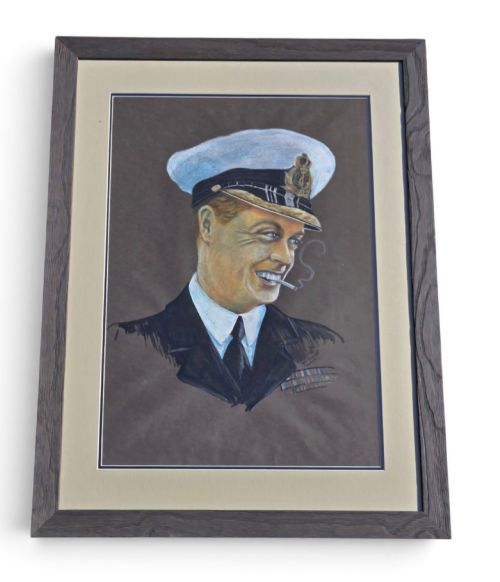
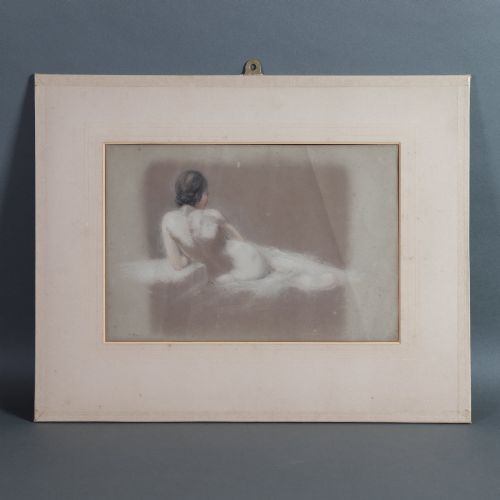
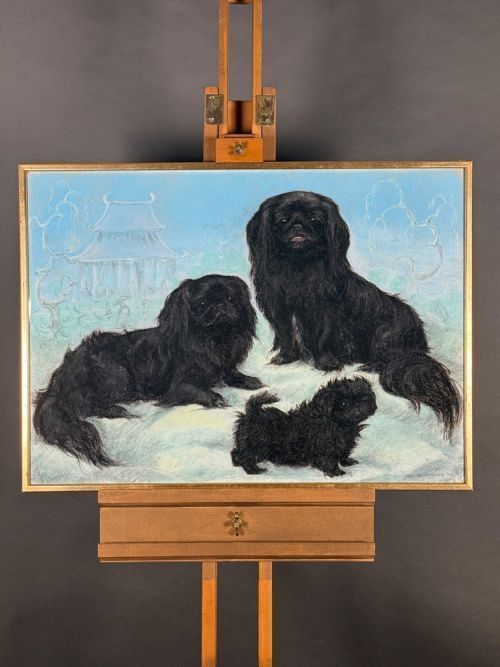
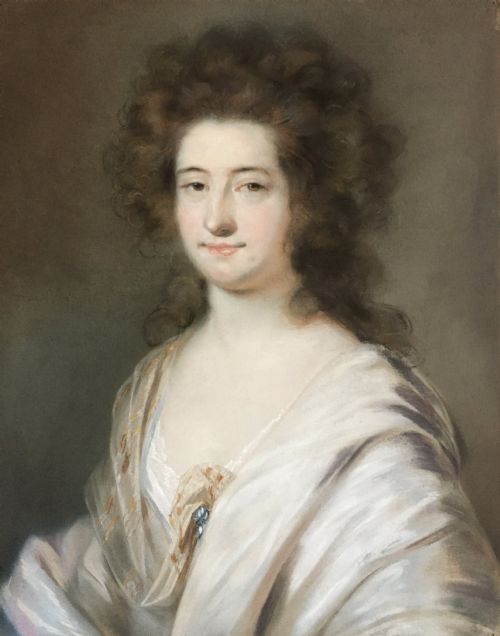
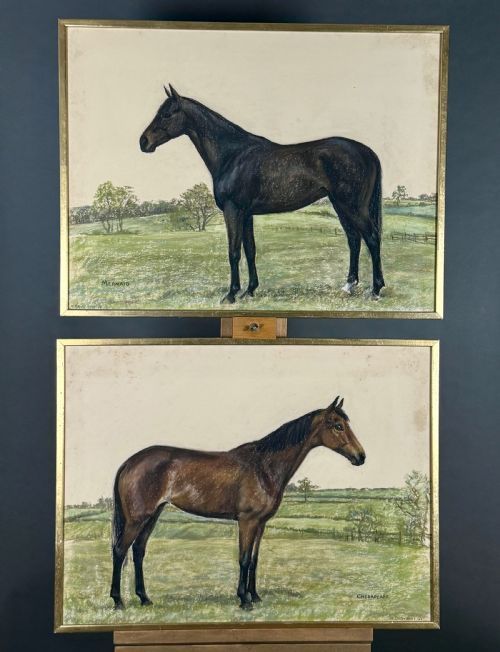
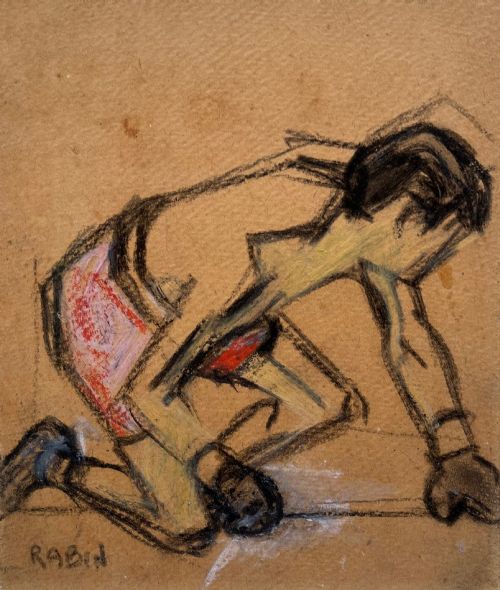
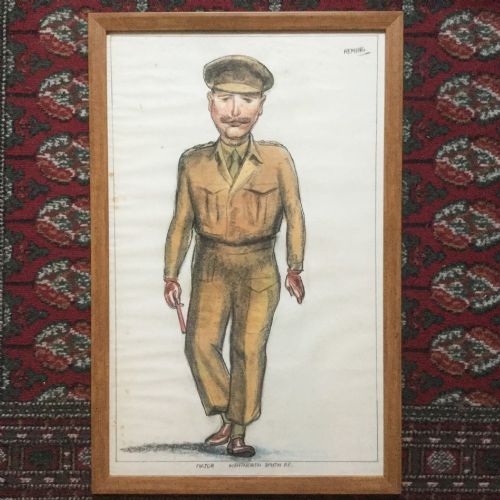
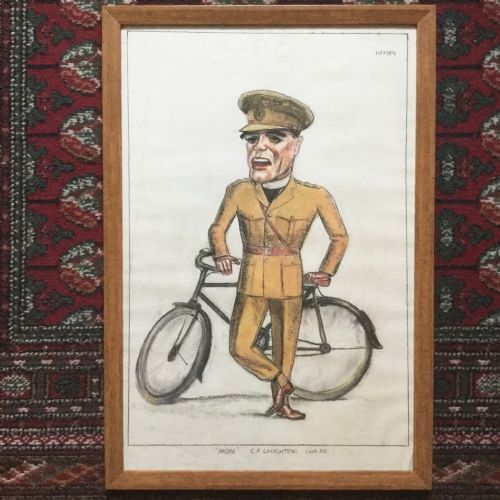
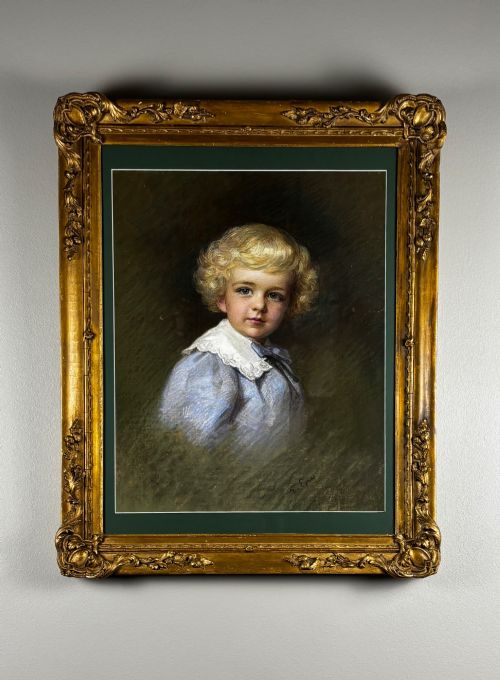
When you search for pastel paper artwork, you encounter a diverse range of works on paper spanning from the eighteenth century to the mid-twentieth century. These pieces encompass framed original wall art, including detailed pastel portraits, equestrian studies, and atmospheric landscapes.
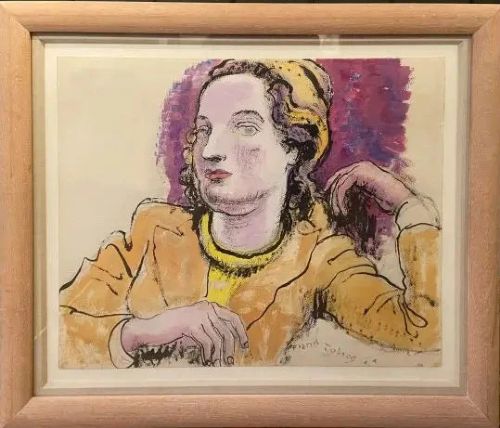
The selections you are most likely to meet on this page lean heavily towards portrait paintings and drawings from the nineteenth and twentieth centuries, often framed alongside mixed media pieces that combine pastel with watercolour, gouache, or charcoal.
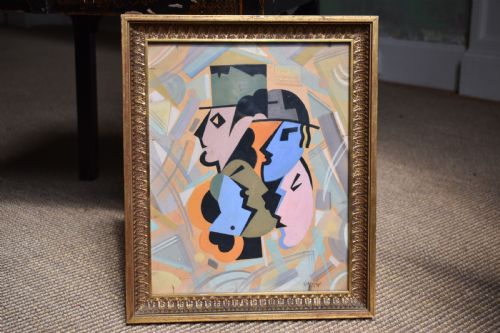
Subjects range widely from formal Regency and Victorian likenesses to briskly handled Modern British and Post-Impressionist street scenes, still lifes, and animal studies.
Materials and techniques
These works rely on dry pigments applied directly to paper or prepared tinted surfaces, sometimes augmented with charcoal, chalk, or underlying watercolour washes to build depth and tone.
Because pastel dust is notoriously fragile and easily displaced by friction, framing under protective glass with proper spacers is essential to preserve the integrity of the delicate pigment particles over generations.
The inventory spans Victorian, Georgian, Art Deco, Post-Impressionism, and Mid-Century Modern styles.
Judging quality
Quality in these works rests on the surety of the draughtsmanship and the preservation of the pigment's fresh bloom, distinguishing confident, spirited marks from timid or overworked applications.
The strength of the framing, particularly the presence of period giltwood or matching mounts that protect the fragile paper surface without compressing it, contributes significantly to the integrity of the piece.
Herskind·William Etty·Frank Dobson·Samuel Rabin·John Rattenbury Skeaping·Arthur Todd·Adrian Heath·Denis William Reed·Lena M Alexander·Aubrey Sykes·John Parry·Angus Rands·Lamorna Birch·George Richmond
The Pastel Paper Artwork Glossary
- Pastel
- A dry painting medium consisting of powdered pigment and a binder rolled into sticks. It offers rich, direct colour with a velvety texture.
- Gouache
- An opaque water-based paint often combined with pastel in mixed media studies. It provides solid highlights and dense planar areas.
- Giltwood
- Carved wood treated with gold leaf, frequently seen on the traditional frames housing these works. It adds a warm metallic border.
- Post-Impressionism
- An art movement extending beyond Impressionism that prioritised expressive forms and symbolic use of colour. It is well represented in mid-century landscapes.
- Draughtsmanship
- The skill of drawing and rendering form accurately on paper. It forms the structural backbone of any successful pastel composition.
Pastel Paper Artwork: Frequently Asked Questions
Why are these works framed under glass?
Pastel pigment sits loosely on the paper support without a heavy liquid binder to glue it down permanently. Glass acts as an essential physical barrier against accidental smudging and atmospheric dust.
Without this protection, the slightest touch can permanently disturb the fine chalky marks and ruin the composition.
Can I hang pastel art in direct sunlight?
You must avoid placing these works in direct sunlight because early pigments used in pastels are sensitive to ultraviolet light. Prolonged exposure causes the vibrant colours to fade and lose their original tonal balance.
Positioning them on interior walls away from direct windows ensures the longevity of both the paper and the dry medium.
How do I distinguish chalk from pastel?
Chalk is generally harder, leaner, and used primarily for linear underdrawing or monochrome sketches. Pastel contains a higher ratio of pure pigment to binder, yielding a softer consistency and much broader colour range.
Many historic pieces on this page cleverly combine both mediums to establish firm structure alongside rich fields of colour.