



Pastel Rug
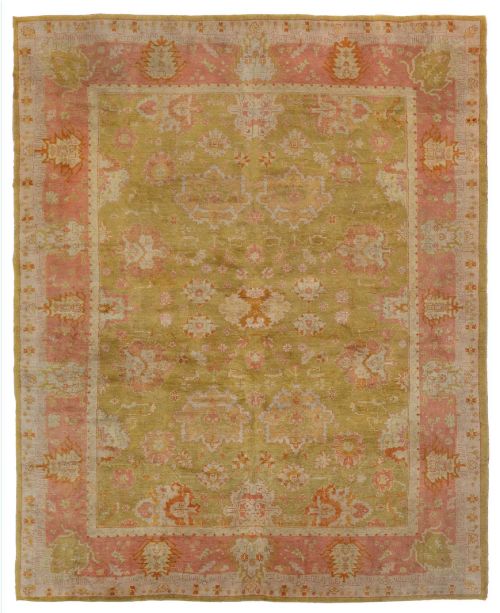
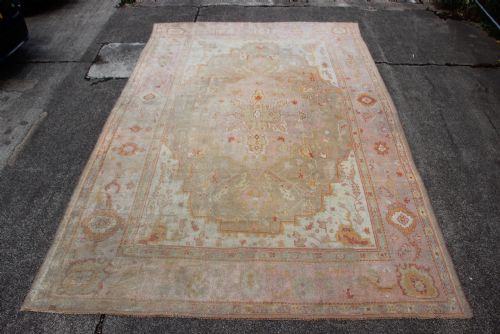
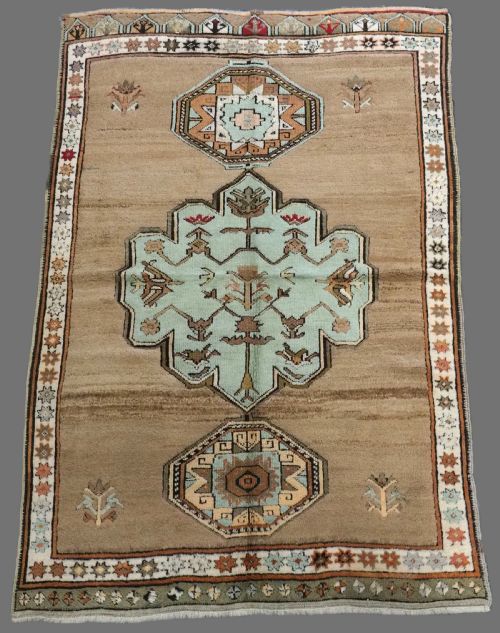
These pastel antique rug examples offer faded tones and traditional motifs, bringing gentle character and warmth to a room.
Pastel Rug
A pastel antique rug brings faded tones and historical patterns into a room, often featuring softer palettes developed through age and natural wear. When you search for a pastel antique rug, you will encounter various regional styles spanning from the middle of the nineteenth century through the early twentieth century.
Oushak carpets appear frequently, known for large-scale designs and muted shades. These floor coverings bridge traditional craftsmanship with interior aesthetics favouring softer colour schemes.
How they were made
Weavers constructed these rugs using wool, camel wool, cotton and silk fibres. Wool and camel wool provided durable foundations for floor carpets, whilst silk appeared in finer regional pieces such as Kayseri prayer rugs.
Traditional hand-knotting and flatweaving techniques created the dense piles and flat surfaces seen across the periods. Natural dyes mellowed over decades to produce the muted pinks, pistachios, aquramarines and light reds characteristic of these textiles.
Pastel Rug Retail Price Guide 2026
Typical asking prices for pastel rug among the pieces listed under this phrase on Sellingantiques today, from the lower quarter to the upper quarter. They describe what is for sale here now, not the wider market.
Materials recorded in these listings include wool, cotton, camel wool and silk across pieces dated between 1850 and 1920.
What varies in quality
Knot density and material selection dictate the structural refinement of each piece, with silk and fine wool foundations allowing for intricate detail in medallion and repeat designs. Regional workshops employed different standards of preparation, from robust village weaving to finer city production.
The preservation of the pile and the integrity of the original borders influence the overall character. Even wear can enhance the gentle tones of a faded palette, whereas structural loss alters the stability of the textile.
Benlian
The Pastel Rug Glossary
- Medallion design
- A central ornamental motif forming the focal point of the carpet field. This layout appears frequently in Turkish and Persian regional weaving.
- Prayer rug
- A smaller format rug featuring a mihrab or niche design historically oriented towards Mecca during prayer. These pieces often display specific architectural arches.
- Kilim
- A flatwoven textile produced without a pile by tightly interweaving warp and weft threads. Examples include Bessarabian and Sharkoy types.
- Pile
- The upright yarn loops forming the soft surface of a knotted rug. Different heights affect the texture and drape of the textile.
- Warp
- The vertical foundation threads stretched tightly on the loom before weaving begins. Weft threads pass horizontally through these structural elements.
Pastel Rug: Frequently Asked Questions
Where were these rugs made?
The pieces originate predominantly from weaving centres across Turkey, including Oushak, Konya Karapınar, Kayseri, Sivas, Panderma, Kula and Isparta. Additional examples come from Persian workshops like Tabriz and Bijar, alongside European locations.
Production methods varied by region, utilising local materials ranging from sturdy village wool to fine silk.
How do I care for an old rug?
Protect the textile by placing it in areas with moderate foot traffic and away from direct sunlight to preserve the faded dyes. Regular gentle vacuuming without a beater bar prevents dust accumulation in the fibres.
Professional cleaning suited to antique wool and silk should be used periodically to maintain the condition of the weave.
What is an Oushak carpet?
Oushak carpets originate from the historic Turkish town of Ushak and are recognised for their larger scale designs and softer colour palettes. They often feature large floral motifs or central medallions rendered in muted tones.
These carpets became popular in Western interiors for their ability to complement diverse decorative schemes.
How can I date a rug?
Dating relies on stylistic analysis, material composition, and structural characteristics associated with specific manufacturing periods. Pieces in this collection date from the mid-nineteenth century through the 1920s.
Natural dye variations and regional knotting techniques provide further clues to the age of each textile.