


Paris Cityscape Artwork
Paris cityscape artwork captures the enduring charm of French boulevards and river views through decades of changing artistic styles.
Paris Cityscape Artwork
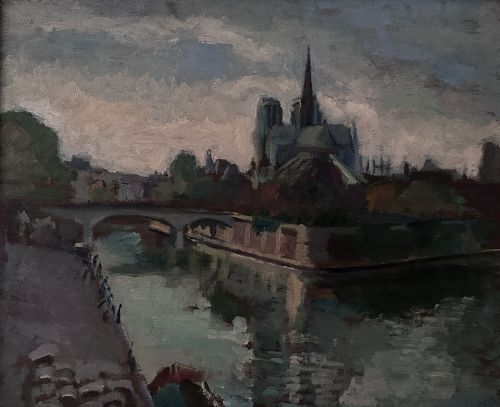
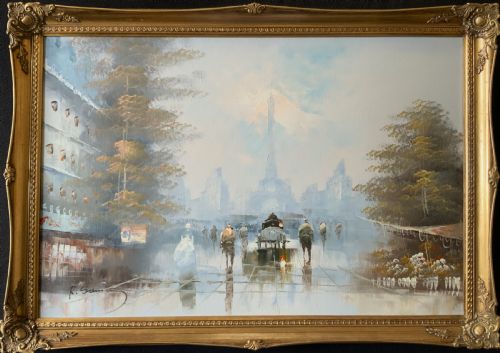
When you search for paris cityscape artwork, you encounter paintings, drawings, and watercolours depicting iconic urban landmarks like Notre Dame, the Eiffel Tower, and the River Seine. The selection spans the nineteenth century through to the mid-twentieth century, capturing the capital through various shifting artistic movements.
The most common versions met on this page are mid-century oil paintings and impressionist street scenes. These pieces frequently record famous monuments, bustling squares, and quiet quays under shifting seasonal light.
Makers and artists range from established European painters to atmospheric draftsmen working in oil, pastel, and watercolour. Each piece preserves a specific historical vantage point of Parisian life.
Factors of quality
Quality rests upon the artist's ability to render atmosphere, light, and perspective within the urban environment. Superior works demonstrate confident brushwork and a compelling compositional balance that draws the viewer into the street scene.
The integration of the original frame also affects the overall integrity of the piece. Period frames that harmonise with the era of the painting elevate the presentation and preserve the historic context.
Several artists captured Paris not just through grand boulevards, but by painting quiet moments featuring figures like Pierrot and Harlequin.
Lilian Colbourn·Caroline Burnett·Victor Gabriel Gilbert·Gabriel Dauchot·Ron Folland·Merio Ameglio·Eduard Leon Cortes·Noel Harry Leaver·Louis Icart
The Paris Cityscape Artwork Glossary
- Impressionism
- A nineteenth-century art movement characterised by relatively small, thin, yet visible brush strokes and an emphasis on accurate depiction of light. It forms the stylistic foundation for many Parisian street scenes.
- Post-Impressionism
- A predominantly French art movement that developed from about 1886 to 1905, extending impressionism while rejecting its limitations. Artists sought greater emotional and structural expression.
- Oil on Canvas
- A painting medium where pigments are bound with drying oil, stretched across a woven fabric support. This combination allows for rich blending and textured application.
- Pastel Drawing
- A work of art made in the shape of a dried paste stick of pure pigment and binder. It offers a velvety texture well suited to atmospheric urban views on paper.
- Gilt Wood
- Wood that has been treated with a thin layer of gold leaf or gold paint. It provides a classic, reflective border for traditional landscape and cityscape paintings.
Paris Cityscape Artwork: Frequently Asked Questions
How do I date a paris cityscape artwork?
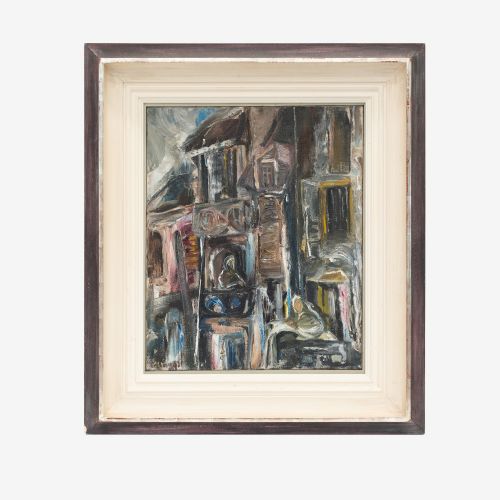
Dating relies heavily on stylistic clues, framing, signature styles, and recorded artist active dates. Mid-century pieces often exhibit bolder expressionist brushwork, whereas earlier nineteenth-century and belle epoque works favour softer impressionist lighting.
Examining the reverse of the canvas or board can sometimes reveal period gallery labels or inscriptions that narrow down the exact decade of creation.
Where should I hang a cityscape painting?
These works suit dining rooms, living spaces, or studies where traditional or mid-century interior design prevails. Positioning them away from direct sunlight protects the oil pigments and paper works from fading over time.
Pairing the piece with appropriate wall lighting enhances the textured brushwork and brings out the subtle tonal shifts in the Parisian sky and river water.
What is the difference between oil on canvas and oil on board?
Oil on canvas involves stretched fabric that yields slightly to the touch and often shows a characteristic woven texture beneath the paint layers. Board provides a rigid, completely flat support that painters frequently utilised for smaller, spontaneous plein-air studies.
Both methods were common across different periods, though canvas was typically reserved for larger, more finished exhibition pieces.
How do I care for antique watercolours and pastels?
Works on paper require framing behind glass with acid-free mounts to prevent moisture damage and paper degradation. Keeping them in rooms with stable humidity levels protects both the delicate pigments and the paper support.
Regular dusting of the frame and avoiding damp walls ensures the artwork remains stable for generations.