



Gold Framed Cityscape Art
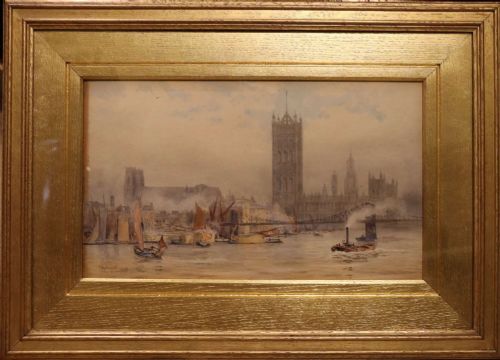
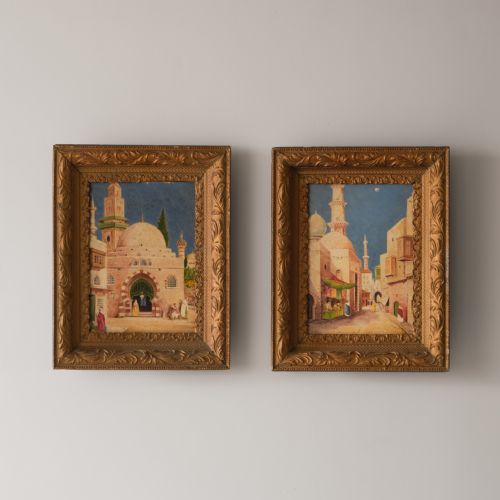
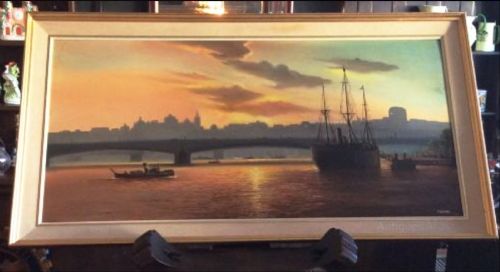
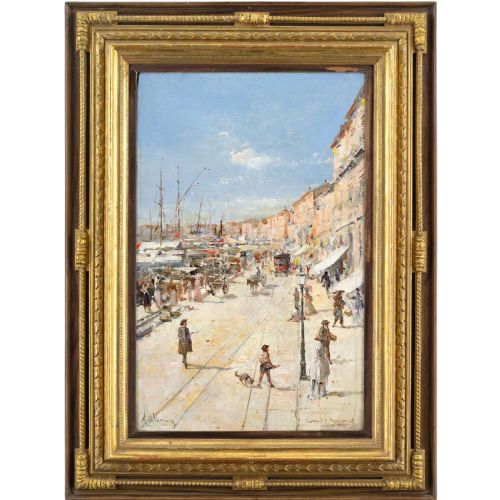
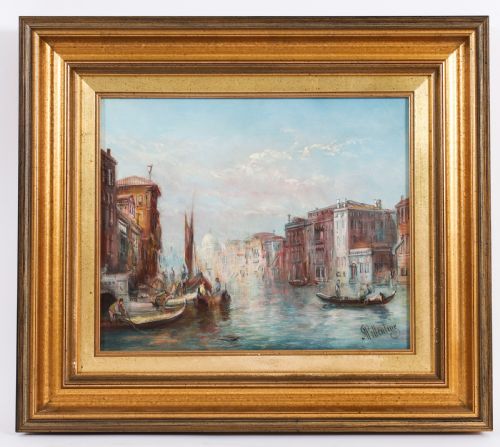
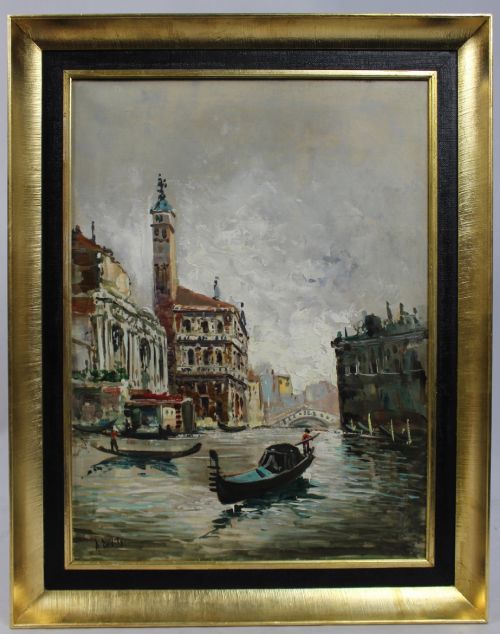
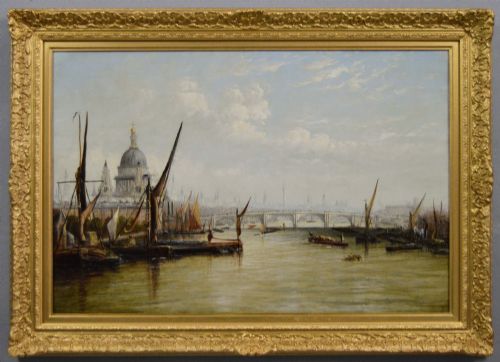
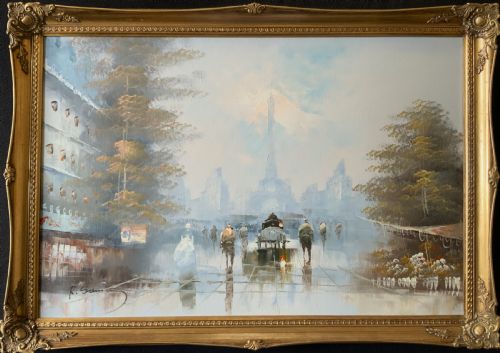
Gold framed cityscape art brings urban views into focus through oils and watercolours housed in gilded timber.
Gold Framed Cityscape Art
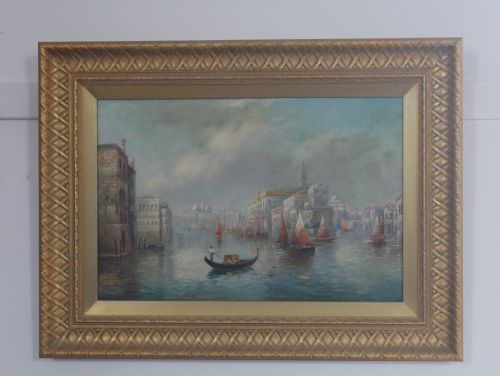
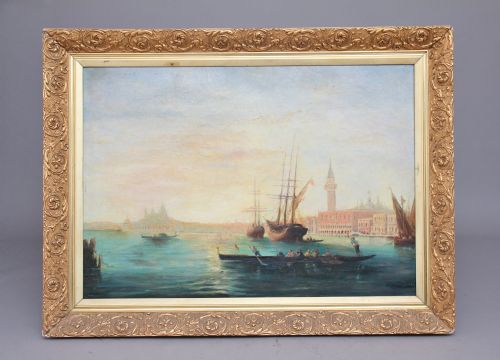
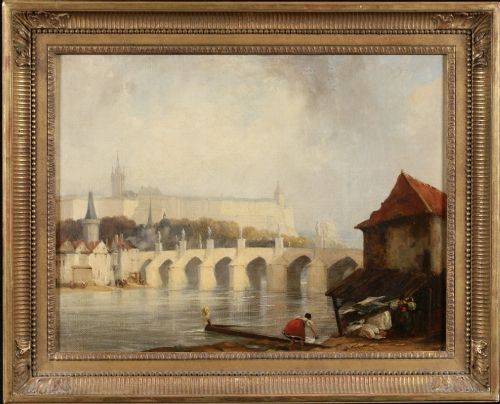
Gold framed cityscape art comprises paintings and watercolours depicting urban streets, canals, and architectural landmarks from the nineteenth century onward.
The selections available centre on European capitals and trading ports such as London, Paris, Venice, and Prague.
Most examples present oils on canvas or board alongside watercolours, each paired with wooden gilt frames.
Materials and construction
Artists applied oil paint or watercolour to stretched canvas, wooden panels, or paper supports.
Frames utilise wood finished with gilt, giltwood, or gilded surfaces to enclose the painted surface.
Spot the pigeons quietly roosting on the stone cornices of nineteenth-century Venetian palazzos.
Quality factors
Distinctions in quality rest upon the handling of light, perspective, and architectural detail within the painted urban scene.
The craftsmanship of the wooden frame, particularly the depth and carving of the gilding, distinguishes finer pieces.
Augusto Alberici·Alfred Pollentine·Antonio DeVity·Francis Moltino·Caroline Burnett·Victor Gabriel Gilbert·Merio Ameglio·Cornelis Christian Dommersen·Frederick Tully Lott·William George Meadows·Lewis J Wood·William Raymond Dommersen·Antonietta Brandeis·Antoine Bouvard Senior·Jane Vivian·Eduard Leon Cortes·Job de Vogel
The Gold Framed Cityscape Art Glossary
- Giltwood
- Wood that has been coated with gold leaf or a gold-coloured finish. This material forms the primary housing for many period paintings.
- Impressionism
- An art style characterised by relatively small, thin, yet visible brush strokes and an emphasis on accurate depiction of light. Mid-century examples appear frequently in urban views.
- Watercolour
- Paint consisting of colour suspended in a water-soluble vehicle. These works on paper offer delicate alternatives to heavy oils.
- Panel
- A flat piece of wood used as a support for painting instead of canvas. Several nineteenth-century urban scenes utilise this base.
Gold Framed Cityscape Art: Frequently Asked Questions
What periods do these paintings date from?
The works span from the nineteenth century through the mid-twentieth century, capturing various historical urban aesthetics.
Specific decades represented include the 1870s, 1880s, 19th century, and mid-century modern eras.
Which cities are most commonly depicted?
Venice and Paris appear frequently, showcasing canals, bridges, and bustling street scenes.
London and Prague also feature prominently among the architectural viewpoints.
How should I hang these framed works?
Ensure the wall support matches the weight of the solid wood and gilt frame.
Keep the artwork away from direct sunlight to protect the oil paint and gilded surfaces.
What materials are used for the frames?
Frames are constructed from wood finished with genuine gilding or gold leaf.
These surrounds are built to complement the period and style of the painting within.