

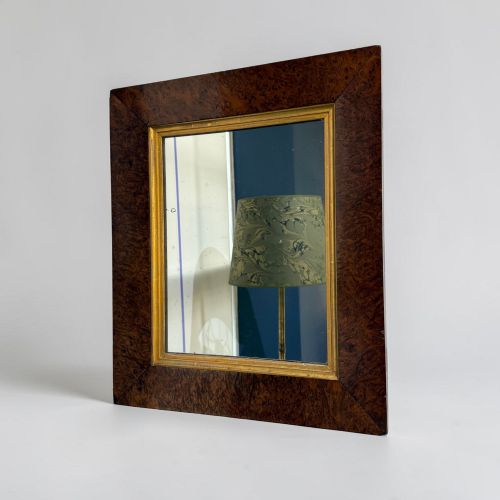
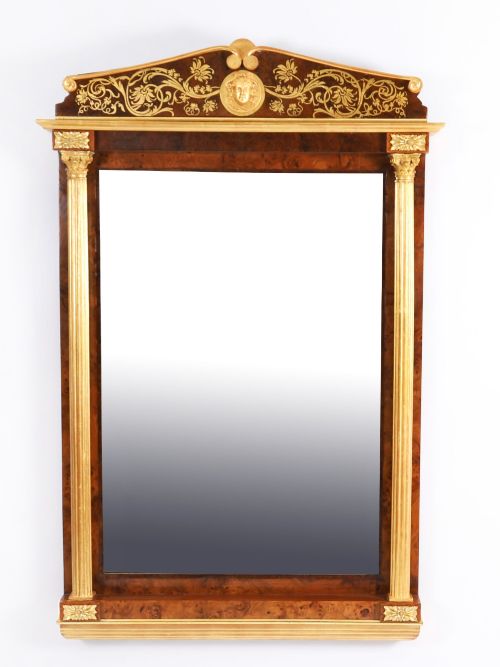
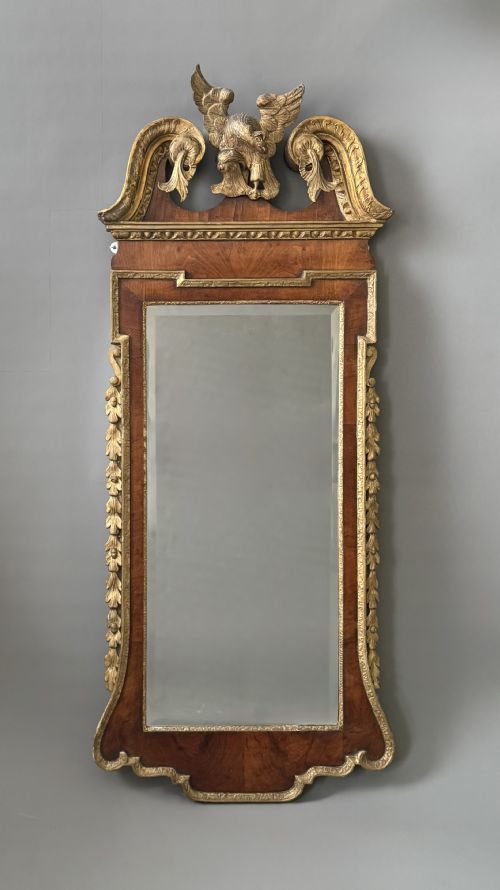
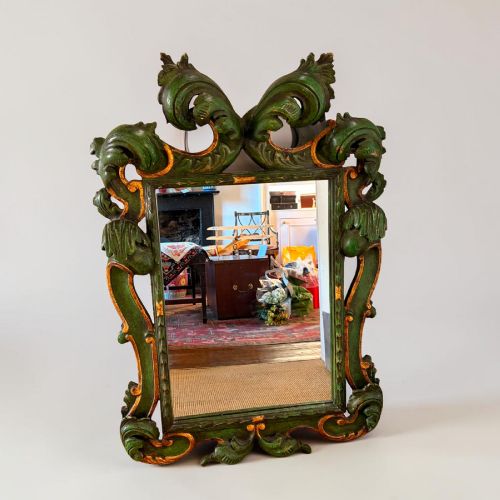


Parcel Gilt Mirror Frame
A parcel gilt mirror frame brings selective metallic warmth to wood surfaces, catching light across carved details.
Parcel Gilt Mirror Frame
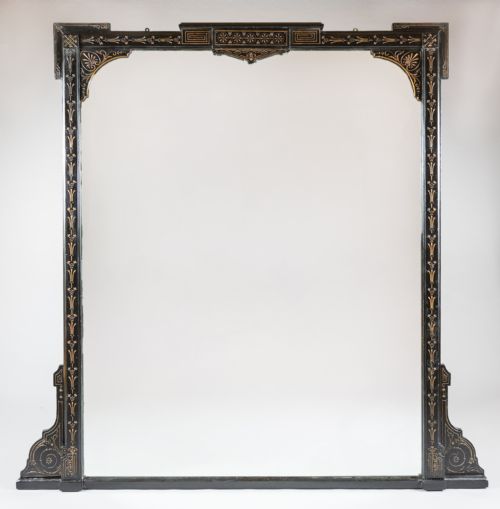
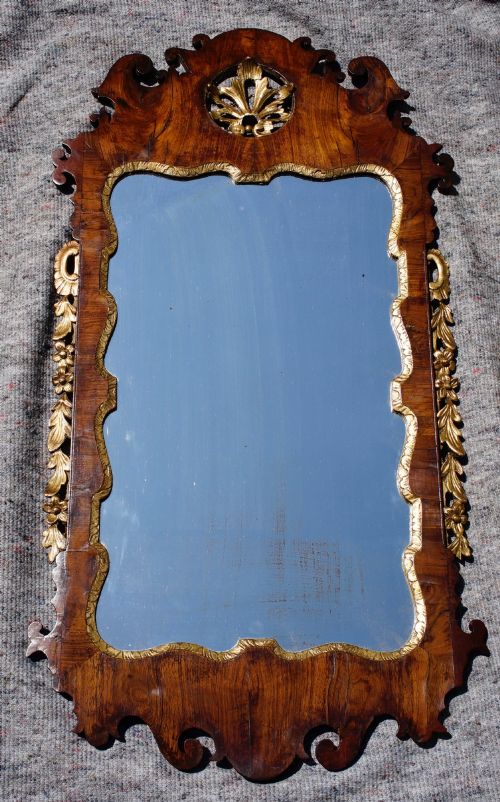
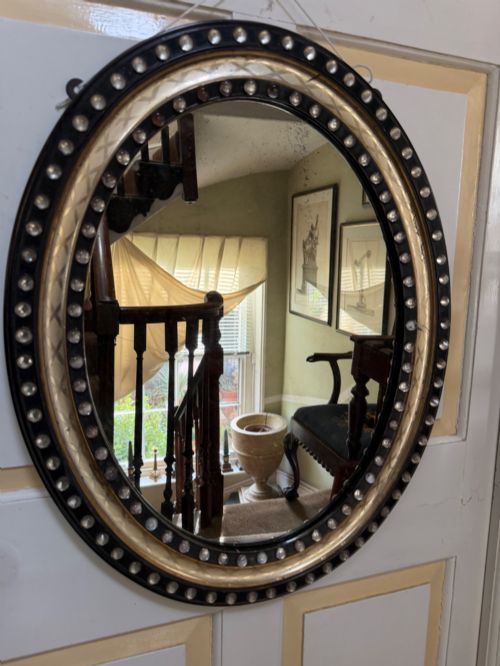
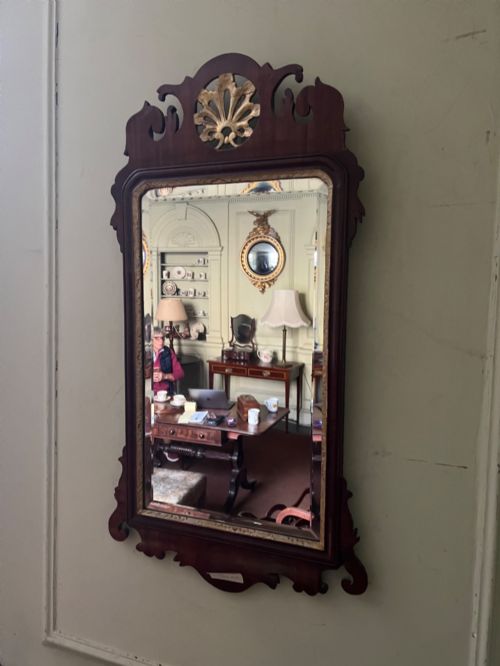
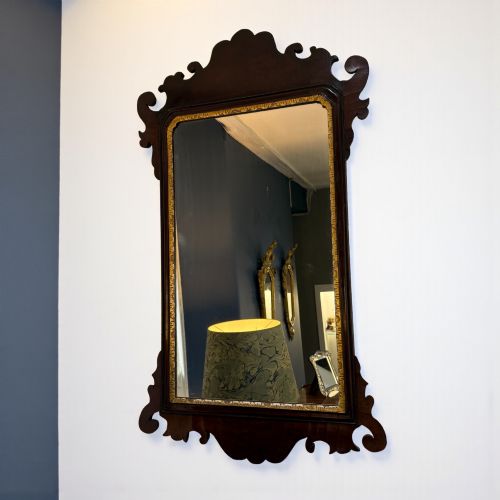
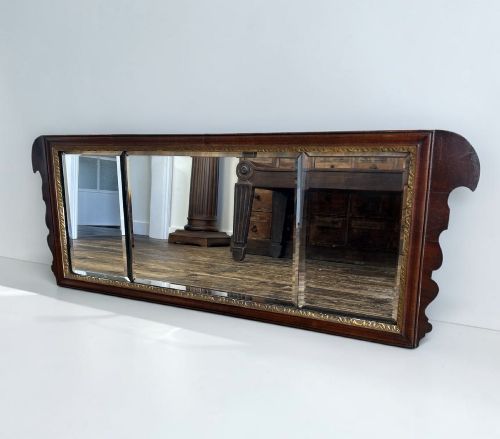
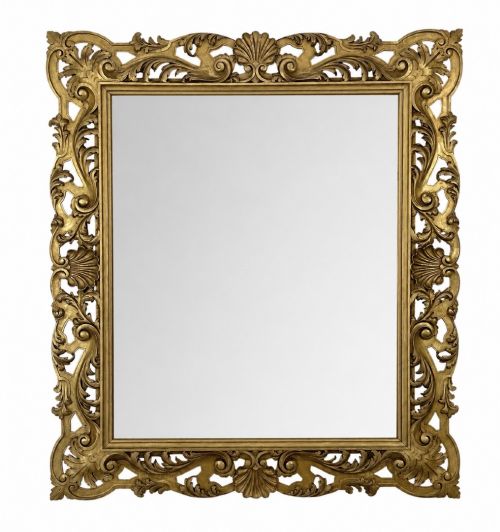
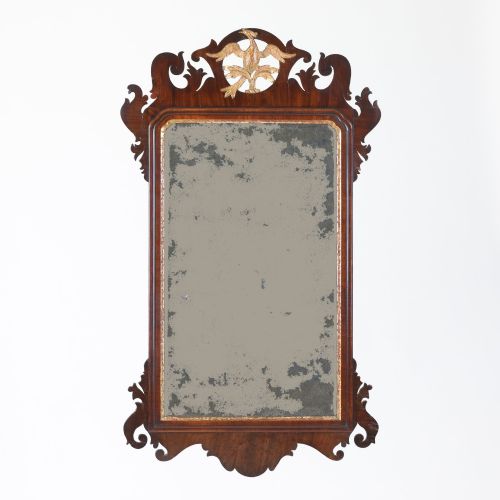
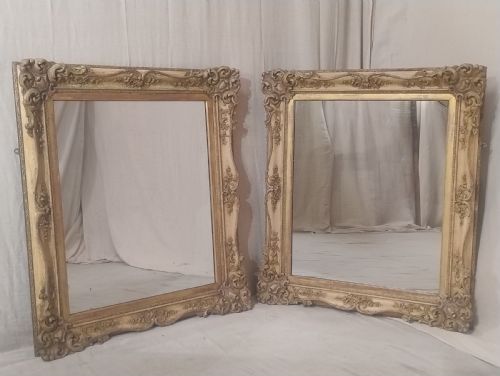
A parcel gilt mirror frame presents a wooden structure where only specific carved elements, mouldings, or motifs receive a metallic gold or silver leaf finish, leaving the primary wood grain or painted body exposed. When you examine a parcel gilt mirror frame on this page, you encounter forms ranging from compact fretwork wall designs to large architectural overmantles.
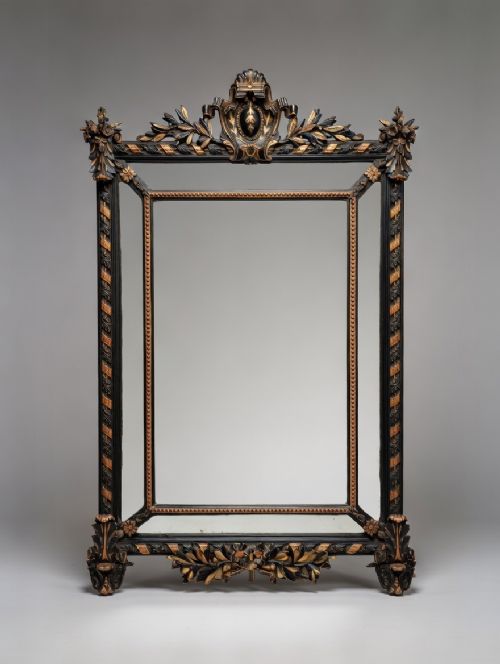
The selections span distinct historical eras, with 18th-century Georgian walnut and mahogany pieces sitting alongside 19th-century Victorian ebonised and French revival examples. Wall mirrors and substantial overmantel mirrors dominate the forms, reflecting both intimate chamber use and grand interior placement.
How they were made
Craftsmen built these frames using foundational hardwoods such as mahogany, walnut, and plain timber, frequently applying a dark ebonised finish or burr veneer to create sharp tonal contrast against the metal leaf. Gesso served as a prepared chalk and glue ground layer smoothing the wooden substrate before artisans laid thin sheets of gold or silver leaf onto selected areas.
Carvers shaped intricate details directly into the wood or moulded composition ornaments applied to the frame, ensuring the partial gilding highlighted high relief work like scrolling foliage, egg-and-dart moulding, or birds.
Parcel Gilt Mirror Frame Retail Price Guide 2026
Typical asking prices for parcel gilt mirror frame among the pieces listed under this phrase on Sellingantiques today, from the lower quarter to the upper quarter. They describe what is for sale here now, not the wider market.
Periods represented span from 18th-century Georgian designs through Victorian revivals and early 20th-century Florentine styles.
What varies in quality
The calibre of a parcel gilt mirror frame rests on the crispness of the hand-carved relief and the proportional balance between the exposed wood and the gilded highlights. Superior examples display deep, deliberate undercutting in the woodwork and meticulous application of leaf that adheres smoothly to the gesso contours without obscuring finer incisions.
Secondary structural choices also determine standing, as dense native timbers, original backboards, and undisturbed early glass plates elevate the integrity of a piece far above later recreations or heavily restored surfaces.
William Kent
The Parcel Gilt Mirror Frame Glossary
- Parcel gilt
- Partly gilded, where gold or silver leaf is applied to specific raised portions of an object while the rest of the surface remains un-gilded wood or paint. This technique creates visual contrast between the warm metallic sheen and the dark or natural grain beneath.
- Gesso
- A plaster-like mixture of chalk, gypsum, and glue applied to wood to create a smooth, absorbent surface for gilding. It allows carvers to crisp up fine details before metal leaf is laid down.
- Fretwork
- Ornamental openwork patterns created by cutting thin boards with a fretsaw, frequently seen on Georgian wall mirrors. This technique produced lightweight frames with complex geometric or scrolling silhouettes.
- Trumeau
- A decorative wall mirror paired with a painted panel or carved artwork above the glass, originating in France. These vertical architectural pieces often integrated directly into wall panelling.
- Ebonised
- Wood treated with chemical stains, dyes, or black paint to imitate expensive ebony. The dark, light-absorbing finish provides a striking background for parcel gilt highlights.
Parcel Gilt Mirror Frame: Frequently Asked Questions
What is a parcel gilt mirror frame?
A parcel gilt mirror frame is a wooden looking glass holder where only designated carved details receive a thin application of gold or silver leaf. The remaining surfaces display natural hardwood grain, burr veneers, or dark ebonised finishes.
This selective gilding technique draws the eye to specific decorative motifs like scrolling leaves, mouldings, or crests without overwhelming the entire structure with bright metal.
How do I date an antique frame?
Dating relies on observing the primary woods, construction techniques, and decorative styles present in the frame. Georgian pieces often utilise mahogany or walnut with fret-cut silhouettes, while Victorian examples frequently feature ebonised wood or heavy architectural overmantel proportions.
Examining the backboards, fixings, and the manufacturing methods of the mirror plate itself helps confirm the period of origin.
Where should I hang an overmantel mirror?
Overmantel mirrors are traditionally hung directly above a fireplace mantelpiece to reflect ambient light and visually expand the room. Their substantial scale allows them to anchor large wall spaces in principal reception rooms.
Ensure the wall structure and fixings safely support the considerable weight of these large wooden and glass assemblies.
What maintenance do these frames require?
Preserving these frames involves keeping them away from direct sunlight, high humidity, and rapid temperature fluctuations that could warp the wood or crack the gesso base. Dusting should be done gently with a dry, soft brush to protect fragile leaf work.
Avoid applying liquid cleaners, polishes, or moisture directly onto the gilded or ebonised surfaces.