
Paper Watercolour Portrait
A paper watercolour portrait brings intimate character to a wall, capturing subjects across centuries in fluid pigment on delicate surfaces.
Identifying your paper watercolour portrait
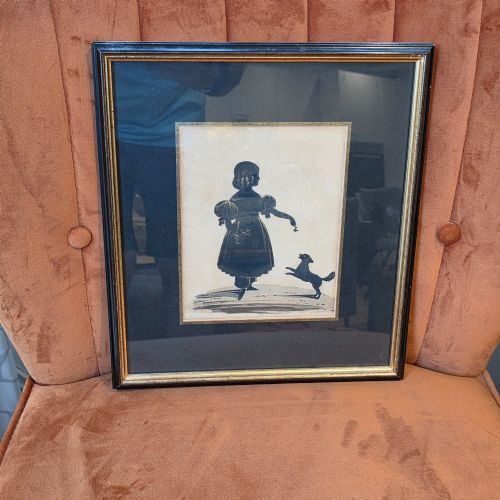
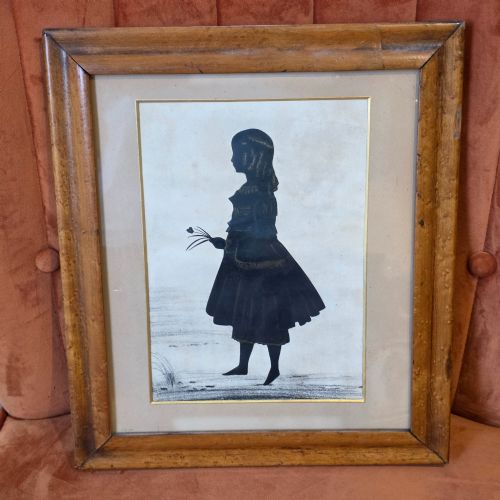
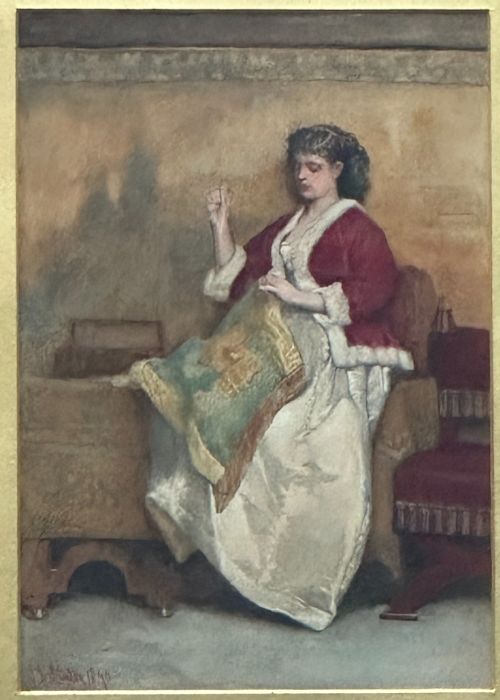
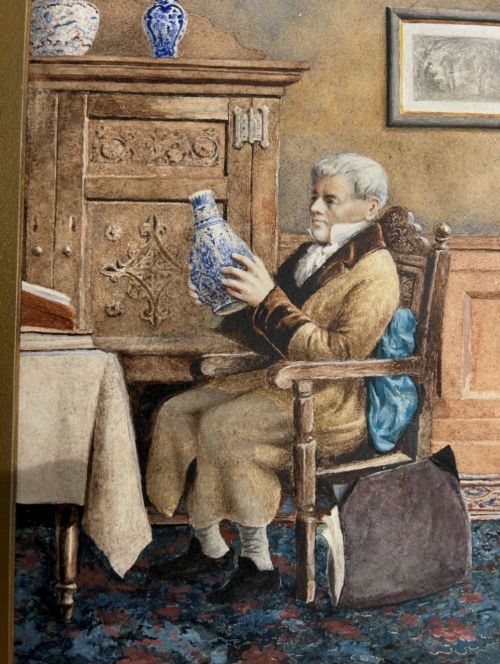
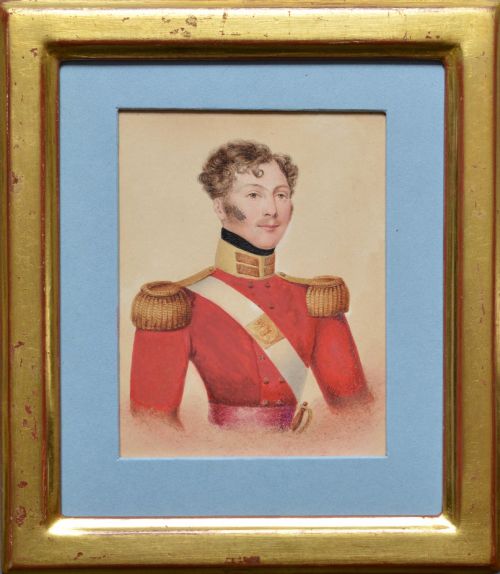
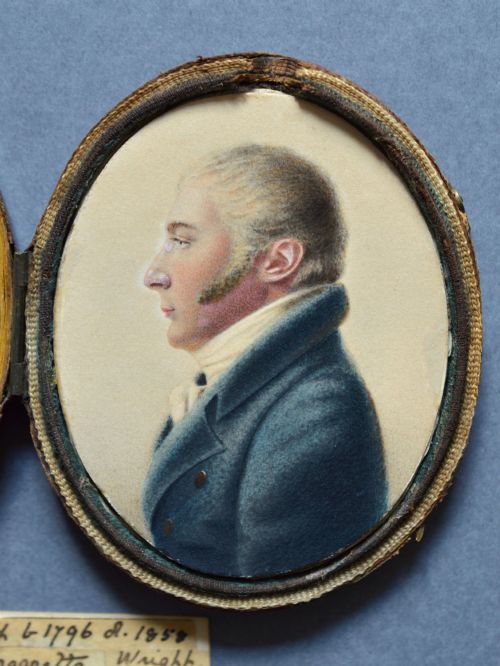
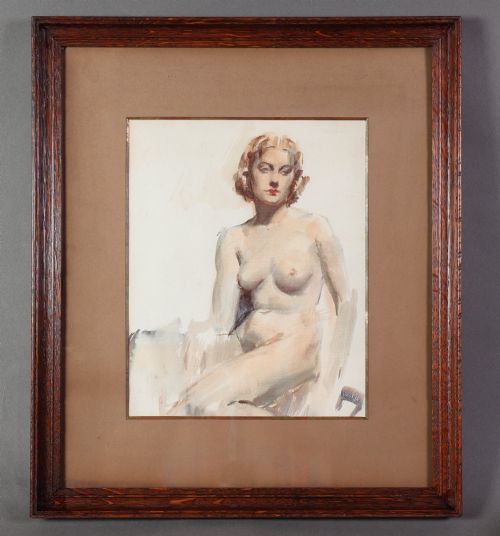
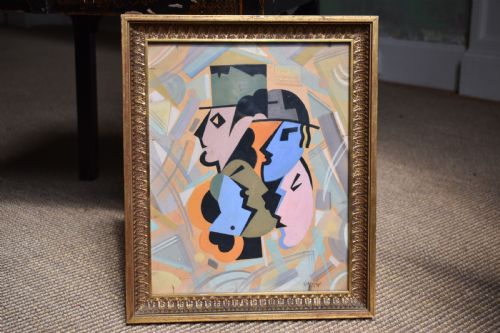
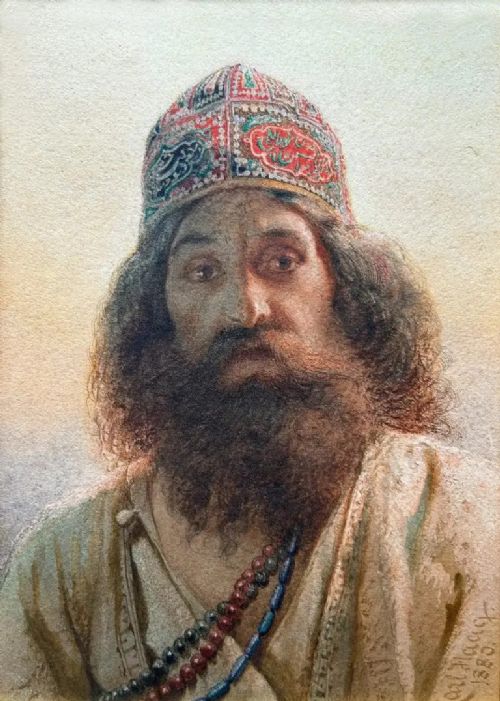
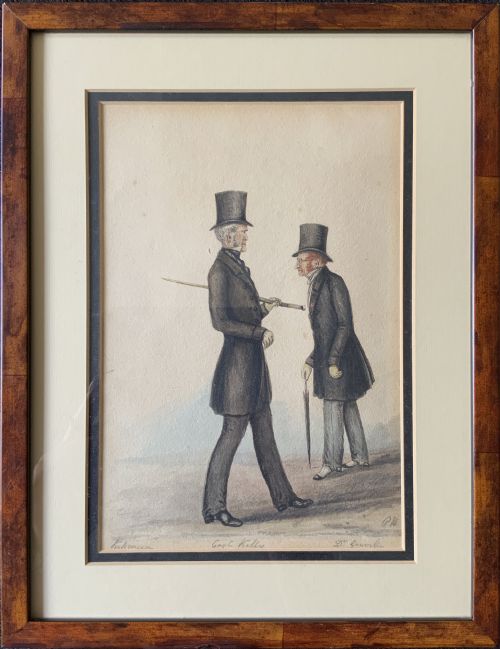
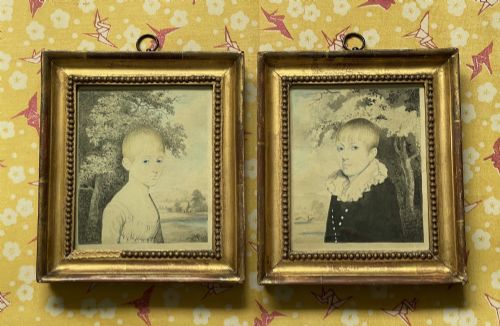
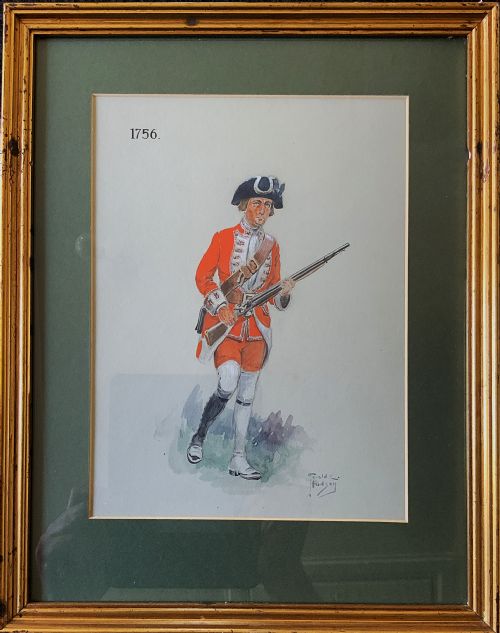
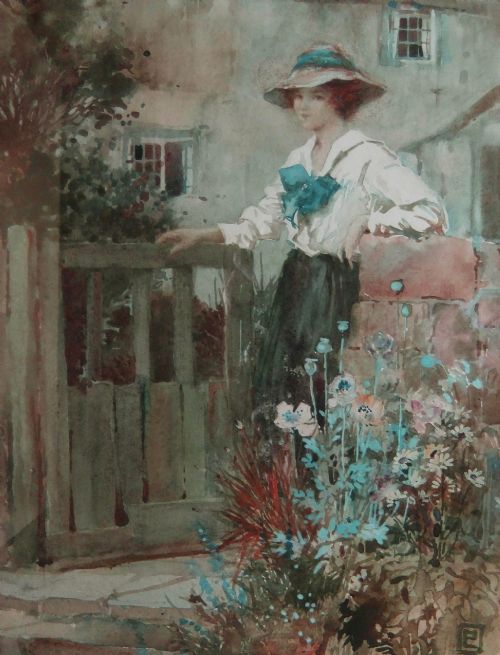
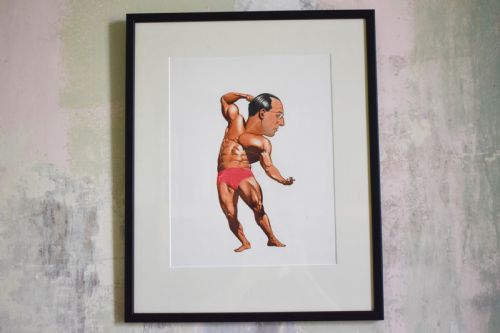
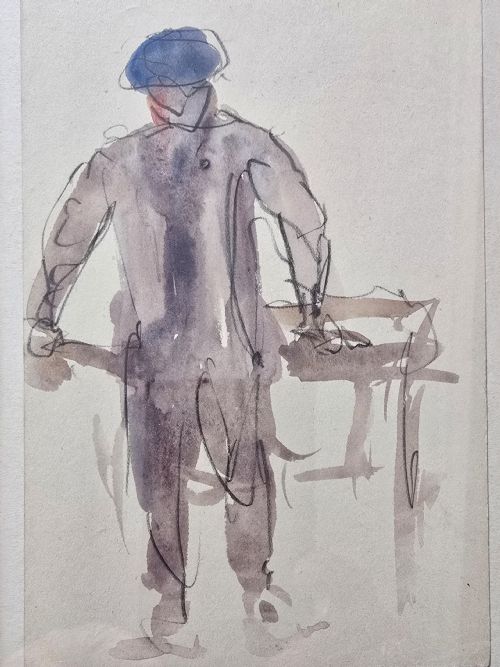
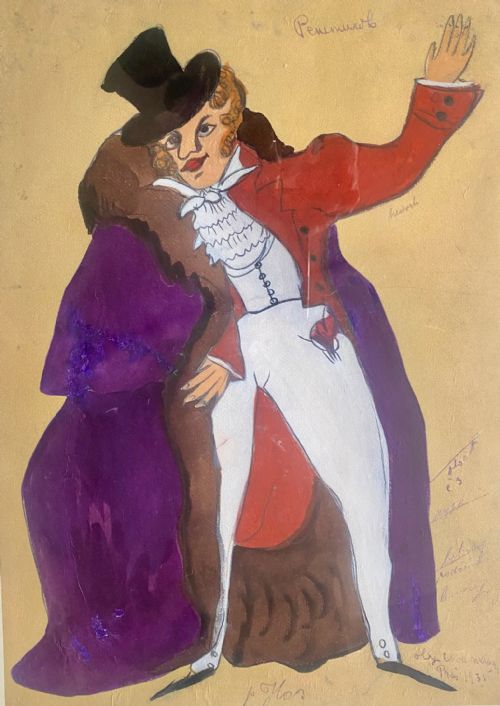
A paper watercolour portrait is a fine art painting executed on paper using water-soluble pigments, taking forms such as individual likenesses, miniatures, and triptychs. When you search for a paper watercolour portrait, you encounter diverse aesthetic traditions spanning Georgian, Victorian, Art Deco, and Japanese Taisho periods.
The pieces on offer include works from the eighteenth century, the Regency era, and the mid-twentieth century. Subjects range from primitive folk art studies and British auctioneer scenes to continental European sitters and signed Japanese triptychs.
Framing and presentation vary considerably, with works presented behind glass in wood, gesso, gilt wood, moulded wood, or papier-mâché frames. These diverse mountings reflect the period tastes of their original owners and subsequent collectors.
Materials and construction
Watercolour paint, composed of finely ground pigments mixed with a water-soluble binder, is applied directly to sheets of paper to build translucent washes and precise facial details. This medium allows artists to capture subtle shifts in tone and expression with remarkable immediacy.
Surviving examples are protected behind glass and housed within wooden surrounds, which frequently incorporate moulded gesso or gilt finishes. Some Victorian miniatures utilise specialist papier-mâché frames to provide structural rigidity and a polished black surface.
Retail Price Guide 2026
Typical UK retail prices for paper watercolour portrait, calculated from the Sellingantiques database of over a million retail prices indexed since 2003. This retail price guide relies exclusively on Sellingantiques data; no external sources or auction records are used, so the figures do not describe the wider market.
Current listings feature works on paper utilising watercolour, glass, and gilt wood across Georgian, Victorian, and Japanese Taisho period styles.
Assessing quality in portraiture
The integrity of the original mount and frame contributes significantly to the character of the object. Period frames that complement the age of the artwork without inappropriate intervention preserve the historical context of the portrait.
Albin R Burt·Francis Wheatley·Takashi Nakayama
The Paper Watercolour Portrait Glossary
- Watercolour
- A painting method where the paints are made of pigments suspended in a water-soluble vehicle. It is typically applied to paper surfaces to achieve translucent effects.
- Regency
- An English stylistic period dating from the early nineteenth century. Works from this era often display refined neoclassical elegance.
- Gesso
- A plaster-like mixture used to prepare wood surfaces before gilding or painting. It provides a smooth base for decorative mouldings on antique frames.
- Triptych
- A picture divided into three sections or three carved panels hinged together. This format is frequently seen in Japanese works of the Taisho period.
Frequently Asked Questions
How should I hang a paper watercolour portrait?
Position your portrait away from direct sunlight to prevent the watercolour pigments and paper support from fading over time. Consistent indoor humidity levels also help protect the paper and the wooden frame.
Ensure the piece is secured firmly to wall studs or hung using appropriate hardware suited to the weight of the glass and wooden surround.
What periods do these portraits cover?
The available selection spans several centuries, including eighteenth-century works, Regency examples, and Victorian folk art pieces. Later twentieth-century works from the nineteen-twenties and nineteen-fifties also appear.
Each period brings distinct stylistic conventions, from formal European portraiture to Japanese Taisho period triptychs.
Are these portraits signed by the artists?
Some pieces bear signatures or initials from the artists who painted them, while others remain anonymous works created in the manner of established painters. Makers' marks and inscriptions on the reverse can sometimes provide further context.
Unsigned examples are frequently attributed based on stylistic comparisons and period techniques.
How do I identify a miniature portrait?
Miniature portraits are small-scale paintings, often housed in specialised frames made of materials such as papier-mâché or ornate wood. They require close inspection to appreciate the fine brushwork necessary to render details on a reduced surface.
Victorian examples frequently depict sitters in formal dress, complete with period accessories like lace collars.