
Paper Portrait Study
A paper portrait study captures a likeness directly through ink, pencil, pastel, or watercolour upon a delicate sheet.
Paper Portrait Study
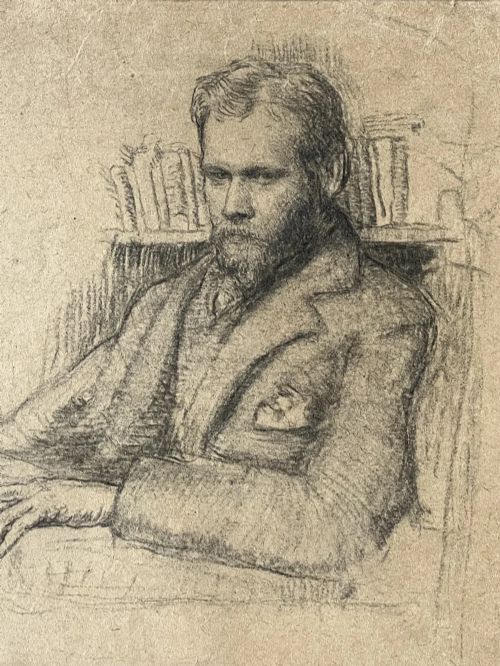
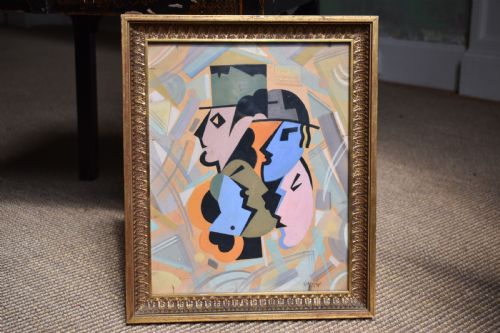
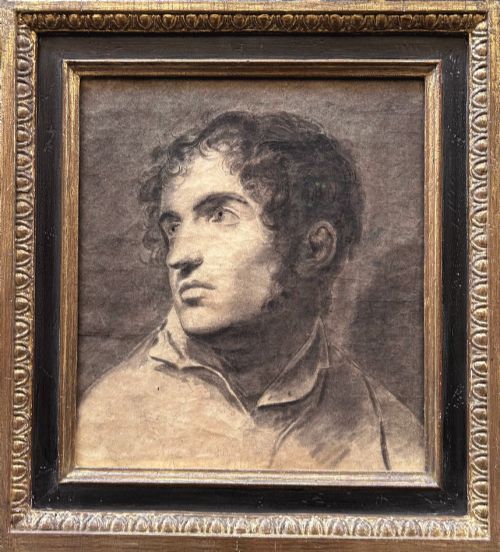
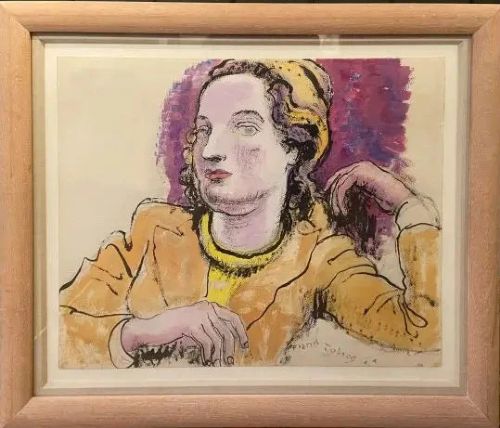
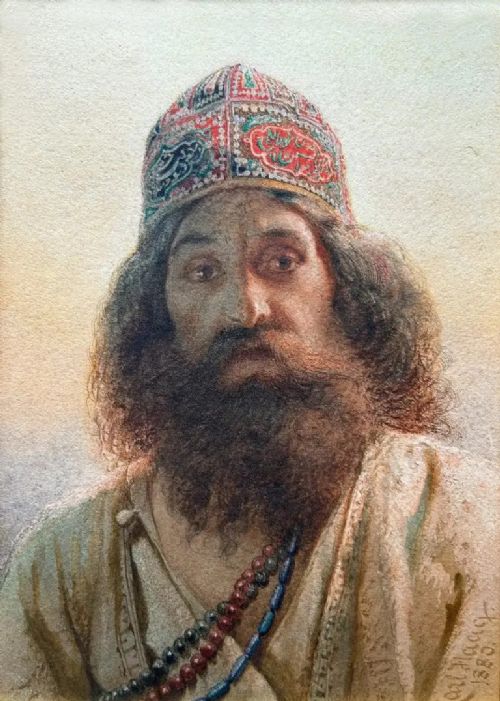
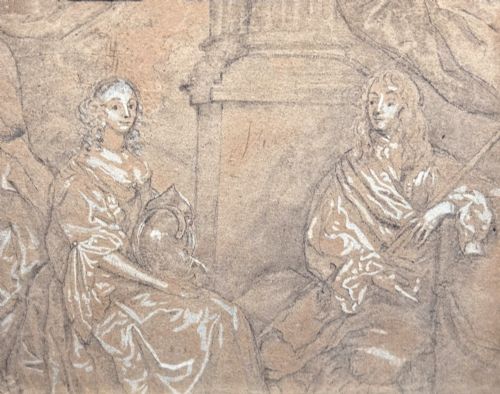
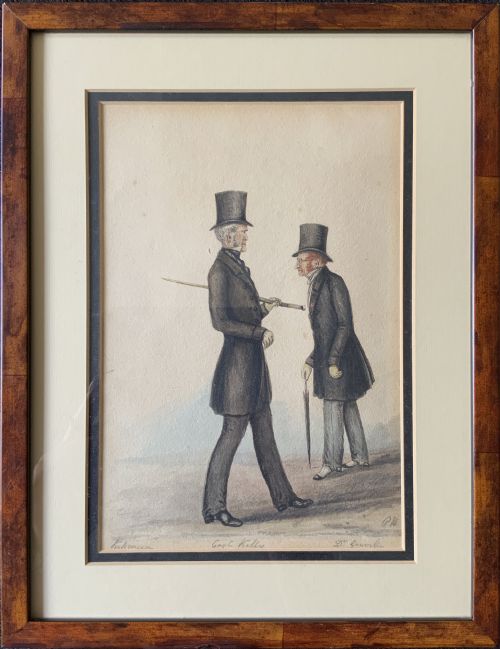
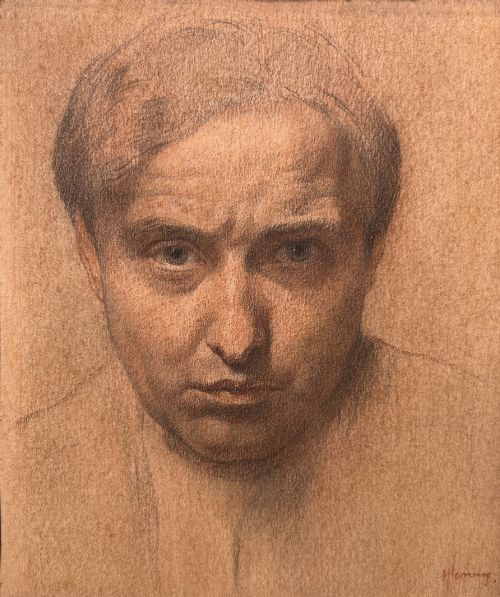
A paper portrait study represents an intimate encounter with a subject, recorded through direct draughtsmanship rather than oil on canvas. When you search for a paper portrait study, you encounter works spanning from the eighteenth century through the Victorian era into the mid-twentieth century.
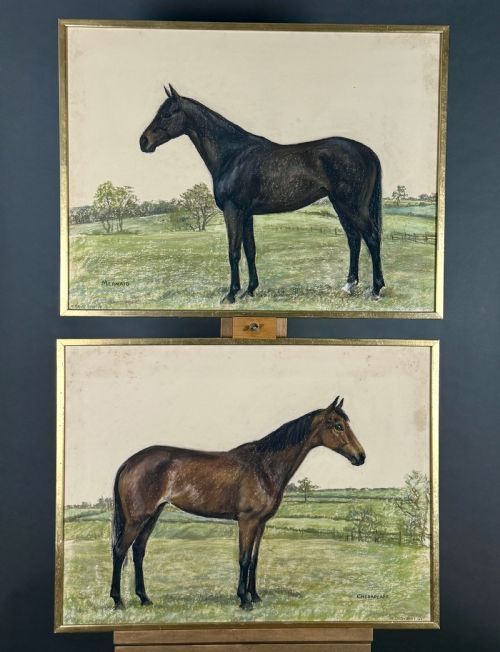
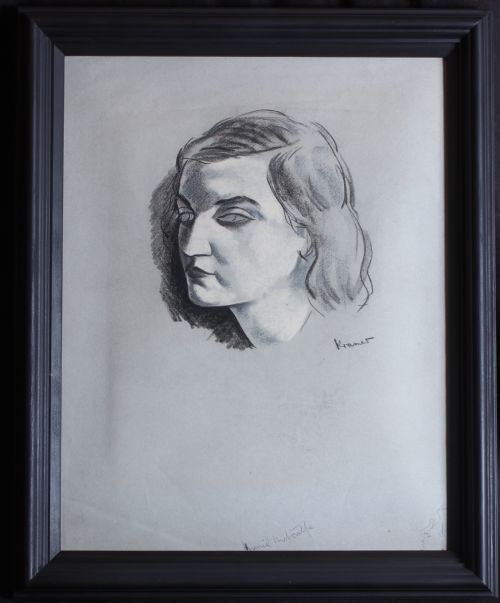
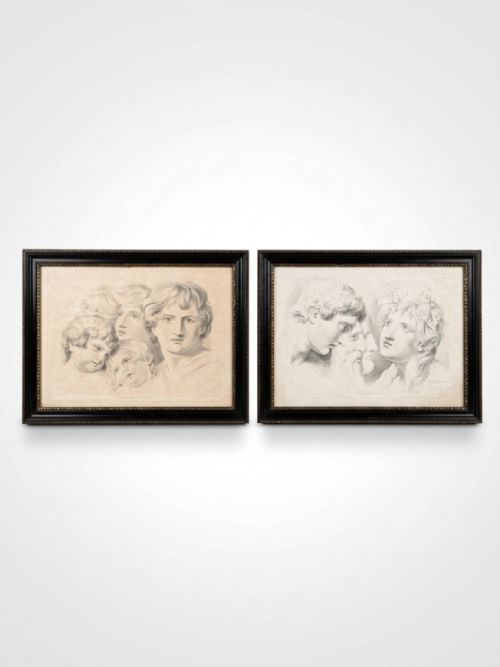
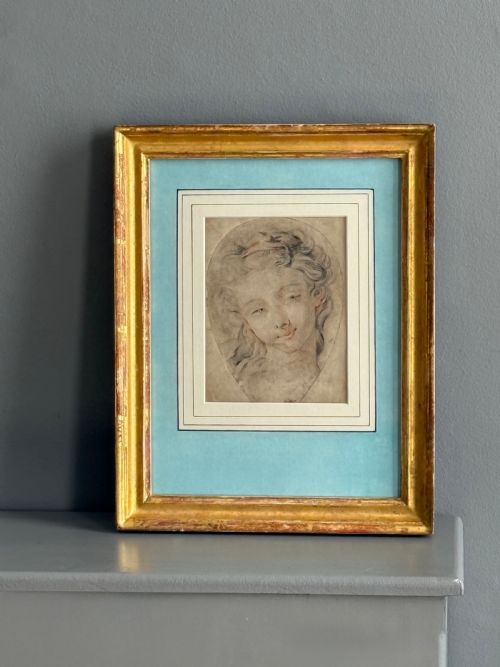
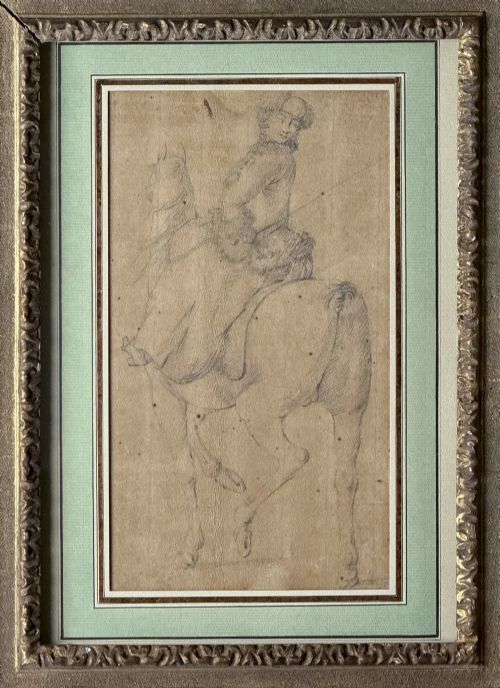
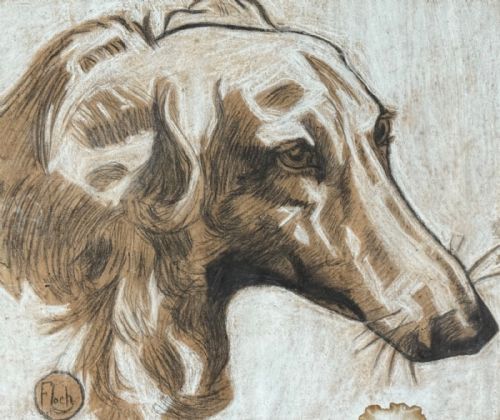
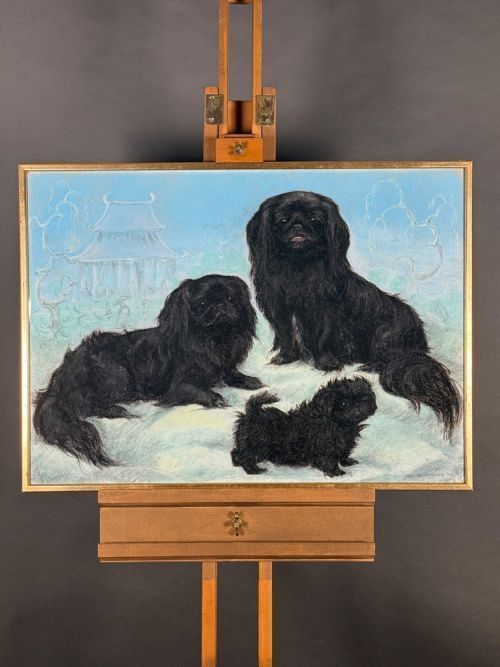
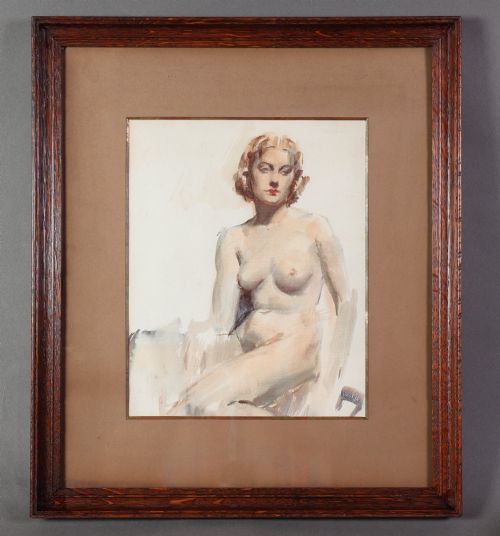
The selections on this page range from rapid academic life drawings and finished charcoal heads to detailed pastel equestrian works and ink sketches. These pieces emerge from various European schools, reflecting both formal portraiture and exploratory artistic exercises.
Materials and technique
Artists utilise paper supports, sometimes buff or tinted, as the primary ground for graphic media such as graphite, charcoal, chalk, and sanguine. These dry materials allow for subtle shading and immediate line work.
Wet mediums including ink, watercolour, gouache, and wash are frequently layered over or combined with pencil and pastel to build depth and tone within a single composition.
Several drawings preserve the hurried pencil notes and stray ink splatters left behind in dusty nineteenth-century artist studios.
Judging the work
Quality rests upon the confidence of the line and the economy of marks used to convey form and character. A strong study reveals the artist's immediate understanding of anatomy and expression without excessive correction.
The interaction between the medium and the paper support dictates the overall visual success, where tonal gradation and preservation of the paper grain elevate a simple exercise to a compelling standalone artwork.
Jacob Kramer·Francois Boucher·Augustus John·Frank Dobson·Carl Haag·Peter Lely·Herbert Johnson Harvey·Ludwig van Beethoven·Marie Leczinska·François-André Vincent·Michael Healy·Sir Thomas Lawrence·Picabia·Olga Choumansky·Henry Arthur Roberts·Sir Edwin Landseer·Arthur Todd·Lucien Freud·Winifred Eugene Ballard·John Hoppner
The Paper Portrait Study Glossary
- Sanguine
- A reddish-brown chalk used extensively for drawing figures and portraits during the seventeenth and eighteenth centuries. This material allows artists to achieve warm, flesh-like tones.
- Gouache
- An opaque water-based paint that provides solid areas of colour and sharp highlights when applied over watercolour or ink drawings. It contains a white pigment binder.
- Wash
- A diluted layer of ink or watercolour spread thinly across paper to create transparent shadows or atmospheric backgrounds. It adds tonal depth to linear sketches.
- Academic Realism
- A style of painting and drawing produced under the influence of European academies of art, prioritising accurate anatomical proportion and classical training. Works in this mode often include life studies of models.
Paper Portrait Study: Frequently Asked Questions
What is a paper portrait study?
A paper portrait study is a preparatory drawing, sketch, or finished artwork on paper focusing on an individual's face, figure, or expression. These works capture the direct hand of the artist before any final large painting.
They offer insight into the working methods of historical artists and regional schools across different centuries.
How should I frame works on paper?
Works on paper require conservation-grade mounting to prevent direct contact between the paper surface and the glass. Acid-free mats protect the fragile media from environmental damage.
Keep framed pieces away from direct sunlight to prevent the fading of watercolours, inks, and delicate pastels.
How do I identify the period of a drawing?
Dating relies on examining the watermark and texture of the paper, the specific clothing or hairstyle of the sitter, and the framing style. Stylistic conventions of the medium also point toward particular centuries.
Signatures, inscriptions, and gallery labels on the reverse provide further historical context.
What is the difference between a study and a painting?
A study is typically an exploratory or practice piece focusing on a specific element such as a head, hand, or posture. Paintings generally represent finished, larger-scale compositions meant for formal display.
Studies reveal the spontaneous decisions of the creator during the artistic process.