


Paper Mounted Picture
A paper mounted antique picture brings direct, hand-worked detail onto your wall through centuries of printed and painted artistry.
Paper Mounted Picture
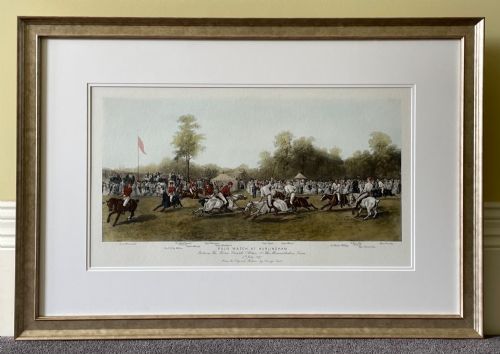
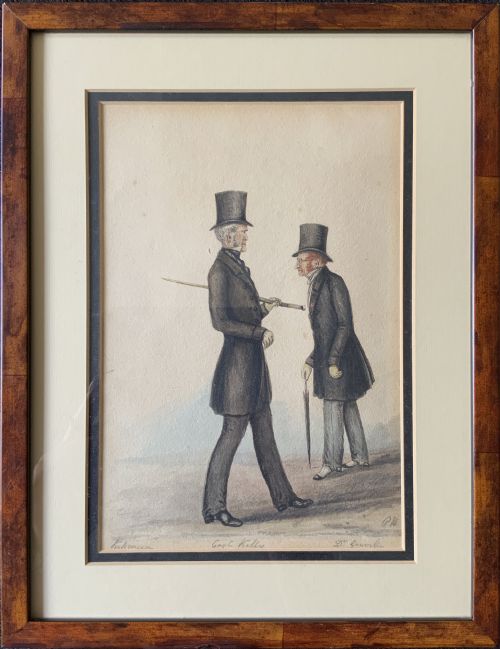
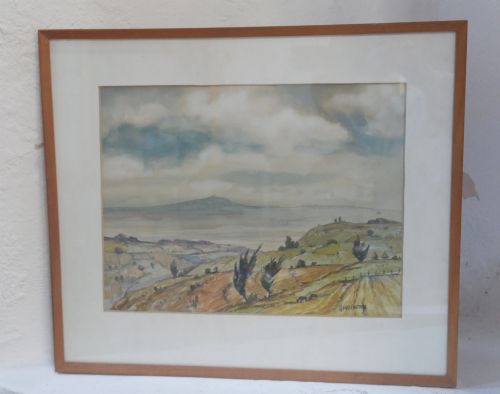
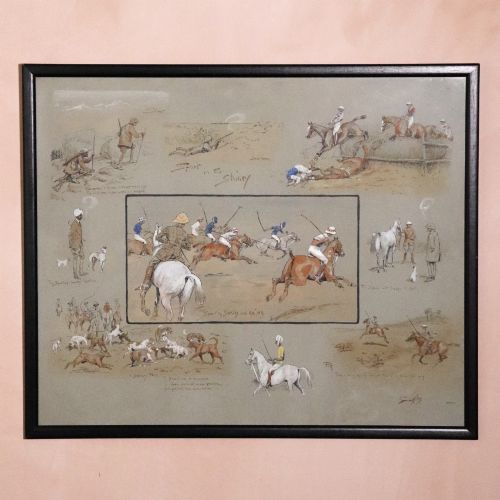
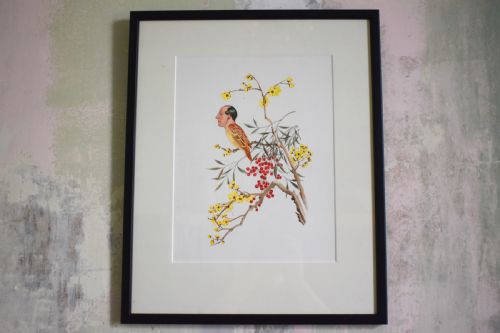
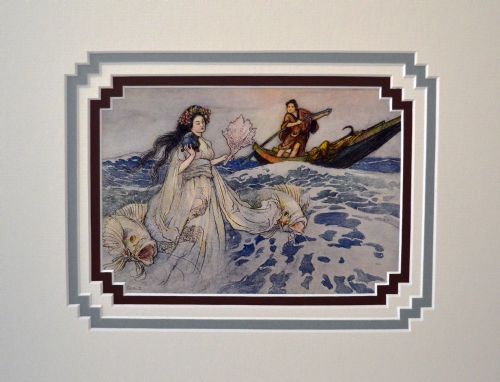
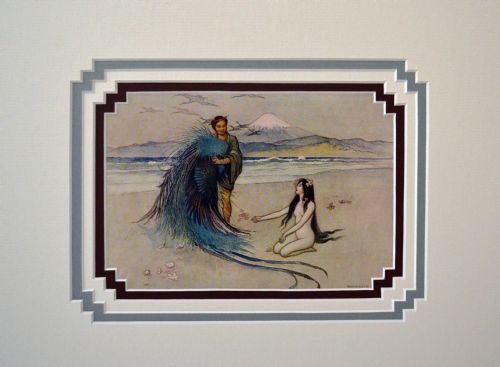
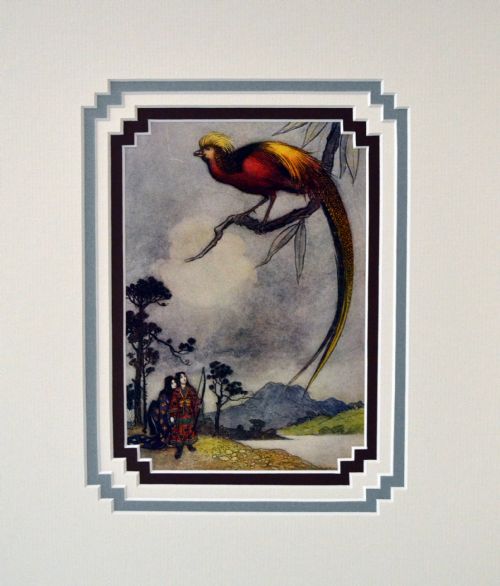
A paper mounted antique picture comprises works created across the eighteenth, nineteenth, and early twentieth centuries, anchored by paper supports within protective frames. Buyers encounter varied formats here, ranging from watercolours and gouache paintings to hand-coloured engravings, lithographs, and woodblock prints.
The selection spans domestic and international subjects, including British sporting prints, portraiture, caricature, topographical scenes, and Japanese art. Pieces from the Georgian, Regency, Victorian, and Edwardian eras dominate the current offerings, often retaining their original period framing.
Framed artwork in this category relies on card, glass, and wood housings to preserve delicate paper media. Works such as nineteenth-century lithographs and eighteenth-century German watercolours demonstrate the broad scope of paper-based pictorial traditions available to collectors.
Materials and construction methods
Makers utilised paper, card, ink, watercolour pigment, and gold leaf to construct these works, applying pigments by hand or through early printing plates. Engravings and lithographs provided the foundational lines, which craftsmen frequently enhanced with watercolour or gouache.
Wood and glass form the protective enclosures, securing the paper sheets within scroll-mounted or Hogarth frames. The physical mounting process fixed fragile paper and card substrates securely behind glass to guard against atmospheric damage.
Listings feature paper works spanning the eighteenth to the twentieth centuries, employing watercolour, ink, and lithography.
Factors of distinction
Quality rests upon the precision of the initial draughtsmanship and the vitality of surviving pigments, particularly in hand-coloured engravings and original watercolours. Stronger pieces display assured handling of ink, charcoal, or watercolour pigment without excessive fading.
The sophistication of the accompanying frame contributes significantly to the overall merit of the piece. Period frames featuring gilt rectangular scroll work or traditional Hogarth mouldings elevate the status of nineteenth-century prints and drawings.
Warwick Goble·Kunisada·Sir Edwin Landseer·Sir Thomas Lawrence·Louis Wain
The Paper Mounted Picture Glossary
- Lithograph
- A print made from a design drawn on limestone or a metal plate with a greasy crayon. This planographic process allows for fine tonal gradations.
- Gouache
- An opaque watercolour paint mixed with a binding agent such as gum, producing a heavier, flat finish. It appears frequently in nineteenth-century foreign and domestic works.
- Engraving
- An intaglio printmaking technique where lines are cut into a metal plate with a sharp tool. Impressions pulled from these plates accept ink for transfer to paper.
- Woodblock print
- A relief printing method where image areas are left standing while non-image blocks are cut away. This technique underpins traditional Japanese Ukiyo-e works.
- Hogarth frame
- A dark, often narrow wooden picture frame featuring an inner slip or decorative scored line profile. These mouldings gained popularity during the Georgian and Regency periods.
Paper Mounted Picture: Frequently Asked Questions
How should I hang antique paper pictures?
Keep framed paper works away from direct sunlight to prevent the fading of watercolour pigments and inks. Maintain stable indoor humidity levels to protect the paper and card mounts.
Use secure picture hooks suited to the weight of the wood and glass frames. Professional framing backing helps shield the contents from dust and moisture.
What defines a Regency framing style?
Regency frames often incorporate dark wood finishes with distinct mouldings or subtle gilt details. They complement the refined engravings and watercolours of the early nineteenth century.
These housings provide structural integrity while maintaining visual balance with the mounted artwork. Original period frames add historical context to the piece.
How do I identify a hand-coloured print?
Hand-coloured engravings and lithographs show subtle brushwork and pigment pooling under close inspection. The added colour sits directly on top of the printed ink lines.
Printers employed this technique to enhance monochrome impressions before framing. Each hand-finished example carries individual variations from the colourist.