
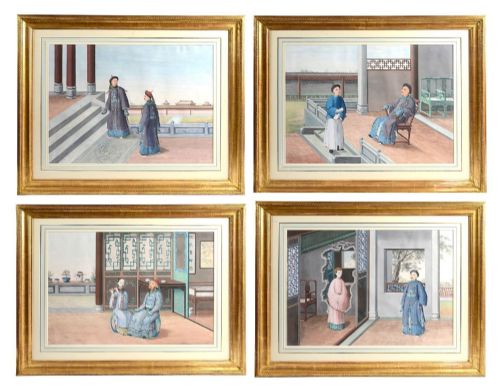
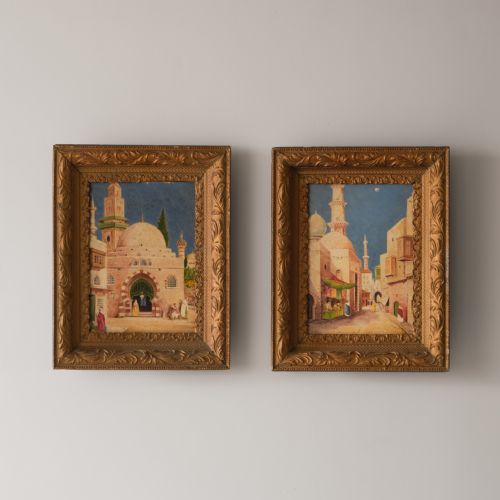

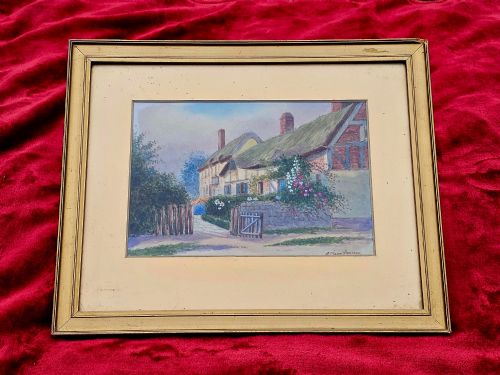
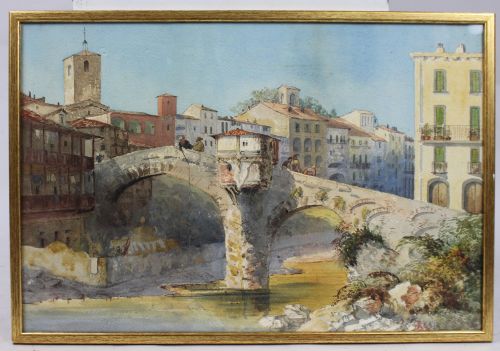


Architectural Watercolour Art
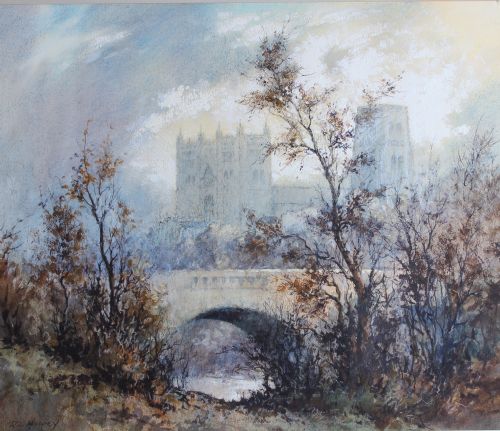
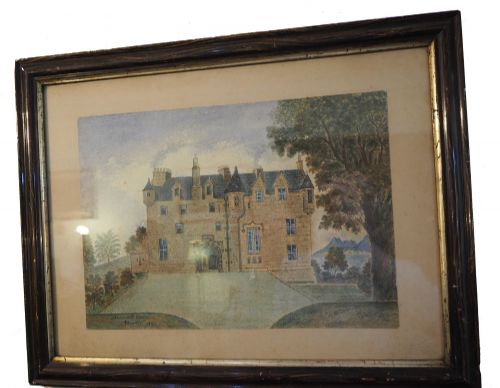
Architectural watercolour art records buildings, townscapes and classical ruins through hand-applied pigment on paper, bringing historic structures into domestic interiors.
Architectural Watercolour Art
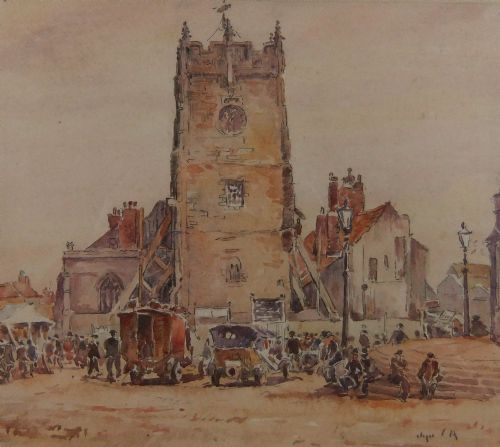
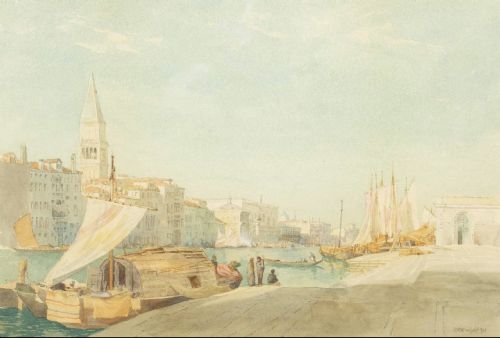
Buyers meet works originating from the Victorian and Edwardian eras, alongside pieces created during the 1920s, 1930s and 1940s under British Impressionism and Grand Tour traditions. Common subjects include cathedrals, country houses, street scenes and overseas locations executed as framed paintings and fine art works.
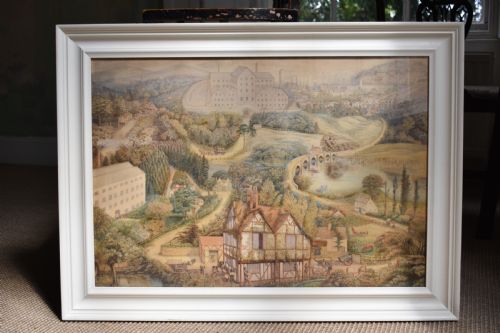
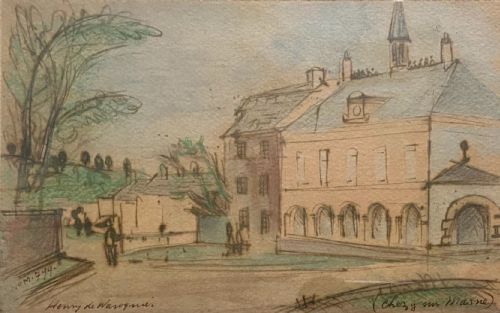
Pieces span naive depictions of foreign cities to accomplished topographical records signed by listed artists working in British and European traditions. The selection reflects both domestic townscapes and international travels undertaken during successive decades.
Materials and construction
Artists utilise watercolour pigment and bodycolour applied to paper sheets, frequently supported by pencil underdrawings that map out perspective lines and structural details before the application of washes. Ink is also employed alongside watercolour for mixed media drawings to define sharp architectural outlines and masonry joints.
Finished works are typically housed behind glass within wooden frames, occasionally incorporating gilt wood mouldings to enhance the presentation of the painting. The combination of paper supports, translucent pigments and protective glazing characterises the physical construction of these works.
Listings feature paper, ink and watercolour pigment across 19th Century, Edwardian and mid-20th Century periods.
Factors determining quality
Quality rests upon the artist's command of perspective, tonal control and spatial depth when rendering complex structures like colonnades, arches and stonework. Superior examples display confident brushwork and precise draughtsmanship that capture the atmosphere of a site without losing architectural clarity.
The significance of the subject matter and the documentation associated with the piece influence its standing. Signed works by recognised practitioners command greater attention than anonymous studies, particularly when accompanied by precise topographical identification and secure dating.
Thomas Ellison·A Marie Parsons·Richard Henry Wright·Henry de Waroquier·Robert Leslie Howey·Alfred George Morgan·Fred Lawson·Sir Thomas Newenham Dean·Anne Dorrien Smith·Charles James Lauder·Rowland Henry Hill·Stanley Orchart·J W Hogley·Louie Stanley Maurice Prince·G Villiers Stuart·Vittore Zanetti Zilla·Benedetto Salviati·Joseph W Milliken·Edith E Caswall·Hercules Brabazon Brabazon·David Small·Pio Panfili
The Architectural Watercolour Art Glossary
- Watercolour pigment
- Finely ground colour particles mixed with a water-soluble binder, applied in translucent washes to create luminosity on paper.
- Grand tour
- A cultural journey undertaken by European travellers through France, Italy and Greece to study classical antiquities and architecture.
- Topographical
- Representing specific real places, buildings and landscapes with accuracy and attention to geographical detail.
- Gilt wood
- Timber frames treated with a thin layer of gold leaf or metallic gilt finish to ornament the display of a painting.
- Bodycolour
- Watercolour paint mixed with white pigment to render it opaque, allowing for highlights and solid passages within a painting.
Architectural Watercolour Art: Frequently Asked Questions
What is architectural watercolour art?
Architectural watercolour art comprises paintings and drawings that focus on buildings, street scenes, castles and ancient ruins executed in water-based media on paper.
These works serve as visual records of historical townscapes and monuments created by artists during their travels or as commissioned topographical views.
How were these watercolours created?
Artists used watercolour pigment, ink and pencil on paper supports to map and paint buildings, often employing washes to build up shadows and light.
Finished works were subsequently framed behind glass, frequently within wooden mouldings, to protect the delicate paper surface from atmospheric moisture and handling.
How do I date an antique watercolour?
Dating relies on artist signatures, period framing styles, inscriptions on the reverse, and architectural details that reflect specific building phases or fashion.
Many pieces carry contemporary pencil notes or exhibition labels that record the exact year, location or sitter of the subject depicted.
How should I display architectural watercolours?
Watercolours require placement away from direct sunlight to prevent the fugitive pigments from fading over time.
Maintaining stable indoor humidity levels protects both the paper support and the wooden frame from warping or deterioration.