


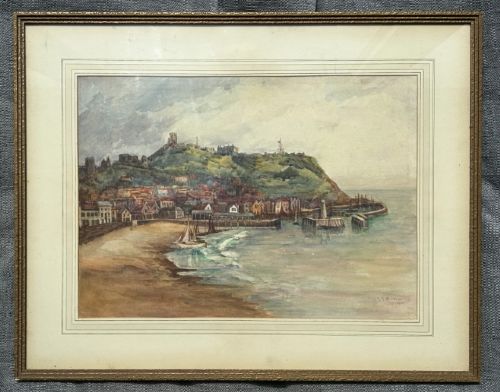

Paper Maritime Watercolour Art
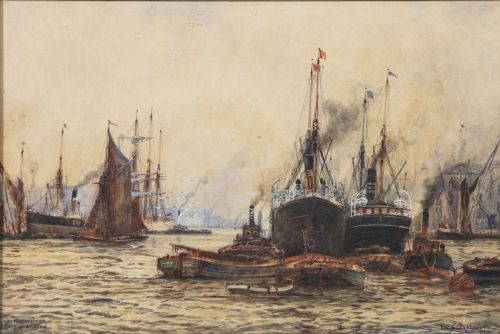
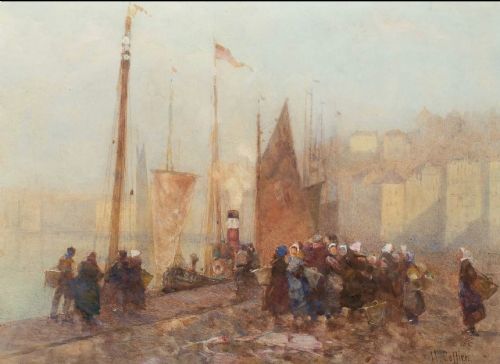
When you search for paper maritime watercolour art, you enter a rich world of coastal scenes, harbour views and ship paintings captured across the nineteenth and twentieth centuries.
Paper Maritime Watercolour Art
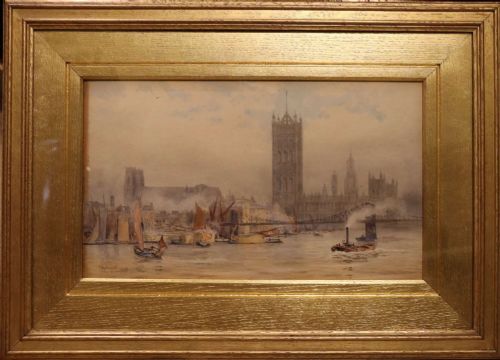
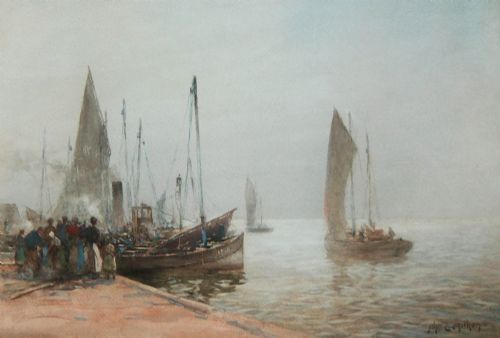
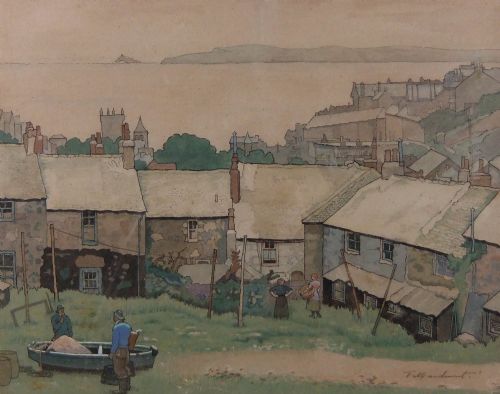
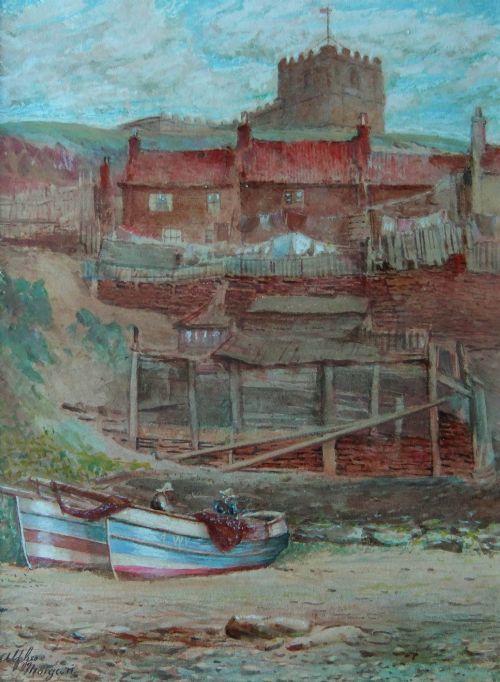
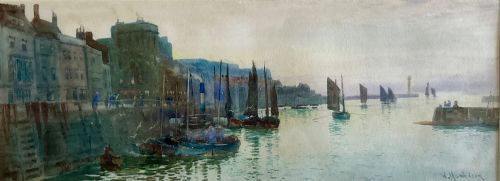
Paper maritime watercolour art captures the enduring appeal of coastal life, bustling fishing ports, and historic vessels upon the water. Pieces found here span from Victorian marine studies to mid-century coastal depictions, documenting harbours from Whitby to St Ives and international waters alike.
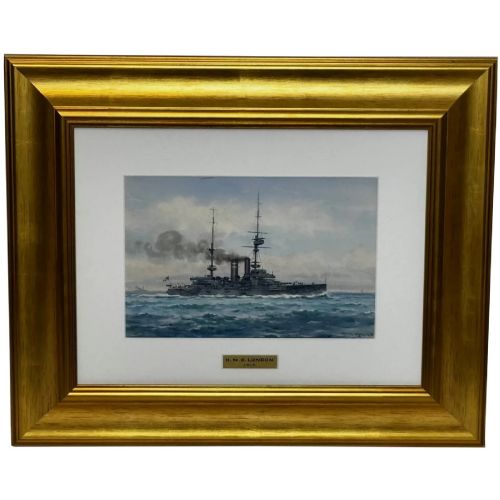
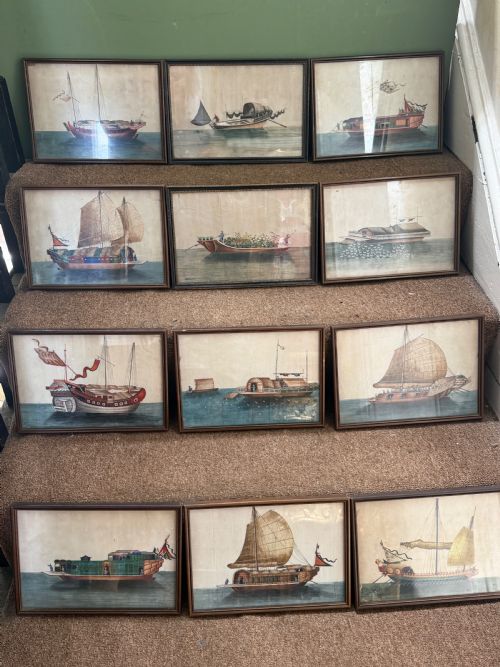
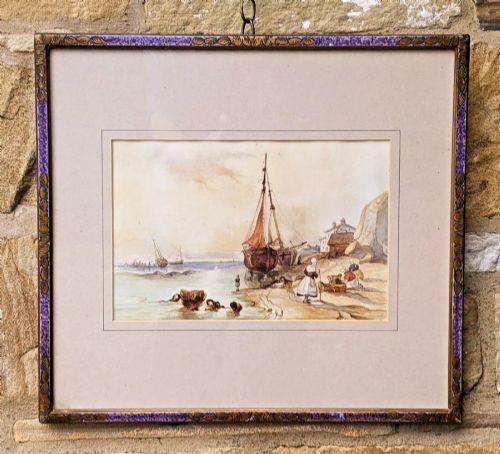
The selection leans heavily toward original works on paper executed by British artists working in the nineteenth and twentieth centuries. Buyers frequently encounter framed waterpaintings detailing sailing ships, naval vessels, and quiet estuary moorings.
From delicate sketches to finished exhibition pieces, these works reflect the changing light and vigorous movement of the sea. Each painting offers a direct window into maritime heritage, preserved through the translucent qualities of water-based pigment.
Materials and Technique
Artists built these compositions primarily using watercolour pigment and ink applied to heavy paper sheets. Washed skies and expressive brushstrokes created atmospheric movement, while fine pen work often defined the rigging of ships and architectural details of harbour walls.
Protection of these delicate works relied on framing behind glass, paired with wooden surrounds that secured the paper from environmental wear. The combination of water-soluble pigments and absorbent paper required precise control, leaving no room for correction once the paint met the surface.
Listings feature works predominantly rendered on paper using watercolour and ink across Victorian, Edwardian, and mid-century periods.
Assessing Quality and Hand
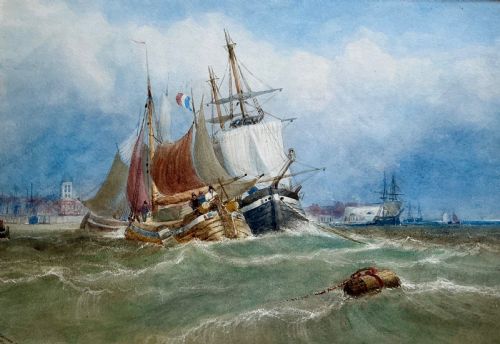
The distinction between standard decorative sketches and exceptional works rests on the artist's command of light, atmospheric depth, and structural drawing. Master hands captured the weight of heavy seas and the specific rigging of vessels with economy and precision.
Condition and paper preservation also play a vital role, distinguishing works that retain their original pigment vibrancy from those dulled by time or improper exposure. The strength of provenance, often evidenced by signatures or historical exhibition labels, further elevates a piece within its period.
H Medlycott·James Orrock·James Smetham·James E Aitken·Frank Watson Wood·Frank William Scarbrough·Hector Caffieri·Thomas Maidment·Alfred G Morgan·William Matthison·Henry Barlow Carter·F A Roylance·George F Pennington·William Frederick Settle·Thomas Bush Hardy·Paul Delvaux·Eric Tufnell·Robert Leslie Howey·Tom Clough·William Tuck·F J Aldridge·James Watson·Frank H Mason·George Hamilton Constantine·Frederick William Hattersley
The Paper Maritime Watercolour Art Glossary
- Watercolour
- A paint consisting of colour pigment suspended in a water-soluble vehicle, traditionally applied to absorbent paper. It allows for luminous washes and delicate layering.
- Gouache
- An opaque watercolour paint mixed with a binding agent such as gum, producing heavier, solid colours often used to highlight highlights and shipping details.
- Seascape
- A work of art depicting the sea, coastal views, ships, or marine engagements. It forms the primary subject matter of this category.
- Provenance
- The chronology of the ownership, custody, or location of a historical artwork. A documented history adds significant weight to attribution.
- Staithes Group
- A loose association of artists inspired by the Yorkshire fishing village of Staithes, known for en plein air maritime and coastal painting.
Paper Maritime Watercolour Art: Frequently Asked Questions
What subjects appear in maritime watercolours?
These works depict bustling fishing ports, coastal cliffs, naval vessels, and working sailing ships upon the water. Scenes range from quiet estuaries to dramatic open sea races.
Artists focused heavily on British coastal locations such as Whitby, Scarborough, and St Ives, alongside international ports and canals.
How should I frame and display paper watercolours?
Watercolours require framing behind glass with acid-free mounts to prevent direct contact with the glazing and protect the paper from atmospheric damage.
Hang them away from direct sunlight to preserve the fugitive pigments characteristic of nineteenth and twentieth-century water-based paints.
How can I tell the period of a watercolour?
Dating relies on artist lifespan records, paper watermarks, framing styles, and the specific attire or vessel types depicted within the composition. Victorian works often show tighter detail and darker palettes, while later pieces embrace freer impressionistic brushwork.
Signatures, dates inscribed on the reverse, and exhibition labels provide the most reliable chronological anchors.
Were these paintings made on location?
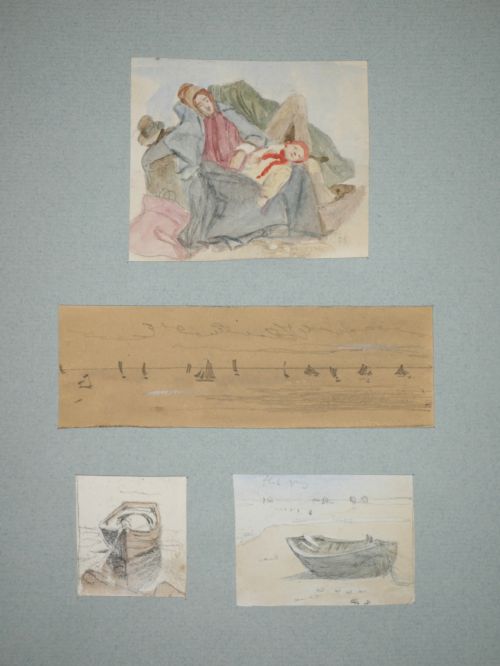
Many artists sketched outdoors directly on the quayside or beach to capture fleeting light and weather conditions before finishing larger works in the studio.
Pocket sketchbooks and loose sheets of paper allowed maritime painters to travel easily along the coastline and record shipping traffic on the spot.