


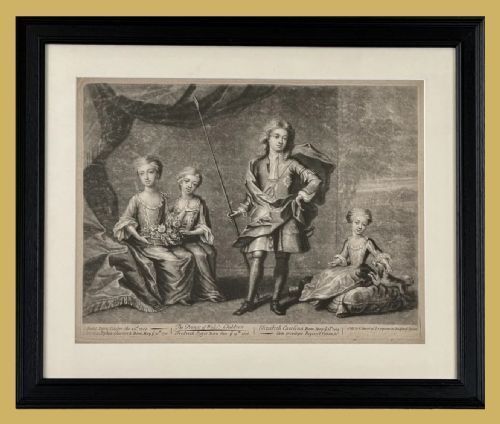
Paper Engraving Art
Paper engraving art brings centuries of printed portraits, classical scenes and cartography into contemporary interiors through ink on paper.
Paper Engraving Art
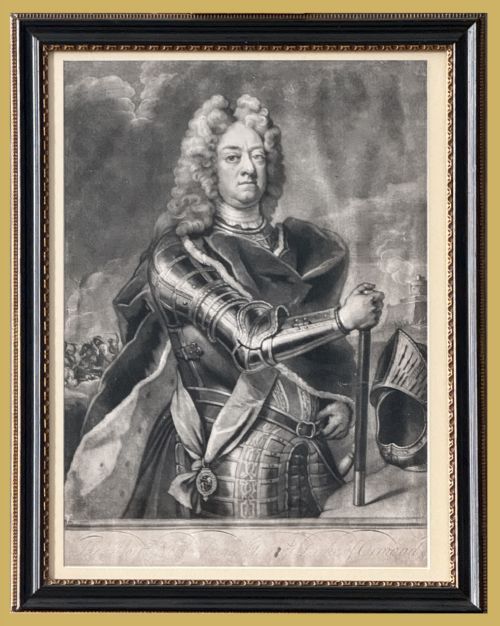
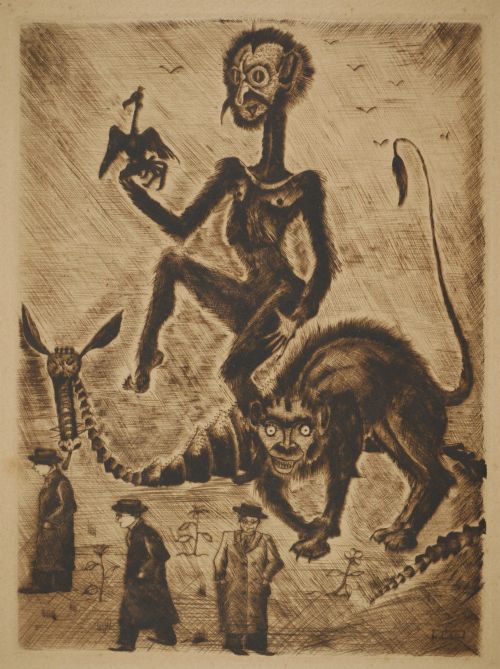
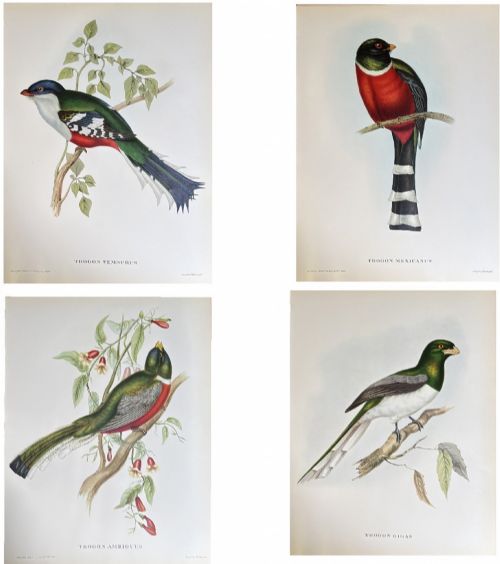
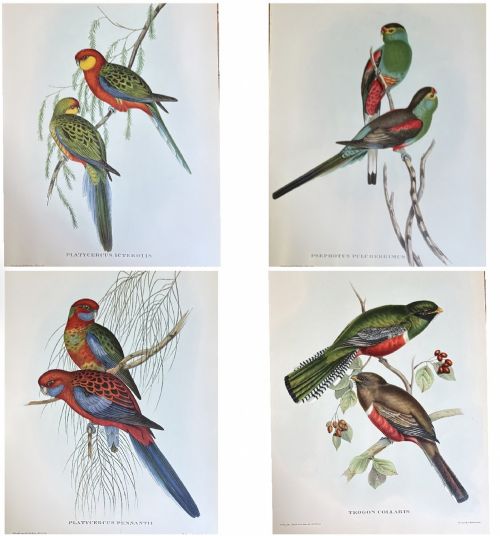
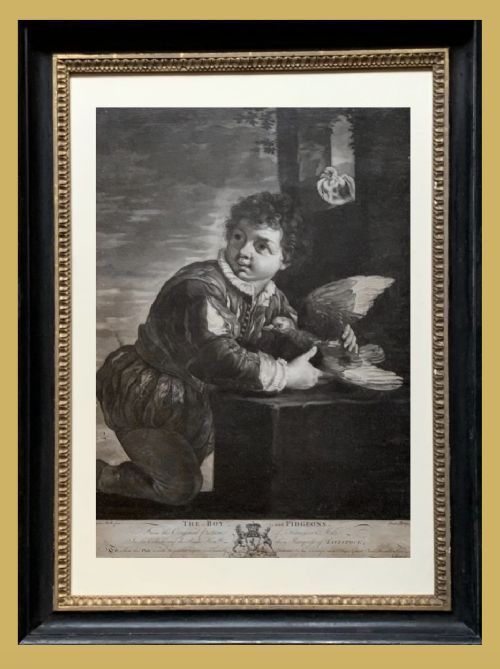
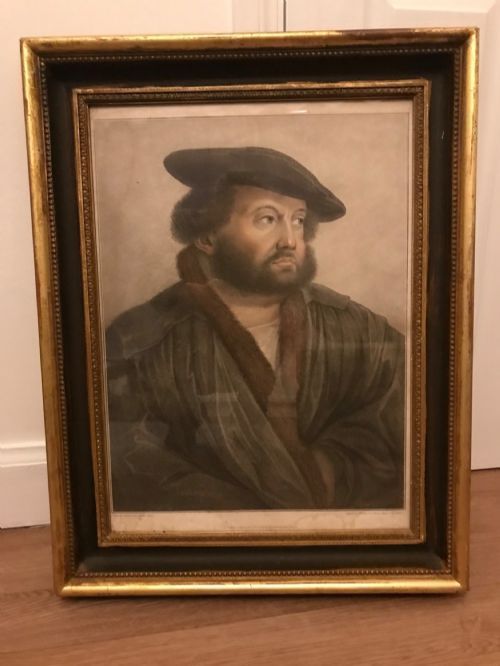
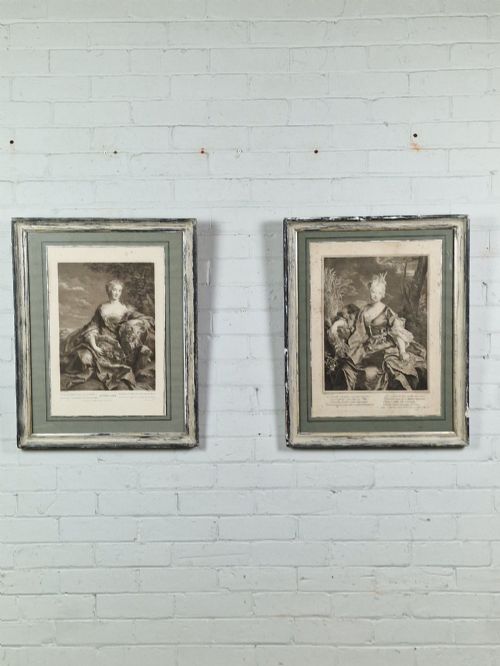
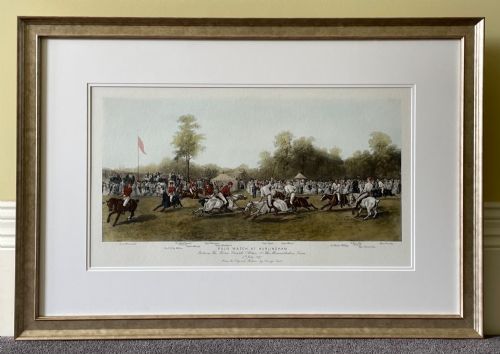
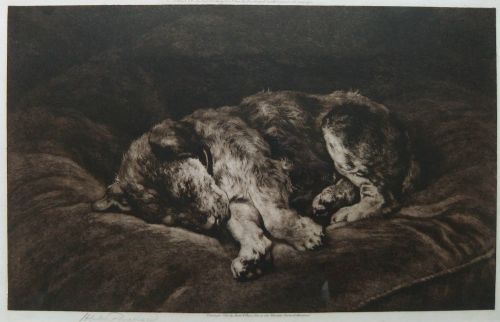
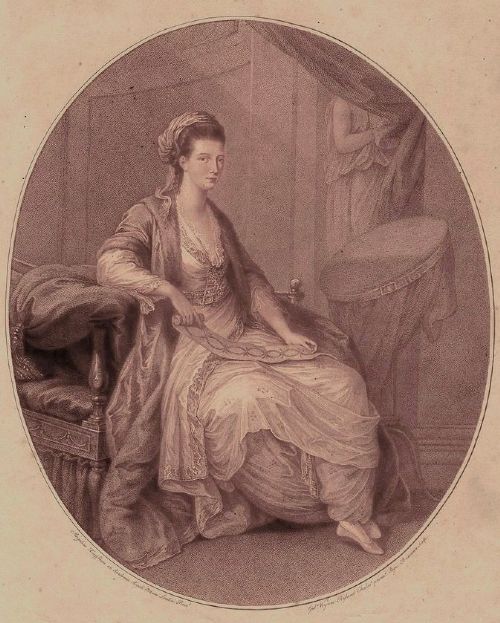
When searching for paper engraving art, buyers encounter historical prints, mezzotints, etchings and lithographs spanning the seventeenth century to the mid twentieth century. These works frequently depict aristocratic portraits, architectural studies, tropical birds and biblical subjects recorded by master printmakers.
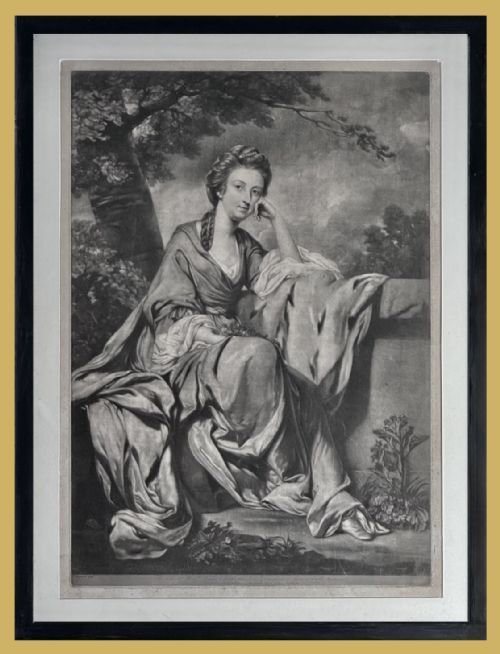
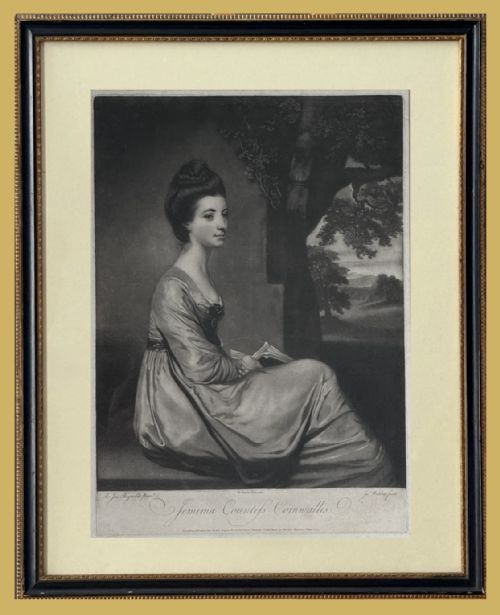
The selections available range from early Georgian mezzotint portraits after Sir Joshua Reynolds to Victorian topographical scenes and Edwardian animal etchings. Many examples are preserved within period wooden frames, often complemented by glass protection and original giltwood mouldings.
Materials and production methods
Makers utilised heavy rag paper as the primary support, applying black and coloured ink through intaglio printing techniques such as copperplate engraving, etching and mezzotint. Master printmakers worked metal plates by hand with burins or rockers to hold ink before transferring the image under high press pressure.
Finished prints often received delicate watercolour tints by hand or were housed behind glass within timber frames, sometimes accented with gold leaf. Gilt wood and Hogarth mouldings provided structural enclosure while protecting the delicate paper surfaces from environmental damage.
Current listings span periods from the seventeenth century through the Victorian era, featuring works produced in ink, watercolour and gold leaf.
Quality factors in historic prints
Distinctions in quality often rest upon the impression state, where early strikes from a newly worked copper plate yield crisp lines and deep tonal gradations. Later impressions show softer plate edges and diminished contrast as the metal wore down through repeated printing.
The condition of the paper sheet and the survival of contemporary margins heavily influence the standing of a piece. Intact plate marks, clean paper free from heavy foxing, and original period framing elevate the historical importance of the work.
John Simon·Kurt Lorein Victor Peiser·John Boydell·Edward Fisher·Francesco Bartolozzi·John Smith·James Watson·Joseph Sympson·W Dickinson·James McArdell·Thomas Watson·François Perrier·Robert Williams·Valentine Green·Jacobus Howbraken·Richard Houston·Adam Buck
The Paper Engraving Art Glossary
- Mezzotint
- A tonal printmaking method where the copper plate is roughened uniformly to produce rich dark areas, then scraped to create highlights. This technique allows for subtle gradients and velvety shadows.
- Etching
- A process where metal plates are coated with acid-resistant ground, drawn through with a needle, and bathed in acid to bite the lines. The resulting recessed grooves hold the ink for the press.
- Stipple engraving
- A method utilising dots of various sizes and densities rather than continuous lines to build up tonal images. It was frequently employed for reproducing delicate skin textures in portraits.
- Plate mark
- The indentation left in the paper by the edge of the metal plate during the printing process under high pressure. Its presence confirms an authentic intaglio impression.
- Foxing
- Brown spots and discolouration caused by chemical reactions in the paper over long periods of humidity and age. It is a common characteristic in antique paper works.
Paper Engraving Art: Frequently Asked Questions
How should I hang antique prints?
Position paper engraving art away from direct sunlight to prevent the ink and paper from fading over time. Utilise stable wall fixings and maintain consistent indoor humidity to protect the frame and paper support.
Ensure the backing board allows the paper to breathe without trapping moisture against the glass. Professional framing with acid-free mounts safeguards the edges of the sheet.
What is a mezzotint portrait?
A mezzotint portrait is an intaglio print created by roughening a copper plate to hold ink, then scraping areas to produce light. This process creates smooth tonal transitions rather than stark lines.
Master printmakers used this method during the seventeenth and eighteenth centuries to translate oil paintings into highly detailed monochrome prints.
How can I date an old engraving?
Examine the watermark in the paper sheet, the style of the typography used for the sitter's name, and the construction of the frame. Handwritten inscriptions on the reverse often record the original publication date.
Compare the plate dimensions and paper characteristics with established catalogues of the printmaker's known output for precise attribution.
Are these works original prints?
The listings comprise period impressions pulled from hand-worked copper or steel plates during the lifetime of the artist or shortly thereafter. Each sheet reflects the direct results of historical intaglio printing techniques.
Modern mass reproductions differ significantly through dot patterns visible under magnification, whereas antique engravings show genuine plate indentation and ink absorption.