


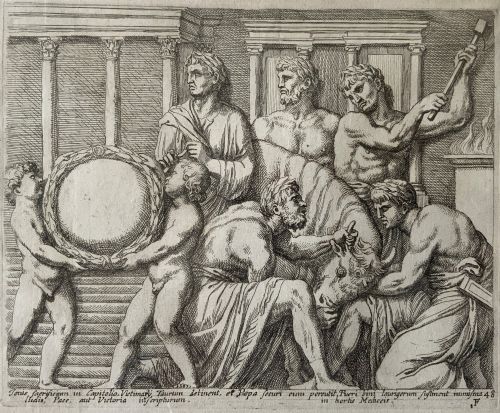
Paper Copperplate Engraving
When you search for paper copperplate engraving, you uncover centuries of graphic art printed from metal plates onto fine sheets.
Paper Copperplate Engraving
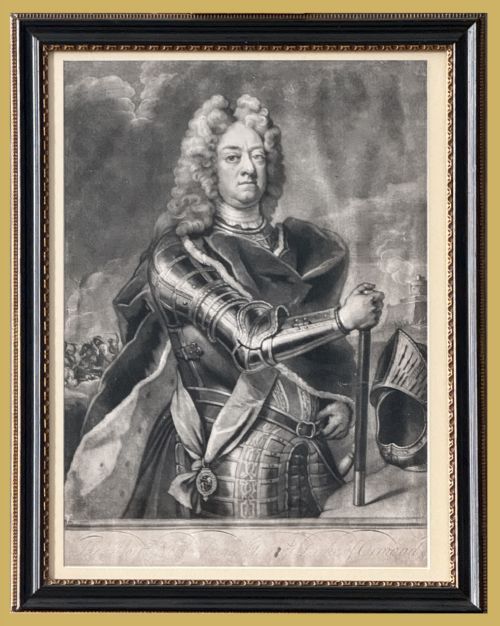
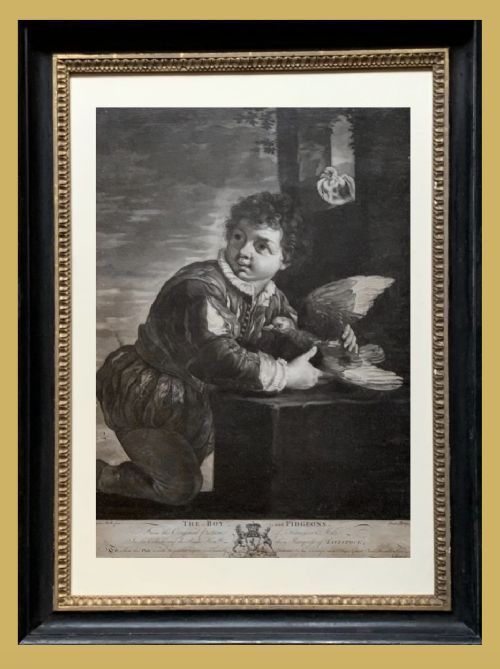
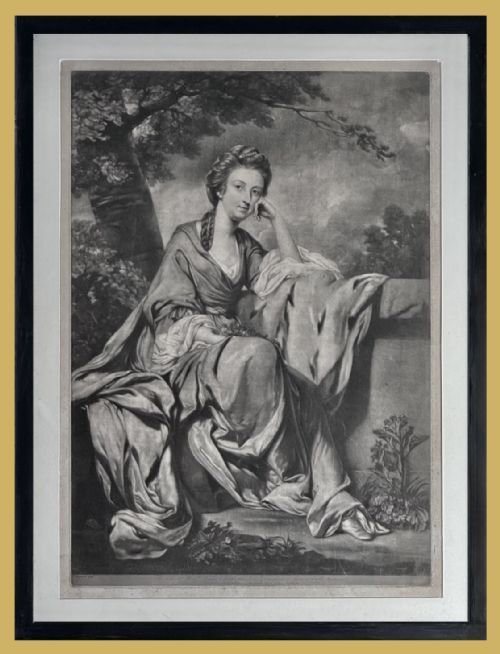
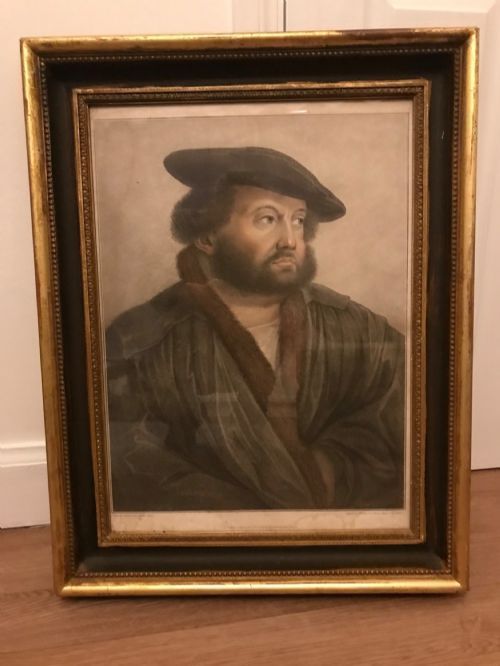
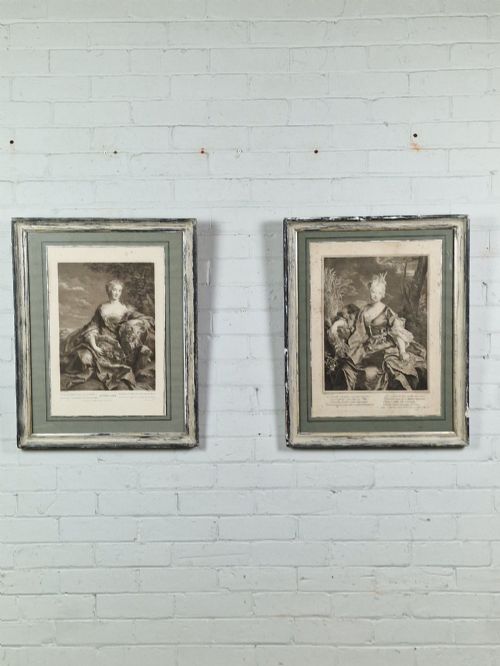
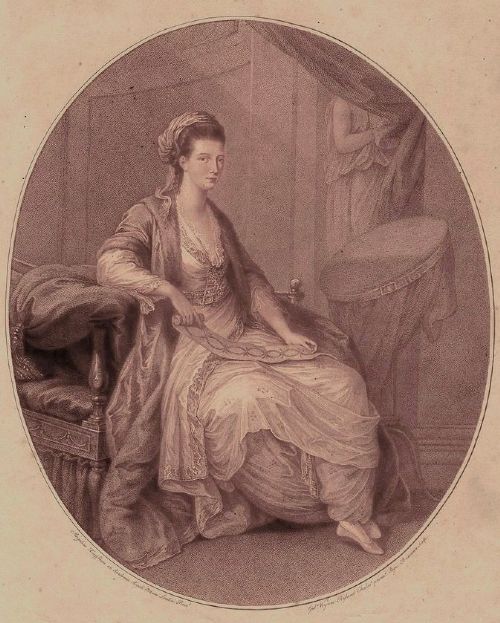
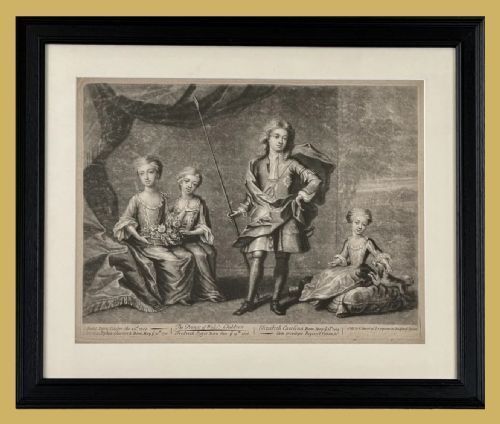
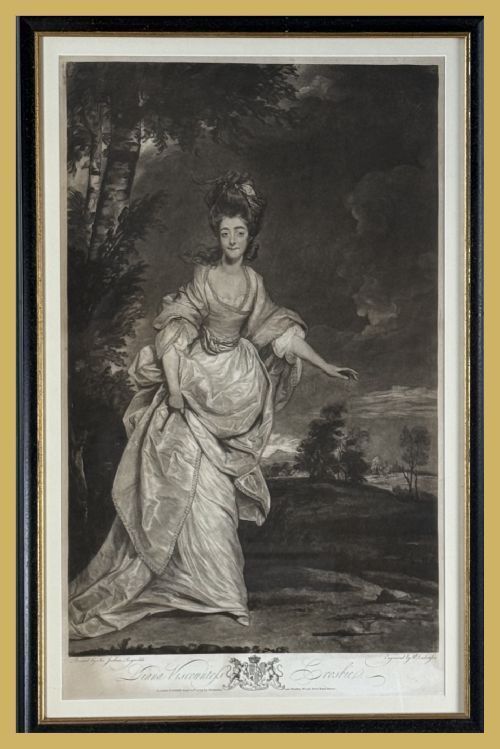
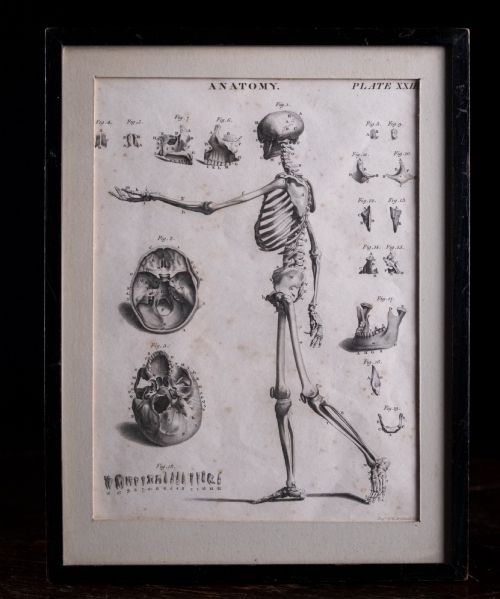
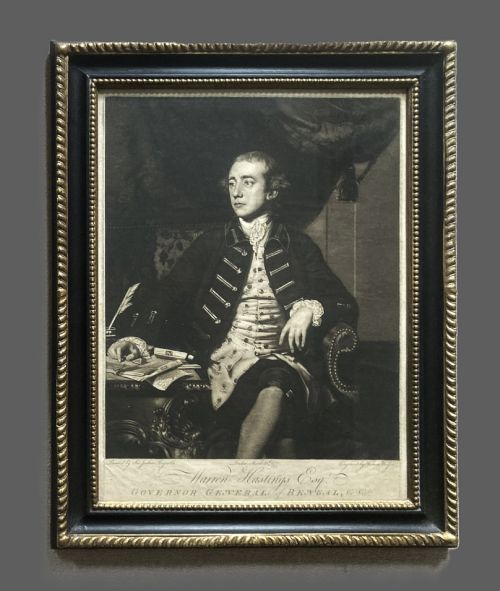
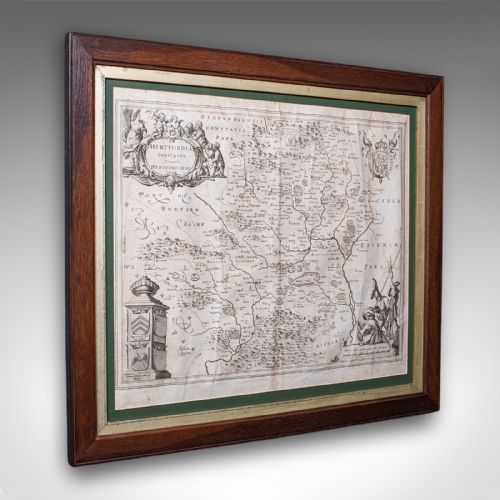
Collectors seeking a paper copperplate engraving encounter a rich array of historic wall art, ranging from portraits and architectural studies to detailed cartography. These works frequently manifest as framed prints originating across the seventeenth, eighteenth, and nineteenth centuries, reflecting periods such as the Georgian and Victorian eras.
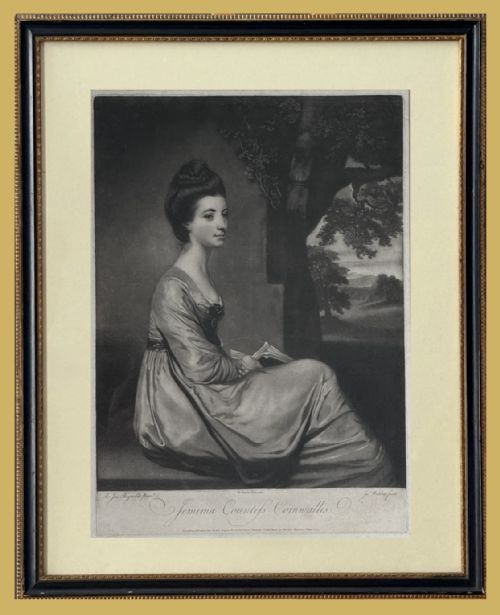
The items found here include mezzotint portraits, classical antiquity etchings, and regional maps housed in period settings like original Hogarth frames or gilt wood surrounds. Such pieces offer a direct link to historical printmaking traditions, capturing subjects from nobility and landscapes to natural history.
The selection on this page relies heavily on eighteenth-century output, dominated by British and continental European printmakers working on handmade paper. Buyers will regularly meet works executed after prominent painters, providing an insight into the collaborative nature of historic reproductive print workshops.
Materials and technique
The primary physical elements involve ink applied to copper plates, which are then pressed onto sheets of paper under considerable pressure to transfer fine lines and tonal gradations. Artisans utilised hand-pulled printing techniques, sometimes incorporating watercolour or gold leaf highlights by hand after the initial monochrome impression.
Framing often complements the artwork using wood, glass, and gilt wood, preserving the delicate paper substrate from atmospheric damage. The integration of period frames, such as those made from moulded timber, provides structural support alongside aesthetic context.
Paper Copperplate Engraving Retail Price Guide 2026
Typical asking prices for paper copperplate engraving among the pieces listed under this phrase on Sellingantiques today, from the lower quarter to the upper quarter. They describe what is for sale here now, not the wider market.
Listings span multiple centuries from the seventeenth to the twentieth, utilising materials such as ink, watercolour, and paper.
Understanding quality differences
Distinctions across the range depend on the crispness of the impression and the wear sustained by the copper plate during the printing process. Early impressions pulled before the engraved lines began to soften exhibit superior clarity and depth compared to later strikes.
The fidelity of the ink transfer, the preservation of the paper margins, and the authenticity of the surrounding frame significantly influence the standing of an individual piece. Works demonstrating skilled plate wiping and careful handling over centuries maintain greater visual impact.
John Simon·John Boydell·Edward Fisher·Francesco Bartolozzi·John Smith·James Watson·François Perrier·Jacobus Houbraken
The Paper Copperplate Engraving Glossary
- Copperplate engraving
- A intaglio printmaking process where incisions are carved into a metal sheet to hold ink. The surface is wiped clean before damp paper is pressed into the grooves.
- Mezzotint
- A tonal printmaking method where the copper plate is roughened uniformly to produce dark areas, then scraped and burnished to create lighter gradients. This technique achieves subtle shifts in shade without relying on line work.
- Etching
- A method where metal plates are coated with an acid-resistant ground and drawn through with a needle, allowing acid to bite the exposed lines. It allows for a fluid, sketch-like quality in the final printed image.
- Impression
- A single print pulled from a prepared plate onto paper. The quality of an impression can vary depending on whether it belongs to an early or late run from the matrix.
Paper Copperplate Engraving: Frequently Asked Questions
How should I hang an antique engraving?
Protect the paper and ink by positioning the piece away from direct sunlight and excessive moisture.
Ensure the frame hangs securely on interior walls using appropriate fixings suited to the weight of the timber and glass.
What is the difference between an etching and an engraving?
An engraving relies on physical cutting tools pushed directly into the metal plate to form sharp, clean lines.
An etching uses acid to bite the drawn lines into the metal, producing a softer and more expressive stroke.
Are these prints coloured originally?
Many historic impressions were issued strictly in monochrome black or sepia ink as works of pure graphic art.
Some map and subject prints received hand colouring using watercolours shortly after printing, while others remain uncolored.
How do I identify the period of a print?
Examine the paper characteristics, watermark evidence if visible, and the stylistic conventions of the depicted subject matter.
Typography, plate marks, and framing styles also offer reliable clues to determine the era of production.