



Paper Architectural Print
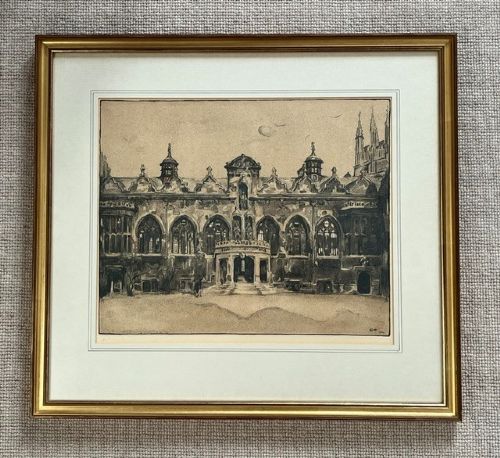
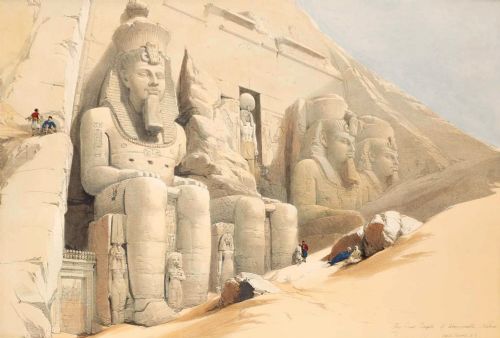
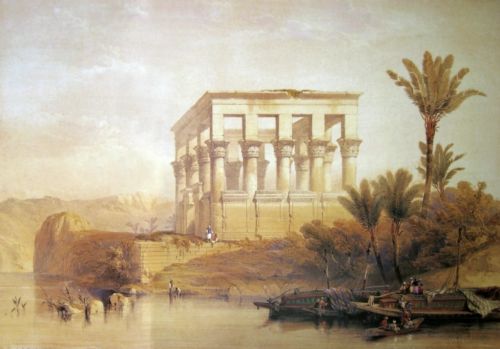
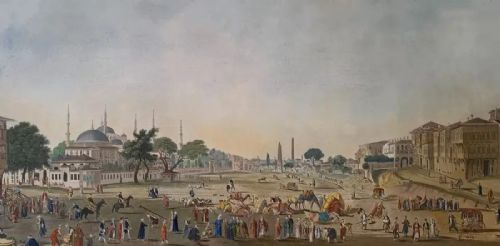
Paper architectural print works of art bring classical facades and grand interiors into domestic spaces through detailed ink and watercolour.
Paper Architectural Print
A paper architectural print represents buildings, streetscapes, and ancient ruins recorded through centuries of draughtsmanship and printmaking. Buyers seek these works to bring structured perspective and historical depth to interior spaces.
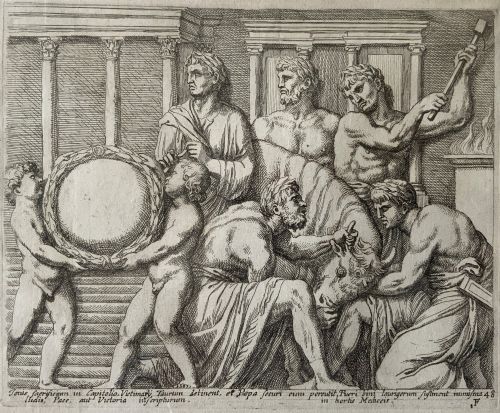
The selections available here span from seventeenth-century classical antiquity etchings to twentieth-century lithographs and watercolours. Architectural prints, engravings, and drawings form the core of this group, alongside framed topographical and landscape views.
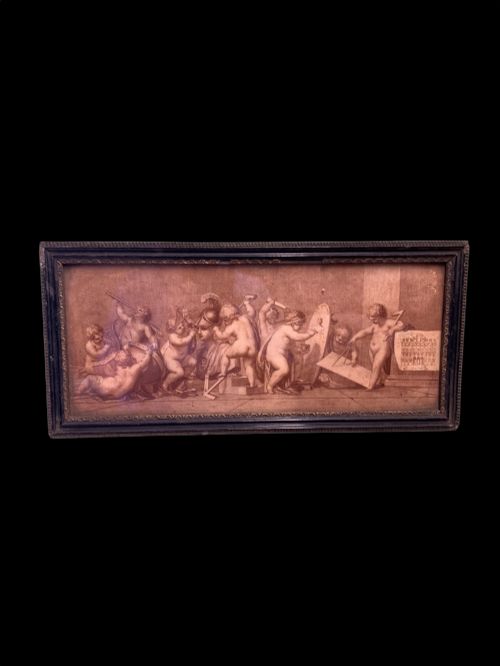
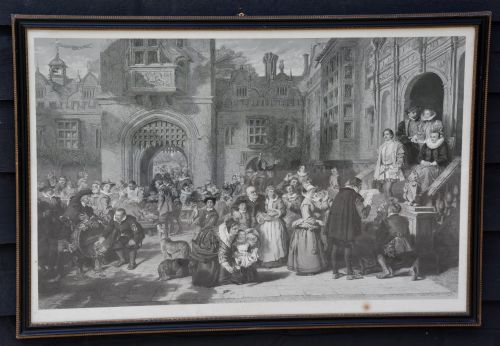
Examples range from grand scale plates depicting European cathedrals and classical temples to intimate studies of bridges and palaces. Many items arrive framed in period timbers such as mahogany or gilt wood, preserving the original presentation.
How They Were Made
Makers produced these works using paper as the primary support, applying ink, watercolour, and occasionally gold leaf by hand. Etchings and engravings required metal plates incised with fine lines, whilst lithography used stone or metal blocks to capture precise architectural details.
Many sheets received hand colouring in watercolours after the initial printing process, adding depth to stone facades and skies. Finished works frequently found protection beneath glass and within bespoke wooden frames, such as original Hogarth moulds.
Paper Architectural Print Retail Price Guide 2026
Typical asking prices for paper architectural print among the pieces listed under this phrase on Sellingantiques today, from the lower quarter to the upper quarter. They describe what is for sale here now, not the wider market.
Several architectural drawings preserve the youthful hand of student draughtsmen recording royal palaces and Gothic history.
What Varies in Quality
Quality rests upon the crispness of the line work and the fidelity of the architectural perspective drawn by the artist. Fine impressions retain sharp definition in intricate masonry and lettering, whereas worn plates yield blurred shadows and softened edges.
The integrity of the paper support and the presence of contemporary hand colouring distinguish superior examples from standard strikes. Original framing, particularly period wooden or gilt surrounds, enhances the contextual value of the piece.
Sir William Nicholson·François Perrier·David Roberts·Anton Ignaz Melling·Claes Jansz Visscher·Edgar J. Maybery
The Paper Architectural Print Glossary
- Etching
- A printmaking technique where acid bites lines into a metal plate protected by a wax ground. This method allows for fluid, expressive lines in architectural illustrations.
- Lithography
- A planographic printing process based on the chemical repulsion of oil and water. Artists use limestone or metal plates to produce tonal gradations suitable for architectural views.
- Engraving
- A method of cutting design lines directly into a metal plate using a hardened steel tool called a burin. This produces clean, precise geometric lines ideal for technical structures.
- Neoclassical
- A style drawing inspiration from the classical art and culture of ancient Greece and Rome. Architectural prints from this movement emphasise symmetry, columns, and classical ruins.
- Gilt wood
- Wood coated with a thin layer of gold leaf or gesso powder treated to look like gold. Frames finished this way often accompany fine eighteenth and nineteenth-century prints.
Paper Architectural Print: Frequently Asked Questions
How do I hang a framed architectural print safely?
Support the weight using appropriate wall fixings matched to the timber frame and glass size. Hang the piece out of direct sunlight to protect the paper and watercolour pigments from fading.
Ensure the wall brackets securely hold the hanging wire or rings attached to the original or period frame. Check the stability of the backing boards before mounting.
Are these architectural works original period pieces?
The listings comprise works created across multiple centuries, from seventeenth-century etchings to twentieth-century drawings and prints. Each item reflects the printing techniques and materials of its specific era.
Examination of the paper stock, ink application, and framing details helps confirm the historical context of each individual sheet.
Can I remove prints from their original frames?
Retaining prints within their original or period frames preserves the historical integrity of the object. Removing them risks damaging fragile paper edges and historical mountings.
Consult a professional conservator if the backing requires inspection or stabilization for preservation purposes.