





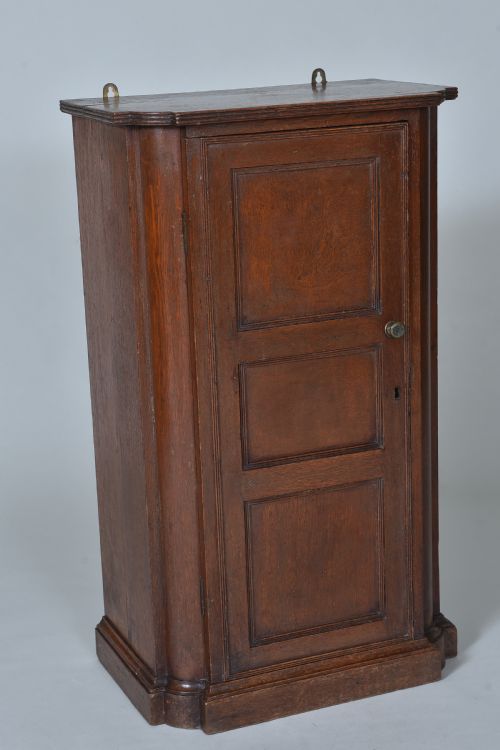


Panelled Door Wall Cabinet
These panelled door wall cabinet pieces are compact storage units built to hang on walls or sit on tables, bringing period character to smaller spaces.
Panelled Door Wall Cabinet
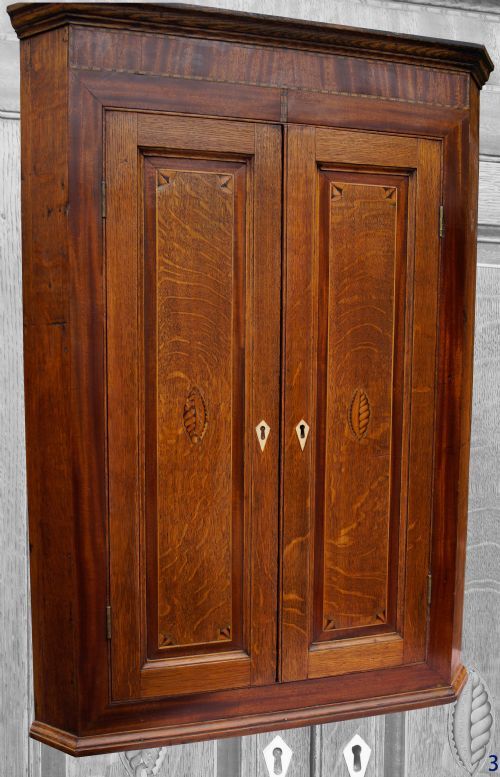
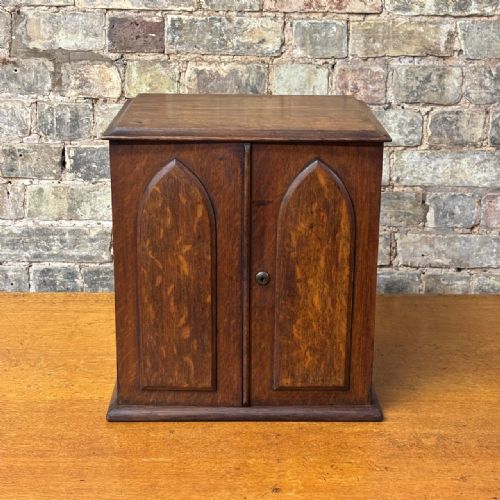
When you search for panelled door wall cabinet, you encounter hanging cupboards, corner units, and table cabinets built to hold small household items. The forms span the eighteenth and nineteenth centuries, taking shape in regional workshops and larger estates.
Oak dominates the selection, joined by walnut, mahogany, and fruitwood alongside pine and limewood. Many examples take the form of corner cupboards designed to utilise awkward angles in period rooms.
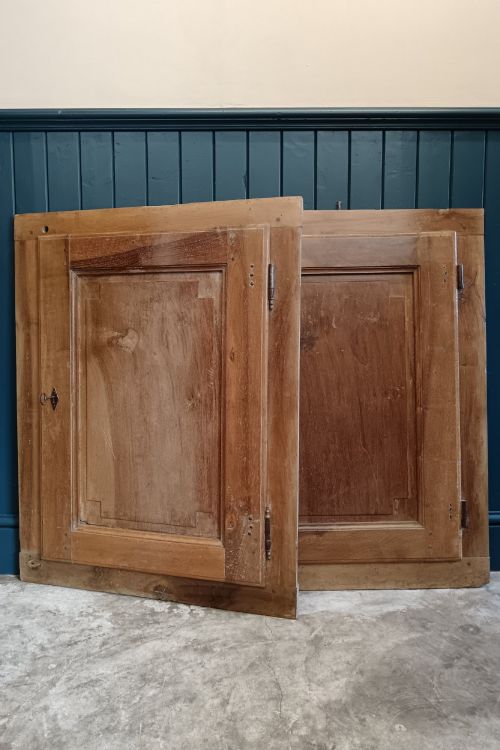
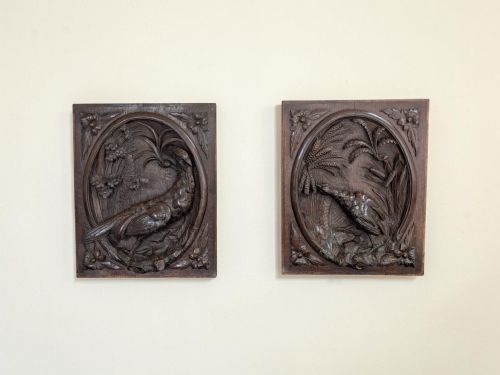
Styles range from straightforward Georgian country work to Gothic Revival and French Provincial interpretations. Architectural salvage elements such as carved panels and cupboard doors also appear within this group.
How they were made
Solid timber construction defines these pieces, utilising oak, mahogany, and walnut joined with traditional methods suited to daily domestic use. Panels are set into frames to allow for natural timber movement over decades of fluctuating humidity.
Iron and brass hinges, latches, and escutcheons secure the doors, reflecting the hardware available during the Georgian and Victorian eras. Surface treatments include plain waxed timber, painted finishes, and ebonised details.
Forms range from corner cupboards and table cabinets to architectural salvage doors and hanging wall shelves.
What varies in quality
The standard of carving and the selection of timber set individual pieces apart from standard utility work. Finely figured grain and deeply cut linenfold or geometric panels indicate a maker who spent extra time at the bench.
Proportion and the retention of original brass or iron hardware influence the character of a cabinet. Estate-made pieces show simpler local construction, whereas workshop items often display more refined mouldings and joints.
The Panelled Door Wall Cabinet Glossary
- Linenfold
- A style of wood carving that imitates folded linen, commonly seen on panels from earlier periods. This technique creates a textured surface across flat timber planes.
- Corner cupboard
- A cabinet specifically shaped with an angled back to fit snugly into the corner of a room. These units maximise floor space while providing reachable storage.
- Table cabinet
- A small storage box with doors designed to sit on a desk or table rather than hang on a wall. They offer compartmentalised space for documents or precious items.
- Architectural salvage
- Building elements removed from older structures, such as doors, panels, and frames, repurposed for display or interior integration. These fragments preserve historic joinery and carving.
- Ebonised wood
- Timber treated with a chemical process or stain to resemble ebony. This dark finish gained popularity during the Victorian era for contrast.
Panelled Door Wall Cabinet: Frequently Asked Questions
Where do I hang a wall cabinet?
These cabinets need solid fixings screwed into wall studs or masonry to support their weight safely. Hang them at eye level in kitchens, hallways, or bathrooms where their depth will not obstruct passage.
Ensure the wall space allows the panelled doors to swing fully open without hitting adjacent walls or furniture.
How do I clean an antique cabinet?
Dust the timber regularly with a soft, dry cloth to prevent grit accumulation on the surface. Avoid modern silicone sprays and wet cloths, which can damage old wax and polish.
Feed the dry wood occasionally with a traditional beeswax polish applied sparingly and buffed gently with a clean cloth.
Are these cabinets suitable for damp rooms?
Solid timber reacts to moisture and temperature changes by expanding and contracting. Kitchens and bathrooms with excessive steam can cause old wood and glue joints to stress.
Keep these pieces in rooms with stable ambient climates to preserve the original panels and prevent warping.
How do I date an oak cupboard?
Look at the backboards, joinery methods, and the type of fixings used in the construction. Hand-cut peg joints and irregular sawn marks point toward earlier centuries.
Compare the style of the panel mouldings and hinges with documented examples from the Georgian and Victorian eras.