
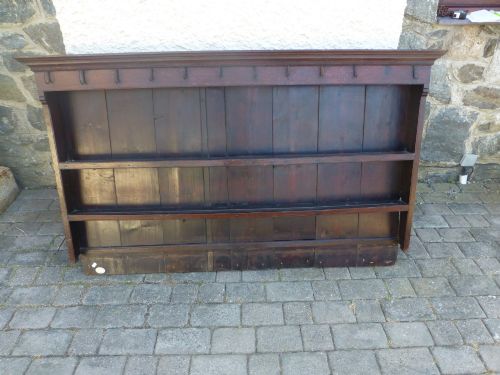
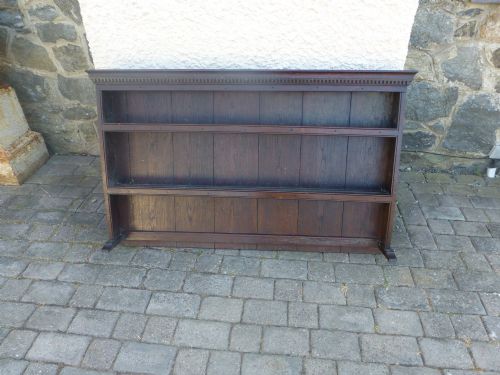
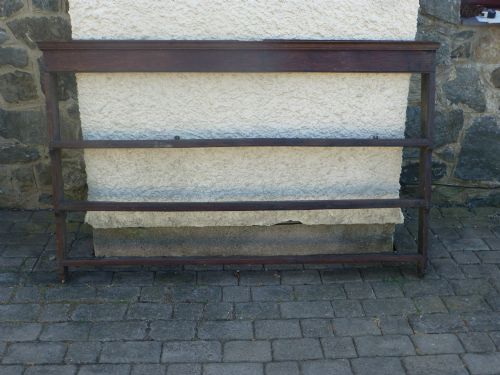
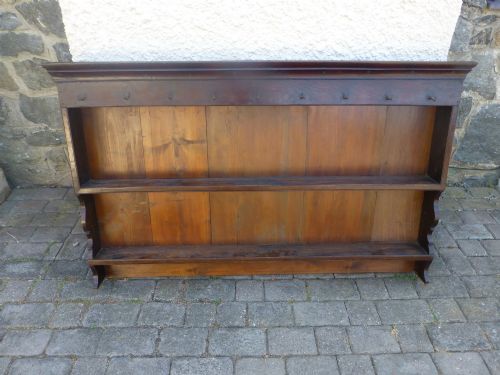


Vintage Wooden Wall Dresser
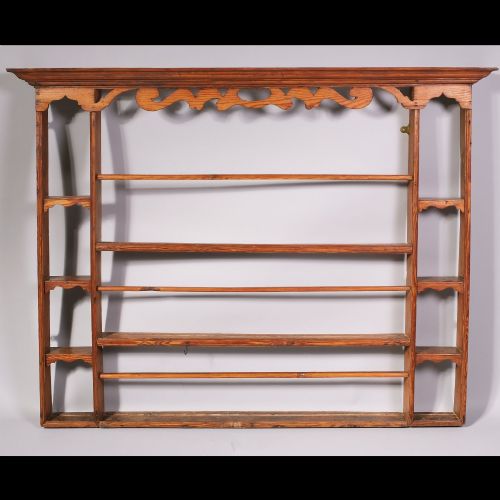
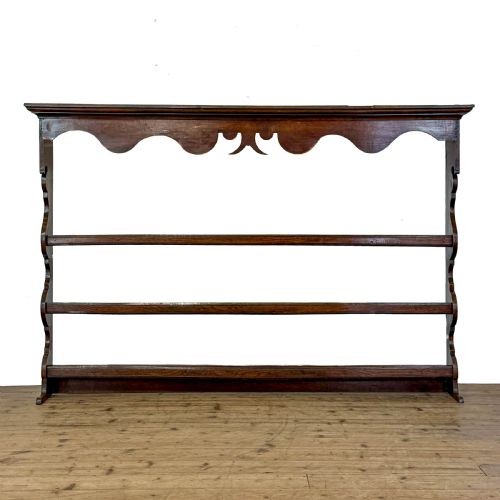
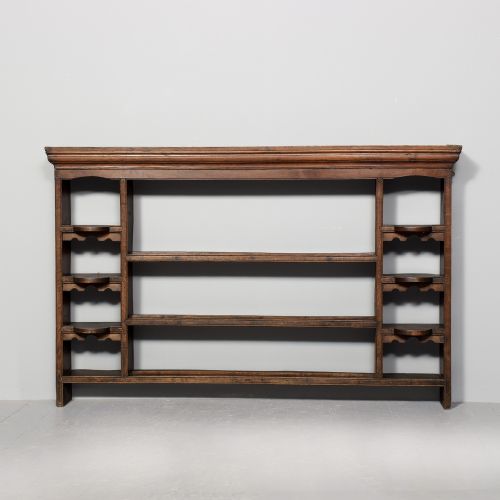
These vintage wooden wall dressers are practical hanging display units that bring centuries of functional British and continental storage into your kitchen or dining room.
Vintage Wooden Wall Dresser
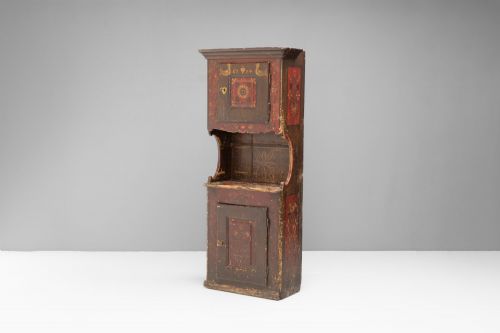
A vintage wooden wall dresser is a wall-mounted storage piece designed to hold plates, platters, and household items without taking up floor space. When you search for this phrase, you encounter a variety of forms including plate racks, wall shelves, hanging racks, and small cupboards.
The pieces on this page span several distinct periods, reaching from the seventeenth century through the Georgian era and nineteenth century up to nineteen-ten. Oak is the primary timber you will see, alongside pine, limewood, and ebonised wood.
Origins vary across English country, French provincial, and Scandinavian country styles, giving you a choice of regional vernacular furniture. Most examples function primarily as open plate racks or enclosed wall cupboards.
Materials and Construction
Carpenters built these wall dressers using solid timbers predominantly in oak and pine, supplemented by limewood and occasional painted surfaces. Iron and brass hardware such as hinges and hooks provide structural support and functional hanging capability.
Construction techniques rely on traditional joinery suited to supporting heavy ceramic plates and dishes against kitchen walls. Surfaces show the marks of hand tool working, ranging from plain timber finishes to painted or ebonised treatments.
Some seventeenth-century oak wall shelves have survived centuries of kitchen steam simply because someone loved their plates enough to build them a proper home.
Assessing Quality and Character
Quality in these wall dressers rests on the choice of timber, the integrity of the original construction, and the depth of surface patina. Pieces featuring dense oak grain and well-proportioned plate grooves stand apart from simpler utility boxes.
Carved details, such as those found on seventeenth-century or revival pieces, demonstrate higher bench skill than plain boarded shelves. The survival of original iron or brass fixings and untouched surface finishes elevate the standing of any piece.
The Vintage Wooden Wall Dresser Glossary
- Delft rack
- A wall-mounted wooden rack specifically designed with slatted shelves and retaining rails to display delftware plates upright. These shelves allow collectors to showcase ceramic collections safely.
- Plate rack
- A hanging shelf unit featuring vertical grooves or wooden ledges to hold plates securely on display. This form represents the most common layout found in kitchen storage.
- Ebonised wood
- Timber treated with a chemical stain or dark finish to imitate expensive ebony wood. Makers used this technique to create high-contrast decorative furniture.
- Limewood
- A pale, fine-grained hardwood favored by carvers for its even texture and lack of prominent grain. It appears on detailed nineteenth-century wall shelves.
- Provincial
- A term describing furniture made in the regions rather than the capital, exhibiting local vernacular styles. These pieces often display practical, unpretentious construction.
Vintage Wooden Wall Dresser: Frequently Asked Questions
How do I hang a heavy wooden wall dresser?
These pieces require secure fixing directly into wall studs or masonry using appropriate heavy-duty brackets and screws. Because centuries-old oak and pine carry substantial weight, professional installation ensures the wall supports the load safely.
Once anchored, the internal structure can hold plates and heavy ceramics without strain on the hanging points.
What is the difference between a plate rack and a wall shelf?
A plate rack specifically incorporates horizontal ledges or grooves designed to prop plates upright for display. Wall shelves provide flat horizontal surfaces for general storage or ornamental placement.
Both forms mount directly to the wall, but plate racks serve the specialised kitchen function of drying and displaying tableware.
How do I clean an antique wooden wall dresser?
Dust the timber regularly with a dry, soft cloth to prevent particulate buildup in the grain and carved areas. Avoid commercial silicone polishes and wet cloths, which can damage aged wax or oil finishes.
Applying a traditional beeswax sparingly helps nourish dry eighteenth-century or nineteenth-century wood without altering its natural sheen.
Can I use a vintage wall dresser in a modern kitchen?
These rustic units provide practical vertical storage that suits contemporary kitchen layouts just as well as historic interiors. They offer accessible storage for everyday ceramics while adding tactile warmth from aged timber.
Ensure placement avoids excessive moisture and direct heat sources to protect the aged wood and painted surfaces.