



Pale Wood Trestle Table
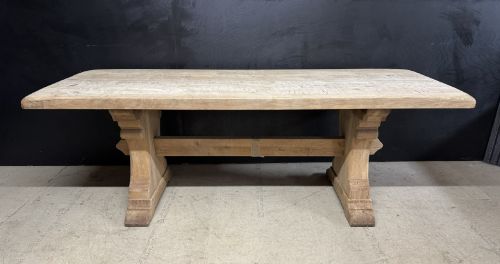
A pale wood trestle table offers robust utility and honest charm, bringing a bright, weathered surface to dining and kitchen spaces.
Pale Wood Trestle Table
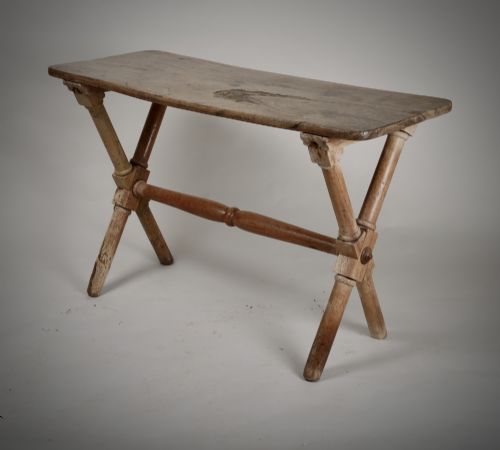
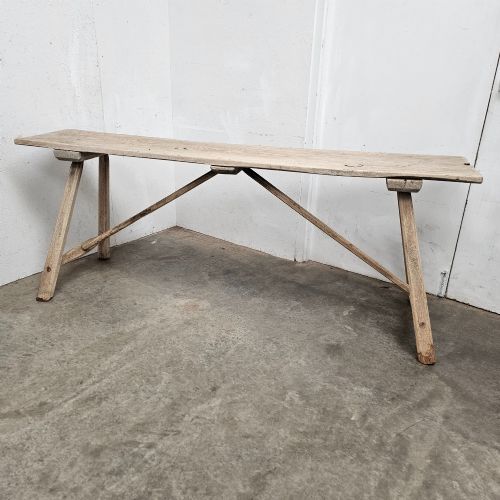
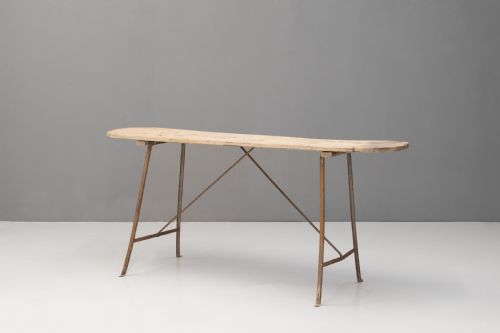
A pale wood trestle table is primarily an unpainted or scrubbed dining surface supported by end uprights rather than four corner legs. When searching for a pale wood trestle table, buyers frequently encounter French provincial examples alongside Swedish and Italian country pieces.
The evidence shows these tables emerging from the nineteenth century, the Edwardian period, and up through nineteen twenty. Forms range from dedicated dining tables and console tables to kitchen tables and servers.
Most pieces display deliberate surface treatments such as scrubbing or bleaching to reveal the natural grain. Oak, pine, sycamore, and elm dominate the construction, often paired with poplar or wrought iron details.
Materials and construction
Makers utilised solid timbers like oak, pine, sycamore, elm, and poplar to build these robust surfaces. These woods provided the necessary strength for daily domestic and commercial use.
Surfaces were frequently scrubbed or bleached during their history to lighten the timber tone. This process involved scouring the wood grain with water and abrasives, removing old finishes to expose the pale raw material beneath.
Scrubbed laundry tables spent generations enduring soapy water and bristle brushes before retiring to the dining room.
Evaluating quality and character
Quality rests in the integrity of the timber selection and the honesty of the surface scrubbing. Tables combining denser hardwoods like sycamore and elm with solid oak framing demonstrate superior durability.
Proportion and the execution of the trestle supports dictate the visual balance of the piece. Well-balanced joints and substantial footings separate standard utility tables from finer country examples.
The Pale Wood Trestle Table Glossary
- Trestle table
- A table consisting of two or more supports connected by a horizontal beam holding a flat top. This form allows for maximum legroom along the length of the surface.
- Scrubbed pine
- Timber that has been repeatedly washed and scoured to produce a pale, matte finish. It removes darker historical waxes and stains.
- Bleached oak
- Oak timber treated with chemical agents to lighten its natural dark tone. This finish creates a uniform, pale surface favoured in continental country interiors.
- Refectory table
- A long dining table traditionally used in monastic dining halls. The term describes substantial communal tables built for long-term service.
- H stretcher
- A horizontal timber brace shaped like the letter H that connects the lower legs of a table. It adds structural rigidity to the frame.
Pale Wood Trestle Table: Frequently Asked Questions
How do I clean a scrubbed pine table?
Scrubbed pine benefits from gentle cleaning with warm water and mild soap using a soft brush along the grain. Avoid harsh chemical solvents that strip the natural character of the bleached timber.
Allow the wood to dry thoroughly after cleaning to prevent warping. Regular application of clear wax can protect the pale surface from daily staining.
Are these tables suitable for everyday family dining?
These tables were originally built for heavy domestic use in farmhouses and kitchens. Their robust timber construction makes them resilient partners for daily meals and gatherings.
Minor marks and historical wear add to the character of scrubbed and bleached surfaces rather than detracting from their utility.
How do I identify a nineteenth-century French country table?
Nineteenth-century French country tables often utilise regional timbers like sycamore, elm, and poplar alongside oak. Their construction reflects traditional provincial joinery methods without modern metal fasteners.
Look for the characteristic scrubbed or bleached finish that distinguishes these continental dining pieces from later reproductions.