



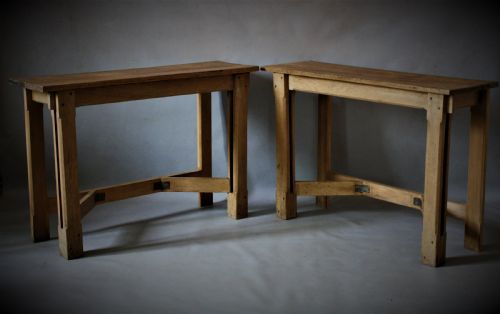

Narrow Rustic Hall Table
A narrow rustic hall table brings honest charm to a tight entryway, offering solid timber construction and practical surface space without crowding the floor.
Narrow Rustic Hall Table
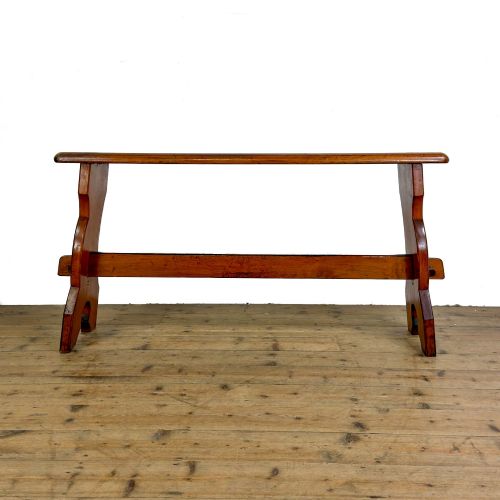
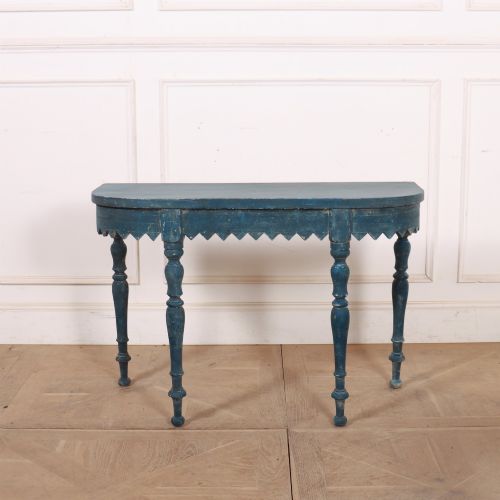
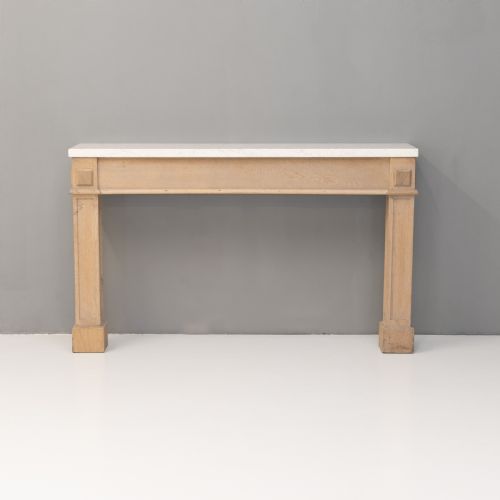
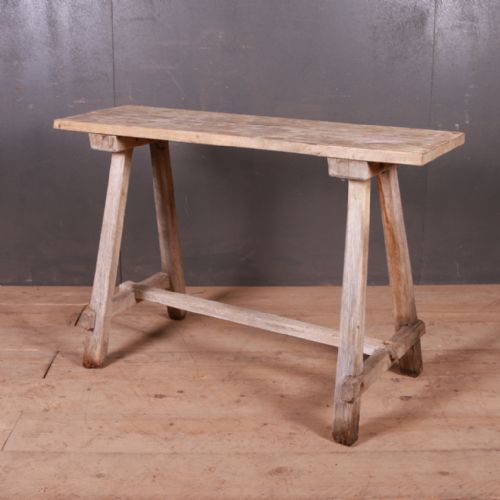
The versions you are most likely to meet on this page span several regional country styles, including English Country, French Provincial, French Country, Scandinavian Country, and Victorian Country. They appear in forms like narrow pitch pine freestanding tables, bleached oak console tables, scrubbed sycamore and elm trestle tables, and painted side tables.
These tables serve the practical purpose of holding everyday items in narrow spaces while displaying the grain and age of their wood. Whether built with a simple bow end or supported by trestle ends, each piece reflects the utilitarian needs of domestic spaces from past centuries.
How they were made
Makers built these tables using sturdy domestic and imported timbers such as pine, pitch pine, oak, sycamore, and elm, often leaving the wood in its natural state or applying paint and bleached finishes. Scrubbed surfaces and painted wooden finishes reveal the working life of the timber, whilst specific forms utilise marble inserts or potboards for added utility.
Construction techniques focus on daily utility rather than elaborate ornamentation, resulting in robust joints and functional silhouettes like trestles and console frames. Joinery reflects traditional workshop practices suited to producing durable furniture for hallways, side rooms, and country interiors.
Listings feature woods such as pine, pitch pine, oak, sycamore, and elm, spanning periods from the Victorian era and the Edwardian years through to the early twentieth century.
What varies in quality
The distinction between ordinary and superior examples lies in the selection of timber, the integrity of the original construction, and the preservation of honest patination. Tables featuring dense pitch pine, scrubbed sycamore, or bleached oak display a depth of grain and surface texture that simpler secondary woods lack.
Proportion and structural balance also dictate quality, as narrower formats must maintain stability while serving as console or side tables. The retention of original painted finishes or honest scrubbed surfaces elevates a piece above those with modern interventions.
The Narrow Rustic Hall Table Glossary
- Console table
- A table designed to be fixed against a wall or left freestanding, typically narrow in depth to suit hallways and narrow spaces. These pieces often feature two or four legs and support decorative objects or everyday items.
- Trestle table
- A table comprising a horizontal beam supported by two vertical or angled feet at each end. This form provides sturdy support and generous legroom beneath the surface.
- Pitch pine
- A durable, resinous variety of pine known for its prominent grain pattern and strength. It frequently appears in nineteenth-century utilitarian furniture.
- Scrubbed finish
- A wooden surface cleaned repeatedly with water and a stiff brush, removing accumulated grime and leaving a pale, tactile texture. This treatment is common on country kitchen and hallway tables.
- Potboard
- A lower shelf fitted beneath a dresser base or server, originally intended for storing heavy pots and pans. In hallway tables, it provides an additional tier for display or storage.
Narrow Rustic Hall Table: Frequently Asked Questions
Where should I place a narrow rustic hall table?
These tables suit narrow corridors, small entryways, and landings where floor space is limited. Their shallow depth allows them to sit flush against a wall without obstructing foot traffic.
They also function effectively behind sofas or as side tables in living rooms, providing surface space for lamps and small objects.
How do I care for scrubbed or painted wood?
Dust timber surfaces regularly with a dry cloth and avoid excessive moisture, particularly on scrubbed or unsealed wood. Wax can be applied sparingly to nourish older oak and pine.
Painted surfaces require gentle cleaning with a damp cloth, avoiding harsh chemical cleaners that might strip the historic finish.
What is the difference between a console table and a trestle table?
A console table typically stands on four legs and sits closely against a wall to display items or support a mirror. Its frame prioritises a slim profile for tight spaces.
A trestle table uses end supports joined by a central stretcher, offering robust stability and an open structure beneath the top.
Can I use these tables for daily heavy use?
Most of these pieces were originally built for practical domestic tasks in country homes, making them structurally robust for daily life. Solid timber construction handles regular placement of everyday items.
Care should be taken with delicate painted surfaces or antique joints, ensuring heavy loads do not compromise stability.