


Antique Scrubbed Wood Table
An antique scrubbed wood table brings utility and history into a room through pale timbers and generous proportions.
Antique Scrubbed Wood Table
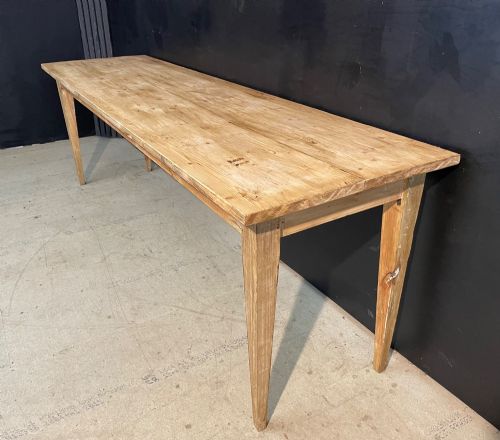
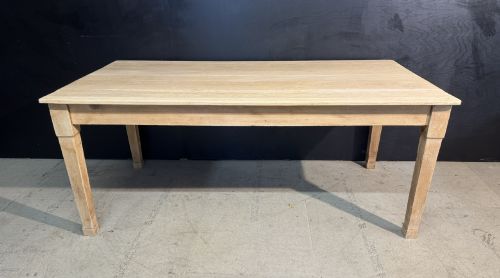
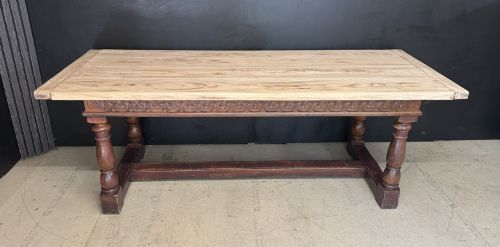
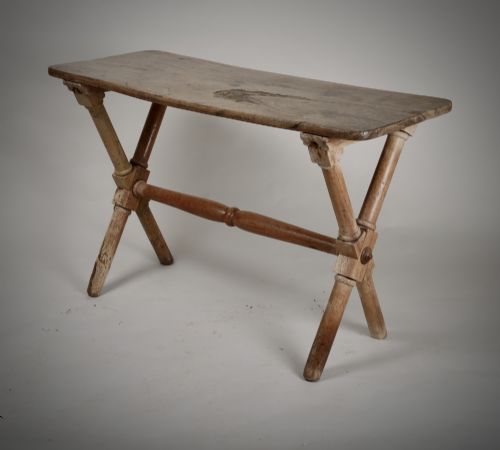
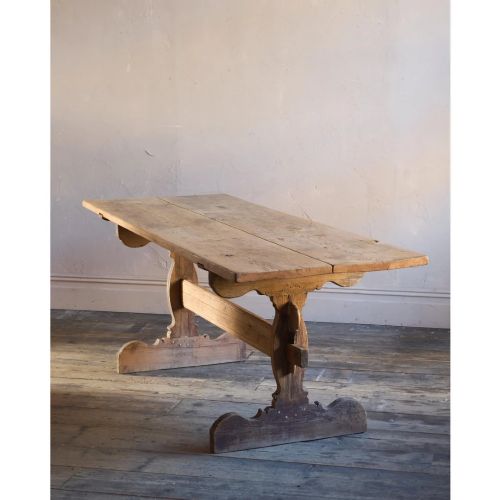
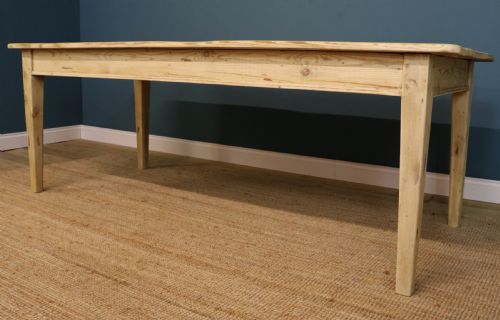
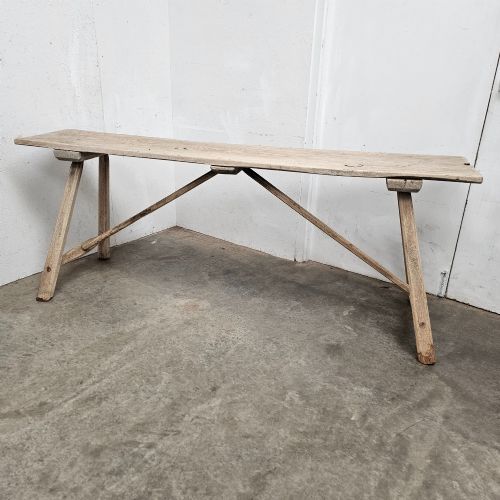
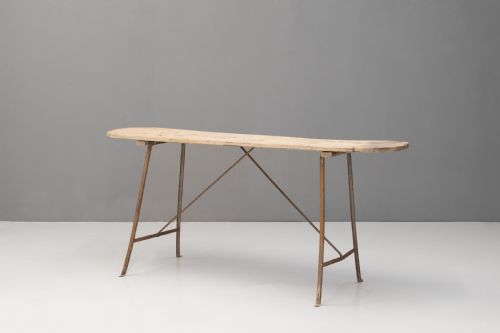
An antique scrubbed wood table is a utilitarian surface designed for preparation, dining, or tavern use, which has been cleaned down to the bare grain over generations of scrubbing. You will frequently encounter pine and oak examples dating from the eighteenth and nineteenth centuries, often manifesting in French, Swedish, and Welsh regional vernacular styles. These pieces range from substantial kitchen and dining boards to smaller trestle, console, and laundry tables.
The most common formats on this page are dining tables and trestle tables originating from French and Swedish workshops. These surfaces typically display the marks of hard daily work, from dairy preparation to domestic laundry. Buyers select these tables for their washed, pale timber tops and sturdy frames which anchor a kitchen or living space.
How they were made
Carpenters constructed these tables using native timbers such as pine, oak, sycamore, elm, and poplar, selected for local availability and strength. Boards were joined to sturdy legs or trestle bases, sometimes utilising cross frames or brass fittings for stability.
Surfaces were subjected to regular scrubbing with water and harsh soaps, which stripped away old finishes and left the characteristic pale, tactile grain. Some examples retain traces of historical paint, such as Swedish Falu red, on their skirts and bases while the tops remain raw.
Listings feature pine, oak, sycamore, elm, poplar, and ash timbers across eighteenth and nineteenth-century periods.
What varies in quality
Proportion and timber selection set the finer examples apart from standard utilitarian pieces. Tables built with dense sycamore and elm combinations, or heavy oak, display greater structural integrity than softer pine variants.
The degree of scrubbed finish and the honesty of the timber's ageing determine the visual appeal. Pieces retain character when the boards show deep historical wear rather than aggressive modern sanding.
The Antique Scrubbed Wood Table Glossary
- Scrub top
- A wooden table top that has been aggressively washed over decades to remove surface dirt and finish, exposing the pale grain. This process creates a tactile surface characteristic of domestic preparation tables.
- Trestle table
- A table consisting of two or more supports connected by a horizontal beam, holding a long top. This construction allows for maximum legroom and dates back to medieval forms.
- Cricket table
- A small, lightweight circular table with three splayed legs, often featuring a triangular undertrust. Originating in Wales and England, these were designed for uneven flagstone floors.
- Falu paint
- A traditional deep red or dark paint derived from copper mine waste in Sweden. It protects timber while giving vernacular furniture a distinctive regional colour.
- Vernacular furniture
- Domestic pieces built by local craftspeople using regional traditions and native woods rather than following high-style academic designs.
Antique Scrubbed Wood Table: Frequently Asked Questions
How do I clean a scrubbed wood table?
Clean the bare timber top using a damp cloth and mild soap, avoiding harsh chemical strippers that damage the aged grain.
Dry the surface thoroughly afterwards to prevent moisture rings in the softwood.
Can I use these tables for daily dining?
These tables were built for heavy domestic use, making them robust choices for modern family kitchens and dining rooms.
Use placemats and coasters to protect the raw timber from stubborn grease or wine stains.
What is the difference between a trestle and a four leg table?
Trestle tables use end supports joined by a central beam, which frees up seating space along the length of the board.
Four legged kitchen tables offer traditional corner posts, often enclosing a handy drawer for utensils.
How can I tell a Swedish table from a French one?
Swedish tables often feature pale pine or specific paint finishes like Falu red and clean geometric lines.
French provincial examples tend to incorporate fruitwoods, sycamore, or elm with softer edges and rustic farmhouse proportions.