





Pale Oak Console Table
A pale oak console table brings warmth and quiet utility to a hallway or living space through pale timber and clean lines.
Pale Oak Console Table
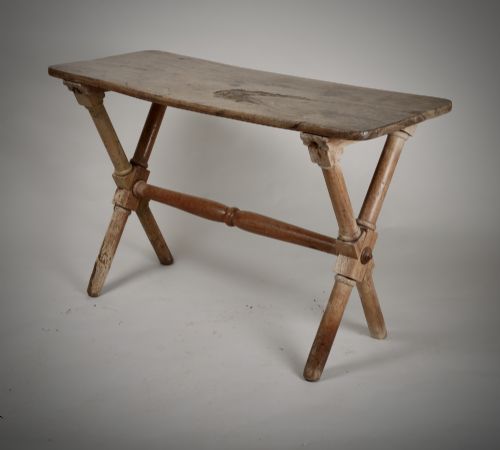
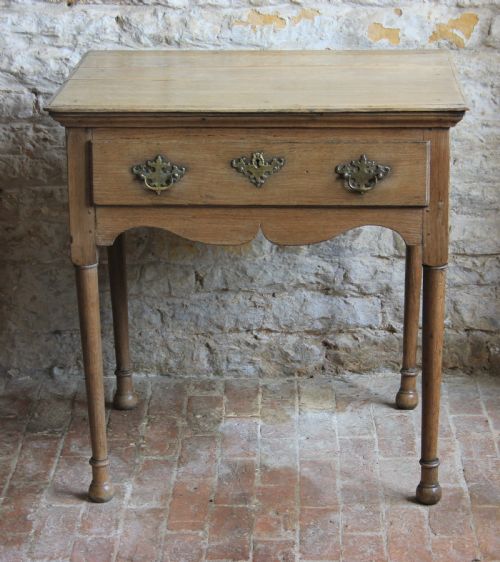
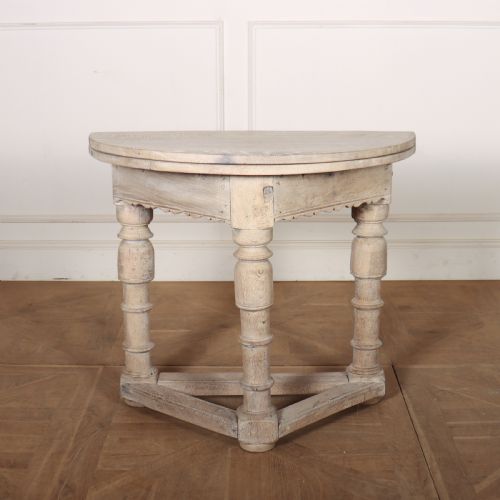
Buyers seeking a pale oak console table will encounter French provincial trestle formats alongside English country dresser bases and Georgian revival pieces. The lighter tones arise either from natural ageing or historic bleaching processes applied to the underlying wood. These tables function well in modern interiors due to their neutral colour and restrained proportions.
How they were made
Construction relies primarily on solid oak, occasionally supported by secondary timbers such as pine or poplar in internal framing or secondary surfaces. Cabinetmakers and carpenters utilised traditional jointing methods to build these tables for daily domestic service. Metal fixtures like brass occasionally appear in hardware, while ebonised wood provides contrast on specific decorative elements.
The characteristic pale finish on these tables comes from decades of scrubbing, sun exposure, or deliberate bleaching treatments designed to lighten the natural grain. Artisans shaped structural elements using hand tools, leaving subtle tool marks that reveal the manual labour involved in their creation. The integration of solid timber boards for table tops ensures durability across centuries of use.
Pale Oak Console Table Retail Price Guide 2026
Typical asking prices for pale oak console table among the pieces listed under this phrase on Sellingantiques today, from the lower quarter to the upper quarter. They describe what is for sale here now, not the wider market.
Listings feature oak, pine, poplar, and ebonised wood across nineteenth and eighteenth century periods.
What varies in quality
Quality in a pale oak console table rests on the selection of timber and the integrity of the original construction rather than surface decoration. Superior examples display balanced proportions and harmonious grain patterns across the primary top boards. The relationship between the legs and the apron determines the structural stability of the whole piece.
The handling of the bleached or natural oak surface distinguishes finer cabinet work from more utilitarian workshop output. Finer pieces retain crisp moulding details and tight joints despite the drying effects of age and environmental shifts. Authenticity of period materials adds significant weight to the standing of any individual table.
The Pale Oak Console Table Glossary
- Console table
- A table designed to stand against a wall, frequently featuring shallow depth to fit narrow spaces like hallways or drawing rooms.
- Lowboy
- A small eighteenth century table with drawers, standing on relatively tall legs, commonly utilised as a dressing or side table.
- Drapers table
- A long, utilitarian work table with a broad surface, originally used in cloth merchant shops and adapted for domestic serving.
- Trestle table
- A table construction where the top rests on two or more supporting frames rather than four individual corner legs.
- Bleached oak
- Oak timber treated with chemical solutions or prolonged exposure to lighten its natural dark tone.
Pale Oak Console Table: Frequently Asked Questions
Where should I place a console table?
These tables suit narrow circulation spaces like entrance halls, corridors, or behind living room sofas where surface space is useful.
Their shallow depth allows them to fit flush against walls without obstructing movement through the room.
How do I care for pale oak?
Dust the surface regularly with a dry cloth and avoid placing the timber in direct sunlight or near heat sources.
Apply occasional clear beeswax to nourish the wood grain without darkening the light finish.
What is a lowboy?
A lowboy is a small table featuring one or more rows of drawers beneath the working surface.
Originating in the eighteenth century, these compact pieces served multiple domestic functions in bedrooms and living quarters.
How do I identify French provincial styles?
French regional pieces often display softer lines, simpler mouldings, and trestle or cabriole supports suited to rural homes.
They prioritise robust utility and local timber species such as oak and poplar over urban sophistication.