
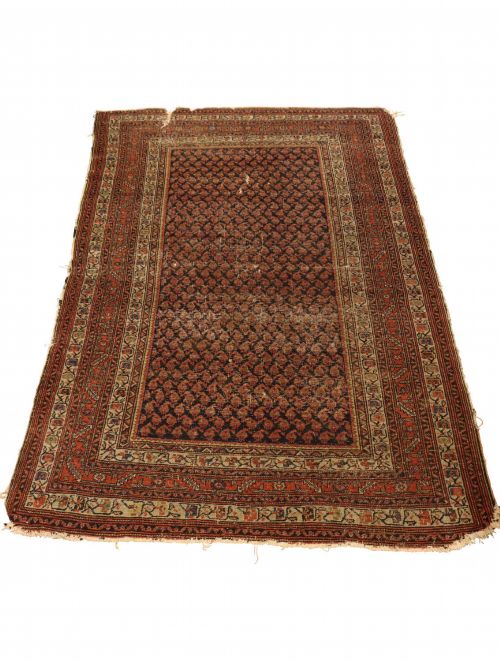


Paisley Oriental Carpet
A paisley oriental carpet brings rich botanical patterns and centuries of weaving tradition straight to your floor.
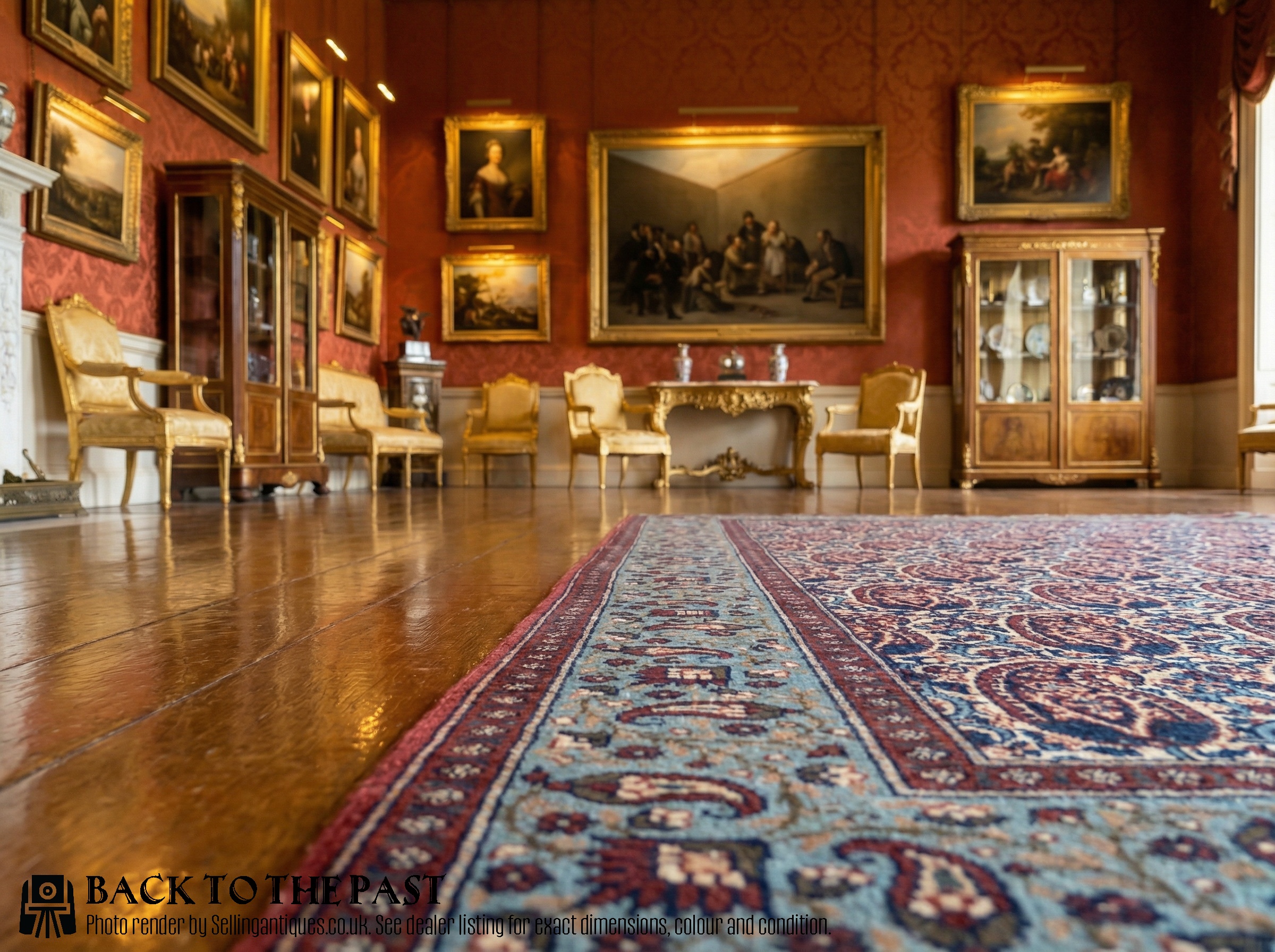
Paisley Oriental Carpet
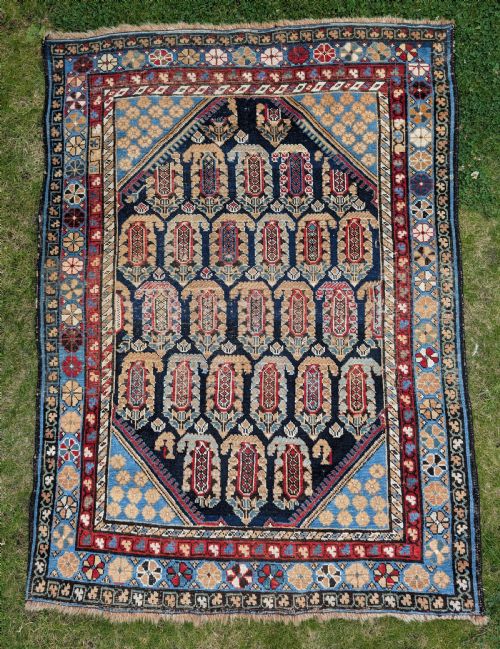
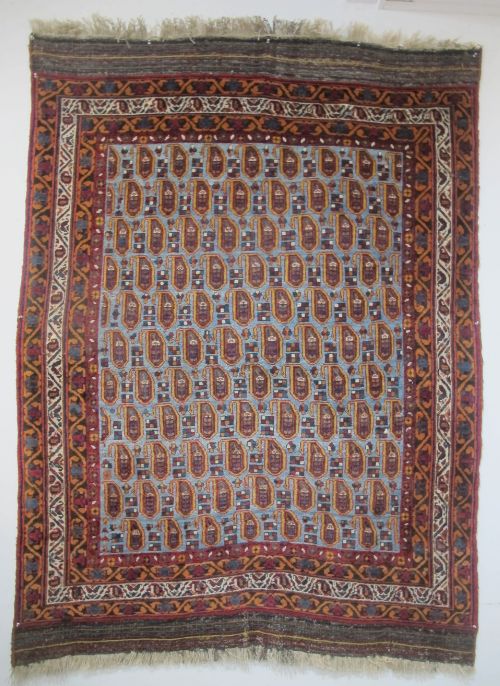
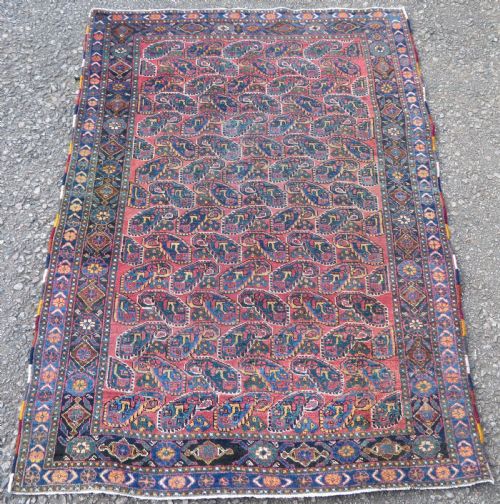
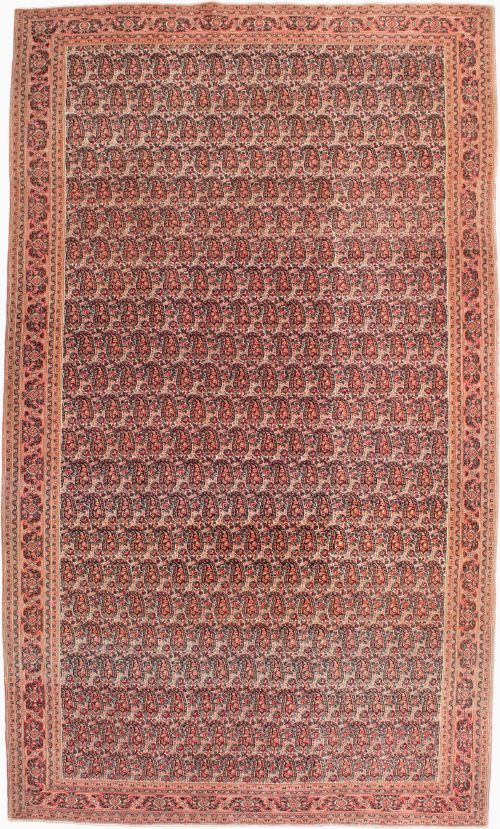
A paisley oriental carpet is a hand-knotted floor covering defined by distinctive boteh motifs, ranging from village rugs to large gallery carpets. When you search for a paisley oriental carpet, you encounter floor coverings originating predominantly from Persian and Caucasian weaving centres during the late nineteenth and early twentieth centuries.
The selections available here span formats from small scatter rugs and long runners to substantial room-size carpets. Persian tribal regions, village workshops and Caucasian towns produced these textiles utilising traditional hand-knotting techniques.
Materials and construction
Weavers constructed these carpets primarily using wool and cotton foundations, occasionally incorporating silk and angora wool for softer piles and finer detail. Artisans knotted the piles by hand onto cotton or wool warp and weft threads.
Natural and early synthetic dyes provided the palette for the repeat floral, striped and diagonal boteh patterns seen across these rugs. The density of the knots and the quality of the wool determined the durability and drape of each piece.
A mother-and-pig motif occasionally hides among the boteh fields, giving sharp-eyed spotters a delightful surprise.
What separates the tiers
Quality in a paisley oriental carpet rests upon the precision of the knotting and the complexity of the design layout. Finer examples display intricate boteh motifs with sharp outlines and well-balanced proportions across the field.
The choice of materials also divides the range, as pieces spun from finer wool or silk yield a more supple handle. Uniformity in the weave and the preservation of the original borders indicate superior craftsmanship.
The Paisley Oriental Carpet Glossary
- Boteh
- A stylised almond-shaped or pine-cone motif of Persian origin that forms the basis of paisley designs. This pattern appears frequently in repeat, diagonal, and striped layouts across various regional rugs.
- Warp
- The vertical threads stretched tightly on the loom before knotting begins. The fringe of the carpet typically consists of these extended warp threads.
- Weft
- The horizontal threads passed alternately over and under the warp threads to secure the rows of knots. Together with the warp, it forms the structural foundation of the carpet.
- Pile
- The upright cut ends of the yarn that form the usable surface of the carpet. The height and density of this pile affect the texture and longevity of the piece.
- Runner
- A long, narrow carpet format designed specifically for hallways, corridors, and staircases. These pieces often feature continuous medallion or repeating boteh designs.
Paisley Oriental Carpet: Frequently Asked Questions
How do I clean an antique carpet?
Professional dusting and specialist low-moisture washing preserve the delicate wool and cotton fibres of vintage textiles. Regular gentle vacuuming without a beater bar prevents dust accumulation in the pile.
Avoid harsh chemical treatments and soaking, which can damage natural dyes and weaken the foundation threads over time.
Where were these carpets made?
These textiles originate from diverse weaving regions across Persia and the Caucasus, including towns such as Tabriz, Qum, and Shiraz. Local village workshops and nomadic tribes developed distinct regional styles and knotting structures.
Specific design elements and colour palettes often point to the precise district where a rug was woven.
What is a boteh design?
The boteh is a traditional motif resembling a curved almond, floral spray, or flame, which later inspired the Western paisley pattern. Weavers arranged these shapes in rows, diagonals, or all-over field repeats.
Variations in the size and styling of the boteh help distinguish pieces from different Persian and Caucasian regions.
How do I choose the right size?
Measure your floor space carefully to ensure the carpet leaves an appropriate border of exposed flooring around the edges. Runners suit narrow corridors, while larger room-size carpets anchor furniture groupings in living areas.
Consider door clearances and heavy foot traffic when selecting the format and pile density for a specific room.