

Paired Vintage Lamps
Paired vintage lamps bring symmetry and period character to a room, offering matching illumination through balanced forms.
Paired Vintage Lamps
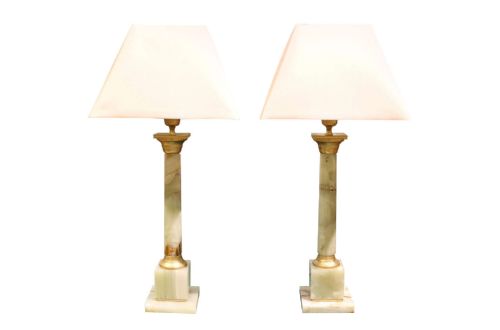
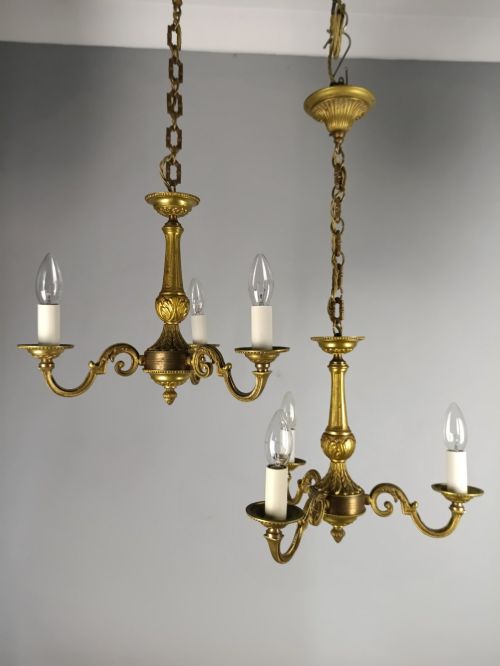
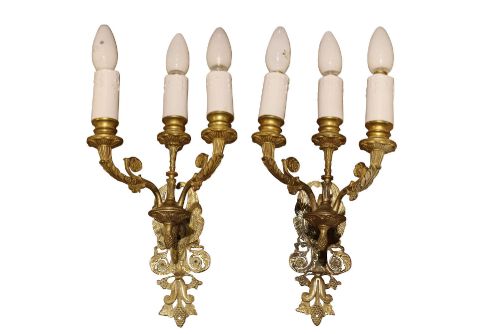
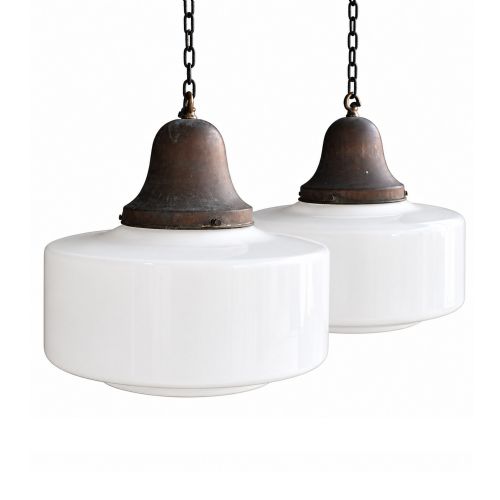
Paired vintage lamps include matched sets of table lamps, wall lights, and candlesticks originating from the 18th century through to the 1930s. The selection on this page relies heavily on early 20th-century and 19th-century examples, spanning Edwardian, Art Deco, and Neoclassical designs.
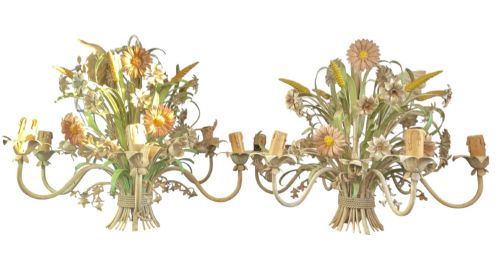
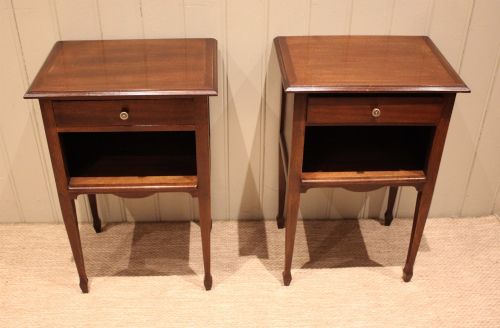
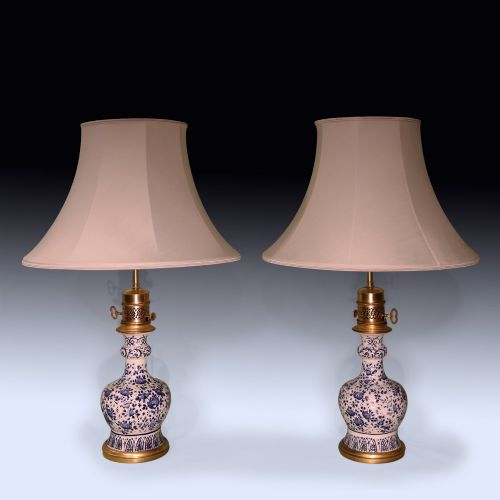
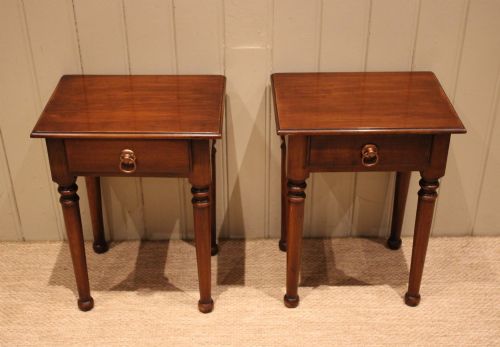
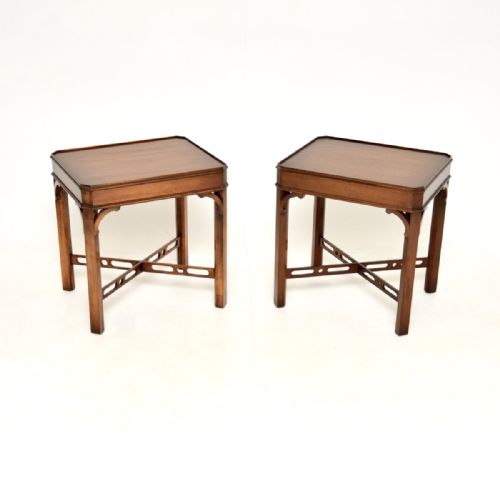
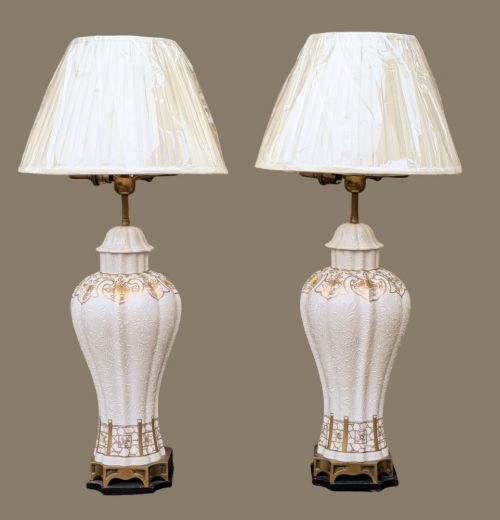
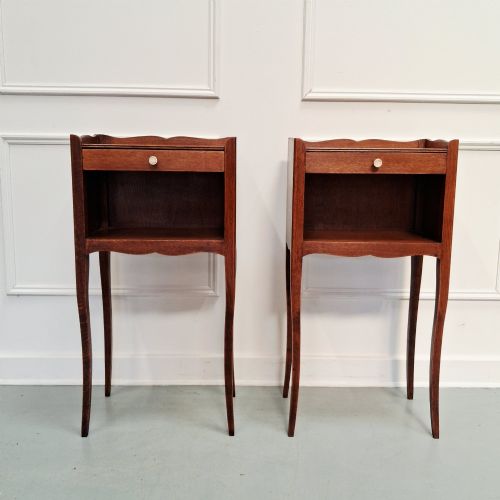
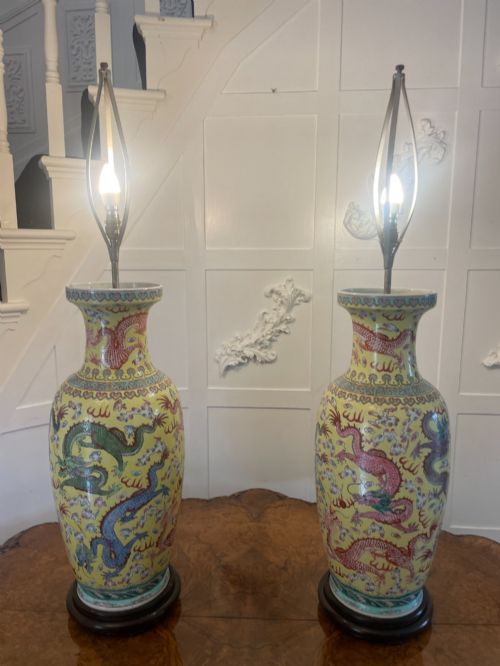
Buyers frequently encounter brass column lamps, ceramic vases converted into lighting, and gilt metal fixtures alongside matching pairs of side tables and bedside cabinets. These objects originate from English, French, Italian, and Asian workshops, reflecting diverse regional aesthetics of their respective periods.
How They Were Made
Construction methods combine cast metals such as brass, bronze, and silver plating with hand-turned woods including mahogany, oak, and walnut. Many metal components utilise period casting techniques, resulting in detailed mounts and structural frames.
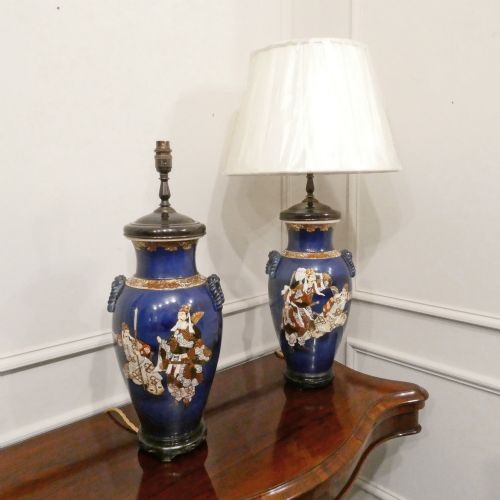
Ceramic and glass elements involve traditional firing and hand-painting methods, visible in Chinese porcelain, Japanese Satsuma wares, and cut glass crystals. Wiring and fittings are frequently updated for modern use while retaining the original body and base.
Paired Vintage Lamps Retail Price Guide 2026
Typical asking prices for paired vintage lamps among the pieces listed under this phrase on Sellingantiques today, from the lower quarter to the upper quarter. They describe what is for sale here now, not the wider market.
Listings feature 19th century and Edwardian brass candlesticks alongside 1920s Art Deco chrome wall lights.
What Varies In Quality
Quality rests upon the crispness of the casting in metal pieces and the finesse of the hand-painting on porcelain or lacquer surfaces. Finer items display proportion and decorative restraint, whereas simpler productions show heavier, less defined casting marks.
The integrity of matching pairs depends on whether the two objects were manufactured together as a unified set or matched later from similar stock. Original matching components share identical patination, wear patterns, and structural dimensions.
W.A.S. Benson
The Paired Vintage Lamps Glossary
- Champleve
- An enamelling technique where recessed areas in a metal base are filled with vitreous enamel before firing. It appears frequently on decorative French metalwork.
- Corinthian Column
- A classical column design featuring an ornate capital decorated with acanthus leaves. This motif is common on heavy brass and silver-plated table lamps.
- Meiji Period
- The era of Japanese history spanning from 1868 to 1912, known for export porcelain such as Satsuma wares used in period lighting.
- Gilt Bronze
- Bronze metal coated with a thin layer of gold or gold-coloured alloy to impart a rich metallic sheen. It is also known by the French term ormolu.
Paired Vintage Lamps: Frequently Asked Questions
How do I date an old lamp?
Dating relies upon stylistic markers, material composition, and manufacturing techniques characteristic of specific decades or centuries. Examining the construction of the base and any stamped marks provides further chronological context.
Electrical wiring is rarely original to pieces from the 19th or early 20th century, so physical structure rather than flex provides the primary guide to age.
Are paired lamps always identical?
Many pairs are symmetrical counterparts designed to stand at opposite ends of a sideboard or mantelpiece. Others are matched sets sharing identical materials, heights, and decorative motifs.
Slight variations in hand-painted details or natural patination often indicate genuine age in older pairs.
How do I clean brass bases?
Brass components benefit from dusting with a soft cloth to prevent the buildup of surface grime. Aggressive chemical polishing can strip away the aged patina that collectors value.
Preserving the natural oxidation helps maintain the historical appearance of 19th-century and Edwardian metalwork.
Can vintage lamps take modern bulbs?
Most converted lamps and period fixtures accept standard modern bulbs provided the Edison screw or bayonet fitting matches. Professional rewiring ensures safety while accommodating contemporary power standards.
Checking the maximum wattage recommended for older lamp holders prevents damage to delicate shades and wiring.