

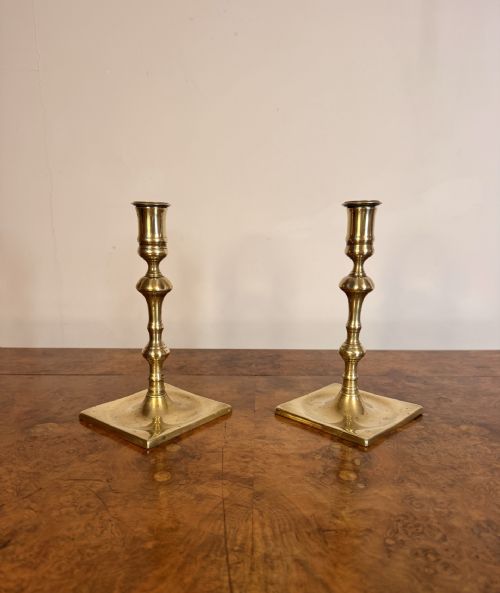

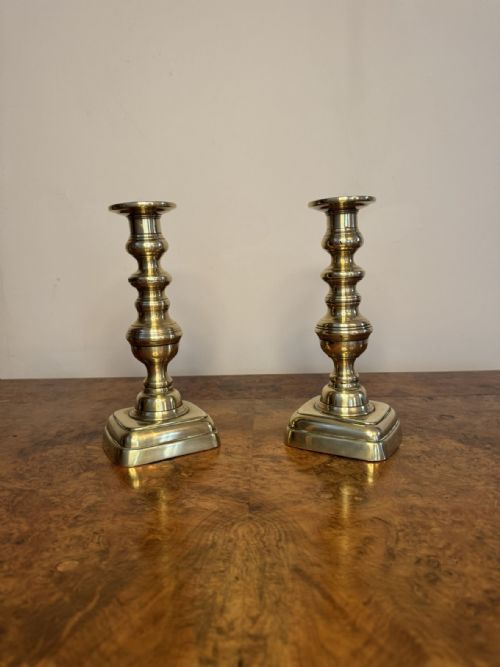
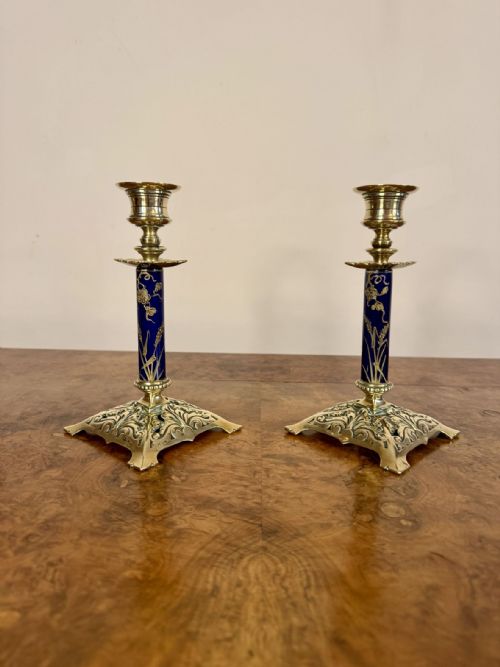
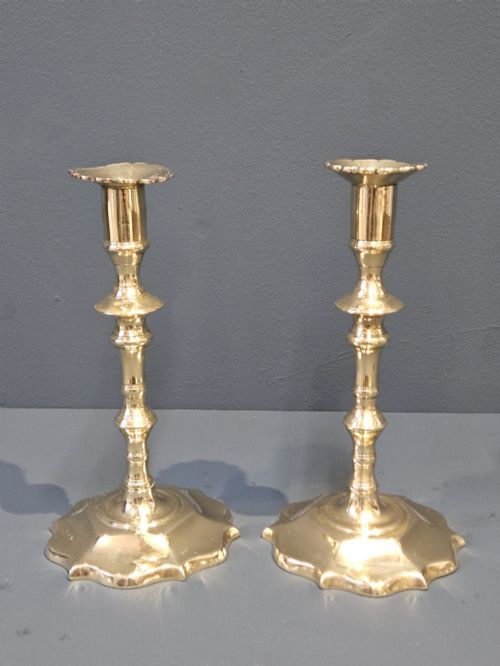
Paired Brass Candlesticks
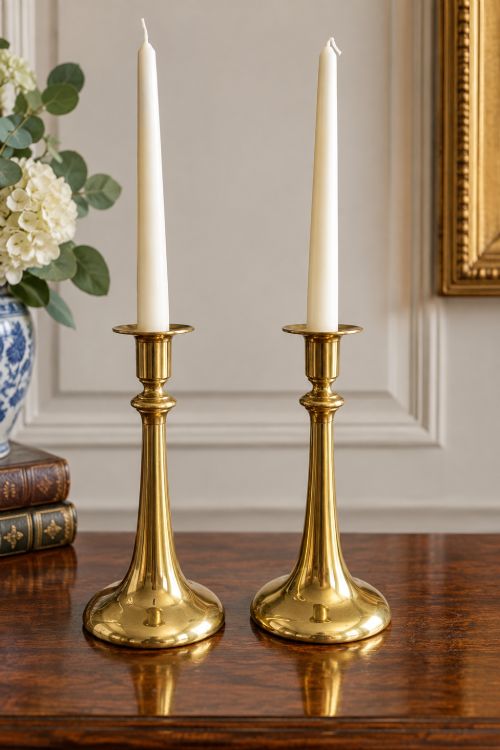
Paired brass candlesticks bring symmetry and warm metal reflection to a room, ranging from simple domestic lighting to ornate ecclesiastical and sculptural designs.
Paired Brass Candlesticks
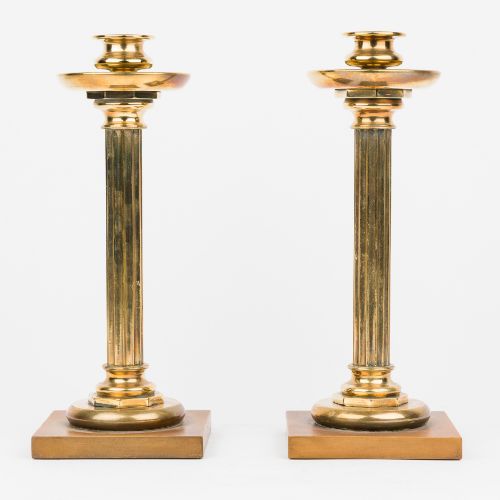
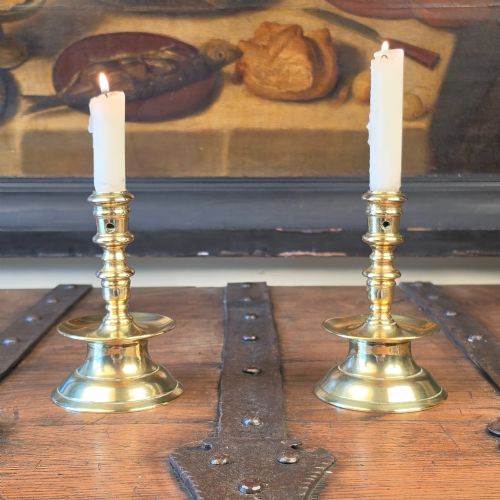
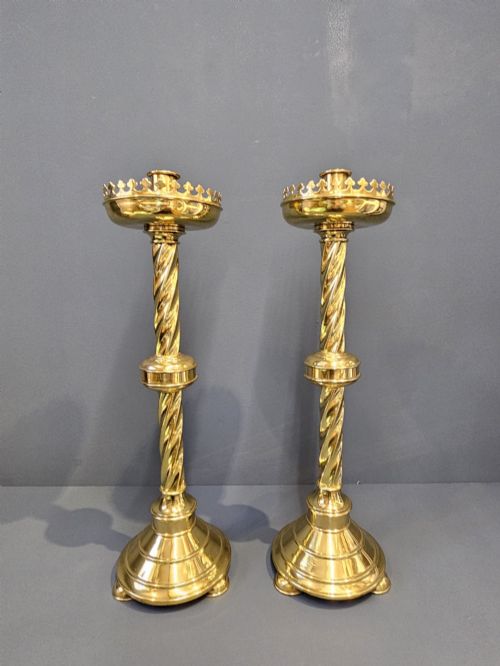
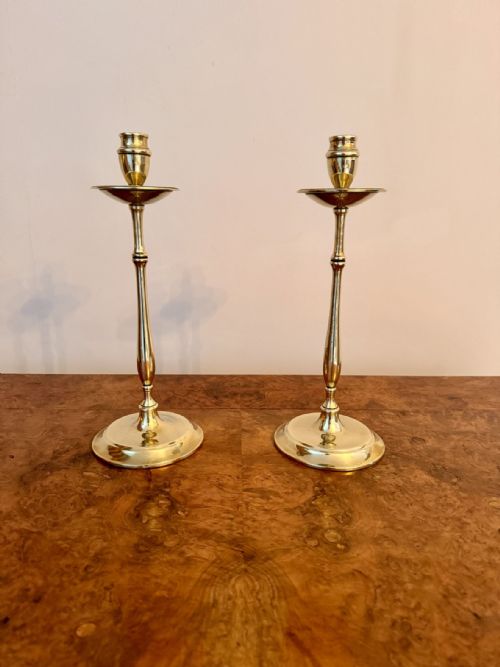
When searching for paired brass candlesticks, a buyer encounters domestic table lights, chambersticks, and church or altar pieces spanning several centuries. The selection includes simple seamed Georgian ejector models alongside heavy Victorian Gothic revival examples and delicate Edwardian or Art Nouveau forms.
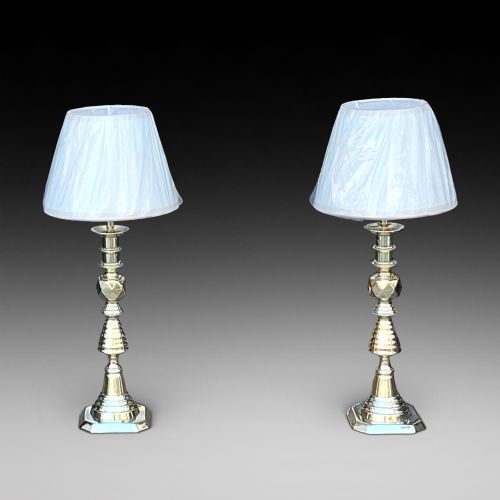
Most examples originate from the nineteenth and early twentieth centuries, though earlier Georgian and Queen Anne period pieces appear alongside later stylistic revivals. Alongside traditional candlesticks, the listings include candelabra, candle holders, and pieces converted to table lamps.
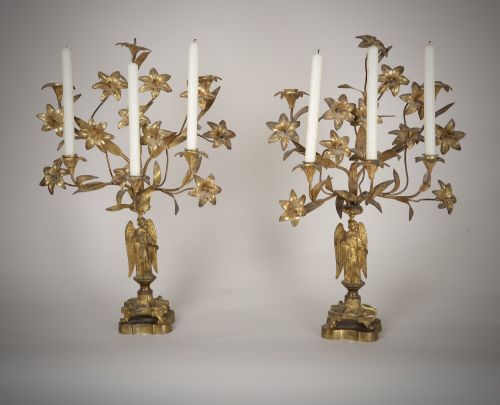
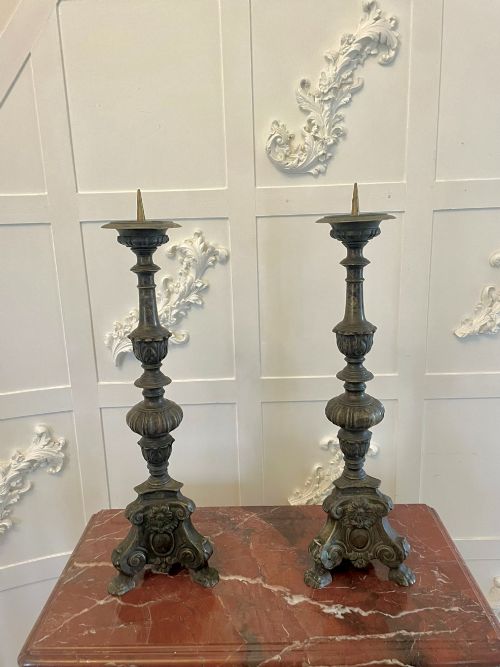
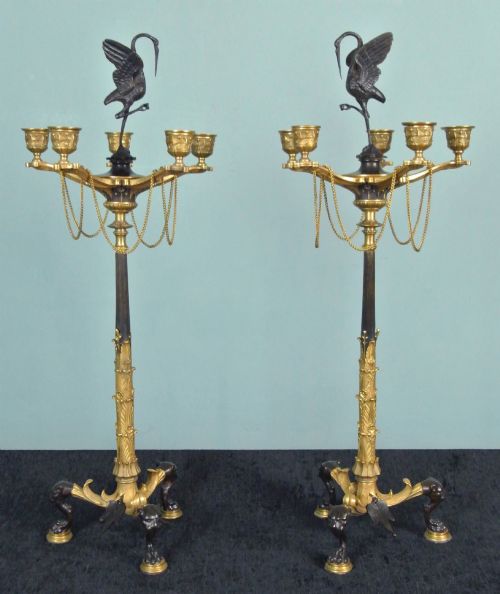
Forms vary from slender domestic shafts to large church pricket candlesticks, figural designs featuring animals, and sculptural tree branches with campana sconces. Buyers also find hybrid pieces incorporating bronze, ormolu, porcelain, onyx, and cut glass.
How they were made
Makers utilised casting techniques to produce heavier structural forms, such as cast brass table lamps and ornate Victorian church candlesticks. Early domestic examples often rely on seamed construction where components were joined and finished by hand.
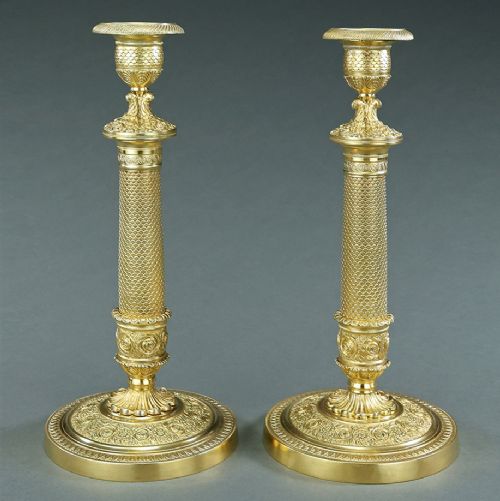
Surface treatments range from bright polished brass to gilt bronze, ormolu, and combinations of brass and copper. Decorative details include champleve enamel work, inset porcelain, and applied sculptural figures such as squirrels or terrier dogs.
Paired Brass Candlesticks Retail Price Guide 2026
Typical asking prices for paired brass candlesticks among the pieces listed under this phrase on Sellingantiques today, from the lower quarter to the upper quarter. They describe what is for sale here now, not the wider market.
Materials range from solid cast brass and copper to gilt bronze, ormolu, porcelain, onyx, and cut glass.
What varies in quality
Quality rests in the crispness of the casting and the weight of the metal utilised in the shaft and base. Superior pieces maintain balanced proportions and retain their original components, such as side ejector mechanisms and detachable drip pans.
Refinement of detail distinguishes standard domestic lighting from finer decorative works, such as sculptural Regency bronze branches or ornate French Empire gilt mounts. The integration of secondary materials like onyx or porcelain also reflects the ambition of the original maker.
Barbedienne·WMF
The Paired Brass Candlesticks Glossary
- Ejector
- A mechanism fitted inside the candlestick shaft that pushes the candle stub upward for removal. This device is frequently found on Georgian and Victorian domestic designs.
- Pricket
- A sharp metal spike on top of a candlestick that holds a large candle in place. These are commonly seen on church and ecclesiastical pieces.
- Campana
- A bell-shaped socket or sconce found at the top of candlesticks. The form reflects classical architectural shapes.
- Chamberstick
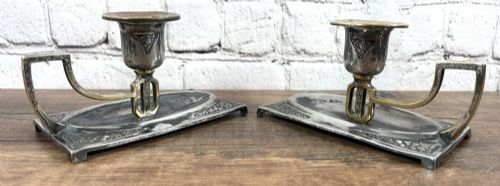
- A low candlestick featuring a wide drip pan and a loop handle for carrying around a house. They were essential for lighting bedroom paths before electric illumination.
- Ormolu
- Gilded bronze used extensively for decorative mounts and decorative objects during the eighteenth and nineteenth centuries. The technique gives a rich gold-coloured finish to the metal surface.
- Champleve
- An enamelling technique where troughs are dug into the metal surface and filled with vitreous enamel before firing. Pieces utilising this method display colourful patterned decoration.
Paired Brass Candlesticks: Frequently Asked Questions
How do I clean antique brass candlesticks?
Dust the surface gently with a soft dry cloth to remove everyday particles. Avoid harsh chemical polishes that strip away historical patina and age.
Preserving the aged dark surface maintains the character built up over centuries of use. Light natural wax can protect the metal without altering its tone.
Were all paired candlesticks made at the same time?
Most paired candlesticks were cast and finished together as matching sets for symmetrical mantelpiece or table display. Some matched pairs were assembled later from single pieces sharing identical height and style.
Examining the base wear and casting seams helps determine if the two items originated together. Slight variations in hand-finishing often distinguish authentic period pairs from later matches.
What is the difference between a candlestick and a candelabrum?
A candlestick holds a single candle in a single socket atop a vertical shaft. They provide focused light and generally have a smaller footprint.
Candelabra feature multiple branching arms springing from a central stem to hold several candles simultaneously. These larger objects served as grand centrepieces for dining tables and formal rooms.
How can I tell a church candlestick from a domestic one?
Church candlesticks, often called altar or pricket sticks, are substantially taller and heavier than domestic table models. They frequently utilise a sharp metal spike rather than a standard socket to hold massive wax candles.
Domestic candlesticks prioritise portability and feature ejector mechanisms or small bases for bedroom and parlour use. Ecclesiastical examples were built to remain stationary on altars during services.