
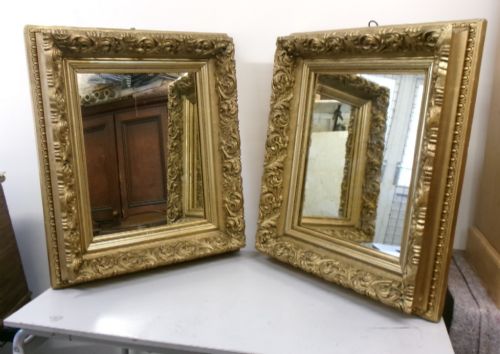
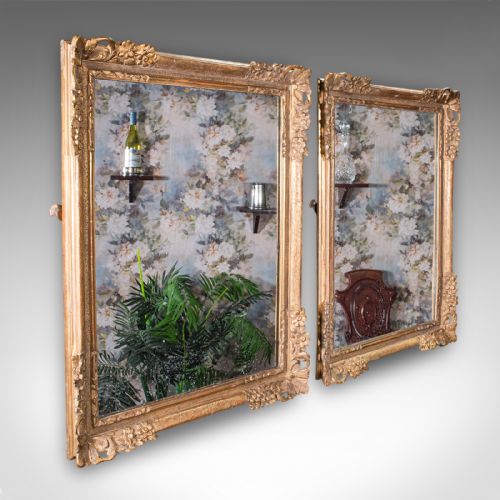
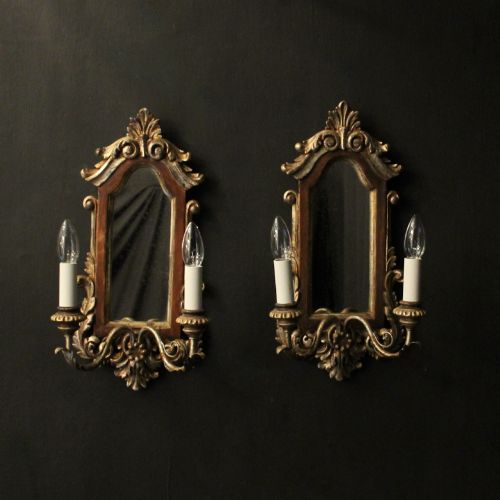
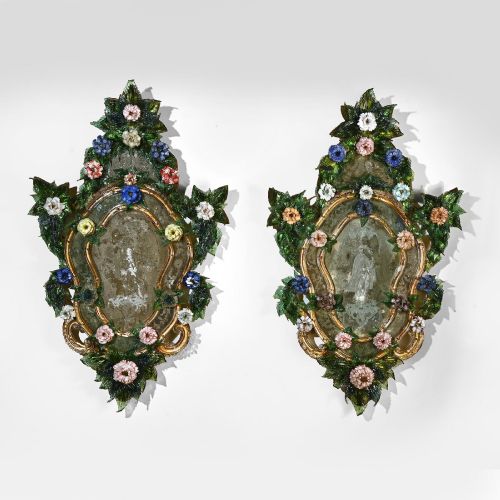
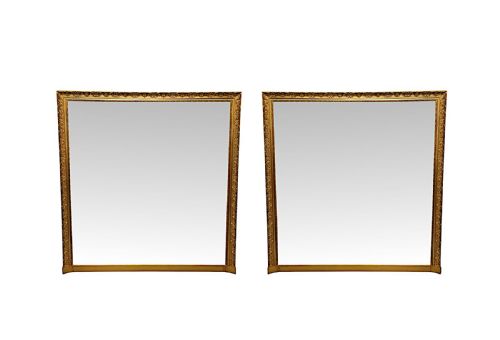
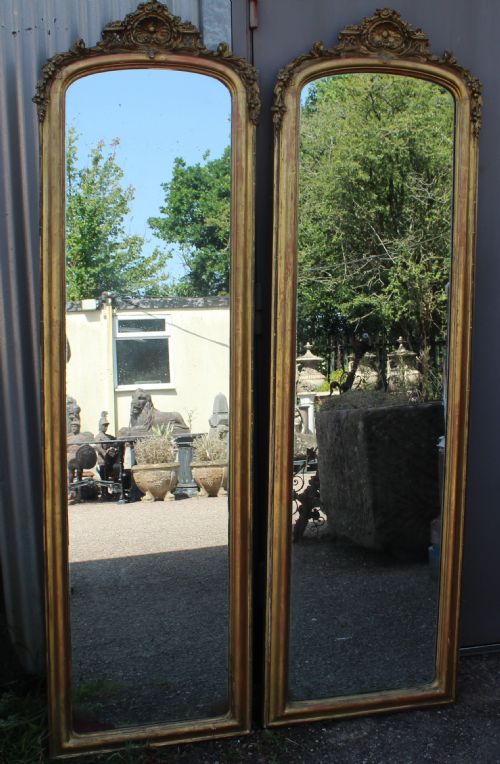

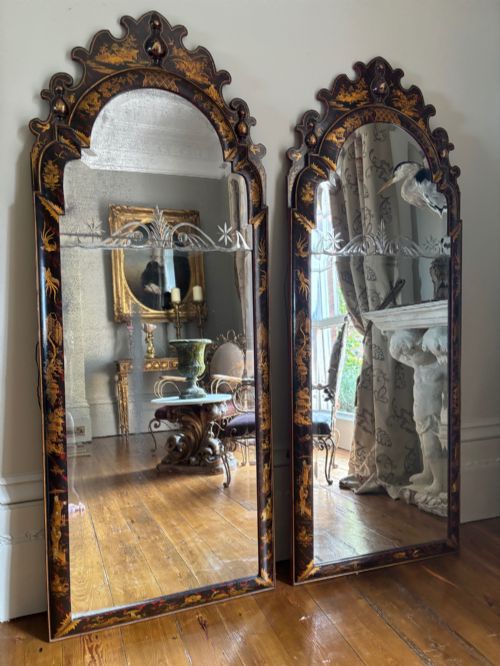
Paired Gilt Mirrors
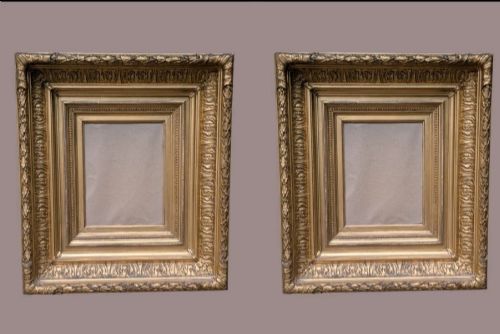
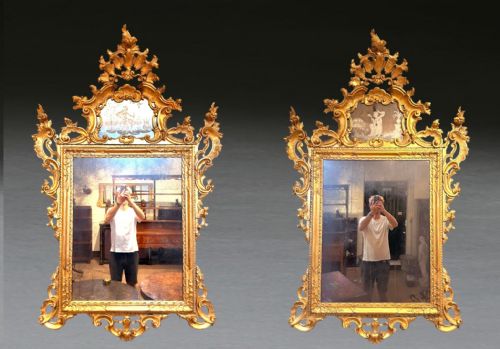
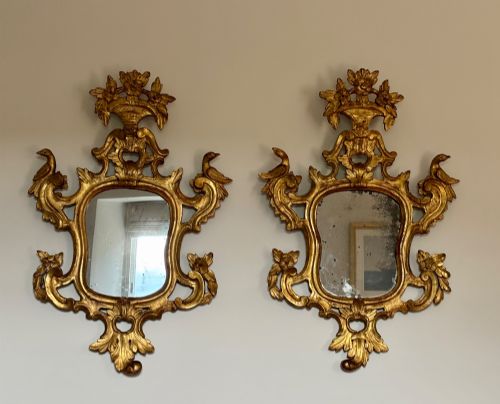
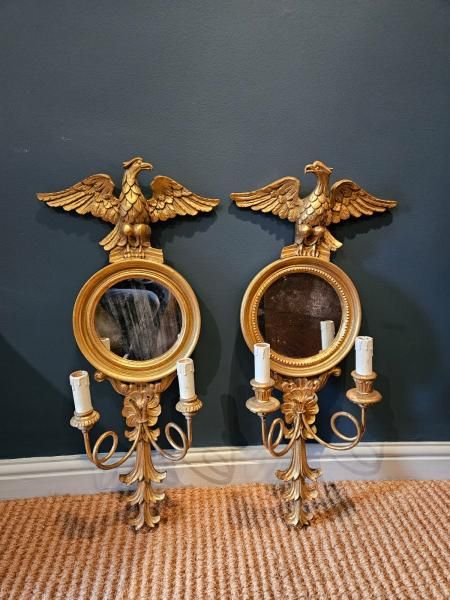
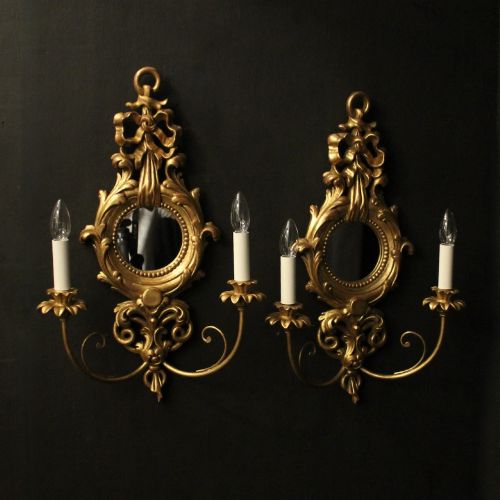
Paired antique gilt mirrors bring symmetry and reflective warmth to a room, ranging from grand overmantels to delicate girandoles.
Paired Gilt Mirrors
When you search for paired antique gilt mirrors, you encounter matched sets designed to balance a room, often flanking a fireplace, window or piece of furniture. The selection spans centuries of design, with nineteenth-century interpretations and revival styles appearing frequently alongside eighteenth-century origins.
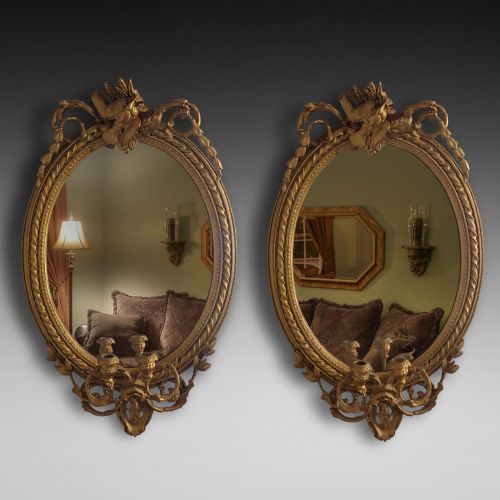
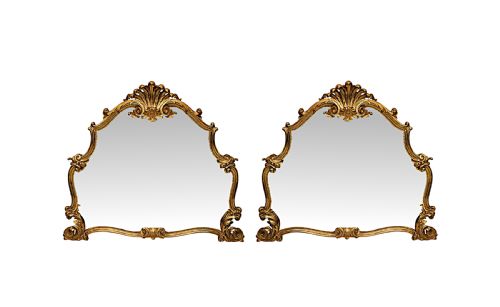
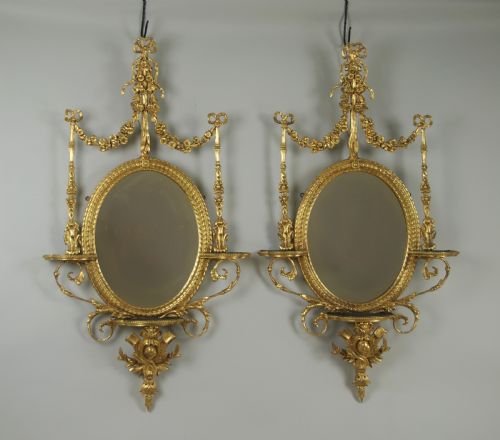
Forms include pier glasses, wall sconces, girandoles with candle arms, and grand overmantels. English, French, and Italian influences shape the designs, moving from restraint to exuberant Rococo curves.
Materials and construction
The underlying structure typically relies on wood or carved composition, which receives a layer of gesso before gilding. Artisans applied gold leaf or water gilding to achieve the characteristic metallic sheen, while some examples utilise gilt paint or parcel gilt highlights.
Mirror glass is set within these frames, sometimes taking the form of antique Venetian Murano glass or divided plates in larger pier and overmantel formats. Metal components and brass appear in specific metal-framed or sconce variants.
Materials recorded across the selection include traditional giltwood, gesso, composition, brass, and Murano glass.
Markers of quality
Quality rests in the crispness of the carving and the depth of the gilt surface. Hand-carved giltwood with water gilding displays a warmer, more nuanced reflection of light than later composition mouldings finished with flat metallic paint.
The integrity of the original mirror glass and the stability of the frame joints distinguish superior examples. Substantial weight, precise symmetry between the pair, and well-executed detail define the upper tier.
Strahan of Dublin
The Paired Gilt Mirrors Glossary
- Giltwood
- Wood that has been coated with gold leaf or powder. This finish gives antique frames their warm, metallic radiance.
- Girandole
- A decorative wall mirror fitted with candle arms or sconces. These fixtures reflected candlelight to brighten dimly lit rooms.
- Pier Mirror
- A tall, narrow mirror designed to hang on the pier, the wall space between two windows. They often sat above matching console tables.
- Gesso
- A plaster-like mixture applied to wooden frames as a smooth base for gilding. It allowed carvers to achieve fine relief details.
- Overmantel Mirror
- A wide mirror intended to be hung directly above a fireplace mantelpiece. They anchor the room's central focal point.
Paired Gilt Mirrors: Frequently Asked Questions
How do I hang heavy gilt mirrors safely?
Heavy frames require sturdy wall anchors and brackets suited to the weight of the wood and glass. Professional installation is often advisable for large nineteenth-century pieces.
Ensure the fixings engage directly with wall studs or use appropriate cavity fixings to support the load securely over time.
Where should I place paired mirrors in a room?
Paired mirrors work best when hung symmetrically to create balance and reflect natural light. Common placements include flanking a fireplace, a doorway, or a large piece of furniture.
Positioning them opposite a window maximises the dispersion of daylight throughout the interior space.
How do I distinguish eighteenth-century from revival mirrors?
Eighteenth-century mirrors exhibit hand-carved nuances, older plate glass with subtle imperfections, and traditional construction methods. Revival pieces from the nineteenth and twentieth centuries often copy these earlier styles with standardised machine tooling.
Examining the backboards, fixings, and the composition of the gesso helps clarify the true age of the object.
Can I clean antique mirror glass?
Antique mirror glass requires gentle care to protect the original silvering and backing. Use a soft, dry cloth to remove dust rather than harsh chemical sprays.
If moisture is necessary, apply a mild, neutral cleaner to the cloth rather than directly onto the glass to prevent seepage behind the frame.