

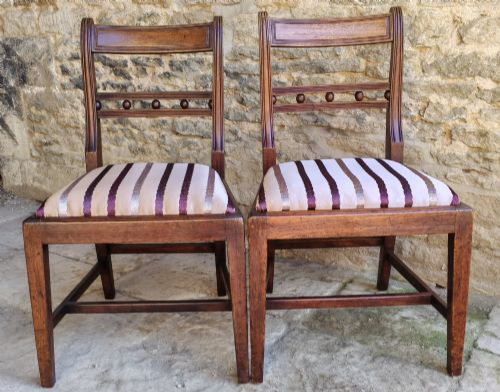
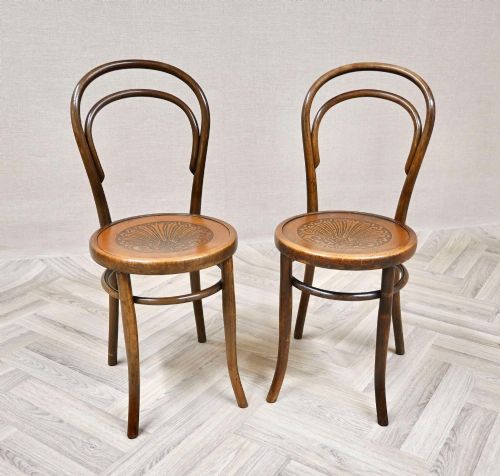
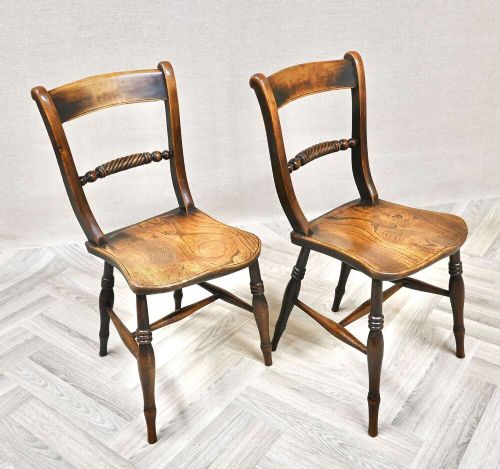
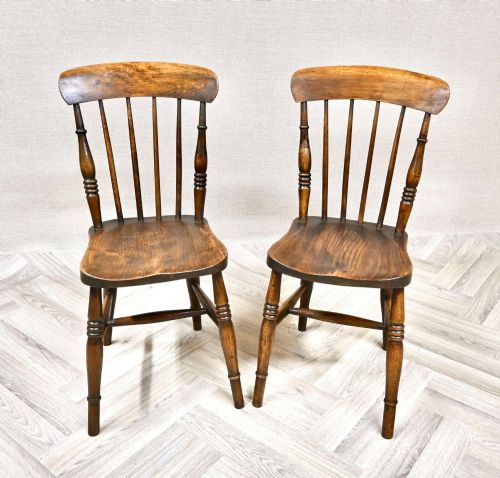
Pair Wooden Side Chairs
Pair wooden side chairs arrive in rooms as matched duos, offering seating shaped by Georgian, Victorian, and Regency hands.
Pair Wooden Side Chairs
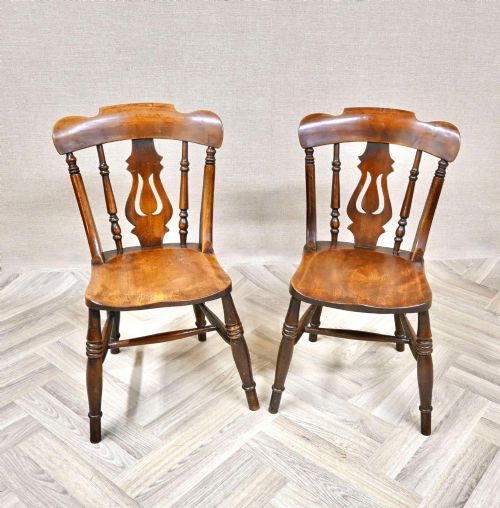
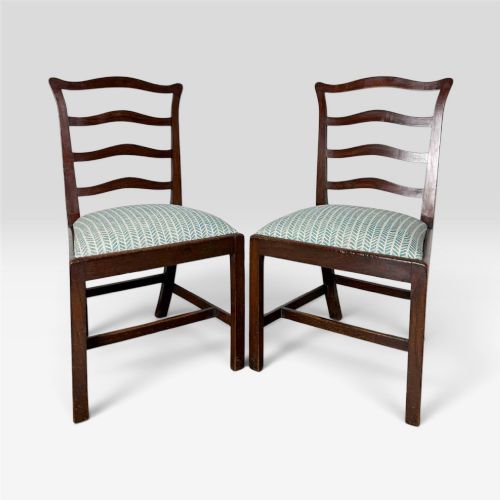
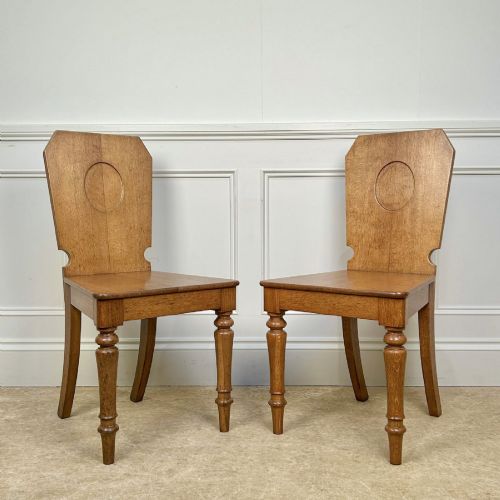
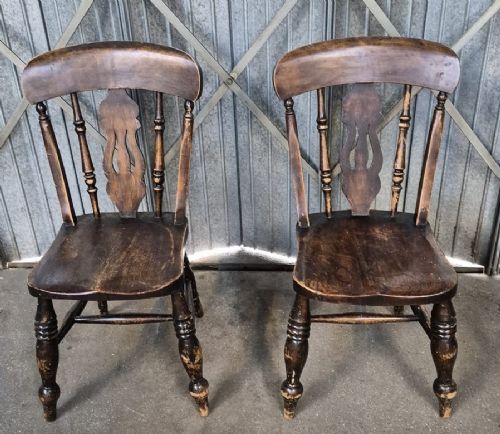
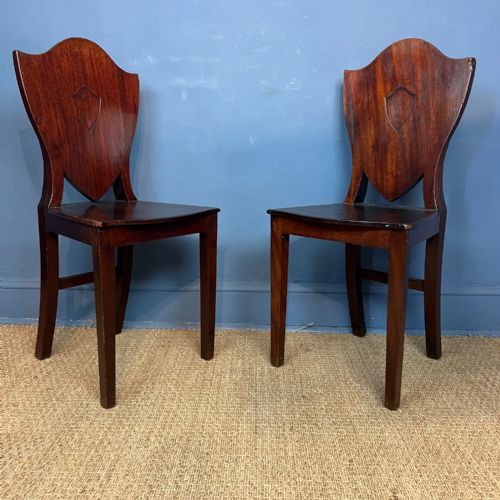
Pair wooden side chairs appear across this page in forms ranging from formal mahogany hall chairs to elm kitchen Windsors and walnut bedroom seats. These duos emerge from periods spanning the eighteenth, nineteenth, and early twentieth centuries, reflecting diverse domestic and dining uses.
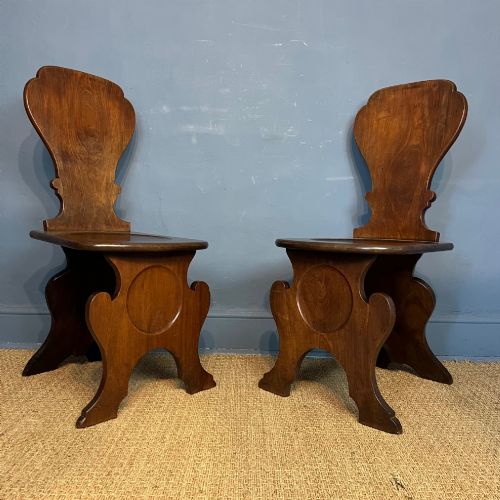
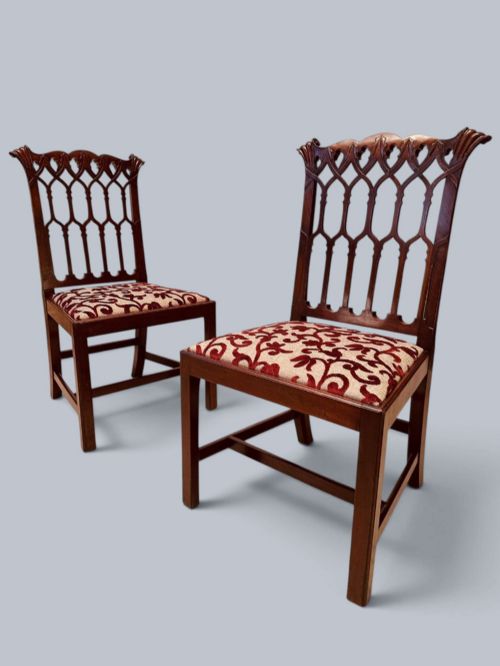
The selection includes specific regional variations such as Thames Valley kitchen chairs, Scottish laburnum seats, and Irish oak sgabello hall chairs. Buyers frequently encounter styles like Gothic Revival, Regency, and Victorian country farmhouse designs.
Makers and workshops construct these duos primarily as side chairs, hall chairs, and dining seats, utilising timber frames designed for daily service or formal reception rooms. Each pair retains the structural pairing intended by the original maker.
What varies in quality
The distinction between tiers rests upon the choice of timber, the crispness of hand-carving on shield or balloon backs, and the integrity of the original joints. Superior examples exhibit finely figured mahogany or quarter-sawn oak combined with deep, deliberate relief carving.
Proportion and balance dictate the architectural success of each frame, distinguishing master-carved hall chairs from utilitarian kitchen seating. Retaining untouched original surfaces and genuine period timber elevates the standing of a duos construction.
Pair Wooden Side Chairs Retail Price Guide 2026
Typical asking prices for pair wooden side chairs among the pieces listed under this phrase on Sellingantiques today, from the lower quarter to the upper quarter. They describe what is for sale here now, not the wider market.
Listings span mahogany, oak, elm, walnut, and beech, encompassing Victorian, Georgian, and Regency periods.
The Pair Wooden Side Chairs Glossary
- Hall chair
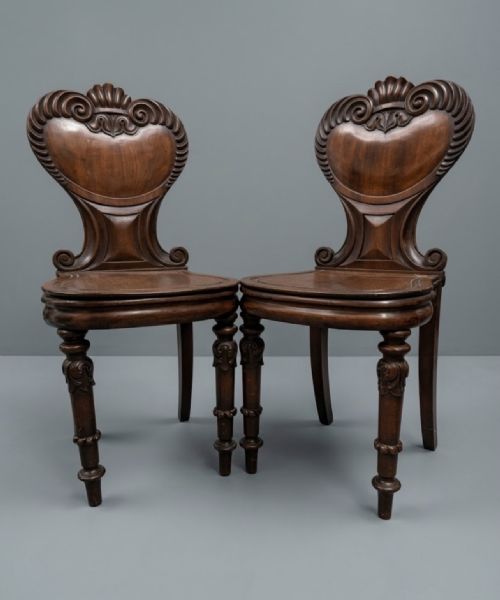
- A stiff-backed timber seat placed in entrance halls, frequently featuring painted or carved armorial crests on solid wooden panels.
- Windsor
- A traditional chair constructed with a solid wooden seat into which the legs, back sticks, and bow are separately bored and wedged.
- Sgabello
- An early Renaissance-style chair form featuring flat board sides or legs supporting a panelled seat and back, revived in later periods.
- Shield back
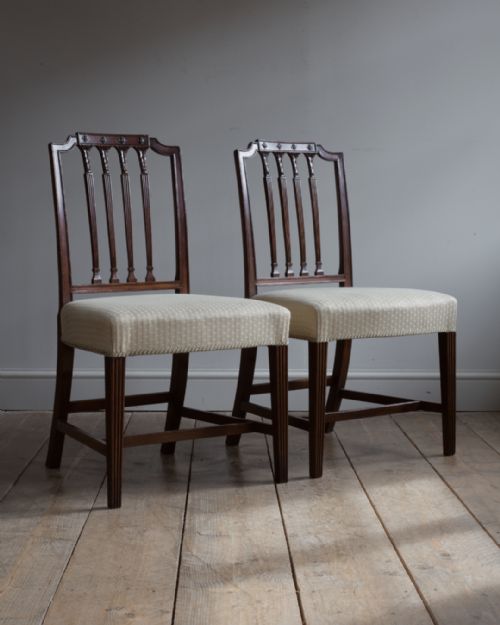
- A chair back shaped in the outline of a heraldic shield, popularised during the Georgian era by designers like Hepplewhite and Sheraton.
- Balloon back
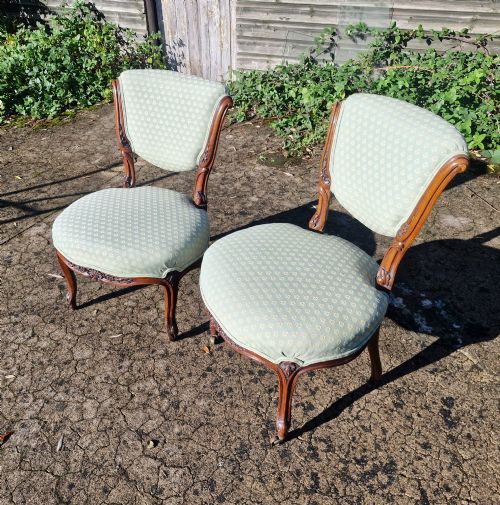
- A rounded, oval-shaped upholstered chair back that curves outward, characteristic of Victorian seating design.
Pair Wooden Side Chairs: Frequently Asked Questions
Where did people use pair wooden side chairs?
These duos served primarily in dining rooms, entrance halls, bedrooms, and morning rooms as functional seating or decorative accents.
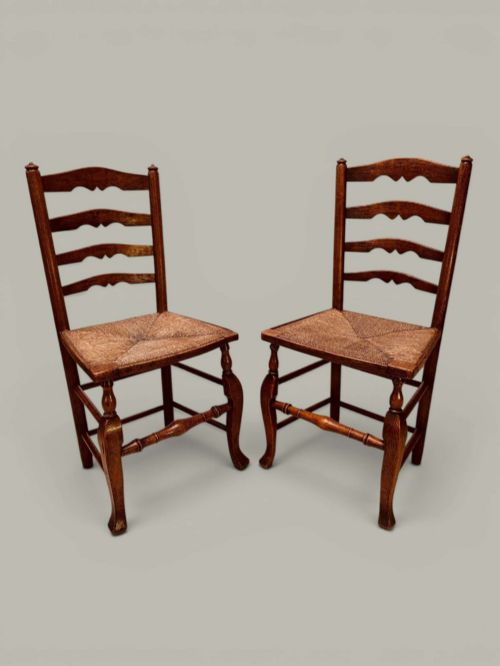
Formal hall chairs lined corridors for waiting visitors, while Windsor and ladder back versions sat in kitchens and rustic farmhouses.
How do I identify a Victorian pair?
Victorian examples often display balloon backs, walnut frames, or heavy machine and hand carving typical of the mid to late nineteenth century.
They frequently feature upholstered fabric pads or elaborate mahogany mouldings suited to formal reception spaces.
Are these chairs suitable for daily dining?
Many sturdy mahogany and oak variants remain robust enough for regular dining use when joints are secure and stable.
Lighter kitchen Windsors and antique hall chairs function best with mindful placement to preserve their historic timber frames.
What timber species are most common?
Mahogany dominates formal Georgian and Victorian seating, prized for its deep reddish tone and strength in carved details.
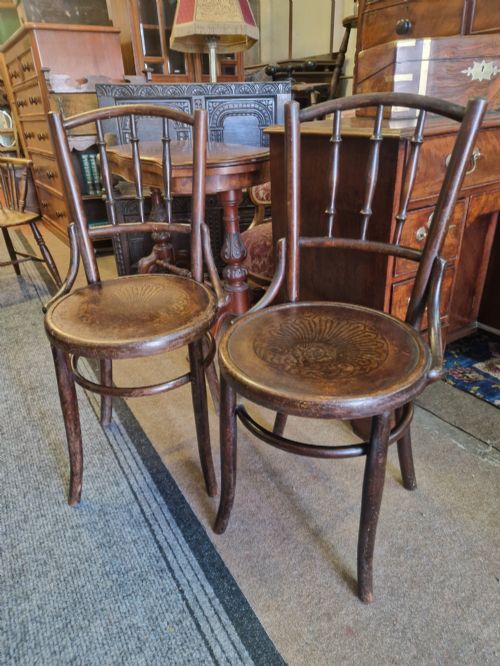
Elm, oak, and ash appear frequently in country Windsors and kitchen chairs, while beech forms the basis of bentwood bistro pieces.