



Antique Regional Chair
An antique regional chair brings local character and vernacular design into a room, fashioned from native woods by regional makers.
Antique Regional Chair
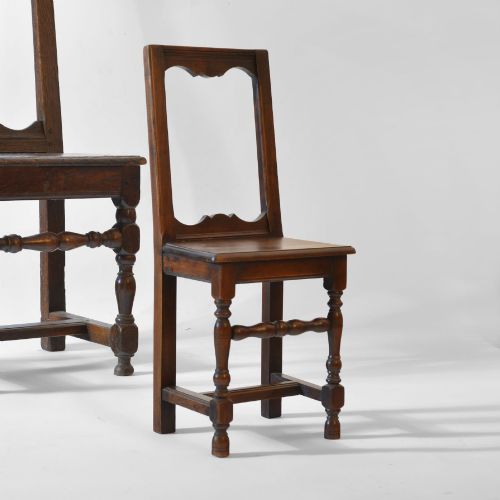
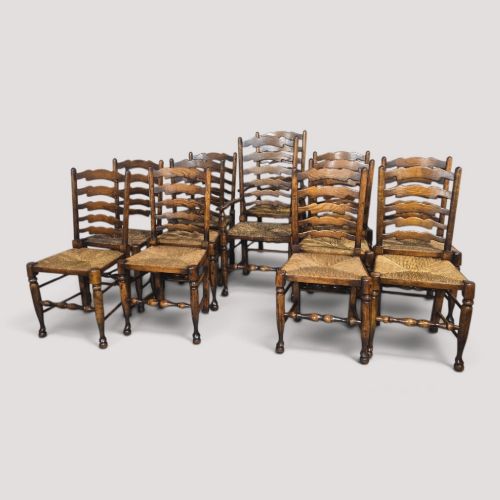
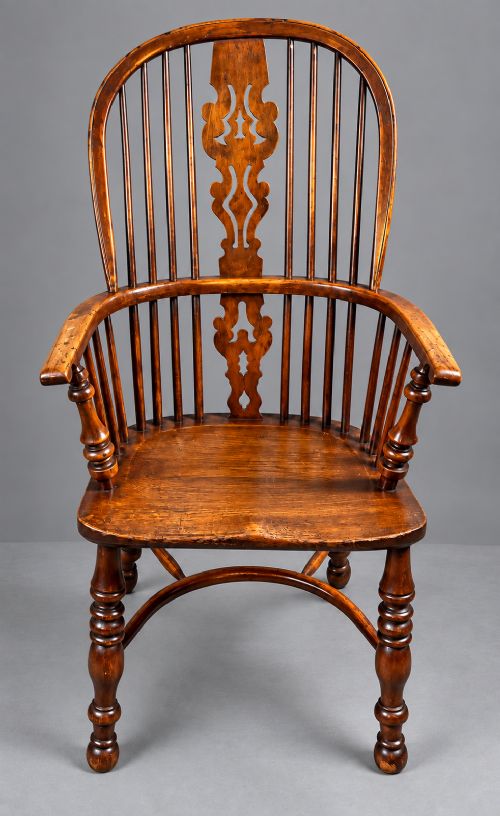
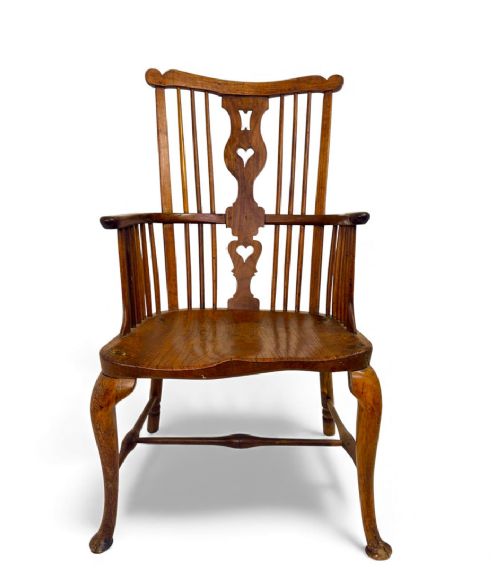
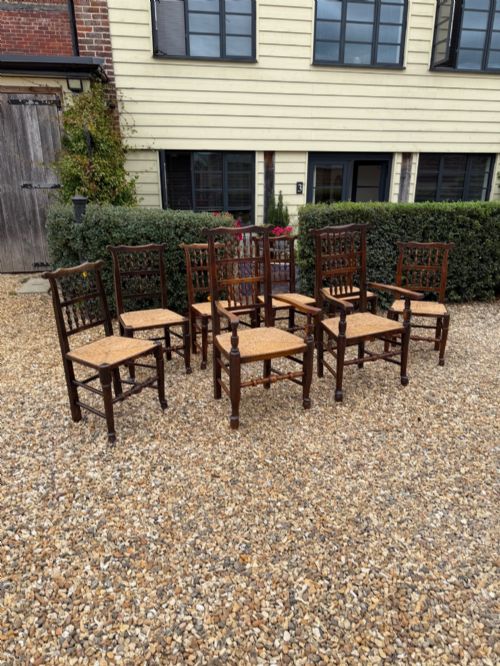
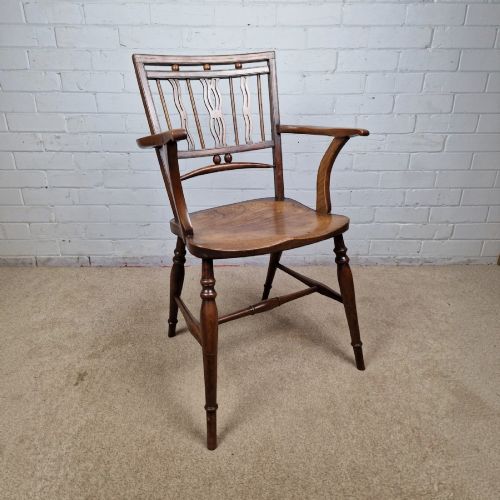
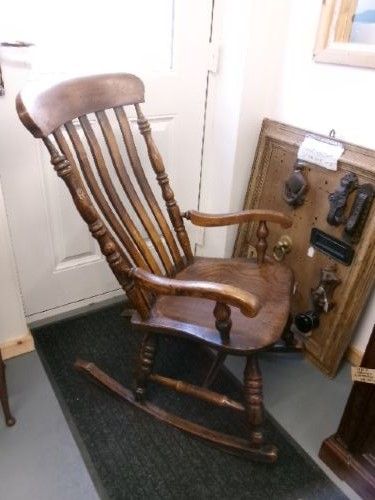
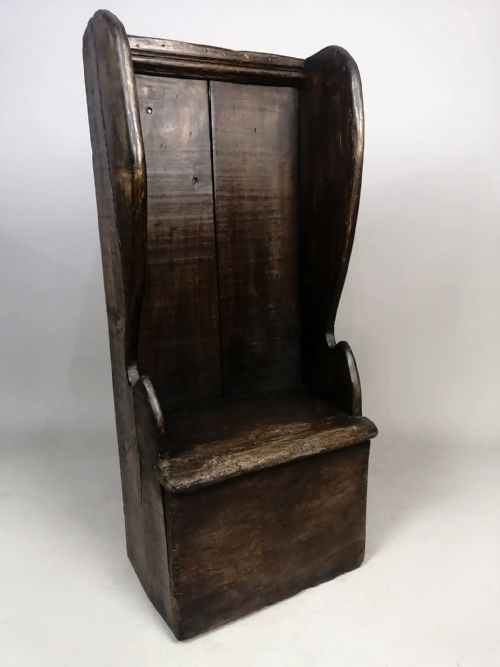
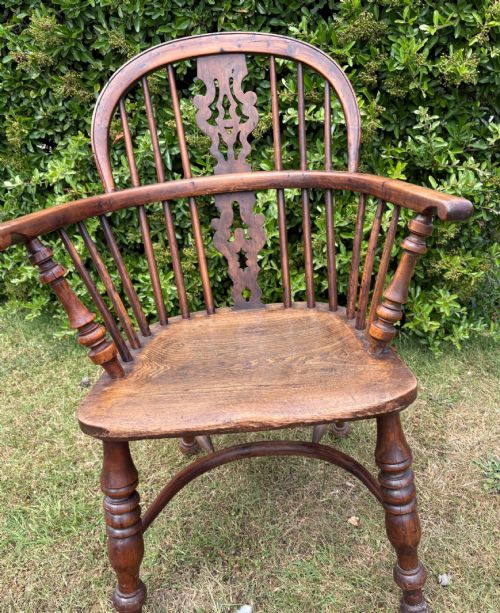
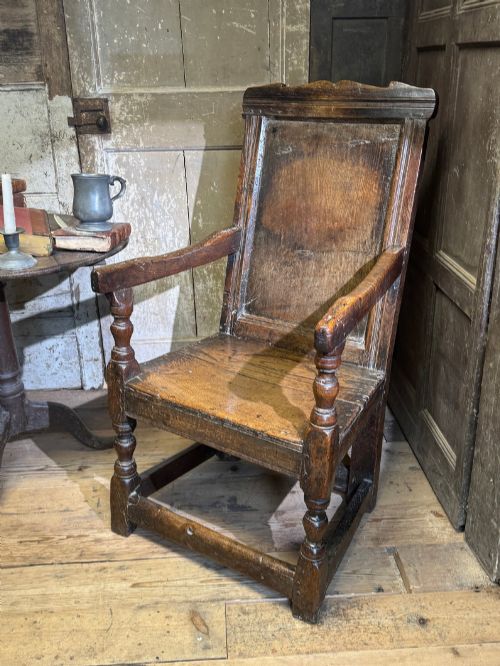
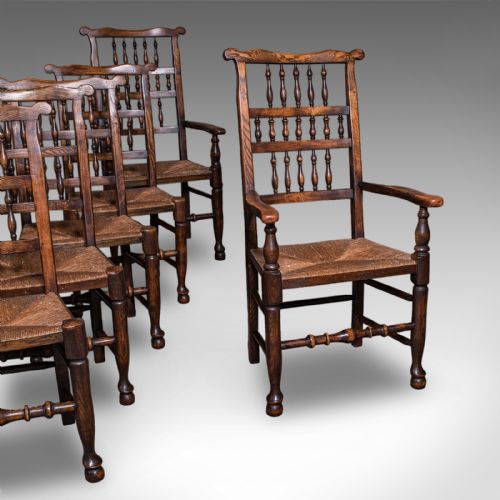
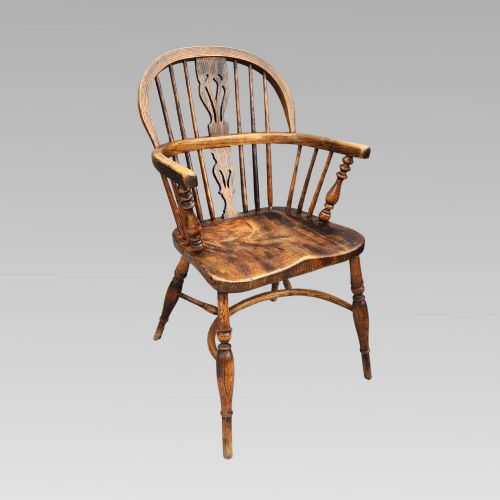
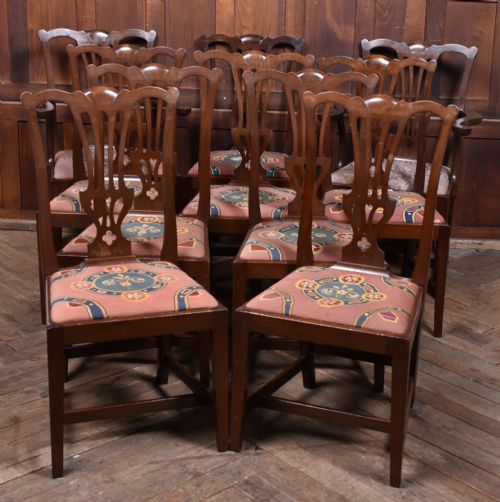
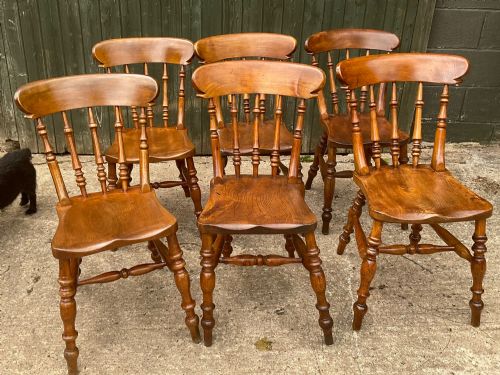
An antique regional chair encompasses a wide variety of seating forms made outside metropolitan centres, utilising local timbers and traditional regional building methods. You will encounter forms ranging from Windsor armchairs and spindle backs to ladder backs, wainscot chairs, and lambing chairs across this selection.
The periods represented span from the seventeenth century through the Georgian and Regency eras to the Victorian and Edwardian periods. Regional variations are distinct, with specific styles originating from localities such as the Thames Valley, Yorkshire, Lancashire, and East Anglia.
Armchairs, dining chairs, side chairs, and rocking chairs make up the physical forms available. Many pieces reflect specific rural traditions, including farmhouse seating and workshop outputs from defined geographical areas.
Materials and construction
Timbers selected by country makers are predominantly native British hardwoods and softwoods, frequently combining elm, yew, oak, ash, beech, fruitwood, cherrywood, and alder within a single piece. Elm is commonly utilised for seats, yew and ash for bending members or spindles, and oak for structural framework.
Construction techniques rely heavily on traditional joinery such as joined framing, turned components, and Windsor stick-back assembly where spindles and legs are wedged into solid wood seats. Rush seating and fabric upholstery are also employed for seat bases depending on the regional type and period.
Antique Regional Chair Retail Price Guide 2026
Typical asking prices for regional chair among the pieces listed under this phrase on Sellingantiques today, from the lower quarter to the upper quarter. They describe what is for sale here now, not the wider market.
The listings here include vernacular seating spanning four centuries, constructed from native hardwoods including elm, yew, ash, and oak.
Evaluating quality and character
Quality in an antique regional chair is determined by the crispness of the turning, the harmonious combination of native woods like yew and elm, and the integrity of the original construction. Better examples show careful selection of timber grain, particularly in yew wood bow arms and elm seats.
Provenance and attribution elevate certain pieces, particularly those stamped by known makers or originating from distinct regional workshops. The depth of surface patina and the retention of original finish distinguish superior examples from heavily restored or later pieces.
Gabbitass Worksop·John Brand of Sleaford·Duncan McKellar of Fenwick·Wheelers of Arncroach
The Antique Regional Chair Glossary
- Windsor chair
- A chair built with a solid wooden seat into which the legs and back spindles are directly inserted. This form is common in regional English vernacular furniture.
- Wainscot armchair
- A heavy wooden armchair of seventeenth-century origin constructed with joined panels. These chairs represent early domestic seating status.
- Backstool
- An early form of upholstered or wooden chair without arms, serving as a precursor to the dining chair. They appear frequently in seventeenth-century contexts.
- Rush seat
- A seat woven from dried wetland rushes placed over a wooden frame. This method provides flexible support for ladder back and regional chairs.
- Spindle back
- A chair back constructed with numerous turned vertical wooden spindles. This technique is typical of country Windsor and ladder back variations.
Antique Regional Chair: Frequently Asked Questions
What is an antique regional chair?
An antique regional chair is a vernacular seating piece made outside London by local craftsmen using native timbers.
These chairs reflect the specific traditions and material availability of areas such as Yorkshire, Lancashire, and the Thames Valley.
How do I identify a Windsor chair?
A Windsor chair is characterised by a thick sculpted wooden seat that carries the legs below and the back components above.
They often feature bentwood bows, spindles, and a combination of timbers like elm and yew.
Where were regional chairs made?
They were produced in rural workshops, country houses, and provincial towns across Britain by local joiners and specialised chair bodgers.
Different counties developed distinct structural characteristics, such as the wheelback designs of the Thames Valley.
How do I care for regional wood furniture?
Maintain these pieces by keeping them away from direct heat sources and sudden humidity changes that can crack dry timbers.
Apply traditional wax polish sparingly to nourish the surface and preserve the historic patina.