


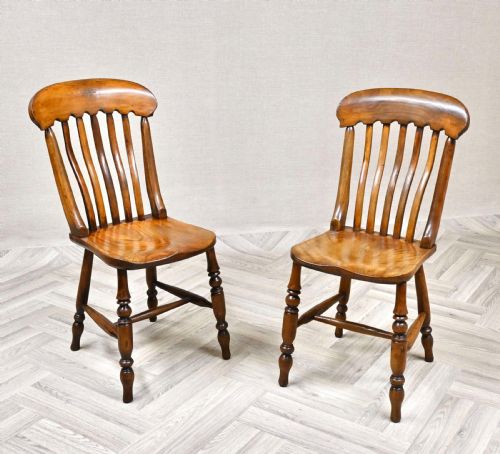
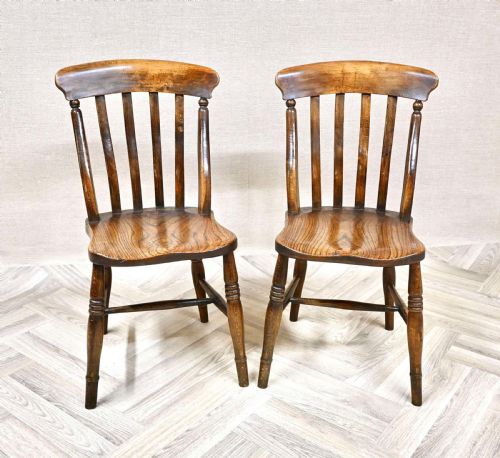
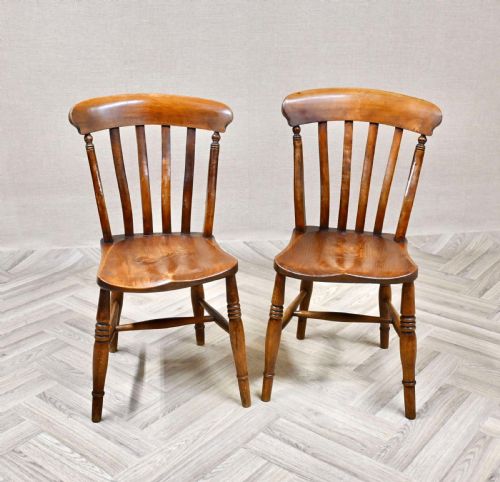
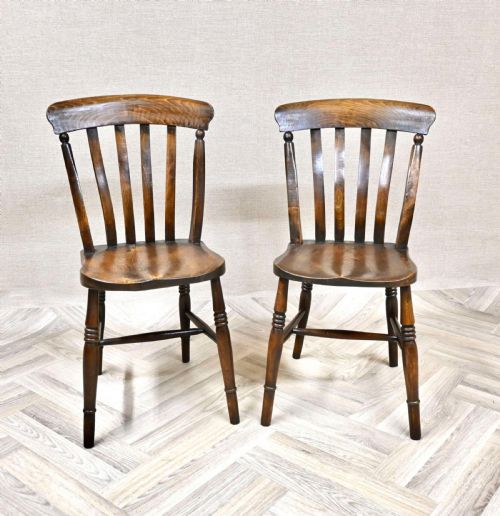
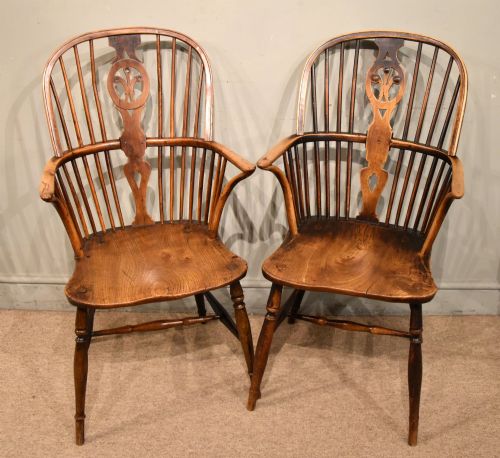
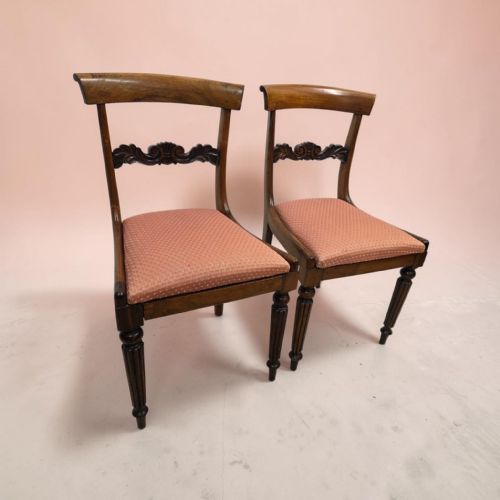
Pair Wooden Dining Chairs
These pair wooden dining chairs bring practical seating and period character to a room, spanning country kitchens to formal dining spaces.
Pair Wooden Dining Chairs
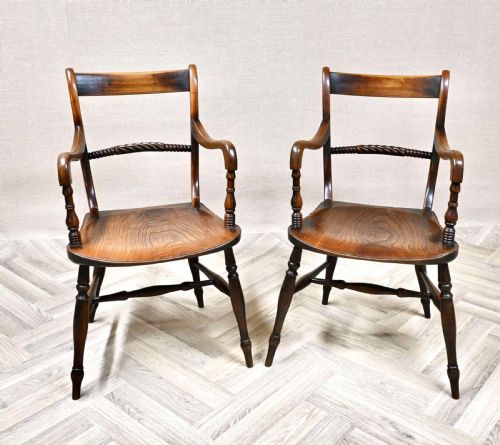
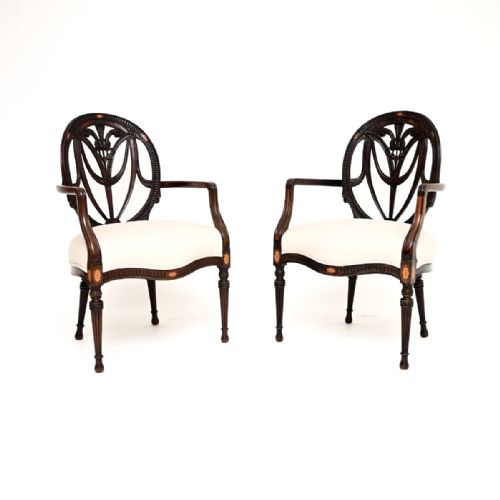
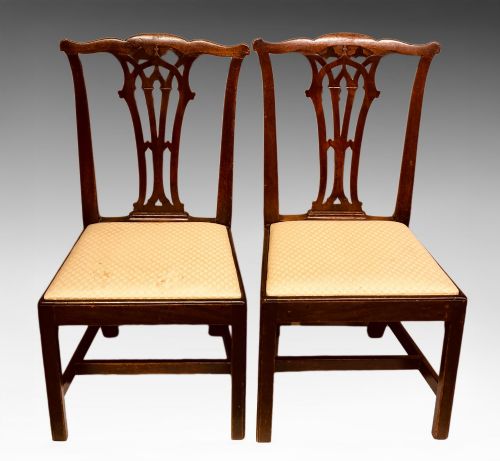
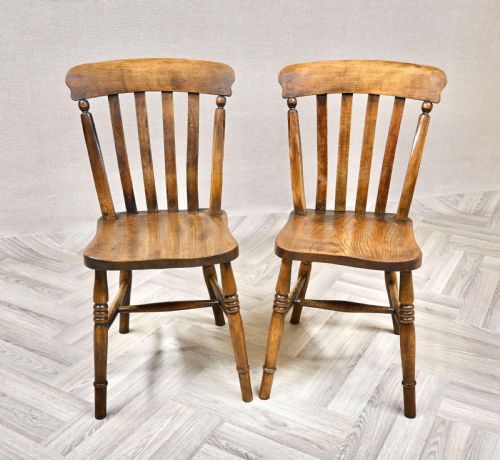
When you search for pair wooden dining chairs, you encounter seating designed for domestic dining, encompassing side chairs, armchairs, and carvers from multiple centuries. The selection ranges from vernacular country pieces to formal Georgian and Regency designs intended for principal dining rooms.
How they were made
Joinery methods rely heavily on traditional timber construction, using pegged mortise and tenon joints, turned spindles, and steam bending for components like Windsor bows and bentwood frames. Hardwoods such as mahogany, oak, walnut, and ash provide structural integrity, while softer or more pliable woods like elm and beech serve for seats and turned elements.
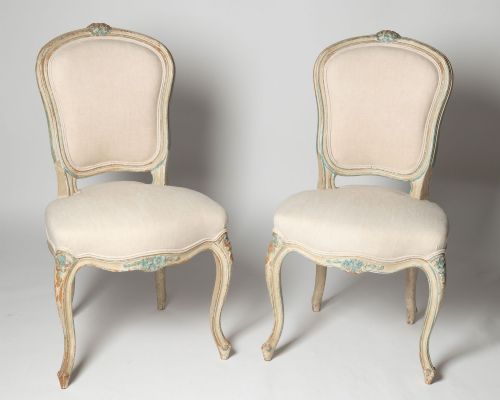
Surface treatments and upholstery vary according to the period, ranging from exposed polished wood and painted finishes to drop-in seats covered in fabric or upholstery material. Details such as bobbin turning, hand carving, inlay, and rush or wooden seats indicate the specific workshop traditions of the maker.
Some chairs retain the marks of penny seats punched directly into the wood by early makers.
What varies in quality
The distinction between standard domestic seating and finer examples lies in the selection of timber and the precision of the construction. Dense grain in mahogany or oak and crisp execution in carved details, turnings, and inlay separate utilitarian pieces from those intended for formal reception rooms.
Originality of surface finish and the retention of matching components across the pair heavily influence the character of the piece. Minor repairs and replaced elements alter the integrity of older chairs, whereas untouched surfaces demonstrate the age of the material.
Edward Barnsley·Thonet
The Pair Wooden Dining Chairs Glossary
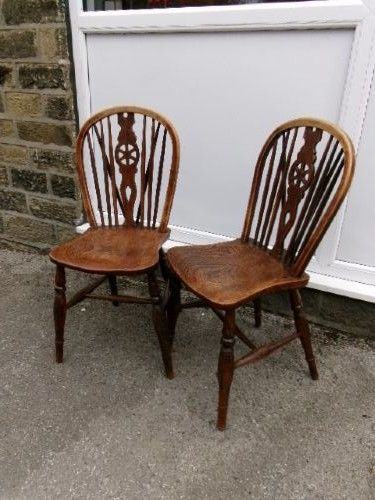
- Windsor
- A traditional chair construction method where legs and back spindles fit directly into a solid wooden seat rather than a framed chassis. These frequently incorporate bentwood bows and comb backs.
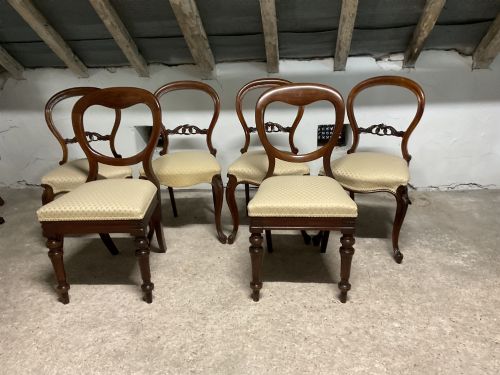
- Balloon back
- A rounded, oval-shaped backrest popular during the Victorian era, resembling the profile of a hot air balloon. This form appears frequently in walnut and mahogany dining chairs.
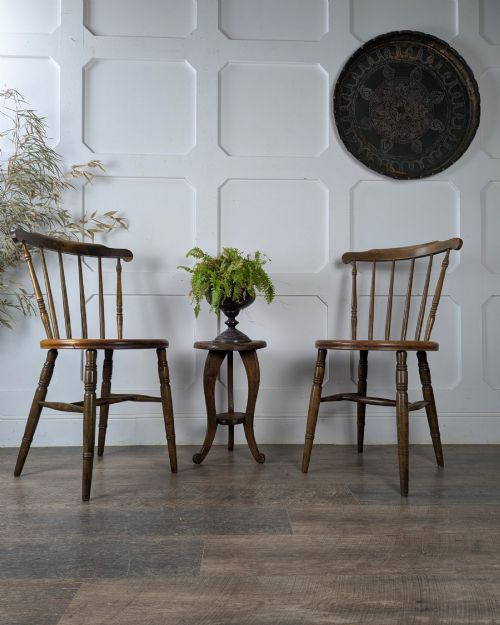
- Bobbin turned
- A form of woodturning characterised by a series of rounded, spool-like shapes carved along the length of a leg or stretcher. This technique appears on 18th century oak and vernacular furniture.
- Shield back
- A chair back shaped in the outline of a heraldic shield, popularized during the Georgian period by designers like Hepplewhite. It often encloses pierced splats or carved drapery.
Pair Wooden Dining Chairs: Frequently Asked Questions
What defines a pair of carver armchairs?
Carver armchairs are single armed chairs traditionally placed at the head and foot of a dining table. They match the design language of the smaller side chairs in the set.
These pieces provide structural armrests, offering a more formal seating position while maintaining visual continuity with the rest of the dining furniture.
How do I identify a Windsor chair?
Windsor chairs are distinguished by their solid sculpted wooden seats into which the legs and back spindles are driven directly. They often feature bentwood hoops and distinct regional variations such as wheelbacks or barbacks.
These chairs developed primarily as sturdy vernacular seating for kitchens and farmhouses before entering more formal domestic spaces.
Where were these chairs used historically?
Dining chairs served domestic functions across various rooms, from formal Georgian dining rooms to vernacular country farmhouses and Victorian kitchens. Side chairs stood around the perimeter of a room when not in use at the table.
Their specific form reflects the social standing of the household and the intended function within the domestic interior.
How do I care for antique wooden chairs?
Maintaining antique wooden chairs involves keeping them away from direct heat sources and sudden humidity changes to prevent timber splitting. Regular dusting with a dry cloth preserves the polished finish and surface patina.
Applying appropriate wax occasionally helps nourish older hardwoods like mahogany, oak, and walnut without building up unwanted residue.