


Pair Victorian Accent Chairs
Pair victorian accent chairs bring period character to a room, offering matched seating options from armchairs to salon chairs.
Pair Victorian Accent Chairs
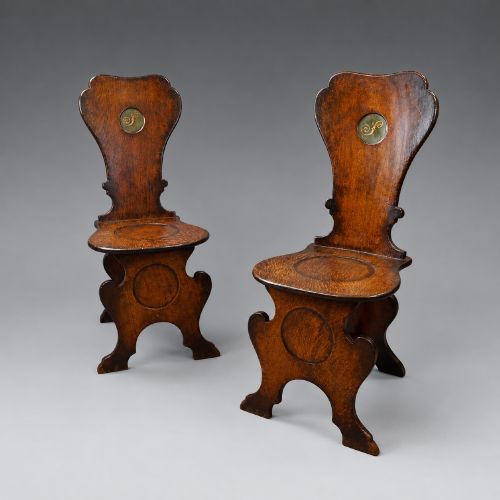
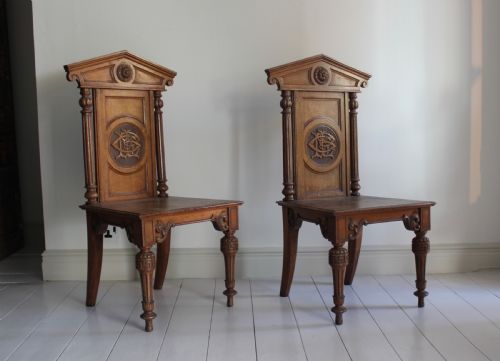
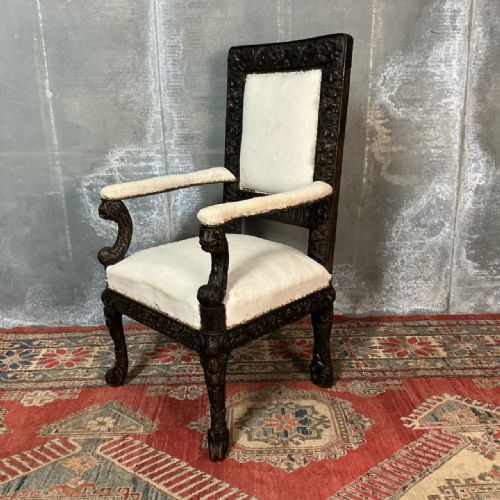
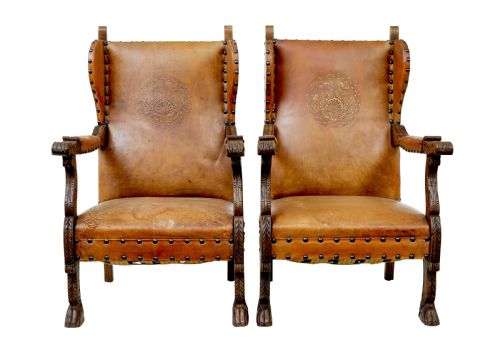
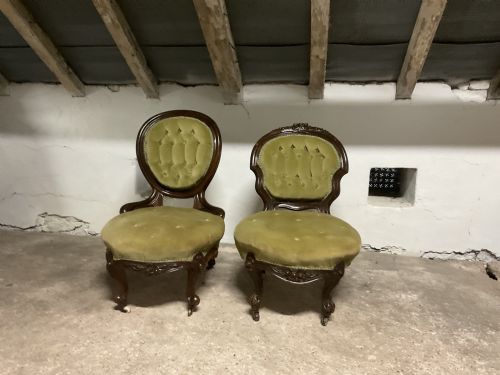
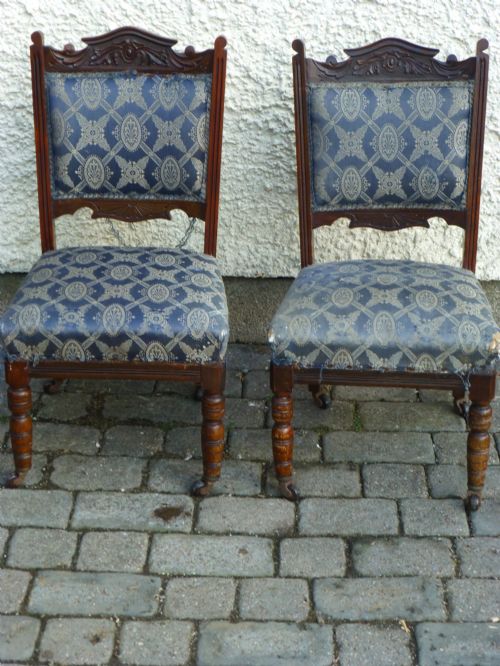
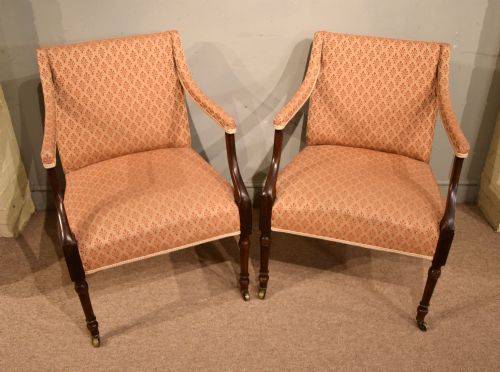
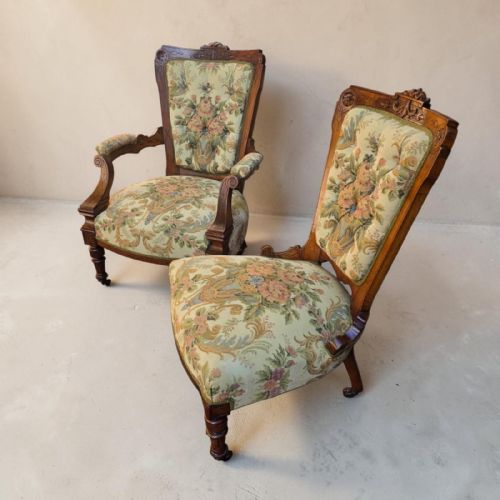
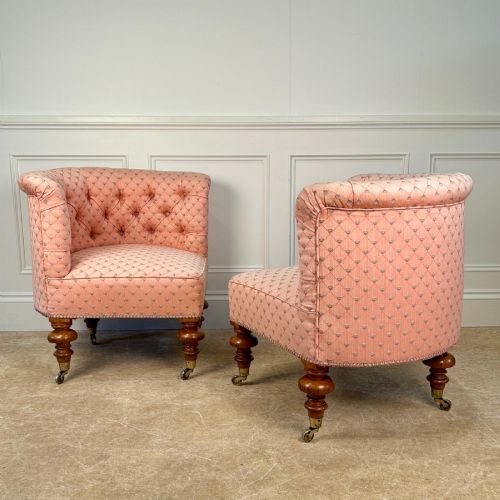
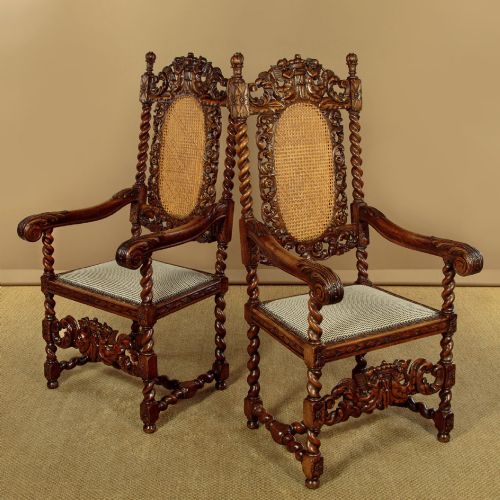
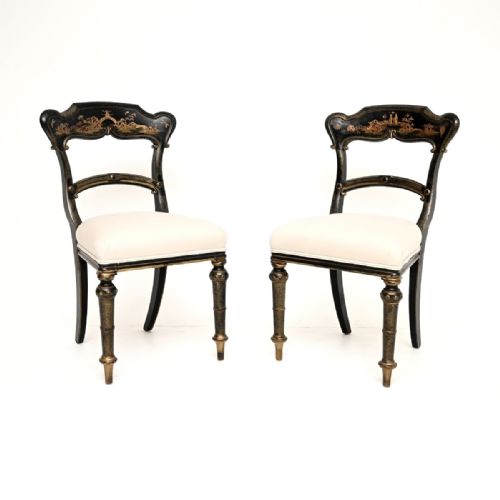
These listings comprise matched sets of seating from the nineteenth century, encompassing forms such as armchairs, hall chairs, side chairs, nursing chairs, and salon chairs. Buyers seeking pair victorian accent chairs will encounter numerous walnut, oak, and mahogany examples spanning the decades from eighteen forty to nineteen hundred.
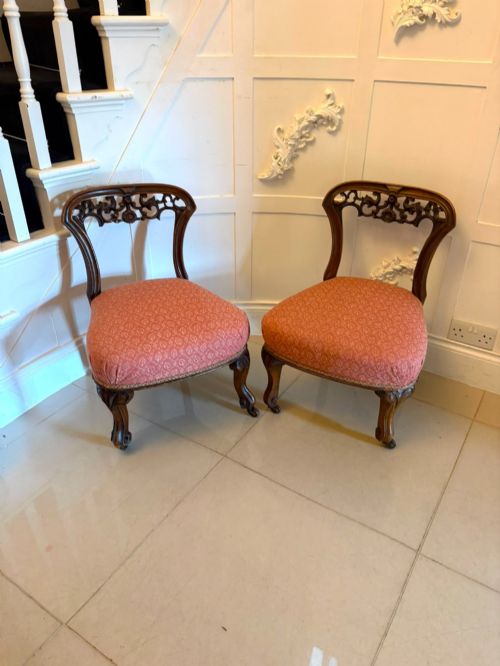
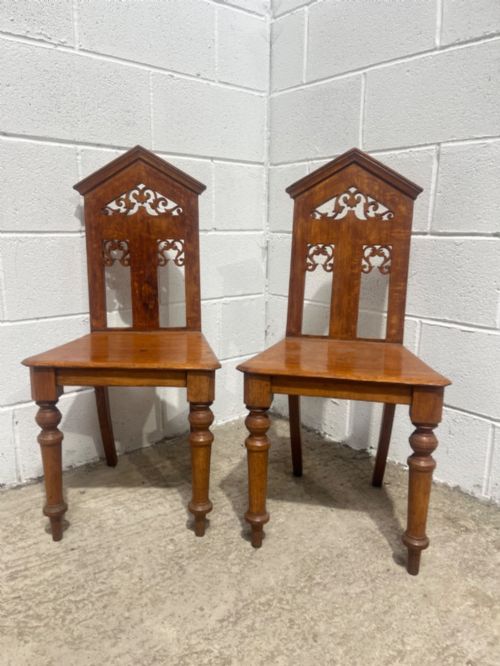
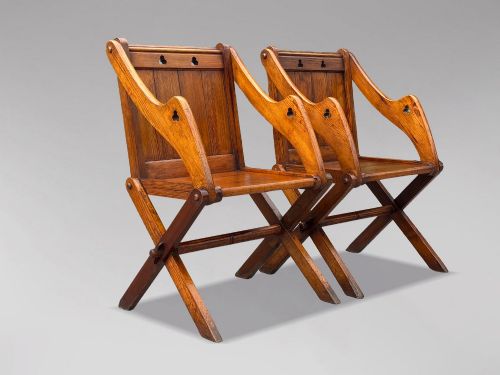
The selection ranges from low nursing chairs and bedroom chairs to substantial library armchairs and heraldic shield-backed hall chairs. Walnut and mahogany frame many of the spoonback and upholstered parlor pieces, while oak and pitch pine dominate the Gothic revival and hall seating.
French Napoleon III and specific revival styles appear alongside English vernacular pieces, providing varied silhouettes for domestic interiors. Most items originate from the nineteenth century, reflecting the diverse cabinet-making and upholstery traditions of that era.
How they were made
Cabinet-makers utilised dense timbers such as walnut, mahogany, oak, and rosewood, shaping structural frames through traditional joinery and carving. Timber selection dictated the depth of relief carving found on spoonback chairs and scroll-carved chair backs.
Upholstered seating integrated materials like leather, velvet, textile, and fabric, often secured with buttoning techniques over sprung or padded foundations. Brass components occasionally reinforced structural points or decorated castors and feet.
Spider web back desk chairs offer an intricate alternative to standard Victorian seating.
What varies in quality
The degree of crispness in carved wooden details distinguishes finer frames from simpler production, particularly on walnut scroll backs and heraldic shield panels. Timber selection and grain figuring also elevate certain mahogany and walnut pieces above standard workshop output.
Integrity of original frame construction and the preservation of period upholstery materials influence the overall standard of each matching set. Pieces retaining their structural rigidity and authentic surface patination represent the higher tier of surviving examples.
Howard and Sons
The Pair Victorian Accent Chairs Glossary
- Spoonback
- A chair back curved in three dimensions to mimic the contour of a spoon, commonly seen on Victorian walnut armchairs and nursing chairs.
- Gothic Revival
- A design style drawing inspiration from medieval architecture, frequently expressed in oak chairs with pointed arches and tracery.
- Nursing chair
- A low-seated chair designed for comfort during nursery duties, often featuring an upholstered seat and back.
- Hall chair
- A rigid wooden seat, usually without upholstery, intended for an entrance hall and frequently carved with crests or shields.
- Napoleon III
- A French eclectic style popular during the mid to late nineteenth century, incorporating diverse historical influences into domestic seating.
Pair Victorian Accent Chairs: Frequently Asked Questions
How do I identify a Victorian armchair?
Victorian armchairs typically display characteristic nineteenth-century timber choices such as walnut, mahogany, or oak, often combined with specific revival styles. Examining the frame construction and carved details helps establish the period.
Upholstered versions frequently utilise buttoned leather or velvet over sprung interiors. Comparing the silhouette against documented nineteenth-century forms confirms the origin.
Where were pair victorian accent chairs used?
These chairs served various domestic functions depending on their specific form, from formal parlours to private bedrooms and entrance halls. Parlour and salon chairs accommodated guests, while low nursing chairs originated for domestic chambers.
Hall chairs furnished entrance spaces with rigid wooden seating. Each form fulfilled a distinct role in nineteenth-century interior arrangement.
Are these chairs suitable for daily use?
Solid timber frames provide substantial durability, though nineteenth-century upholstery foundations may require professional restoration before heavy daily sitting. Checking the structural stability of the joints ensures safe integration into modern rooms.
Matching pairs function effectively as decorative seating or functional fireside chairs. Proper maintenance preserves both the timber frame and the covering fabric.
How do I distinguish Gothic revival from other styles?
Gothic revival pieces incorporate architectural motifs borrowed from medieval churches, such as pointed arches, trefoils, and heavy carved tracery. Oak is the primary timber utilised for these substantial frames.
Such chairs often feature heraldic shields or linenfold panels. This aesthetic stands apart from the curvilinear floral carvings of standard Victorian walnut furniture.