

Pair Pendant Lights Brass
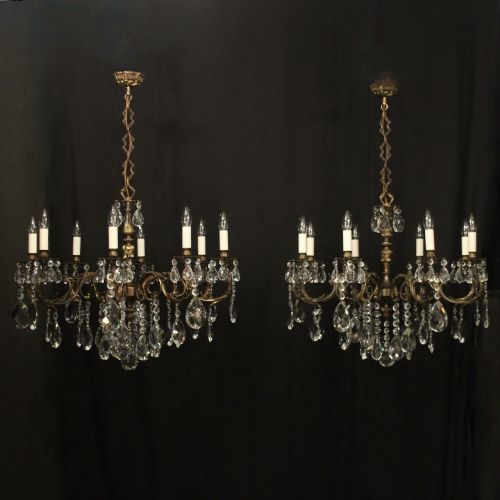
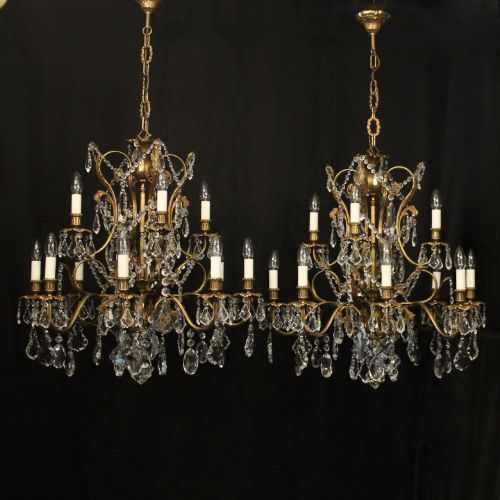
These pair pendant lights brass fixtures bring balanced illumination and period character to high-ceilinged rooms.
Pair Pendant Lights Brass
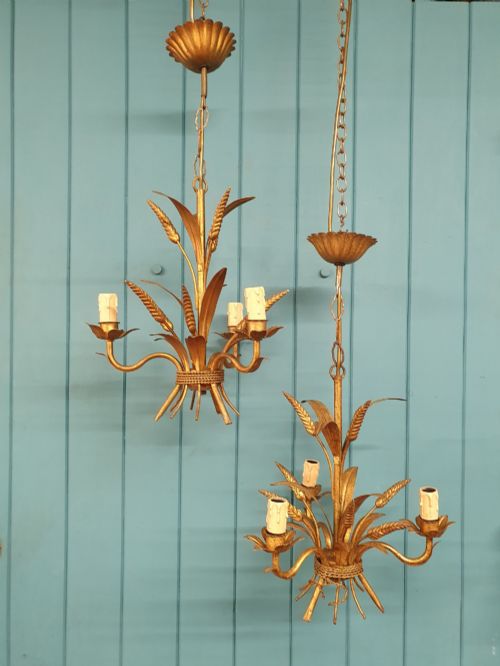
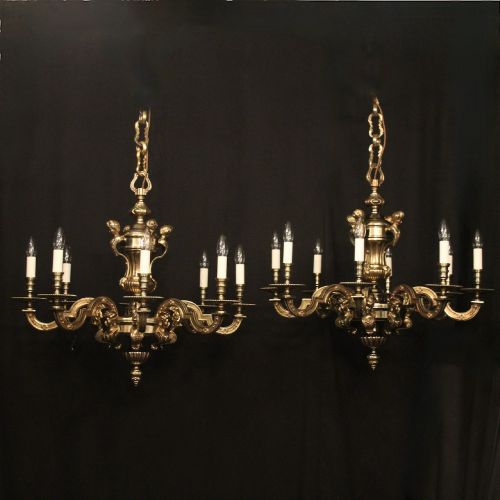
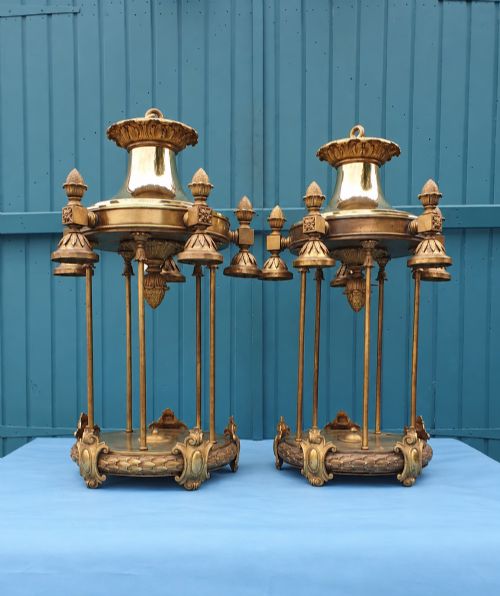
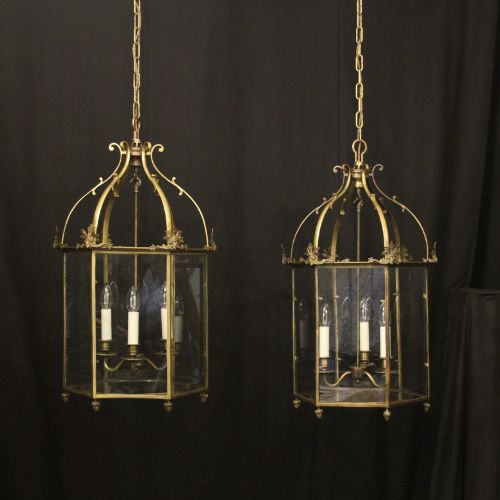
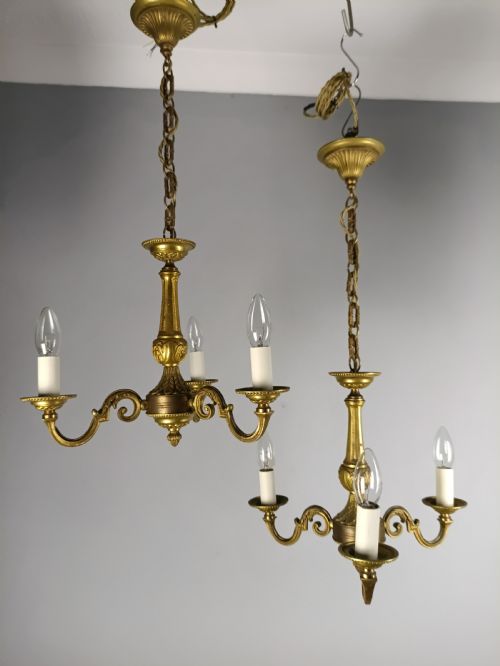
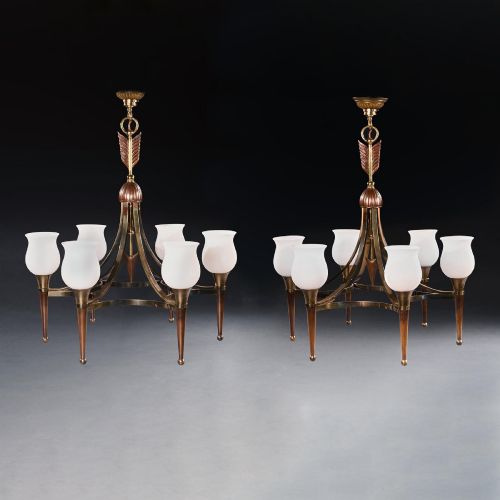
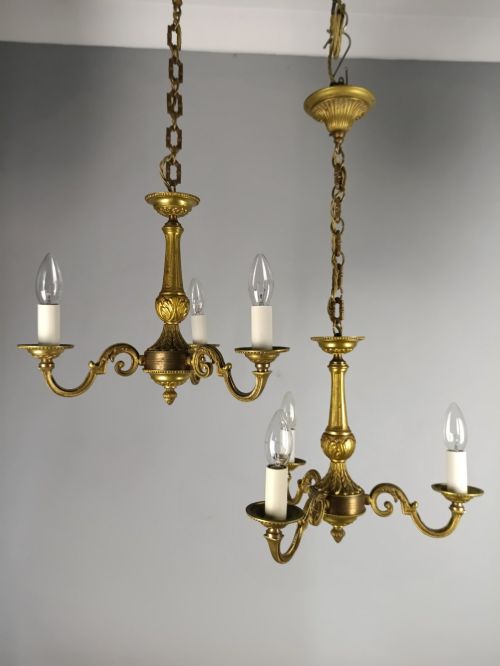
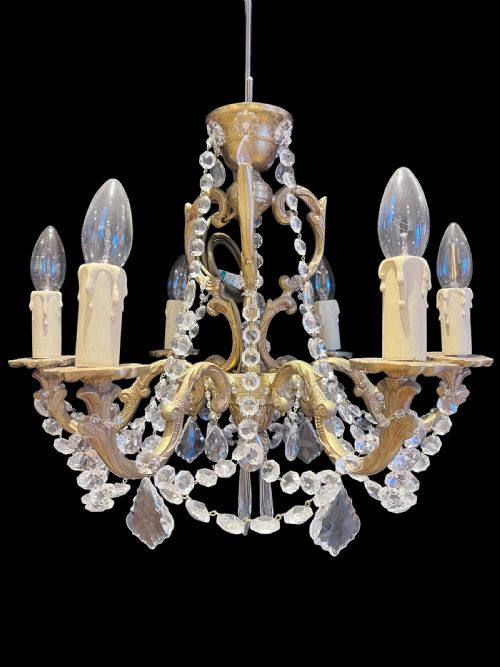
When you search for pair pendant lights brass, you find coordinated hanging illumination spanning the nineteenth century through the mid-twentieth century. The selection leans heavily toward early twentieth-century examples, including French lanterns, multi-arm chandeliers, and simpler glass pendants suspended from metal frames.
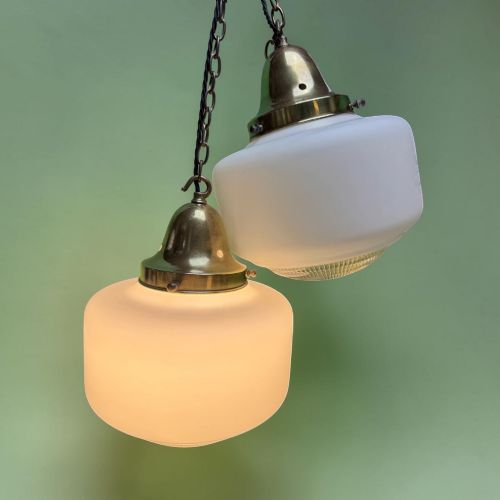
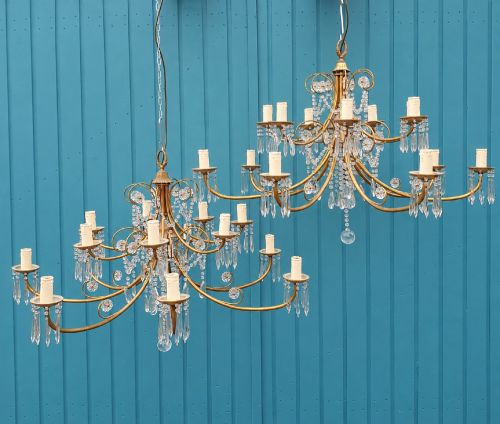
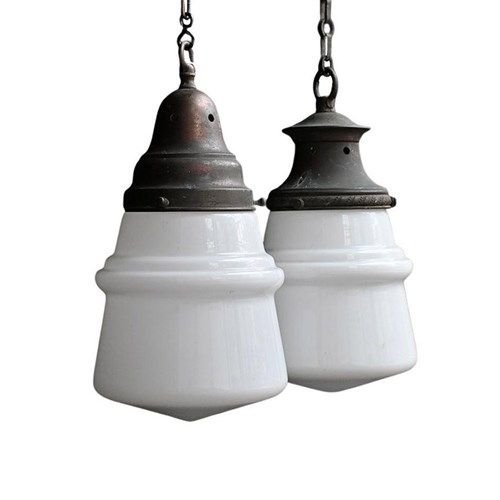
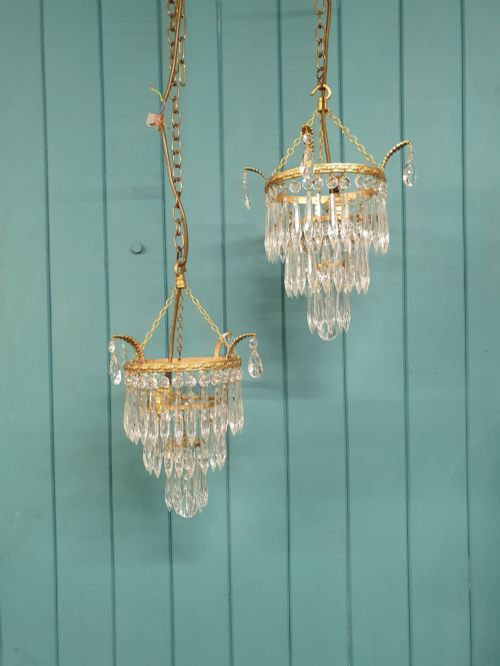
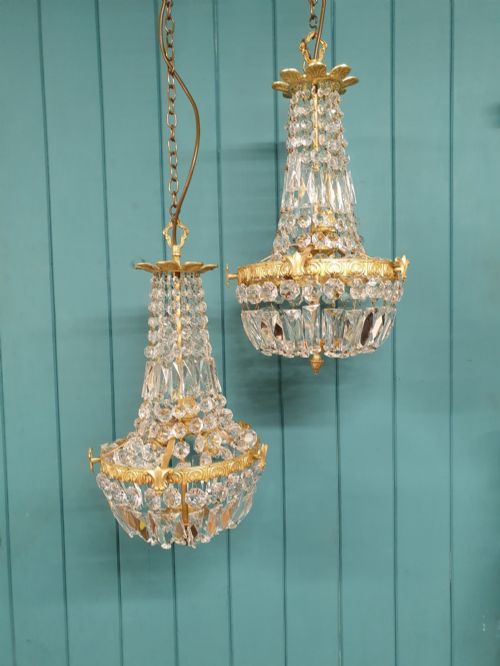
Makers and designers working in England, France, and America produced these dual fixtures for domestic and public interiors. Common forms include hall lanterns, dome-top crystal bag chandeliers, and simple opaline glass shades supported by brass or gilt bronze hardware.
Edwardian and 1930s pieces dominate the offerings, showing how lighting evolved from gas and early electric conversions to dedicated incandescent fittings. Buyers encounter everything from modest single-light glass drops to monumental multi-tier chandeliers requiring substantial ceiling clearance.
Materials and construction methods
The primary structural metal is brass, often found in its natural polished or patinated state, alongside gilt bronze and silver-gilded bronze. Workshops cast, spun, and hammered these metals to form rigid frames, decorative coronas, and suspension chains.
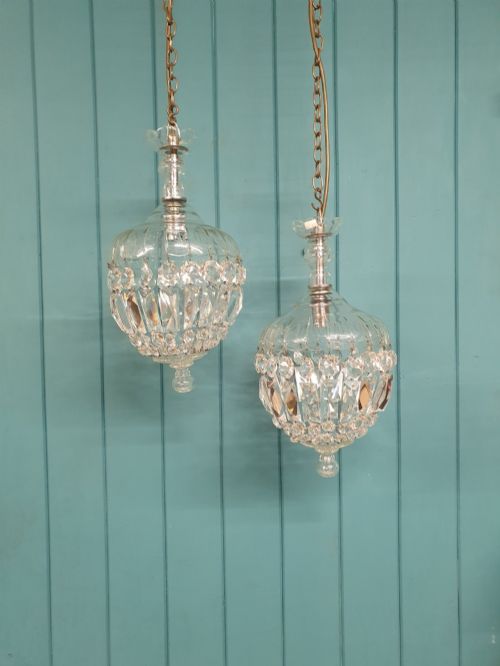
Glass elements form a crucial component, utilising cut crystal, moulded opaline glass, mercury mirrored glass, and faceted drops. Artisans wired these frames manually, integrating candle tubes, drip pans, and multi-light internal clusters to diffuse illumination evenly across the room.
Pair Pendant Lights Brass Retail Price Guide 2026
Typical asking prices for pair pendant lights brass among the pieces listed under this phrase on Sellingantiques today, from the lower quarter to the upper quarter. They describe what is for sale here now, not the wider market.
Some Edwardian brass lanterns are tall enough to stand inside comfortably if you happen to be built like a Victorian chimney sweep.
Distinctions in quality and execution
The degree of hand-finishing in the metalwork separates standard production items from elite workshop pieces. Heavy cast bronze mounts, intricate chasing, and deeply cut crystal prisms indicate superior manufacturing standards compared to pressed sheet brass and machine-moulded glass.
The integrity of the matched pairing dictates overall desirability. Pairs that retain identical patination, uniform crystal cuts, and matching proportions demonstrate that the two fixtures originated from the same ceiling rather than being assembled later from disparate sources.
Faraday & Son·Maison Jansen·Andre Arbus
The Pair Pendant Lights Brass Glossary
- Opaline glass
- A milky, semi-translucent glass developed to soften harsh electric or gas illumination. It appears frequently in early twentieth-century pendant shades.
- Gilt bronze
- Also known asormolu, this material consists of a bronze base coated with a layer of finely ground gold. It provides a durable, lustrous surface for French and English frames.
- Crystal bag chandelier
- A lighting fixture featuring a gathered web of small crystal beads hanging beneath a metal ring. These designs scatter light widely across surrounding walls.
- Hall lantern
- An enclosed hanging light designed specifically for corridors, vestibules, and entrance halls. They often incorporate glazed panels held within brass or bronze frames.
- Spike chandelier
- A vertical lighting form featuring a central spiked spindle surrounded by radiating arms and crystal drops. They originate predominantly from the Edwardian era and the 1930s.
Pair Pendant Lights Brass: Frequently Asked Questions
How do I hang a heavy pair of brass pendant lights?
Heavy fixtures require direct anchorage into ceiling joists using steel mounting brackets rather than resting on plaster alone. Professional installation ensures the wiring and weight distribution safely support multi-arm chandeliers.
Ceiling height dictates the suspension drop, particularly for larger lanterns and multi-tier chandeliers exceeding thirty inches in length. Leave enough clearance beneath the lowest point for foot traffic in hallways and living rooms.
Can I clean antique brass and crystal parts safely?
Gentle dusting with a dry microfiber cloth preserves the natural aged patina on unlacquered brass surfaces. Avoid abrasive metal polishes that strip away historical character and delicate gilding.
Crystal drops and glass shades benefit from removal and washing in lukewarm soapy water. Dry each piece thoroughly before reattaching it to the brass frame with original pin wires.
How do I date a brass pendant light?
Construction techniques, screw threads, and wiring channels offer reliable clues to a fixture's era. Early twentieth-century pieces often display hand-cut threading, heavy cast brass components, and older fabric-wrapped or twisted rubber-insulated flex.
Stylistic markers also help determine age, such as the geometric lines of Art Deco pieces versus the ornate rococo scrolls of earlier nineteenth-century French designs. Comparing the proportion of glass shades to metal work aligns pieces with Edwardian or 1930s manufacturing standards.
Where should I place matching pendant lights in a home?
Matching pendants work effectively in symmetrical spaces such as flanking a large dining table, framing a central hallway, or defining a long gallery. Their paired nature creates visual balance and structured sightlines across open-plan interiors.
Consider the scale of the room and furniture placement when hanging dual fixtures. Oversized lanterns require wide clearance to avoid overwhelming smaller architectural settings.