
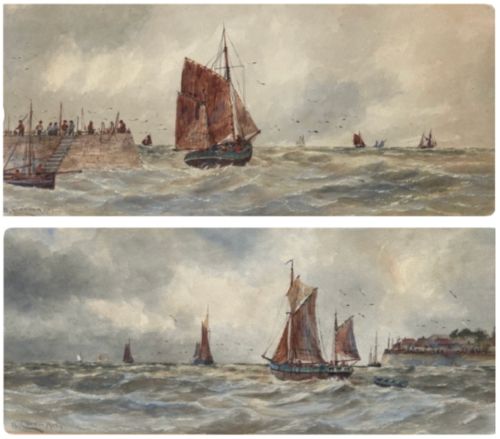
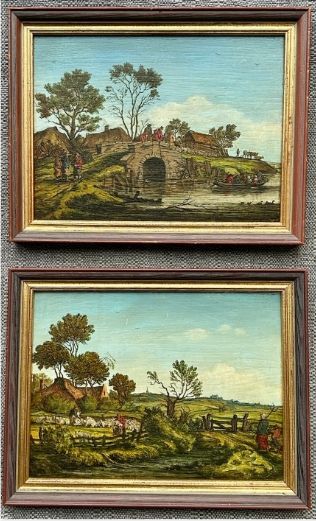
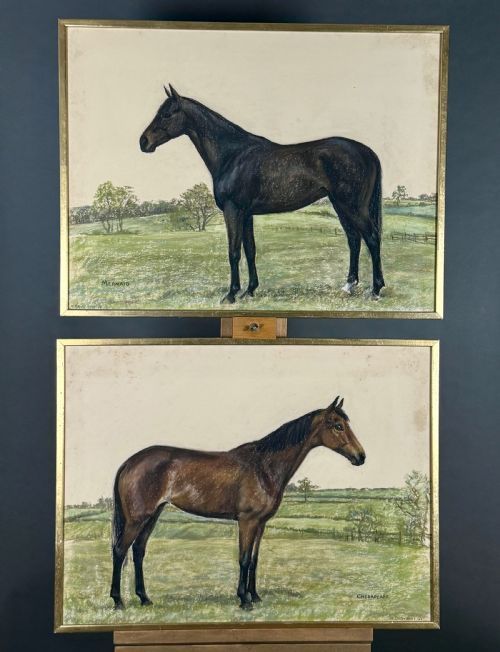
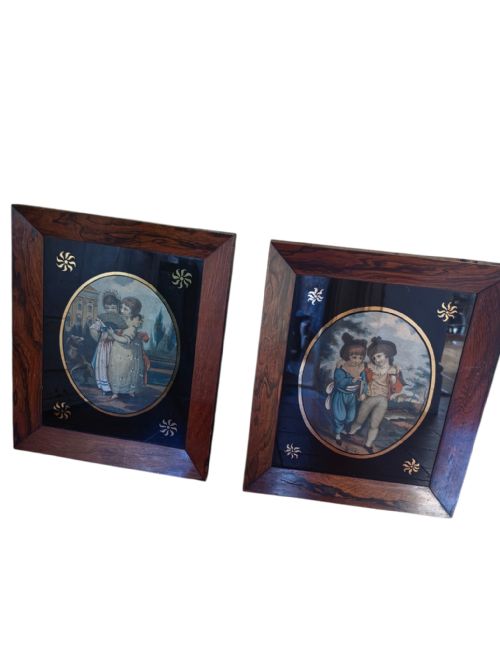
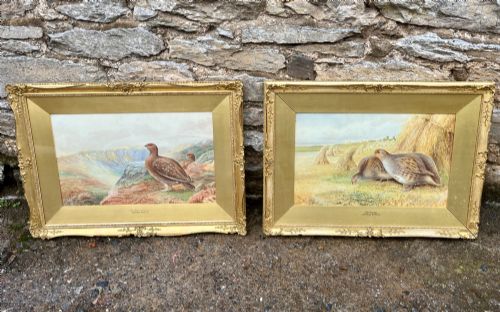
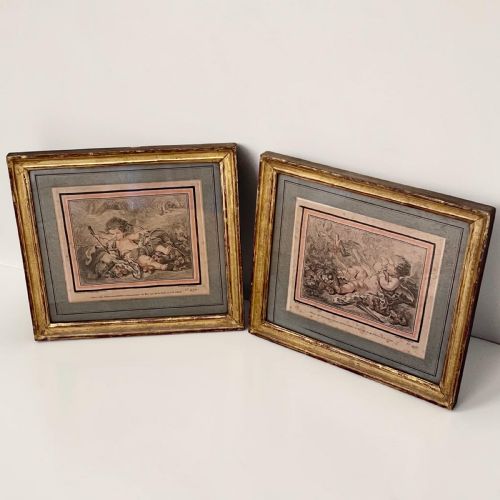
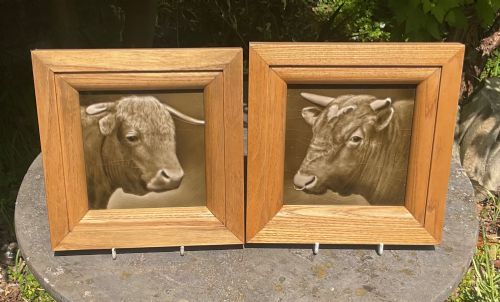
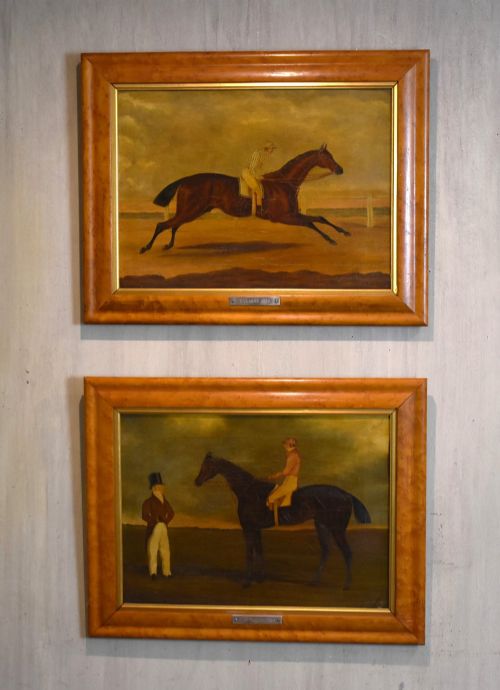
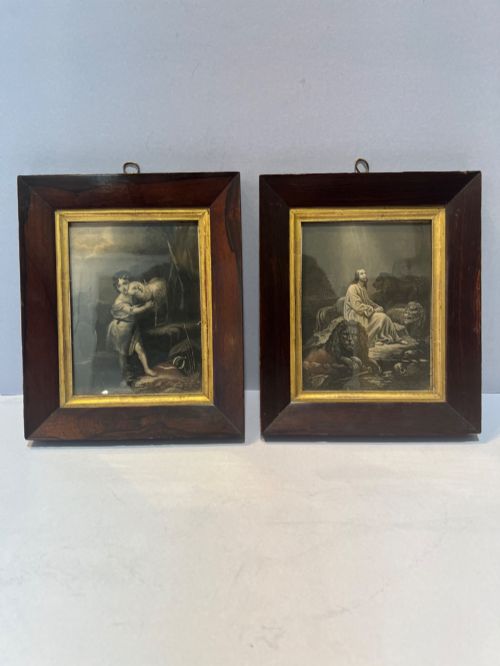
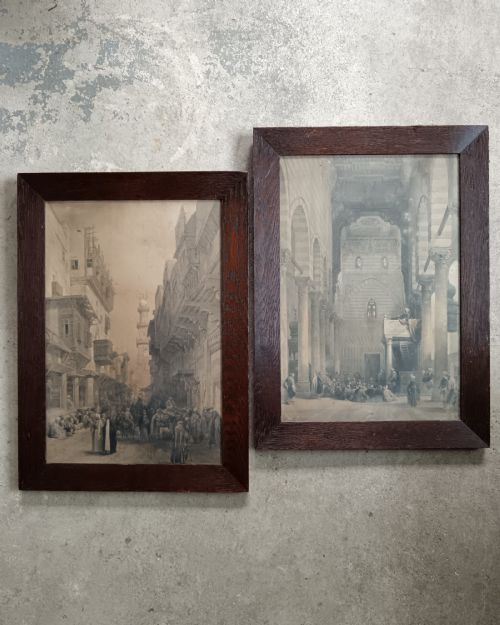


Pair of Wall Pictures
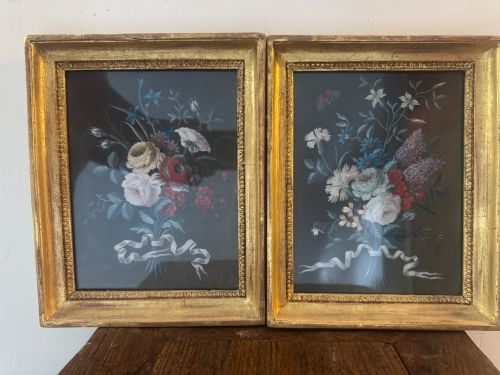
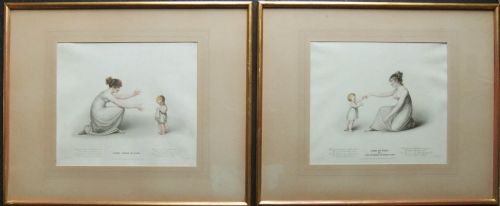
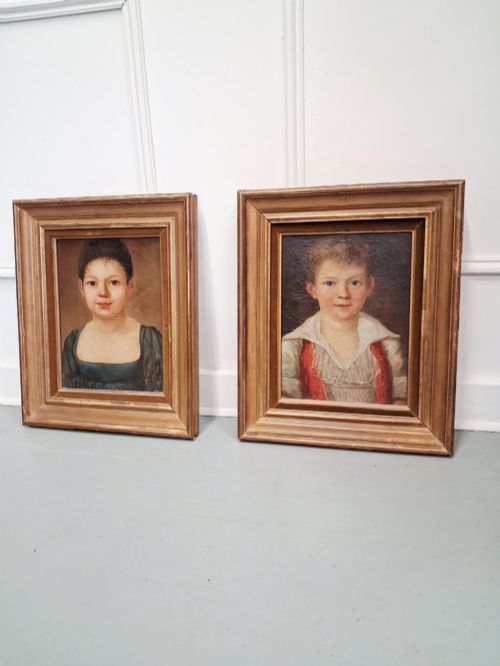
A pair of wall pictures brings symmetry to a room, offering matched scenes or portraits across oil, watercolour, silk and print.
Pair of Wall Pictures
When searching for a pair of wall pictures, a buyer encounters matched sets created for symmetrical display in domestic interiors. These decorative items span centuries of British and continental craftsmanship, ranging from matched oils on wood panels to framed prints and embroideries.
The most common versions met on this page include watercolours, engravings and silkwork pictures dating from the eighteenth through to the early twentieth century. These matched pairs frequently depict complementary subjects such as portraits, landscapes, seascapes, animals or botanical studies.
Period aesthetics heavily influence these objects, with styles stretching from Georgian elegance and Regency restraint to Victorian sentiment and Edwardian impressionism. The frames themselves form an integral part of the piece, utilising rosewood, giltwood, faux tortoiseshell or maple.
Materials and construction
Makers employed traditional supports including paper, wood panels, canvas, enamel and silk textiles for the pictorial surface. Pigments encompass watercolour, oil paint, pastel, gouache and printing inks, often applied by hand or transferred via copperplate engraving, mezzotint and lithography.
Framing techniques relied on timber mouldings finished with gold leaf, giltwood or decorative veneers to complement the artwork. Glass protected fragile media such as watercolours, pastels and silk embroideries from environmental damage.
Specialised decorative forms like reverse glass painting required the artist to paint directly onto the reverse side of the glass panel, viewing the completed composition through the front.
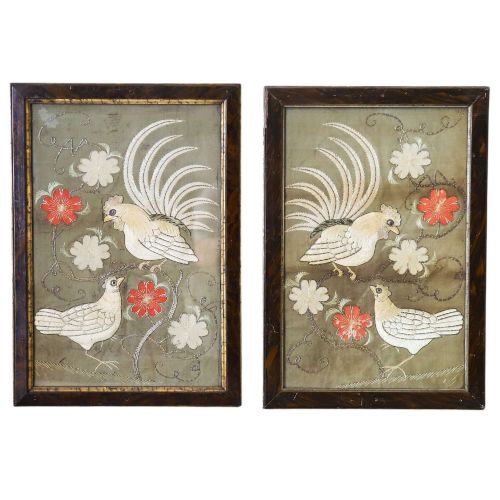
Look closely for the soldier and sailor with wooden legs sharing wall space with silk cockerels and hens.
Factors of quality
The standard of execution in the brushwork, draughtsmanship or engraving defines the upper tier of these decorative objects. Skilled handling of light, proportion and detail distinguishes superior artistic output from standard commercial production.
Original matching frames in good condition elevate a set, particularly when utilising period materials like hand-carved giltwood or rosewood. Altered framing or mismatched surrounds diminish the visual harmony intended for a matched pair.
Preservation of the delicate materials, such as silk textiles, paper and watercolour pigments against fading and dampness determines the enduring integrity of the artwork.
William Cannon·W Klombeck·Adam Buck·George Rankin·Demarteau·Sherwin and Cotton·John Frederick Herring Snr·Louis Haghe·Robert Sayer·Louis Wain·Gustave De Bréanski·John Frederick Herring Jnr·Frank Hider·R Palnay·George Whyatt·Nora Cundell
The Pair of Wall Pictures Glossary
- Engraving
- A printmaking process where an artist cuts lines into a metal plate to hold ink. The resulting image is transferred onto paper under pressure.
- Giltwood
- Timber, typically carved gesso-coated wood, covered with a thin layer of gold leaf or metallic powder. It provides a reflective, ornate frame finish.
- Reverse glass painting
- A technique where an image is painted directly onto the back of a glass sheet, creating a glossy finish when viewed from the front.
- Silkwork picture
- An embroidery executed in silk threads on a silk or linen backing, often depicting figures, landscapes or birds during the Georgian and Regency eras.
- Mezzotint
- A printmaking method in tone rather than line, allowing for smooth gradations of light and shade across the printed surface.
Pair of Wall Pictures: Frequently Asked Questions
How should I hang a matched pair?
Hang the pictures at eye level, maintaining consistent spacing between them to preserve the intended visual balance on the wall.
Ensure they receive indirect lighting to protect sensitive watercolours, silks and printed paper from fading over time.
Were these always sold together?
Most pairs were conceived, executed and framed together to provide balanced symmetry for interior decoration.
Matching subjects, identical frames and corresponding artist signatures confirm their joint origin.
How do I care for silkwork pictures?
Keep textile artworks away from direct sunlight and high humidity to prevent the silk threads from degrading or staining.
Display them behind protective glass secured within their original frames to limit exposure to dust.
What is the difference between an engraving and a print?
An engraving is a specific intaglio printmaking technique produced by incising a design into a hard plate.
The broader category of prints includes various mechanical and manual reproduction methods like lithography and mezzotint.