
Pair of Thrones
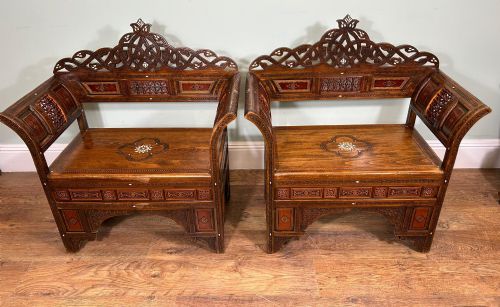
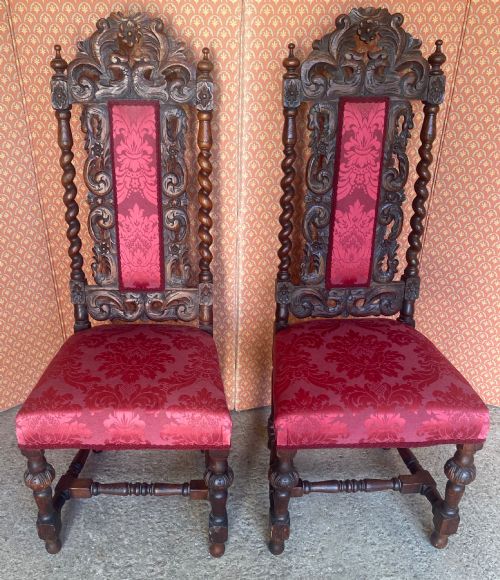
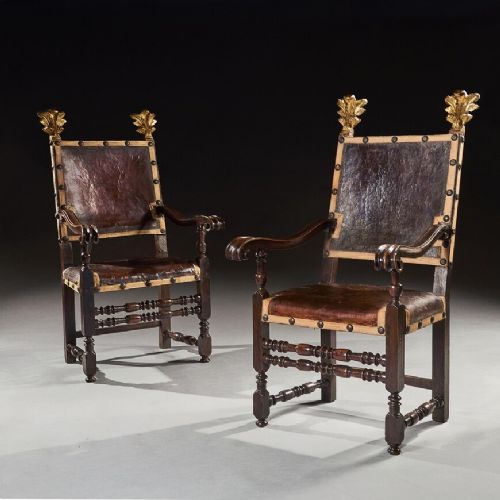
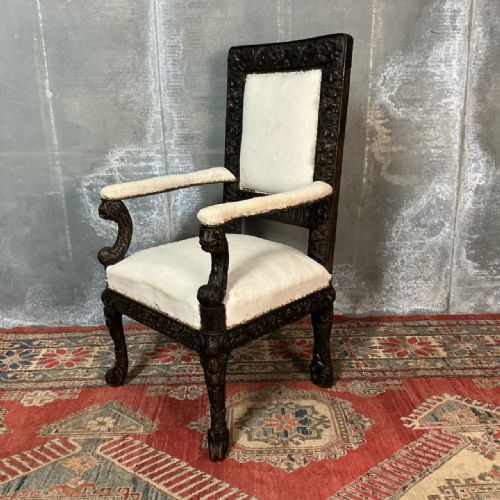
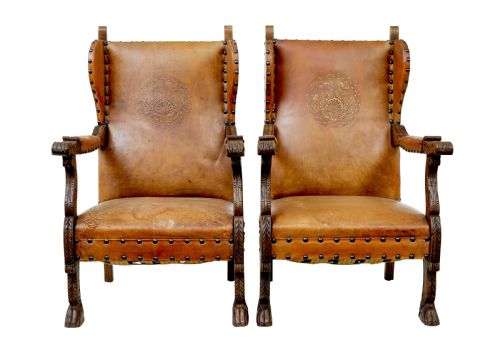
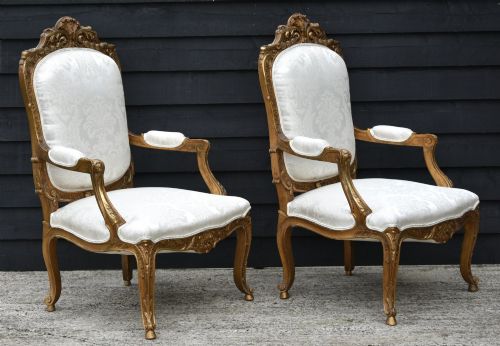
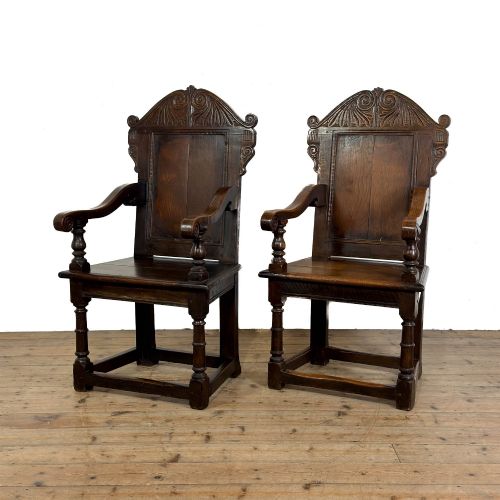
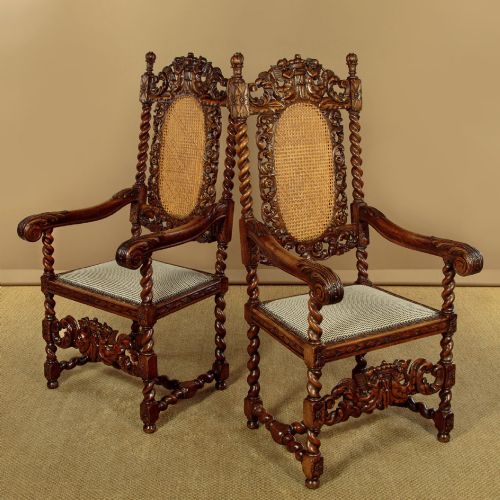
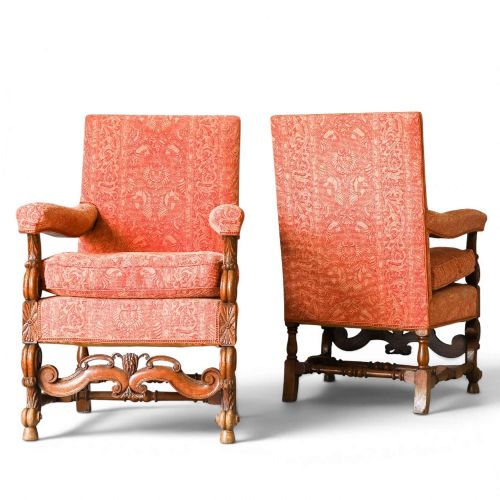
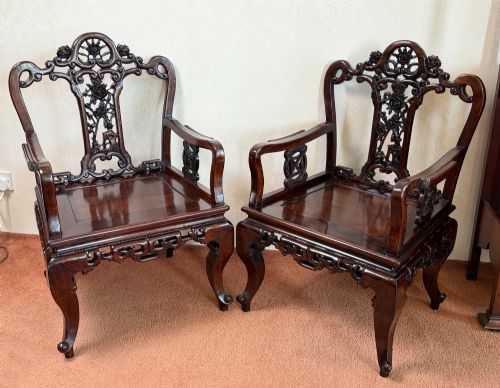
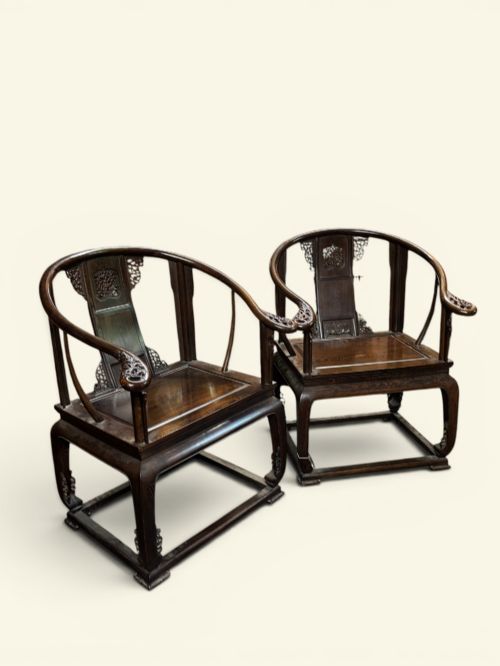
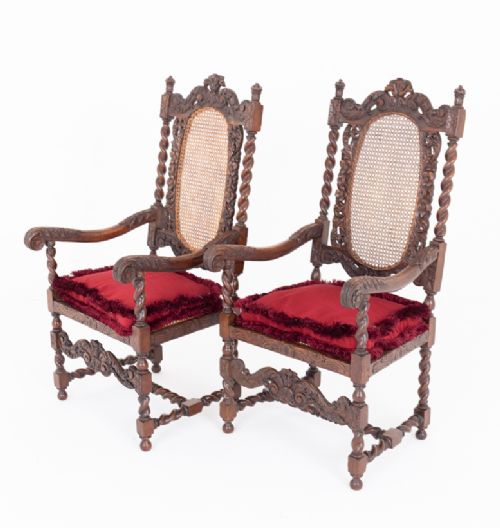
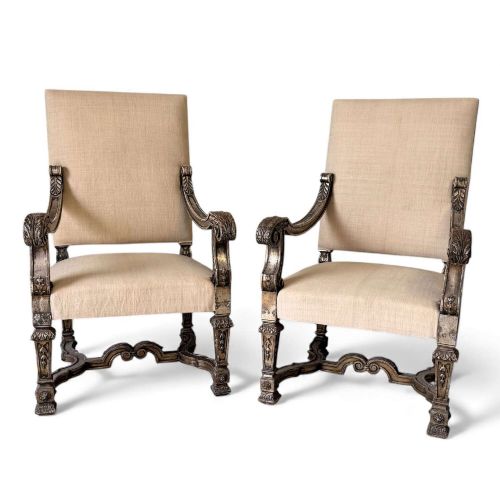
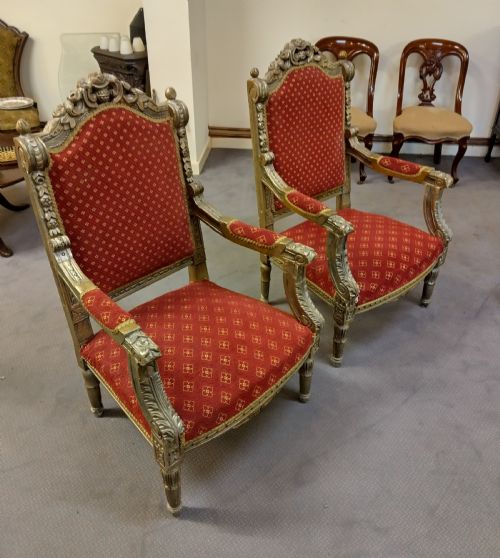
These pair of thrones seating options command a room with high backs and heavy carving, offering historical presence and formal weight.
Pair of Thrones
When searching for a pair of thrones, buyers look at imposing seating forms designed to dominate a space with authority. These pieces often appear as high-backed armchairs or ceremonial hall chairs rooted in centuries of historic revivalism.
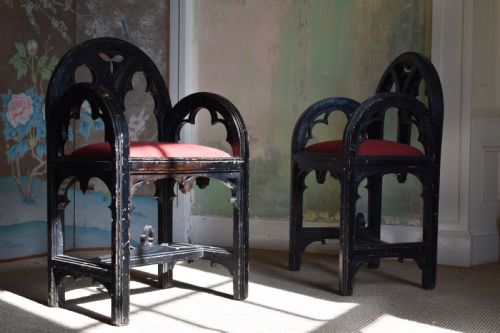
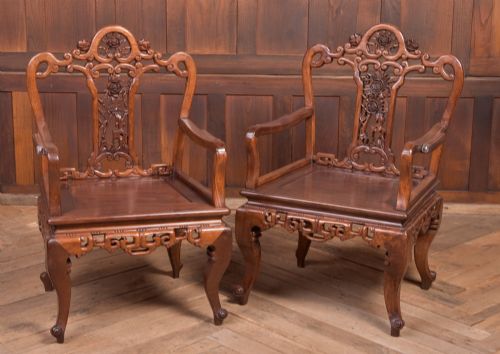
The selections available here span diverse origins, from European Baroque and Gothic revivals to Chinese hardwood interpretations and Burmese temple chairs. Oak and walnut dominate the European examples, while hardwood and teak anchor the Asian pieces.
Most items you encounter date from the nineteenth century, channeling earlier seventeenth and eighteenth-century aesthetics through heavy carving and formal upholstery. They function as striking focal points in a study, library or grand hallway.
How they were made
Carpenters and joiners built these seats using robust native timbers like oak, walnut and elm, alongside dense imported hardwoods. Joints relied heavily on traditional mortise and tenon construction to support the heavy loads and large proportions of high-backed frames.
Carving defines the surface detail, executed by hand with deep relief motifs ranging from linenfold and Gothic tracery to Chinese dragons and Italian scrollwork. Giltwood, parcel-gilt and painted finishes frequently highlight these intricate wooden sculptures.
Upholstery materials such as embossed leather, velvet, tapestry and fabric are secured with traditional tacks or buttons, though many historic frames have undergone sympathetic reupholstery over time.
The inventory spans European Gothic and Baroque revivals alongside Chinese Qing dynasty hardwood and Burmese temple seating.
What varies in quality
The depth and crispness of the hand-carving set finer examples apart from simpler production pieces. Crisp undercuts and well-defined human, animal or floral motifs demonstrate the skill of the original workshop.
Timber selection and structural integrity govern durability, with tightly grained hardwoods and unwarped frames holding their presence far better than lesser stock. Original surface treatments and genuine period patination carry more weight than heavy later modifications.
A.W.N. Pugin
The Pair of Thrones Glossary
- Wainscot chair
- A solid wooden armchair from the seventeenth century or later, constructed with panelled backs and turned supports. They pre-date the widespread use of upholstered seating.
- Giltwood
- Timber that has been coated with a thin layer of gold leaf or gilt finish. This technique adds reflective brilliance to ceremonial furniture.
- Hongmu
- A category of dense, heavy Chinese hardwood prized for its dark colour and fine grain. It is frequently utilised in traditional seating forms.
- Gothic Revival
- An architectural and decorative style drawing inspiration from medieval forms. It often includes pointed arches, tracery and heavy oak construction.
- Parcel-gilt
- A decorative treatment where only specific portions of a wooden object are gilded, leaving the underlying walnut or oak visible elsewhere.
Pair of Thrones: Frequently Asked Questions
Where were these chairs used?
Historically, such imposing seats stood in great halls, courtrooms, churches and formal libraries to denote status and authority. They anchored the focal point of a room rather than serving as casual lounging furniture.
Today, they suit large entrance halls, studies or drawing rooms where their vertical lines and heavy timber frames can balance high ceilings and open space.
How do I care for historic wood?
Maintain timber frames by keeping them away from direct heat sources and sudden humidity shifts, which cause wood to split or warp. Regular dusting with a dry, soft cloth preserves the original surface patination.
Avoid modern silicon-based polishes that build up over time; instead, use appropriate wax sparingly if the timber appears dry.
How do I date these pieces?
Dating relies on examining construction techniques, tool marks, timber shrinkage and stylistic clues like the specific type of Gothic or Baroque revival ornamentation. Nineteenth-century interpretations often mix historical motifs with industrial-era joinery methods.
Comparing the secondary woods, upholstery webbing and fastener types helps distinguish genuine period output from later stylistic revivals.