


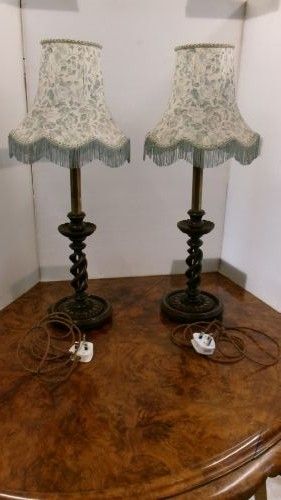
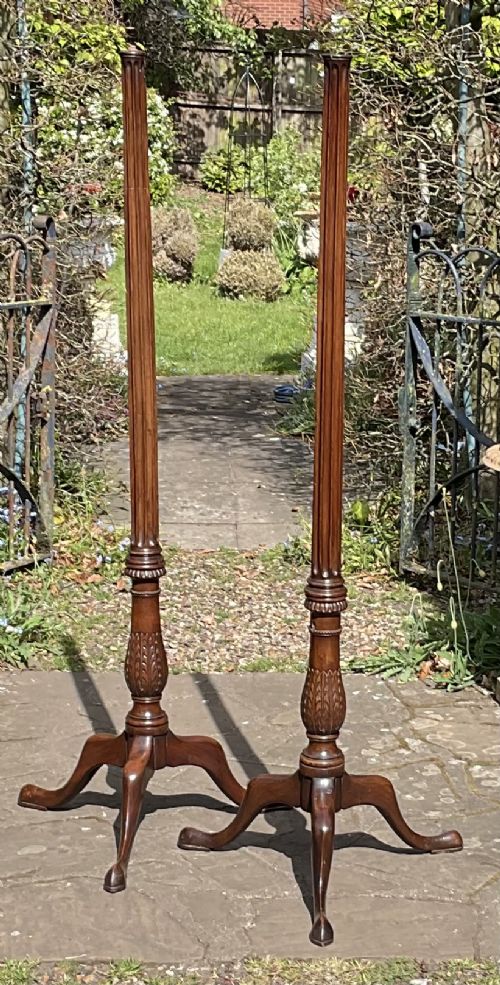


Pair of Tall Lamps
When you search for a pair of tall lamps, you are looking at matched verticals that bring scale and balance to a room.
Pair of Tall Lamps
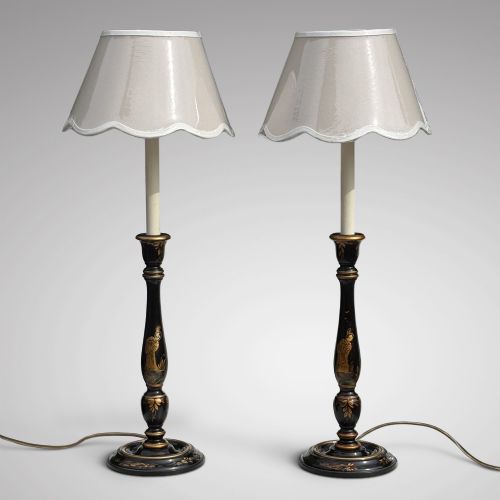
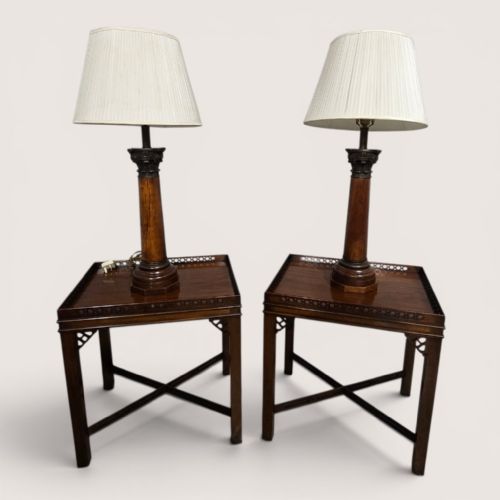
A pair of tall lamps delivers symmetry and strong vertical presence to a room, functioning as architectural anchors on sideboards, consoles or flanking seating arrangements. When searching for a pair of tall lamps, buyers frequently encounter substantial column forms, converted candlesticks and turned timbers dating from the Victorian era through the early twentieth century.
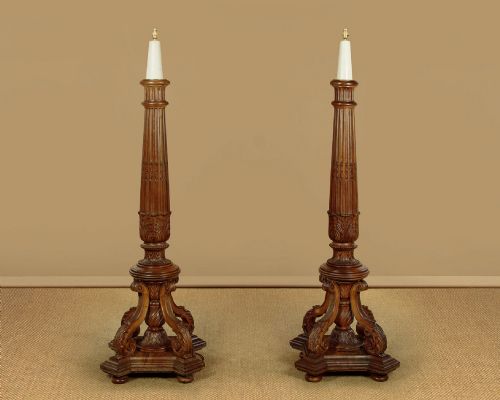
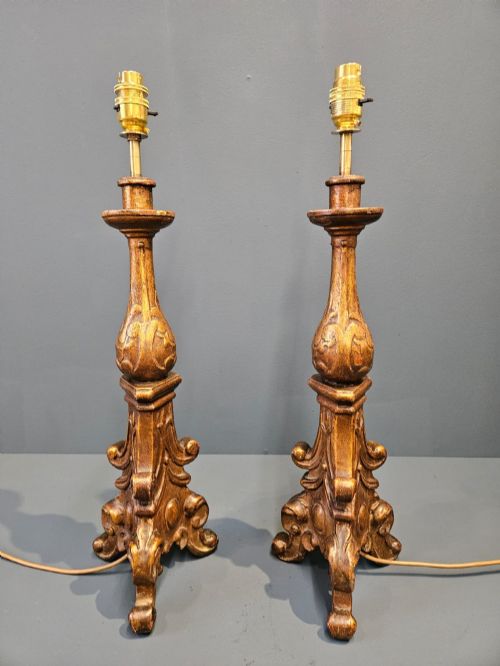
The selection ranges from heavy brass Corinthian columns and ecclesiastical brass standards to carved oak shafts and polished mahogany twists. These substantial heights allow the pieces to cast light effectively across larger spaces while maintaining a disciplined decorative balance.
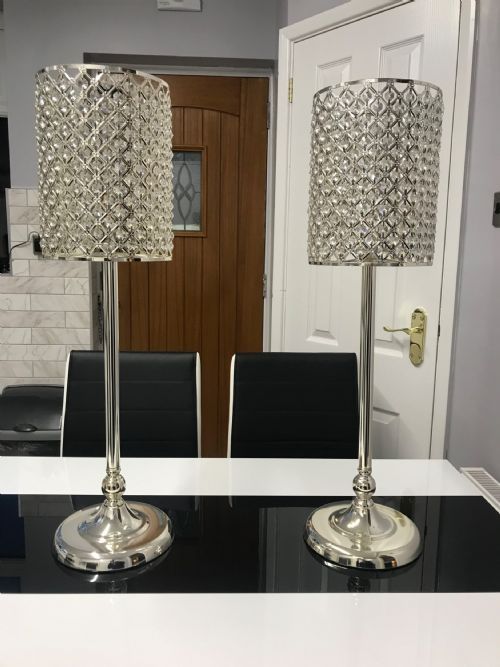
Beyond standard table heights, the category extends to floor-standing torcheres and heavy standard lamps that serve the same paired purpose in corners or beside reading chairs. The common thread across these forms is the deliberate duplication of height and material, offering an intended symmetry that single lamps cannot achieve.
Materials and construction
The construction of these pieces relies heavily on turned hardwoods such as mahogany, walnut and oak, alongside cast and spun metals including brass, bronze and silver plate. Timber examples often employ lathe-turned columns or fluted shafts joined to stepped bases, while metal versions utilise weighted internal rods or hollow cast components to maintain stability at height.
Surface finishes range from French polished wood and lacquered Chinoiserie to patinated or gilt brass, often paired with fabric shades. Craftsmanship is evident in the precision of the turning, the weight of the metal castings and the secure joining of architectural bases to vertical columns.
Listings demonstrate a strong presence of Victorian and Edwardian brass columns alongside 1920s mahogany and walnut turnings.
Judging quality
Quality in these pieces is dictated by the integrity of the materials, the crispness of the carving or casting, and the physical weight of the object. Heavier cast brass columns, dense Cuban or solid mahogany turnings, and well-preserved original gilding or patination represent the upper tier of the range.
Lighter gauge metals, composite substitutes, and poorly matched timber grains separate lesser examples from pieces executed with genuine proportion and careful hand-finishing. The best items retain their original vertical alignment without lean or structural compromise at the joints.
The Pair of Tall Lamps Glossary
- Corinthian column
- A classical architectural column form featuring ornate acanthus leaves on the capital, frequently adapted for metal and wooden lamp standards.
- Torchere
- A tall ornamental stand or floor lamp designed originally to carry a light source, often featuring a slender turned shaft.
- Ormolu
- Gilded bronze applied to decorative items and mountings, offering a bright metallic finish popular in French and English lighting.
- Ecclesiastic
- Pertaining to the church, describing heavy brass or timber candlesticks and standards originally utilised in religious settings.
Pair of Tall Lamps: Frequently Asked Questions
How do I place tall lamps in a room?
These pieces work best where height and symmetry are required, such as flanking a large sideboard, standing at either end of a long console table, or positioned on sturdy pedestals in corners. Their substantial vertical drop distributes light well above eye level.
Ensure the surface supporting them is deep enough to bear the footprint safely, as their height demands a stable foundation to prevent tipping.
Were these originally electric lamps?
Many tall lamps started life as oil lamps, candlesticks or architectural columns before being converted to electricity during later rewiring projects. This adaptation is standard practice for older lighting.
Buyers should check that the conversion respects the original structure of the metal or timber without causing unnecessary damage to the core.
How do I date a pair of wooden lamps?
Dating relies on timber selection, such as Victorian mahogany or Edwardian oak, alongside the turning style and tool marks visible on the underside. Closer inspection of the base often reveals construction methods typical of specific decades.
Comparing the timber grain and wear patterns between the two items confirms whether they were turned together as a matched pair.
What maintenance do antique metal lamps need?
Brass and bronze components require gentle dusting and occasional cleaning with appropriate metal care products to preserve the patination without stripping the surface finish. Avoid abrasive agents that remove the historical character.
Wiring should be inspected periodically by a qualified professional to ensure safety standards remain current for modern use.