


Classical Bronze Bedside Lamps
Classical bronze bedside lamps bring a distinct French architectural weight and candlelight warmth to a room, drawing on centuries of neoclassical design.
Classical Bronze Bedside Lamps
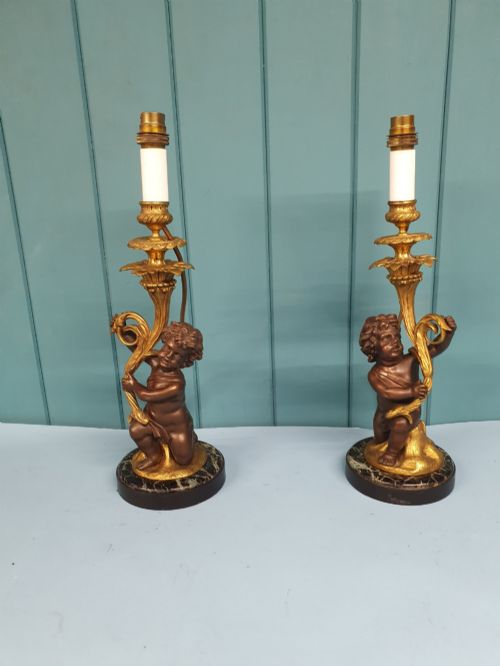
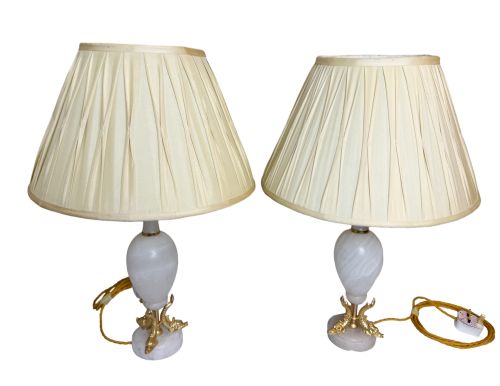
When you search for classical bronze bedside lamps, you encounter lighting built from heavy metal castings, natural stone bases, and decorative fabric shades.
Most examples originate from nineteenth-century France, reflecting neoclassical, Louis XVI, and Empire design vocabulary adapted for domestic illumination.
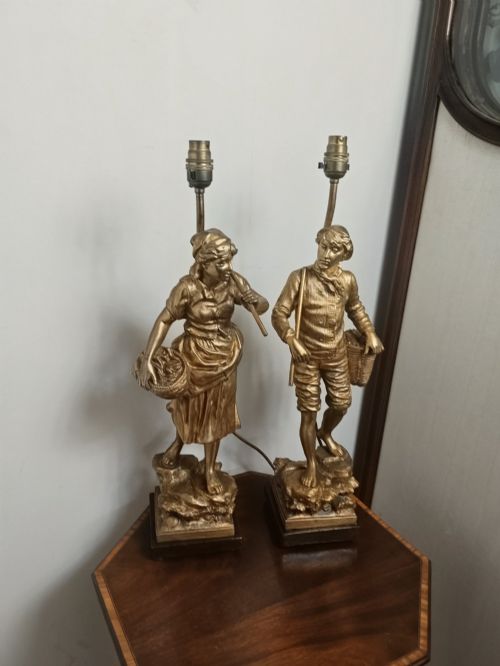
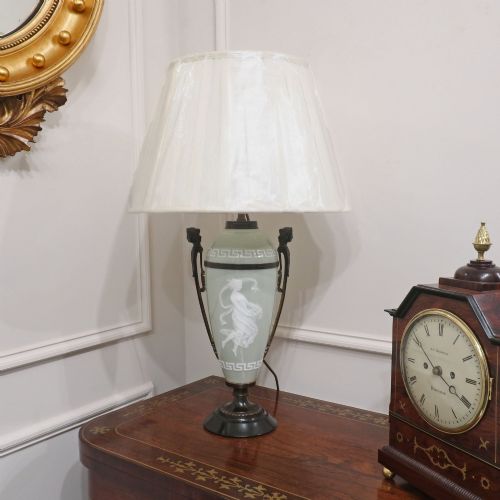
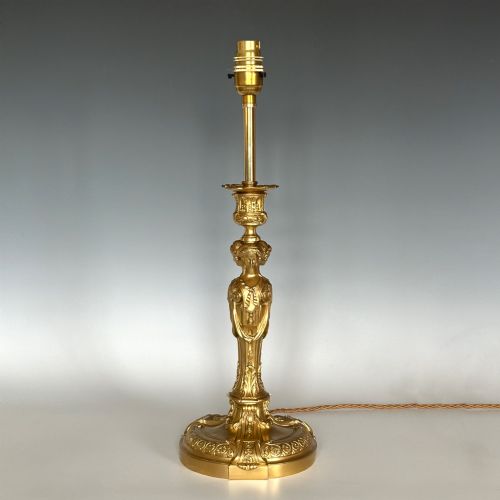
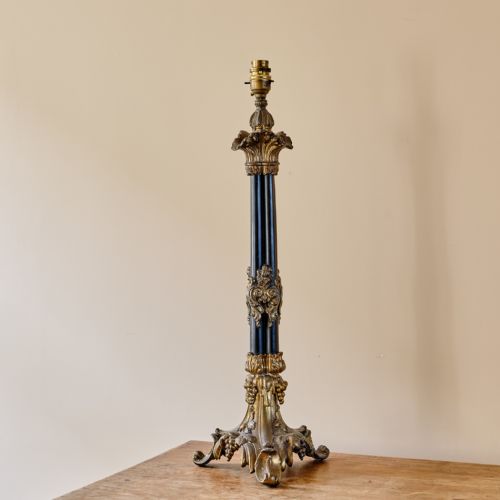
The form typically takes the shape of slender columns, decorative urns, or figural castings designed to sit securely on a nightstand.
Materials and construction methods
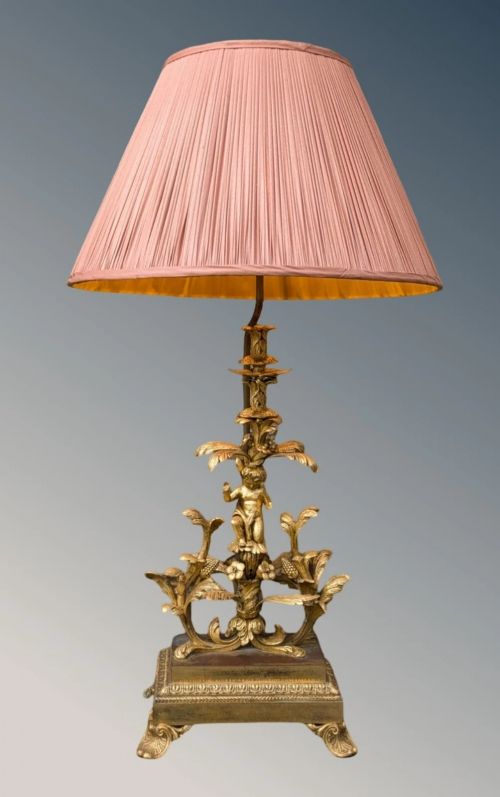
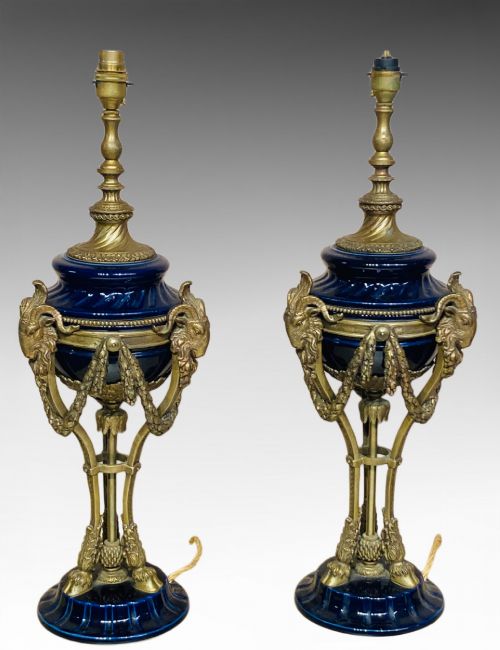
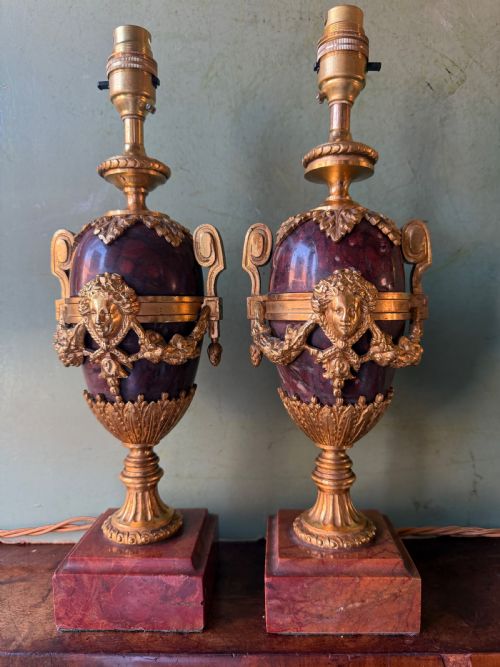
The foundation relies on cast bronze or brass, frequently enhanced with gold-toned ormolu gilding and dark patination.
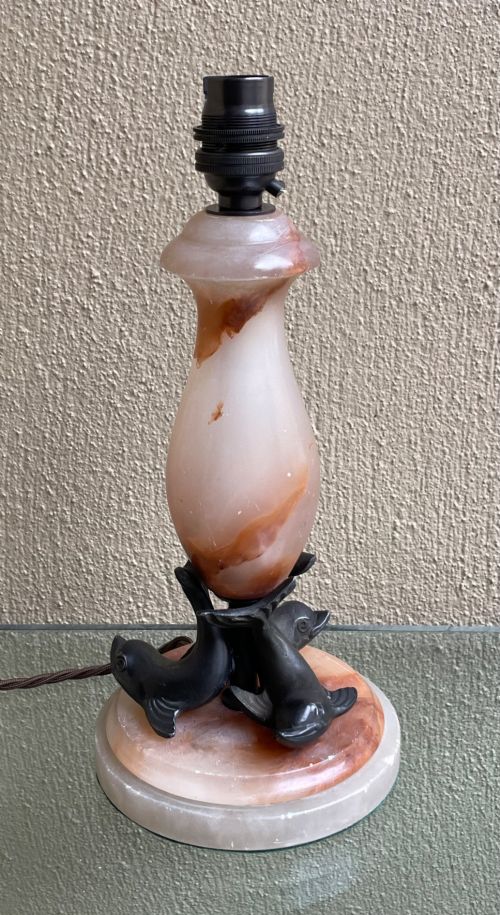
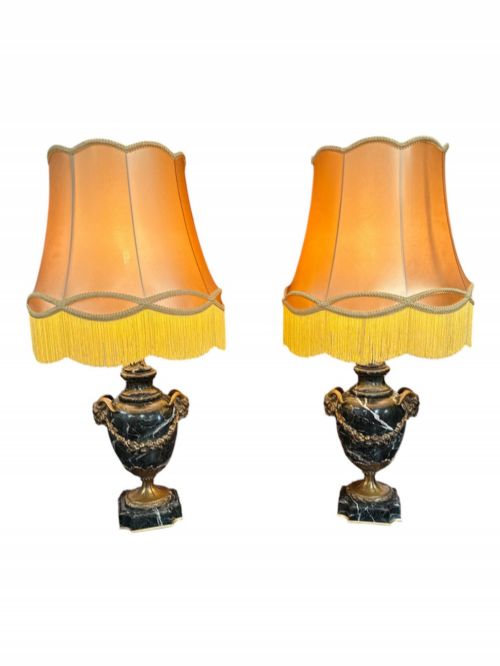
Heavy bases incorporate contrasting natural minerals such as rouge marble, Siena marble, onyx, or alabaster to anchor the heavy metalwork.
Detailed ornamentation involves chased metal mounts, hand-painted porcelain inserts, and fabric shades that diffuse the electrical light.
Several lamps began life as decorative ewers or ancient vase replicas before being converted into bedside illumination.
What separates the finest examples
Quality rests in the crispness of the metal chasing, where hand-finished details remain sharp and deeply defined rather than soft or blunt.
The choice and weight of the mounting stone dictates the overall substance, with dense solid marble bases outperforming lighter cast alternatives.
Integration of period elements, from original gilding patinas to authentic porcelain components, determines the integrity of the piece.
E Rousseau
The Classical Bronze Bedside Lamps Glossary
- Ormolu
- Gilded bronze produced by applying a mercury and gold amalgam to a bronze base, then firing it to leave a rich golden layer. This technique creates the bright metallic finish seen on many French mountings.
- Cassolette
- A decorative vessel featuring a reversible lid that functions either as a closed vase or an open burner. In lighting adaptations, the body of the cassolette becomes the main column of the lamp.
- Pate sur pate
- A ceramic decoration technique where liquid porcelain clay is applied layer upon layer to create a raised cameo relief against a contrasting background. These panels frequently appear on porcelain body lamps.
- Toile de Jouy
- A traditional fabric featuring repeated pastoral printed scenes, often used for lamp shades paired with these metal bases. The style originates from eighteenth-century French textile printing.
- Townley Vase
- A large ancient marble krater discovered in Hadrian's Villa and replicated in various decorative arts. Bronze lamps occasionally adopt this classical vessel shape for their central body.
Classical Bronze Bedside Lamps: Frequently Asked Questions
Are these lamps too bright for a bedroom?
Most of these fixtures use traditional wiring configurations that accommodate standard candle bulbs or lower wattage lamps. Combined with fabric shades, they provide a warm and directional glow suitable for reading.
Selecting bulbs with a lower lumen output helps maintain a subdued atmosphere appropriate for a bedside table.
How do I clean the bronze and marble?
Dust the metal surfaces gently with a dry microfibre cloth to prevent accumulation without disturbing the aged patina. Avoid liquid metal polishes, which can strip away original gilding or historical patination.
Stone bases tolerate a slightly damp cloth followed by immediate drying to protect the polished mineral surface from moisture rings.
Can these antique lamps be rewired safely?
Many older pieces retain outdated electrical cords that require replacement to meet current safety standards. A qualified electrician can easily update the internal wiring while preserving the original switches and holders.
Rewiring ensures the heavy metal body is properly earthed for safe daily domestic use.
How do I distinguish French styles like Louis XVI from Empire?
Louis XVI style designs feature restrained neoclassical geometry, straight fluted columns, and delicate floral or ribbon motifs. They feel lighter and more architectural compared to earlier or later variants.
Empire style pieces lean toward heavier military and classical Roman symbolism, incorporating bold pedestals, paw feet, and darker patinated bronze castings.