

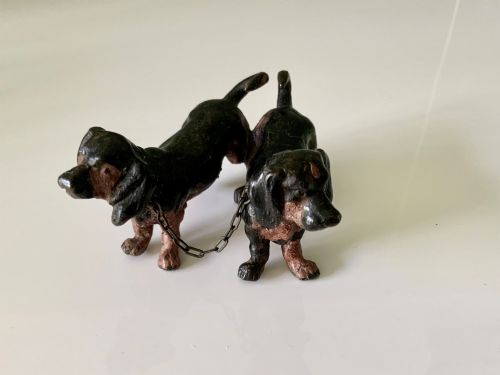
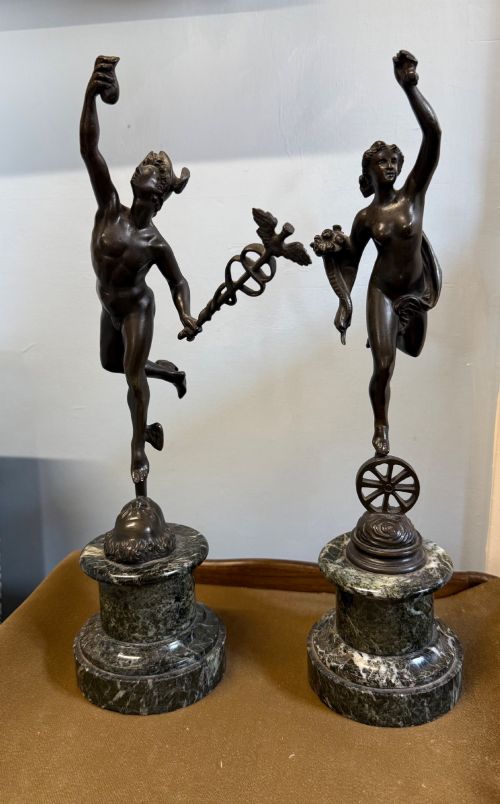
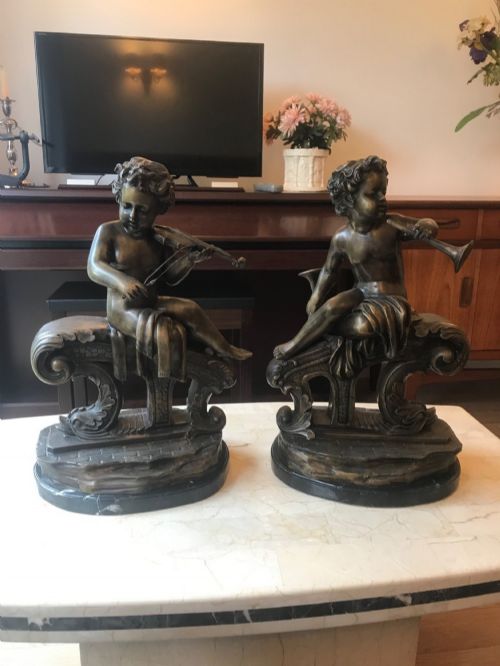
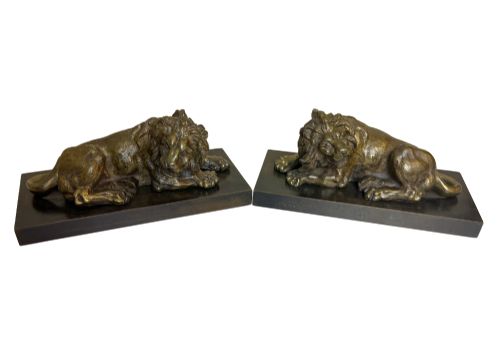

Pair of Metal Sculptures
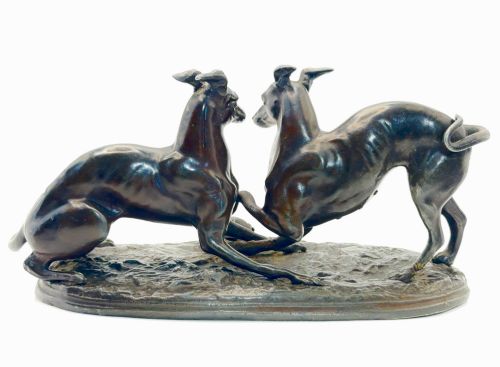
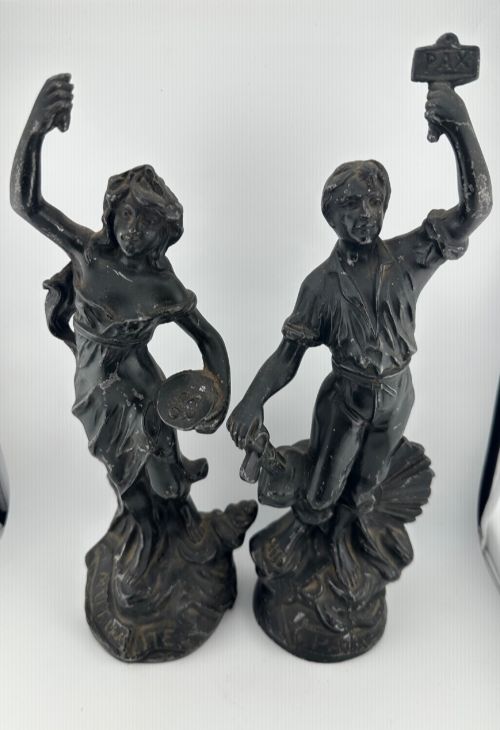
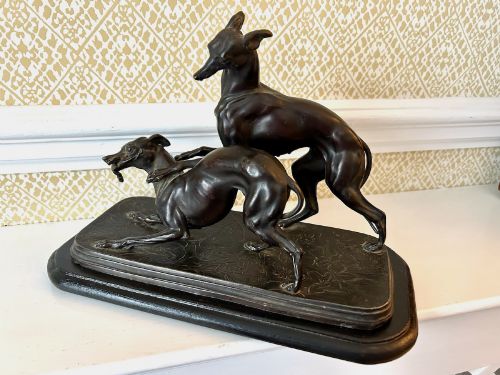
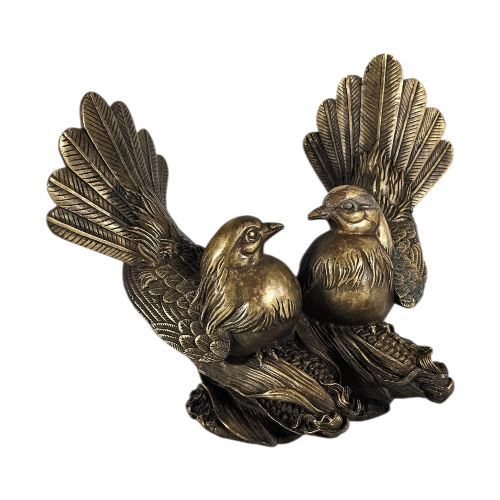
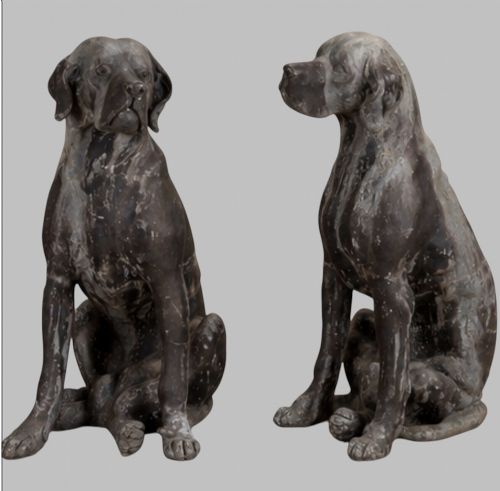
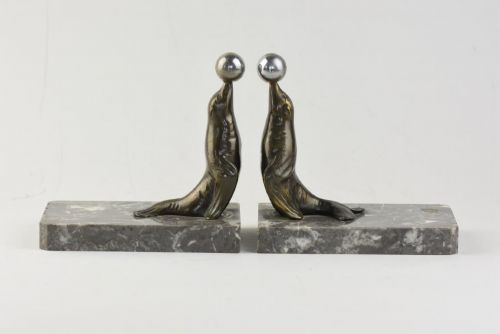
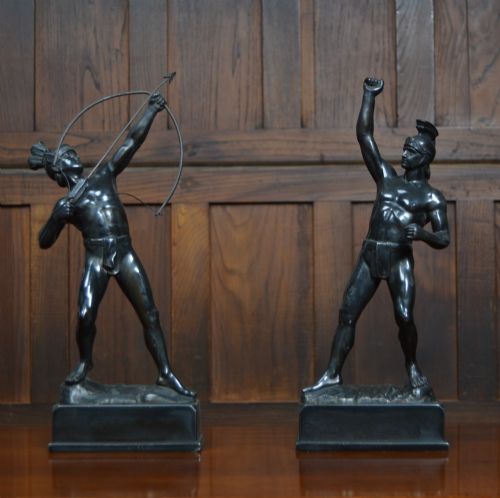
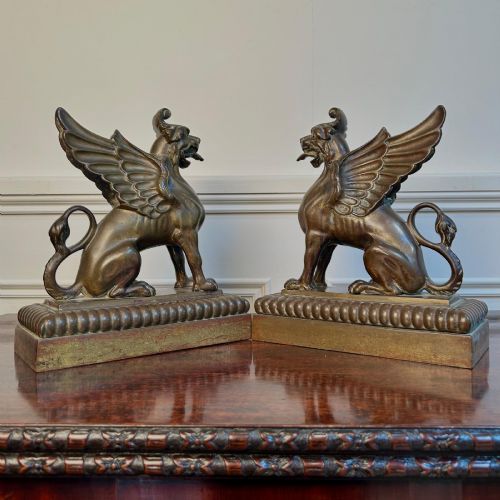
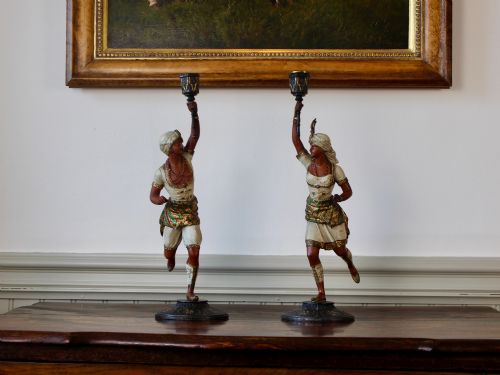
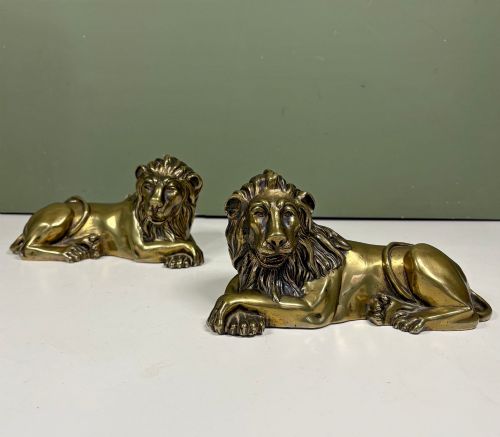
A pair of metal sculptures brings symmetry to a room, offering matched figures cast in bronze, spelter, iron or brass.

Pair of Metal Sculptures
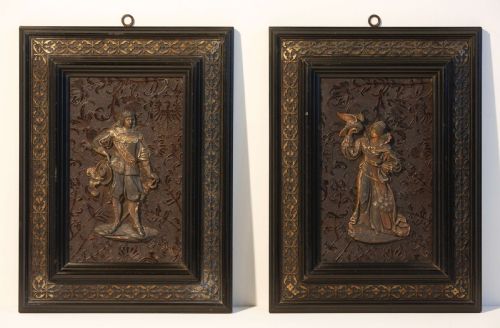
A pair of metal sculptures delivers balanced decoration through dual matching figures, animals, or architectural forms created to be displayed together. Buyers seeking this phrase encounter works ranging from nineteenth-century classical lions and cherubs to early twentieth-century art deco bookends and animal figurines.
The selections span diverse origins and historical periods, including Victorian works, French nineteenth-century castings, and Japanese bronze garden okimono. Common subjects include mythological creatures, birds, warriors, and architectural obelisks mounted on marble or wood bases.
Materials and casting methods
Foundry workers utilised traditional metal casting techniques, pouring molten bronze, brass, iron, or spelter into moulds to capture intricate details. Many pieces received surface treatments such as cold painting, gilding, silver plating, or chemical patination to simulate age or enhance decorative appeal.
Compositions frequently incorporate mixed media, mounting heavy metal figures onto stable bases of marble, olive wood, or plain stone. Cast iron and lead served for larger garden statues and architectural ornaments intended to withstand outdoor environments.
Pair of Metal Sculptures Retail Price Guide 2026
Typical asking prices for pair of metal sculptures among the pieces listed under this phrase on Sellingantiques today, from the lower quarter to the upper quarter. They describe what is for sale here now, not the wider market.
Several pairs depict medieval characters balancing precariously on stilts, proving that sculptors have long appreciated a touch of theatrical absurdity.
Judging execution and detail
The finesse of the initial chisel work and chasing separates superior castings from simpler production pieces, revealing crisp feathers, hair, and facial expressions without blurring. Heavier metal weight and clean finishing on the underside indicate careful foundry production rather than hasty mass manufacture.
Original surface treatments, whether patinated bronze, cold paint, or fire gilding, retain greater nuance on well-preserved examples. The integration between the metal figures and their supporting bases of marble or wood reflects the original maker's standard of construction.
Emile-Coriolan Guillemin·C Omin·C Dopmeyer
The Pair of Metal Sculptures Glossary
- Spelter
- A zinc alloy commonly utilised as a less expensive alternative to bronze for nineteenth-century decorative figures and candlesticks. It is often given a bronze-coloured patina.
- Cold-painted
- A method where paint is applied to metal objects without subsequent high-temperature firing. This technique is frequently seen on small bronze and spelter animal figures.
- Patina
- The surface sheen or colour acquired by metal through age, handling, or chemical treatment. It provides a visual record of the piece's history.
- Okimono
- Japanese decorative objects designed for display on a shelf or tokonoma. Examples include bronze animal figures such as geese.
- Electrotype
- A replica or sculpture created through an electroplating deposition process onto a mould. This technique was employed in the nineteenth century to reproduce intricate metalwork.
Pair of Metal Sculptures: Frequently Asked Questions
How do I clean a bronze sculpture?
Dust metal sculptures gently with a soft, dry cloth to remove surface particles without disturbing the underlying patina.
Avoid using water, harsh detergents, or abrasive polishes that can strip historical finishes and damage the metal surface.
Were these always sold together?
Matched pairs were typically cast, finished, and marketed as a unified set to flank mantelpieces, doorways, or furniture.
Checking the foundry marks, wear patterns, and base materials helps confirm that both pieces originated from the same production run.
Can cast iron garden statues stay outside?
Cast iron and lead garden statues withstand outdoor weather conditions, though rain and frost will gradually alter the surface finish.
Applying protective wax or sheltering pieces during extreme winter weather helps preserve the painted or weathered surfaces.
How do I distinguish bronze from spelter?
Bronze is heavier, sonorous when tapped lightly, and maintains stability under stress, whereas spelter is softer and more brittle.
Uncovered areas on the underside of spelter pieces often reveal a greyish-white zinc metal beneath the surface patination.