



Antique Cast Iron Figure
An antique cast iron figure brings enduring weight and character to a room, ranging from robust doorstops to decorative sculptures.
Antique Cast Iron Figure
When you search for an antique cast iron figure, you encounter a diverse range of functional and decorative items spanning the nineteenth and early twentieth centuries. These objects appear in styles from Victorian and Neoclassical to folk art, taking the form of doorstops, animal sculptures, and portrait busts.
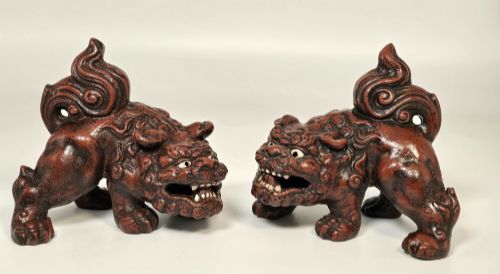
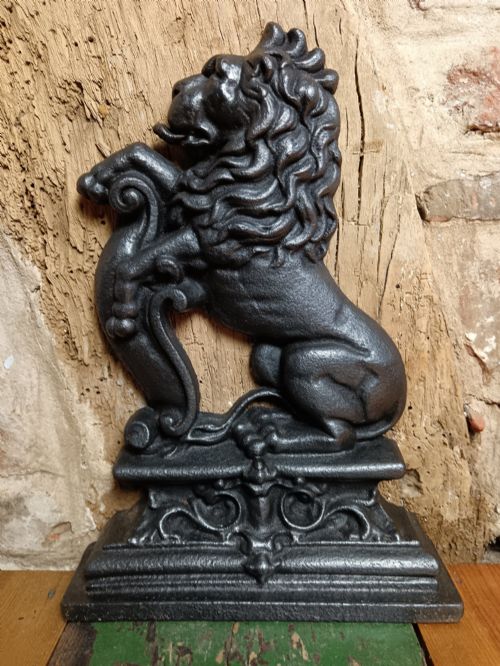
You are most likely to meet utilitarian pieces such as doorstops depicting lions, Mr Punch, or historical figures like Lord Nelson and William Wallace. Figures also manifest as architectural garden statuary, heavy paperweights, and fireplace accessories.
Examples from this selection originate across various periods, including Regency, Victorian, and Edwardian eras, as well as specific dates around eighteen eighty and nineteen thirty. Materials primarily include cast iron, sometimes accompanied by painted finishes or paired with stone and glass.
Materials and casting methods
Items in this category rely primarily on cast iron, poured into moulds to capture fine details in animalier, human, and architectural forms. Founders also utilised painted finishes to decorate surfaces on pieces such as doorstops, window displays, and animal figures.
Combinations of materials occur where iron structures support elements like carved stone torsos, or integrate with brass components in fireplace accessories and door porters. Bronze patination was also applied to cast iron surfaces to emulate richer metals on candlesticks and andirons.
Antique Cast Iron Figure Retail Price Guide 2026
Typical asking prices for cast iron figure among the pieces listed under this phrase on Sellingantiques today, from the lower quarter to the upper quarter. They describe what is for sale here now, not the wider market.
Mr Punch frequently appears on heavy doorstops, ready to keep interior draughts at bay with a permanent grin.
Assessing quality in cast metalwork
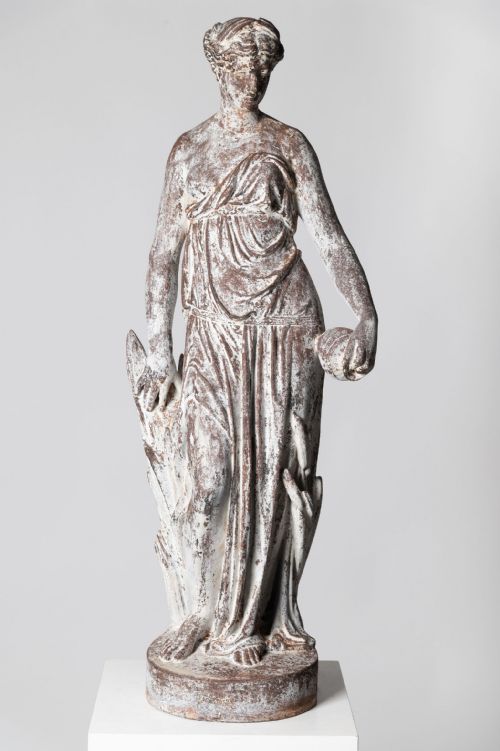
The integrity of the painted surface or patination significantly influences the character of the object, with well-preserved original finishes holding greater visual fidelity. Heavier, solid construction and association with known foundries like Val d’Osne also separate standard utility items from more ambitious sculptural works.
Val d Osne foundry·Leonhard Posch
The Antique Cast Iron Figure Glossary
- Cast Iron
- An iron-carbon alloy poured into moulds to create heavy, durable objects. This material forms the primary medium for the sculptures and doorstops found in this selection.
- Doorstop
- A heavy utilitarian object designed to hold doors open in domestic settings. Many Victorian examples double as figural sculptures depicting animals, literary characters, or historical figures.
- Animalier
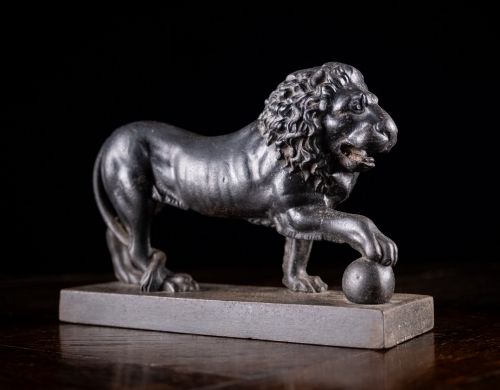
- A nineteenth-century artistic style focusing on the realistic depiction of animals. Pieces in this manner include cast iron lions, dogs, and horses.
- Patination
- The surface alteration or applied coating on metal over time. Bronze patination was frequently used on iron figures to simulate a different metal finish.
- Andirons
- Fireplace supports used to hold logs off the hearth. These iron accessories often feature decorative Renaissance or Neoclassical figural designs.
Antique Cast Iron Figure: Frequently Asked Questions
How were these cast iron items used?
Many of these pieces served everyday domestic purposes, such as keeping heavy interior doors open against drafts or holding stacks of bills as paperweights. Others functioned as fireplace accessories, stick stands, or window display pieces in commercial settings.
Figural doorstops were common household accessories placed on the floor near entryways. Larger statues and candlesticks were intended purely for interior decoration or garden placement.
How do I care for cast iron?
Maintaining cast iron involves keeping the metal dry and free from moisture to prevent rust formation. Dusting with a dry cloth is generally sufficient for regular upkeep.
Avoid using harsh chemical cleaners that might strip original painted surfaces or patination. Where pieces retain historic paint, gentle handling preserves the remaining finish.
How do I identify Victorian pieces?
Victorian cast iron often displays characteristic heavy mass, robust moulding, and subjects popular during the nineteenth century, such as lions, domestic animals, and cultural figures like Mr Punch. Stylistic markers include Neoclassical and Victorian revival motifs.
Foundry marks or specific registration designs, where present, help link pieces to nineteenth-century production periods. The weight and texture of the cast metal also offer clues to the era of manufacture.