





Antique Metal Head Statues
Antique metal head statues combine fine foundry work with portraiture, offering expressive character studies for display.

Antique Metal Head Statues
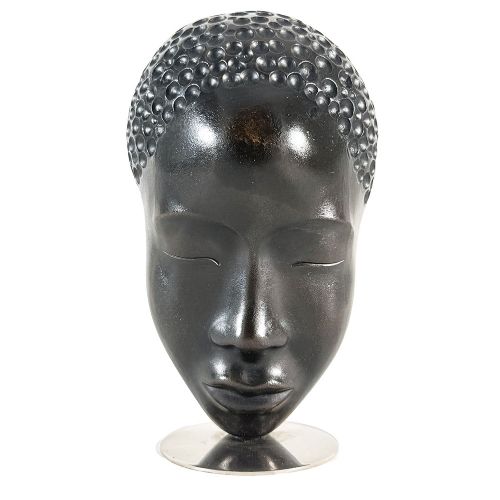
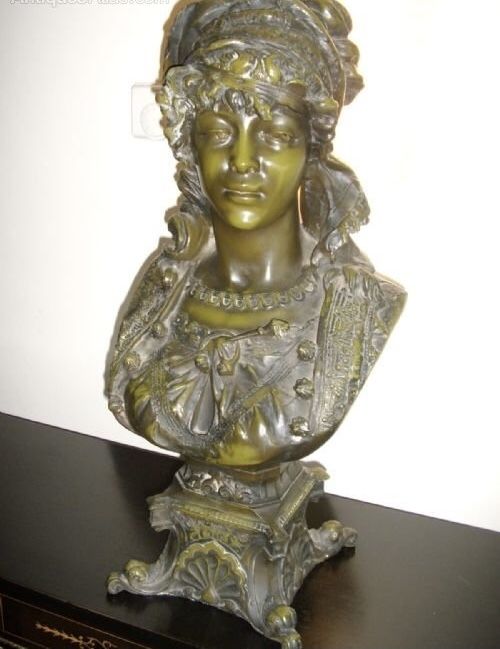
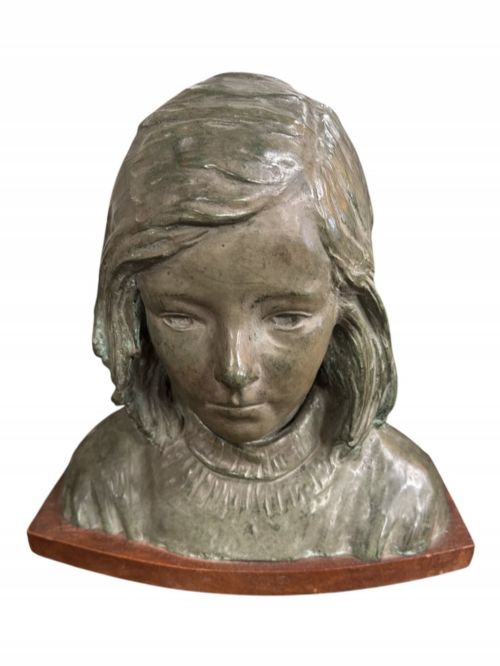
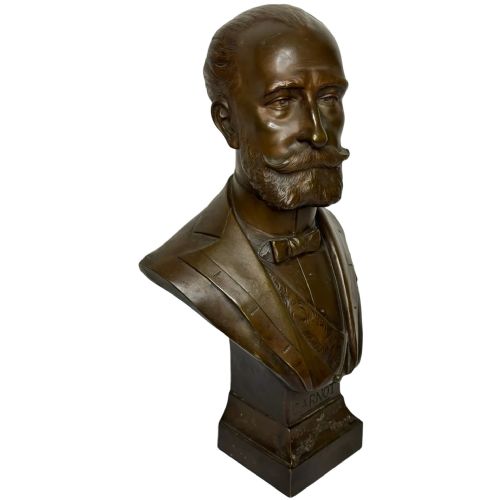
Antique metal head statues encompass portrait busts, figurative sculptures, and architectural elements executed in materials ranging from cast iron to patinated bronze. These pieces capture historical figures, literary icons, young maidens, and tribal subjects through diverse stylistic lenses.
The selection on this page leans toward nineteenth-century European portrait busts and figurative works, alongside tribal art and architectural salvage pieces like horse head hitching posts. Makers and foundries from this era utilised traditional casting methods to render facial expressions and fine details with striking fidelity.
Buyers encounter both modest decorative works and substantial sculptures mounted on plinths or stands. The forms span from classical Neoclassical depictions to Art Nouveau styling and West African sculptural traditions.
How they were made
Certain portrait busts incorporate mixed media elements, such as mounting metal sculptures onto black marble plinths or combining them with wooden components. Architectural salvage items like hitching posts relied on robust cast iron construction designed to withstand external conditions.
Antique Metal Head Statues Retail Price Guide 2026
Typical asking prices for metal head statues among the pieces listed under this phrase on Sellingantiques today, from the lower quarter to the upper quarter. They describe what is for sale here now, not the wider market.
Cast iron horses gaze out from nineteenth-century hitching posts, waiting patiently for carriages that vanished long ago.
What varies in quality
Quality rests in the crispness of the casting and the sensitivity of the modelling, distinguishing masterworks from commercial foundry output. Finer pieces retain sharp facial definition, subtle surface patination, and expressive character without losing detail in secondary areas like hair and drapery.
The choice of base materials and supplementary elements also dictates standing. Castings mounted on quality plinths or bearing the signatures of known sculptors command greater attention than unsigned, mass-produced decorative items.
Henry Wissen Senior·J Camus·Adolphe Jean Lavergne·Leonhard Posch·J C De Blezer
The Antique Metal Head Statues Glossary
- Patinated bronze
- Bronze that has been treated with chemicals, heat, or acids to produce a specific surface colour and finish. This layer protects the metal and adds visual depth.
- Cast iron
- An iron-carbon alloy poured into moulds to create sturdy objects. It was widely utilised for utilitarian pieces like hitching posts as well as decorative busts.
- Neoclassical
- A style inspired by the classical art and culture of ancient Greece and Rome. It appears in nineteenth-century sculpture through restrained dignity and classical proportions.
- Architectural salvage
- Building elements and fixtures rescued from structures slated for demolition. In this context, it includes functional items such as iron horse head hitching posts.
- Bust
- A sculpted or cast representation of a person's head, shoulders, and upper chest. This format focuses attention entirely on facial expression and character.
Antique Metal Head Statues: Frequently Asked Questions
How do I clean an antique metal head statue?
Dust the surface gently with a soft, dry brush to prevent dirt accumulation. Avoid harsh chemical cleaners that can strip patinated finishes.
Apply a microcrystalline wax sparingly if the metal requires protection, buffing it gently with a clean cloth.
Where should I display a heavy cast iron bust?
Place heavy pieces on sturdy furniture or dedicated plinths capable of supporting significant weight safely. Ensure the display surface is level to prevent tipping.
Keep iron and bronze sculptures away from damp environments to prevent corrosion or surface oxidation over time.
How can I tell a bronze casting from cast iron?
Bronze typically exhibits a warmer tone beneath its patina and is non-magnetic. Cast iron is magnetic and often feels heavier for its size.
Examine the underside or interior surfaces where exposed metal reveals the underlying material texture.
What is the difference between a portrait bust and a statue?
A portrait bust focuses specifically on the head, neck, and shoulders of an individual. A statue represents the full figure of a person or animal.
Busts were traditionally created to commemorate specific historical figures, artists, or private citizens.