







19th Century Metal Busts
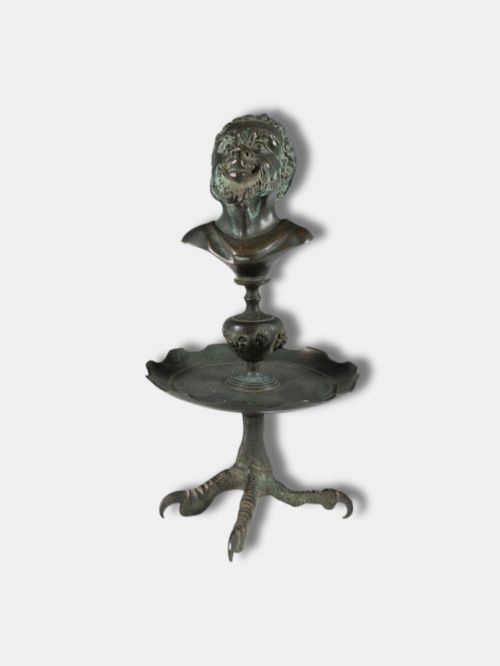
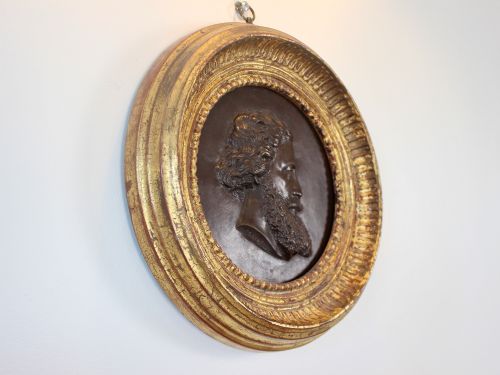
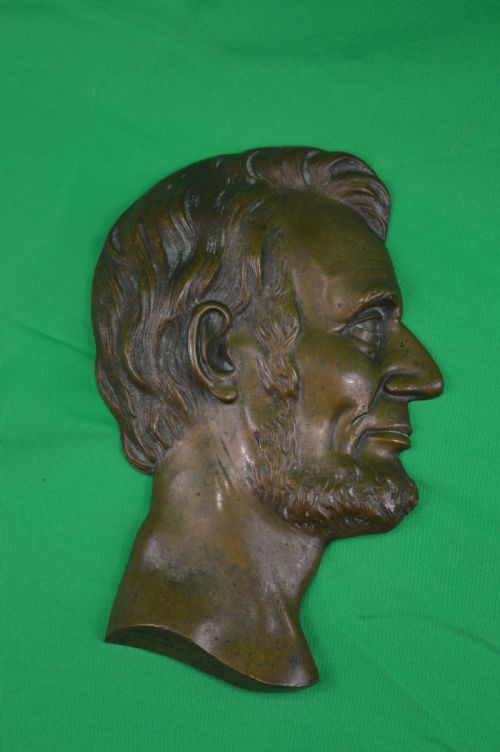
These 19th century metal busts capture portraiture and classical figures in bronze, cast iron, and gilt metal, offering collectors solid weight and enduring sculptural detail.

19th Century Metal Busts
When you search for 19th century metal busts, you encounter cast metal sculptures that portray historical figures, classical characters, and literary icons. These pieces range from substantial portraits of political leaders to smaller decorative interpretations of mythological subjects.
You are most likely to meet bronze and cast iron examples styled in Victorian, French Renaissance Revival, and Classical manners. Many of these sculptures function independently or incorporate additional utility, such as mounting upon clocks, lamps, and architectural wall plaques.
How they were made
Many sculptures incorporate mixed media, pairing metal portraiture with bases or integral supports made from marble, onyx, and wood. Signatures and foundry marks are frequently chased or cast directly into the metal body during production.
19th Century Metal Busts Retail Price Guide 2026
Typical asking prices for 19th century metal busts among the pieces listed under this phrase on Sellingantiques today, from the lower quarter to the upper quarter. They describe what is for sale here now, not the wider market.
Current listings feature materials including bronze, cast iron, gilt metal, marble, onyx, and wood across various sculptural forms.
What varies in quality
Surface finishing separates standard productions from superior works, particularly in the hand-chiselling of the metal and the application of patination. The integration of the bust with quality supportive materials like marble or onyx also signals higher ambition in the workshop.
Adolphe Jean Lavergne·P.H Mourey·J C De Blezer·Leonhard Posch
The 19th Century Metal Busts Glossary
- Bronze
- An alloy of copper and tin widely used in 19th-century casting for its ability to hold fine detail and take rich patination. It remains a primary medium for portrait sculptures.
- Patination
- The chemical or natural coloration applied to the surface of metal to create depth, warmth, and simulated age. Different patinas alter the perceived tone from dark brown to green.
- Spelter
- A zinc alloy commonly utilised in the 19th century as a less expensive alternative to bronze. It was frequently painted or electroplated to mimic heavier metals.
- Gilt metal
- Metal coated with a thin layer of gold or gold-coloured wash to provide a bright, reflective finish. It appears frequently on clock mounts and decorative portrait elements.
19th Century Metal Busts: Frequently Asked Questions
How do I clean a metal bust?
Dust the surface gently with a soft, dry brush to prevent the accumulation of grit within recessed details. Avoid using harsh chemical polishes that can strip original patination or gilding from the metal.
Maintain stable indoor humidity levels to protect any integrated wooden or stone bases from cracking. Professional conservation is advised if the metal develops active corrosion.
What is the difference between bronze and spelter?
Bronze is a copper alloy offering high tensile strength, heavy weight, and deep resistance to wear over centuries. Spelter is a softer zinc-based material that feels lighter and requires careful handling to prevent breakage.
Inspect the underside or areas of friction to determine the underlying metal colour. Spelter often shows a silvery-grey metal beneath chipped surface paint.
Where should I display a heavy bust?
Place heavy metal sculptures on structurally sound furniture, mantels, or dedicated pedestals capable of supporting substantial weight. Ensure the supporting surface is level to prevent tipping.
Keep pieces away from direct heat sources and strong sunlight to protect underlying marble, wood, or patinated surfaces. Secure larger wall-mounted plaques directly into wall studs.
Are these busts signed by artists?
Many 19th-century metal sculptures bear foundry stamps, artist signatures, or registration marks cast directly into the reverse or base. These inscriptions help identify the maker and approximate production period.
Unsigned pieces remain common and were often produced in larger commercial workshops for the decorative market. The absence of a signature does not diminish the sculptural quality of a well-cast bust.