


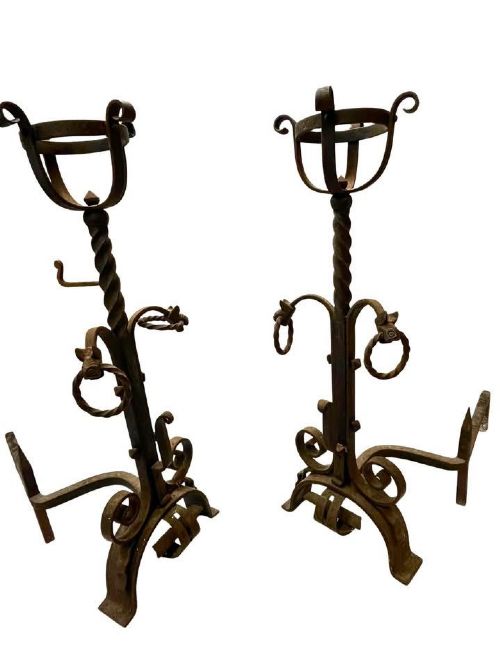
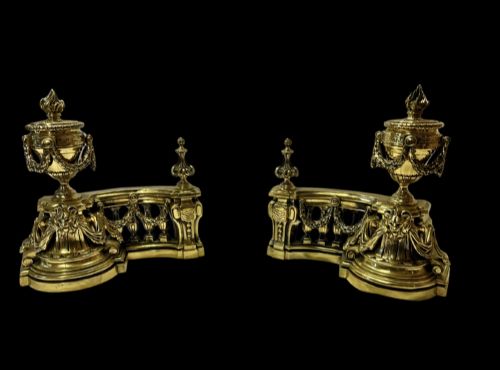
Pair of Firedogs
A pair of firedogs supports logs in an open hearth, bringing structural utility and period character to the fireplace.
Identifying pair of firedogs
A pair of firedogs consists of matched metal supports designed to hold fuel above the hearth floor for better airflow. These items appear across centuries, with examples recorded from the fifteenth through to the nineteenth century in various stylistic revivals.
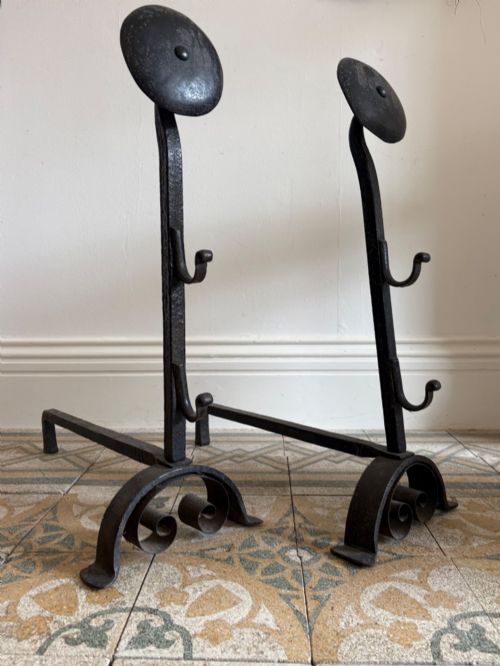
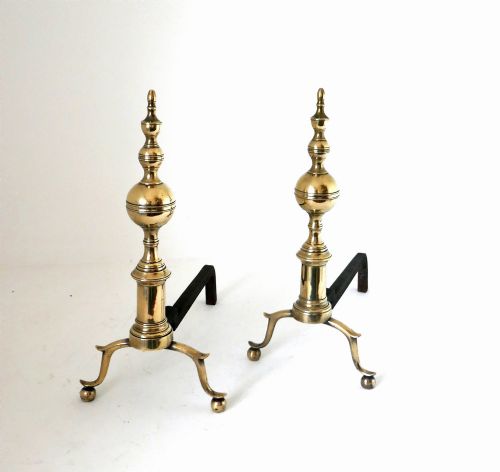
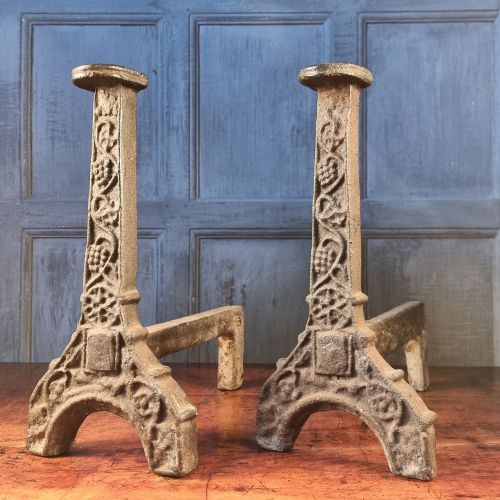
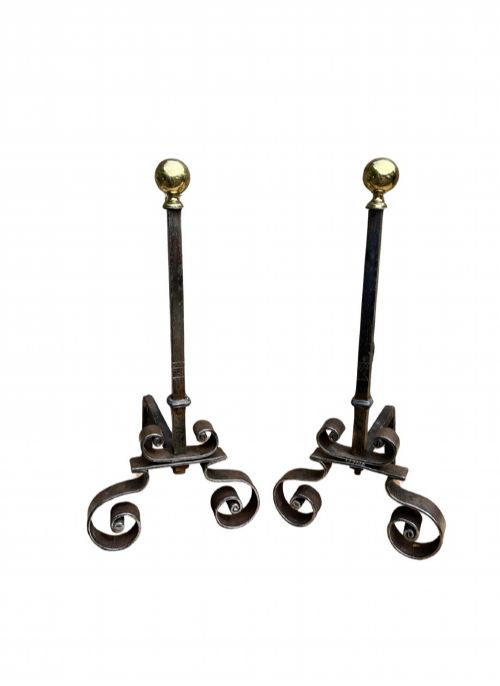
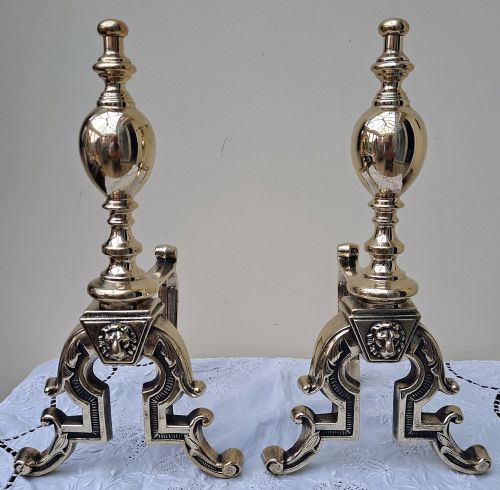
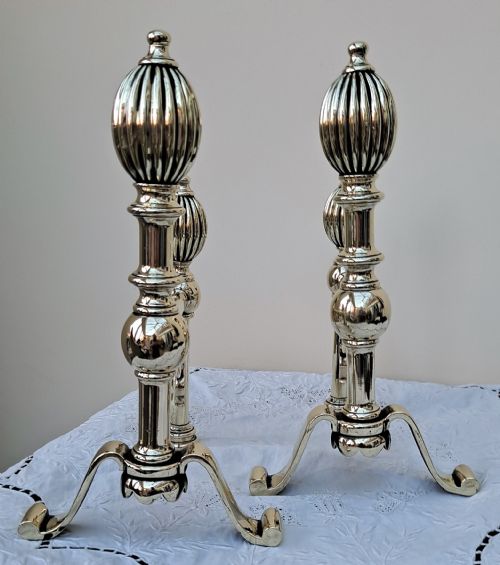
Buyers browsing this selection will frequently encounter nineteenth-century brass, iron, and bronze variants. Forms range from Georgian and Regency styles to Gothic Revival and Arts and Crafts designs.
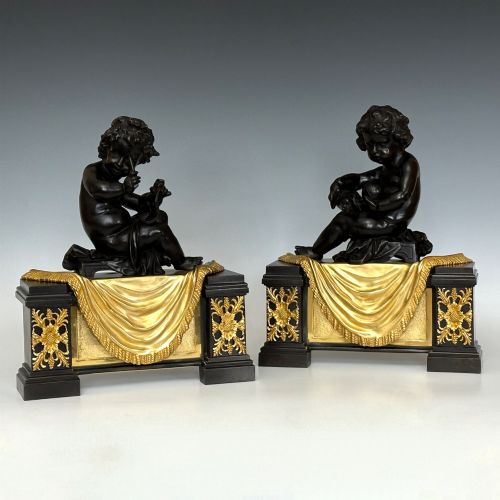
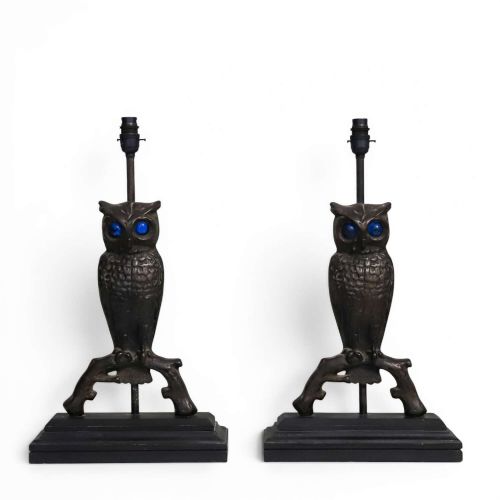
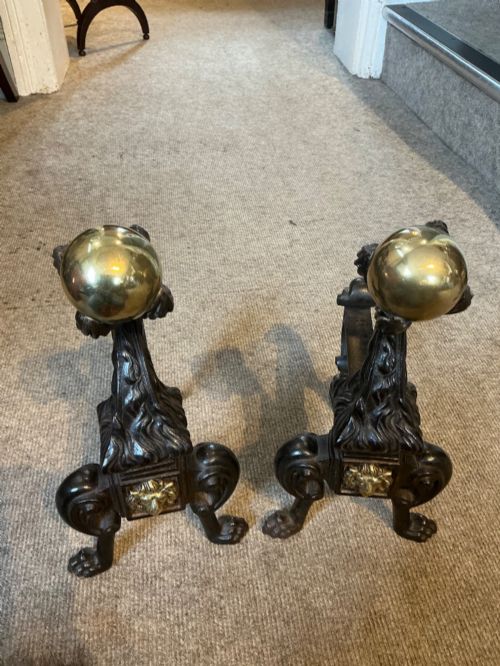
Alongside standard domestic fireplace accessories, the record includes monumental bronze and steel pieces, alongside terracotta lion variants. English and French origins dominate the available inventory.
Materials and construction
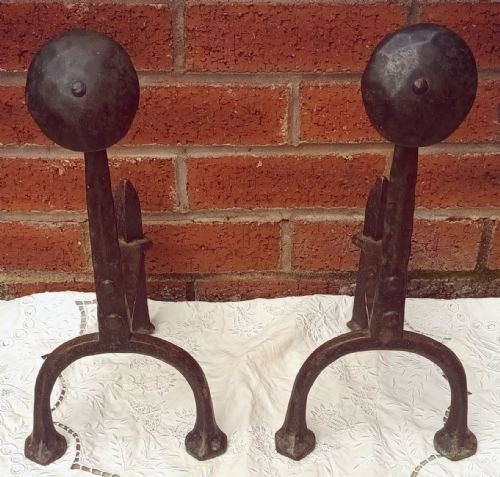
Makers utilised resilient metals suited to high heat, predominantly casting brass, bronze, and iron into robust uprights and billet bars. Forged wrought iron and steel also appear, shaped through traditional blacksmithing techniques.
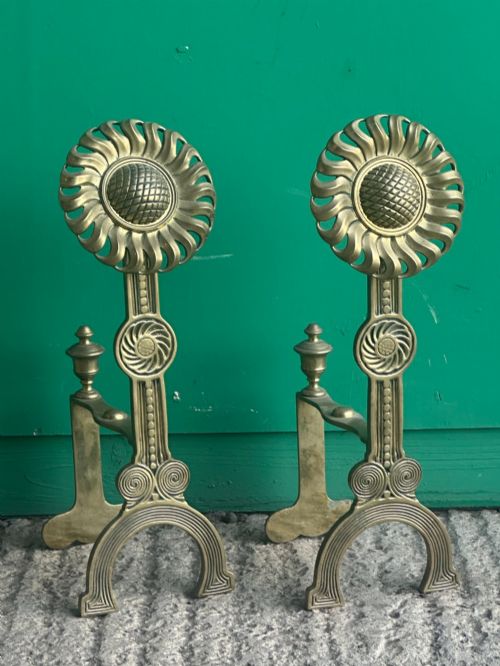
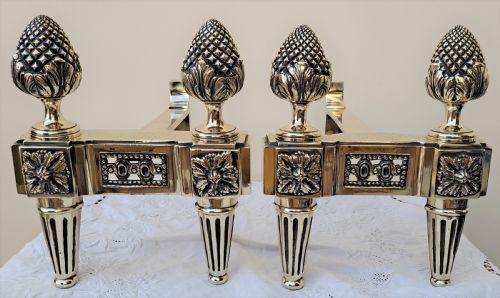
Decorative elements involve detailed casting, hand forging, and surface turning, seen particularly on brass heads and iron stems. Certain examples incorporate specific motifs such as sunflower decor.
Retail Price Guide 2026
Typical UK retail prices for pair of firedogs, calculated from the Sellingantiques database of over a million retail prices indexed since 2003. This retail price guide relies exclusively on Sellingantiques data; no external sources or auction records are used, so the figures do not describe the wider market.
The inventory spans the eighteenth and nineteenth centuries, featuring brass, iron, bronze, and terracotta.
Assessing craftsmanship
Superior pairs display substantial weight and solid construction, separating utilitarian items from decorative focal points. Heavier gauge metals and clean casting or forging define the upper tier of the range.
The refinement of decorative detail on the visible front standards distinguishes finer examples. Crisp lines in cast brass or carefully worked iron demonstrate superior workshop standards.
The Pair of Firedogs Glossary
- Andirons
- Alternative term for firedogs used interchangeably in historical and modern listings. These metal supports sit on the hearth floor.
- Chenet
- The French term for firedogs, often appearing on continental fireplace equipment. They serve the same functional purpose as English andirons.
- Billets
- The horizontal bars attached behind the upright standard to support the burning logs. Solid construction here ensures longevity.
- Gothic Revival
- A nineteenth-century architectural and decorative style drawing on medieval forms. Pieces in this taste feature pointed arches and heavy ironwork.
- Arts and Crafts
- A design movement emphasising handcrafting and visible construction methods. Firedogs from this tradition often display simple forged details.
Frequently Asked Questions
What is the difference between firedogs and andirons?
The terms describe the exact same fireplace furniture. Different regions and eras favoured one name over the other.
Historical records use both designations interchangeably for matched metal hearth supports.
How do I date a pair of firedogs?
Dating relies on matching the metal alloy, manufacturing marks, and stylistic revival periods. Nineteenth-century examples often emulate earlier Georgian or medieval designs.
Examining the casting texture and fastening methods provides further clues to the decade of production.
Can these be used in a working fireplace?
Most heavy iron and brass pairs remain structurally capable of supporting burning wood. Solid metal construction withstands regular hearth temperatures.
Buyers should verify that the billet bars match the depth of their specific fireplace basket.
Which metals are most common?
Brass and cast iron appear most frequently across the documented inventory. Bronze and wrought iron feature in heavier or more decorative iterations.
Selection depends entirely on the aesthetic weight required for the hearth.