



Pair of Chinoiserie Lamps
A pair of chinoiserie lamps brings decorative depth and varied material texture to an interior through adapted porcelain and lacquered forms.

Pair of Chinoiserie Lamps
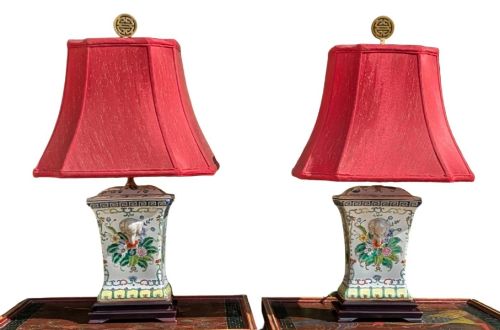
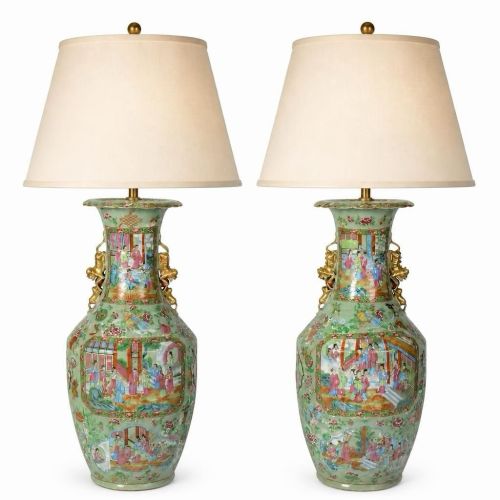
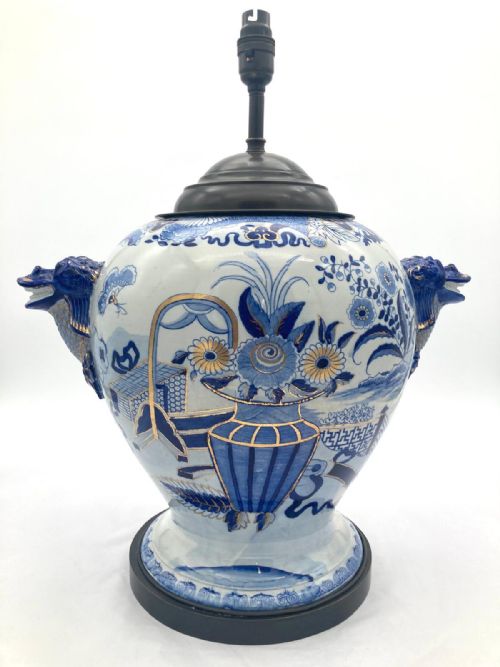
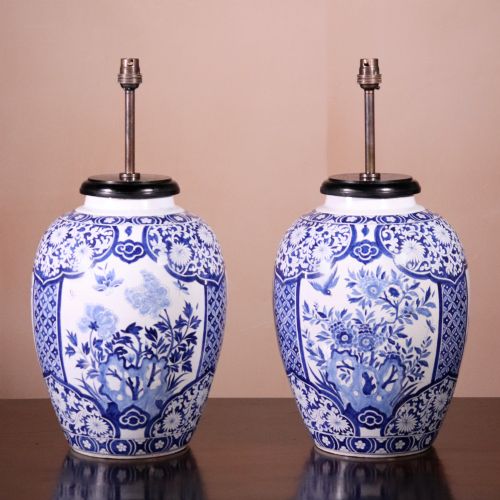
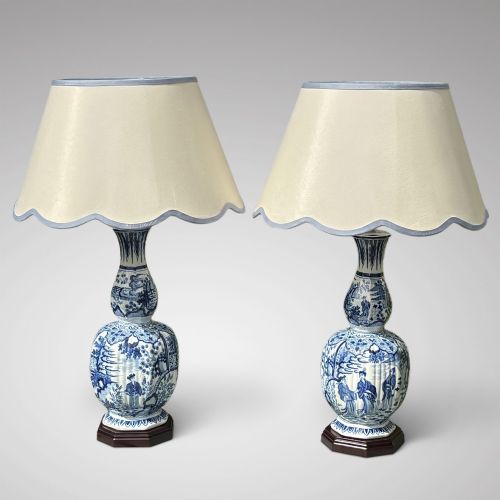
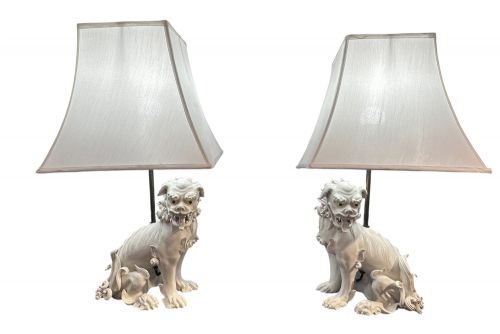
When you search for a pair of chinoiserie lamps, you encounter a diverse group of lighting objects created by converting antique vessels and decorative pieces into functional lamps. The most common examples on this page are table lamps formed from nineteenth-century Chinese porcelain vases, such as Rose Medallion, Famille Rose, and blue and white jars.
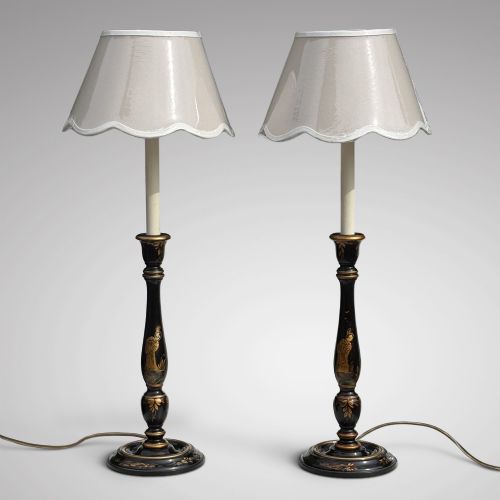
The selection also encompasses lacquered wood bodies, cloisonné enamel, bronze mounts, and European interpretations from the eighteenth and nineteenth centuries, including Dutch Delftware and Paris porcelain. These pairings typically arrive as matched assemblies designed to sit symmetrically on side tables, cabinets, or sideboards.
Originating across different decades from the eighteenth century to the early twentieth century, these objects combine Eastern decorative arts with Western domestic utility. The adaptation process often incorporates gilt bases, ormolu mounts, and handmade fabric shades to complete the conversion from vessel to lamp.
How They Were Made
The construction of these pieces relies on combining ceramic, metal, and wood elements through specialised adaptation techniques. Artisans utilised brass, bronze, and ormolu mounts to secure porcelain bodies, adding structural stability and decorative enrichment to the bases and necks of the vases.
Surface decoration ranges from hand-painted enamel glazes and crackleware finishes to applied lacquer on wood carcases. Many items integrate traditional Asian manufacturing methods with European metalwork, reflecting a cross-cultural exchange in decorative design.
Materials represented across the inventory include porcelain, ormolu, lacquer, brass, and cloisonne enamel.
What Varies in Quality
The quality of these objects rests upon the artistic merit of the original vessel and the harmony of the subsequent conversion. Finer examples display meticulously hand-painted enamel details, crisp porcelain potting, and high-grade bronze or ormolu mounts that complement the ceramic form without overwhelming it.
Lower tiers often feature simpler timber construction, heavier or less refined metal fittings, and standard lacquering that lacks depth. The integration of the electrical hardware and the proportion of the handmade shades relative to the vase body further distinguish superior pairs from standard adaptations.
Hicks and Meigh
The Pair of Chinoiserie Lamps Glossary
- Chinoiserie
- European decorative style reflecting Chinese artistic influences, prominent in furniture, lacquer, and ceramics. This aesthetic dominated various periods of interior design.
- Ormolu
- Gilded bronze mounts applied to furniture and porcelain, popular in French neoclassical and Regency periods. The technique involves mercury gilding on a bronze base.
- Famille Rose
- A major palette of Chinese ceramic glazes introduced in the Qing dynasty, dominated by pink or rose enamel. Artisans used these opaque colours for detailed pictorial scenes.
- Cloisonné
- Enamelwork technique where thin metal wire soldered to a metal base creates cells filled with paste. Firing produces a vibrant coloured surface pattern.
- Delftware
- Tin-glazed earthenware originating from Dutch potteries, frequently mimicking Chinese blue and white porcelain designs. Production flourished throughout the seventeenth and eighteenth centuries.
Pair of Chinoiserie Lamps: Frequently Asked Questions
Are these lamps converted from old vases?
Many of these lighting fixtures originated as decorative vases, jars, or ginger pots before being adapted for electrical use.
Craftsmen added wiring, lamp holders, and often metal bases while preserving the historical ceramic body.
How do I style them in a room?
These fixtures suit symmetrical placement on sideboards, chests of drawers, or bedside cabinets where a matched pair creates visual balance.
Their varied textures and colours complement both traditional period interiors and eclectic modern spaces.
What periods do these pieces span?
The selection includes items ranging from the eighteenth century through the nineteenth century and into the early twentieth century.
Encompassing Regency designs and Qing dynasty porcelain, the dates reflect both the age of the original vessel and its later conversion.
What is Rose Medallion porcelain?
Rose Medallion is a distinct style of nineteenth-century Cantonese porcelain featuring panel designs filled with figures, birds, and flowers.
The palette relies heavily on pink enamel highlights combined with green, gold, and other vibrant colours.