

Pair of Brass Stands
When you search for pair of brass stands, you enter a diverse field of matched metalwork designed to elevate lighting, flora, and hallway organisation.
Pair of Brass Stands
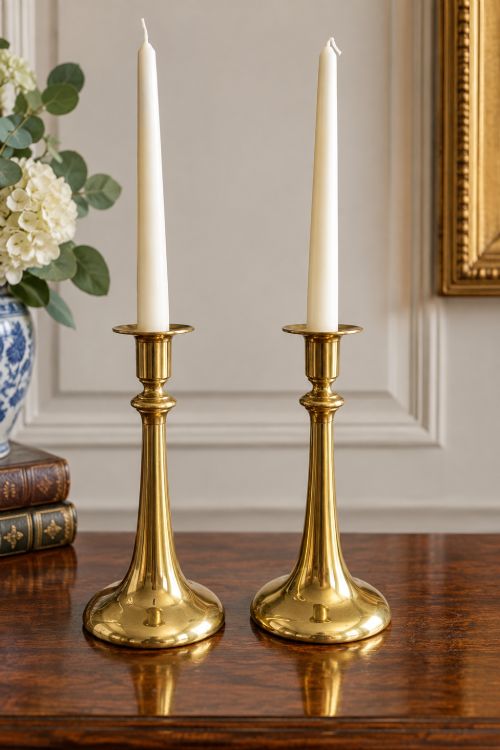
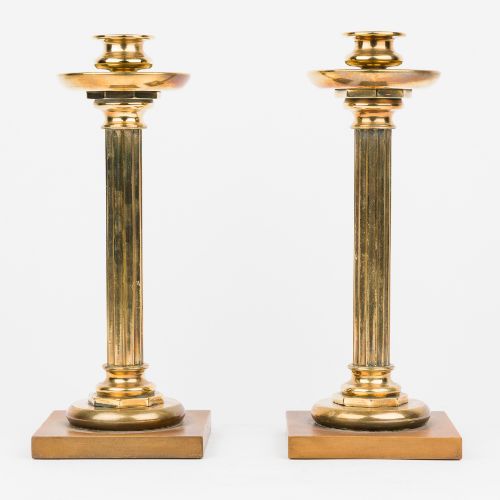
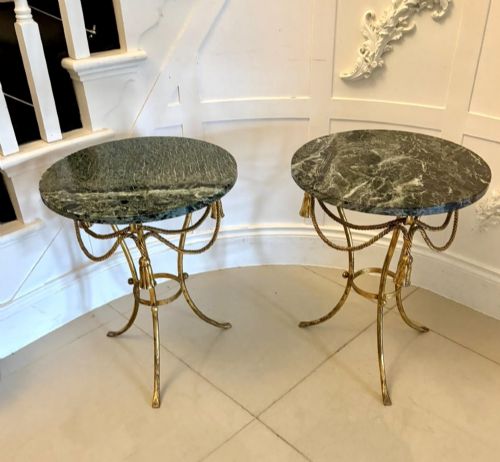
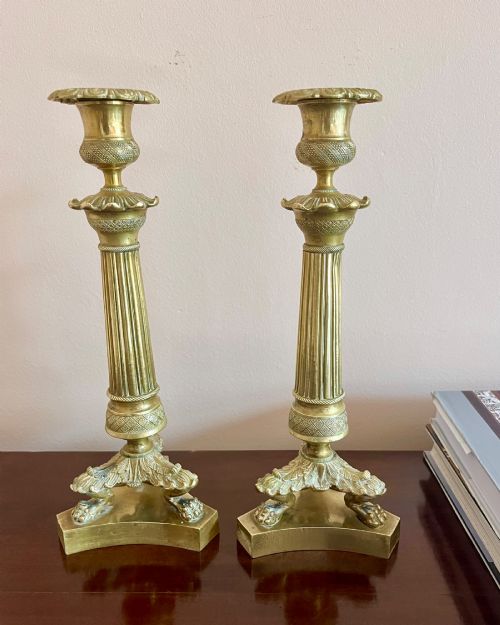
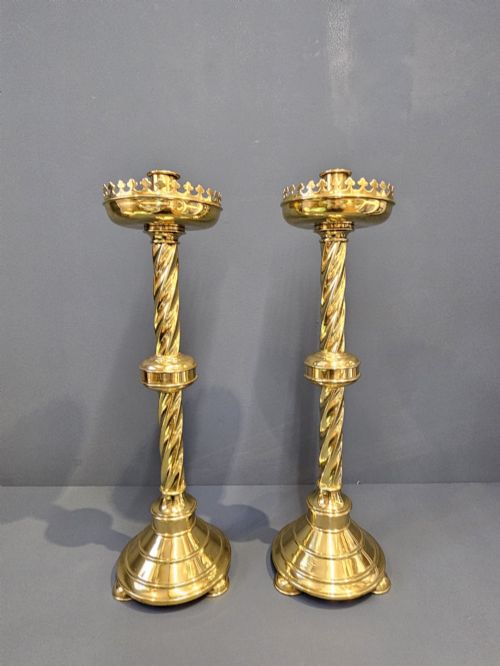
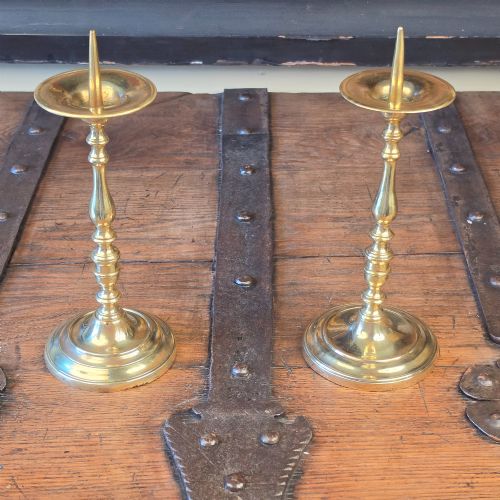
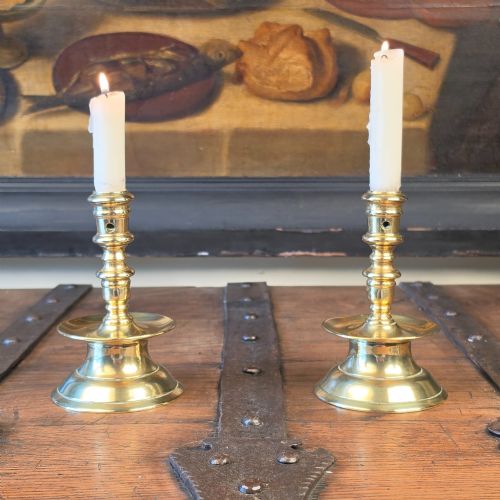
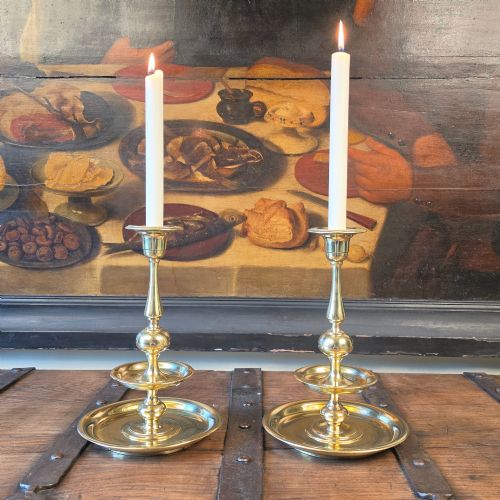
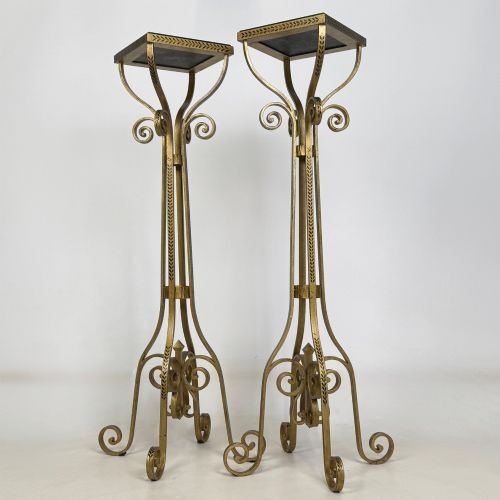
A pair of brass stands encompasses several distinct utilitarian and decorative forms, most frequently encountered here as candlesticks, candelabra, and church lighting. Alongside these lighting fixtures, the inventory holds structural plant stands, umbrella holders, and occasional side tables that utilise brass mounts or galleries.
The objects span multiple centuries of production, stretching from Georgian examples through Victorian revival pieces to early twentieth-century Arts and Crafts and Art Nouveau designs. Makers and manufacturers across England, France, and further afield produced these matched pairs for domestic interiors and ecclesiastical spaces alike.
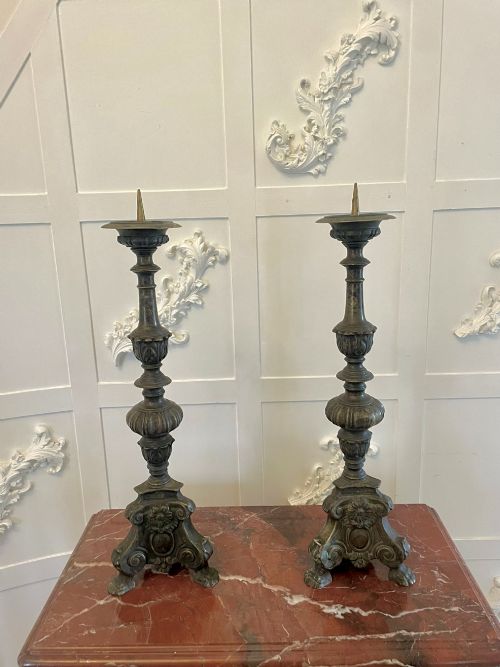
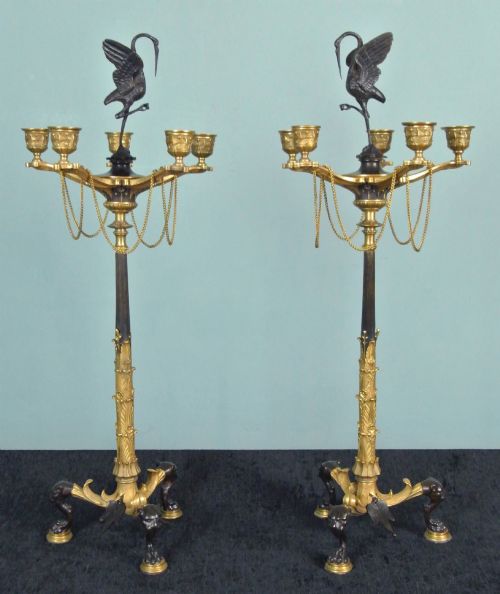
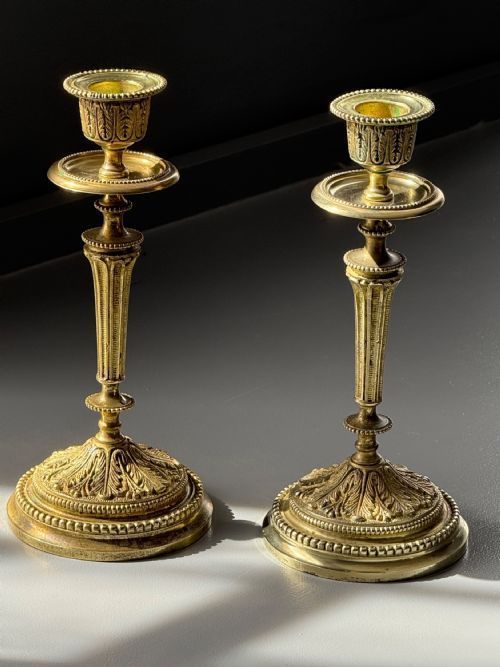
Lighting apparatus ranges from simple seamed domestic ejector sticks to heavy pricket altars and multi-branched candelabra incorporating marble, bronze, and ormolu. Hallway and fireside items, such as umbrella racks and stick stands, utilise cast brass alongside copper and oak to endure daily use.
Materials and construction methods
Construction relies heavily on casting techniques, from the early seamed brass methods of the eighteenth century to the heavier cast brass and bronze popular during the Victorian era. Many pieces combine brass with contrasting materials such as marble, onyx, wood, and ceramic inserts to add weight and visual texture.
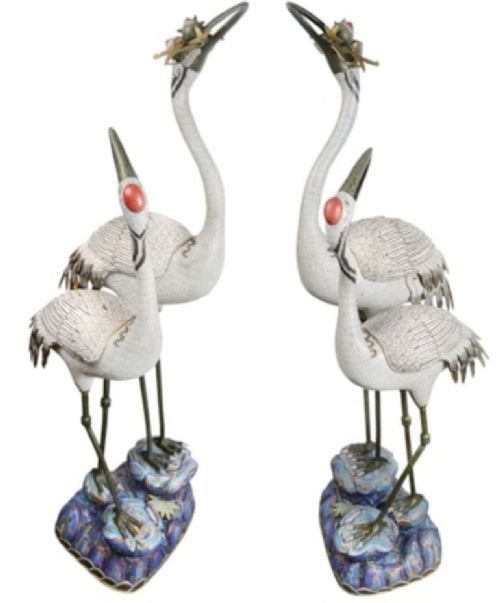
Finishes vary according to period and style, utilising gilding, ormolu, and patinated bronze alongside champlevé enamelling and cloisonné work. Details are often hand-finished, with chased foliage, sculptural figures, and applied galleries fixed securely to the primary metal structure.
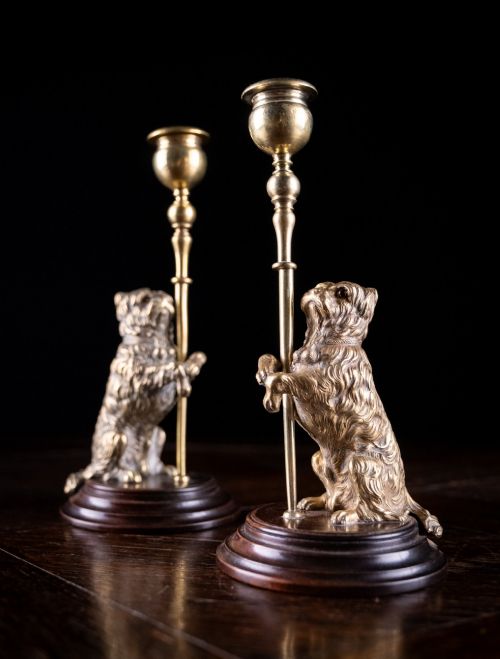
Watch for sculptural terrier dogs holding up your candles.
Distinctions in quality
Quality rests in the crispness of the casting and the weight of the metal utilised in the construction, where thicker sections yield greater durability and sharper decorative detail. Superior examples display carefully hand-chased enrichment upon the cast surfaces rather than relying solely on the raw mould.
Harmony between the matched pair determines success, ensuring that height, patination, and proportional turning align correctly across both objects. The integration of secondary materials, such as genuine marble bases or intricate enamel work, further elevates the stature of the piece.
Barbedienne·Gillows·J.T. & Co
The Pair of Brass Stands Glossary
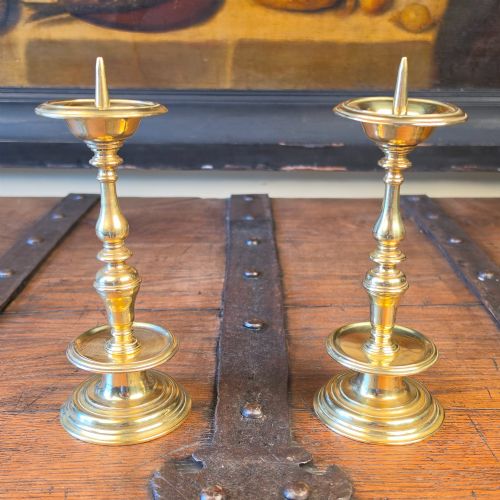
- Pricket candlestick
- A candlestick featuring a sharp central spike designed to impale the base of a large wax candle, commonly seen in church or altar settings.
- Ejector candlestick
- A domestic lighting form containing an internal sliding mechanism operated by a side lever to push out the remaining candle stub.
- Ormolu
- Gilded bronze, where finely ground high-carat gold is applied to a bronze base using a mercury amalgamation process or modern electroplating.
- Champlevé
- An enamelling technique where troughs or cells are hollowed out of the metal surface and filled with vitreous paste before firing.
- Cloisonné
- A metalwork decoration method where thin wire partitions are soldered to the base to create cells that hold coloured enamel.
Pair of Brass Stands: Frequently Asked Questions
How do I clean antique brass stands?
Maintenance requires gentle dusting with a soft cloth to preserve the historic surface patination accumulated over decades. Avoid abrasive commercial cleaners that strip away the natural ageing and soften the cast details.
For pieces with mixed media like marble or enamel, keep moisture away from joints and vulnerable inlays. Professional advice should be sought before attempting any chemical restoration on patinated bronze or gilded surfaces.
Were these always sold as pairs?
Many items were manufactured and retailed as matched pairs from the outset, intended for symmetrical placement on mantelpieces, altars, or sideboard furniture. Others represent married pairs brought together later in their lifespan based on matching height, style, and metal composition.
Examining the base construction, tool marks, and wear patterns helps determine whether two pieces share an identical workshop origin. Minor discrepancies in height or casting can indicate a marriage of two separate single items.
How do I distinguish Georgian from Victorian brass?
Georgian examples often display simpler, crisper forms with seamed construction methods and lighter overall weight due to the cost of metal at the time. They frequently incorporate ejector mechanisms or plain column designs suited to domestic candle illumination.
Victorian pieces tend toward heavier, more ornate castings influenced by Gothic Revival, Rococo, or Classical tastes, often featuring complex figural elements. The expansion of industrial manufacturing during the nineteenth century allowed for more elaborate decoration and varied alloys.
Can antique umbrella stands be used daily?
Stoutly constructed brass and copper umbrella stands remain robust enough for everyday hallway use when fitted with a protective internal liner. Ensuring moisture does not pool against vulnerable iron or wooden base elements protects the structural integrity.
Placing drip trays inside helps catch water from wet walking sticks and prevents corrosion along the lower seams. Regular inspection of joints keeps heavy cast stands stable under the weight of daily burdens.