
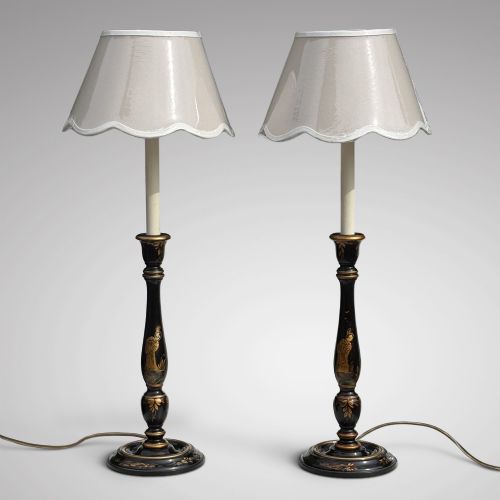
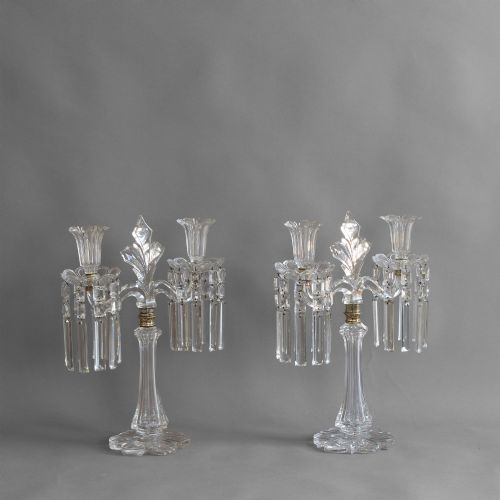
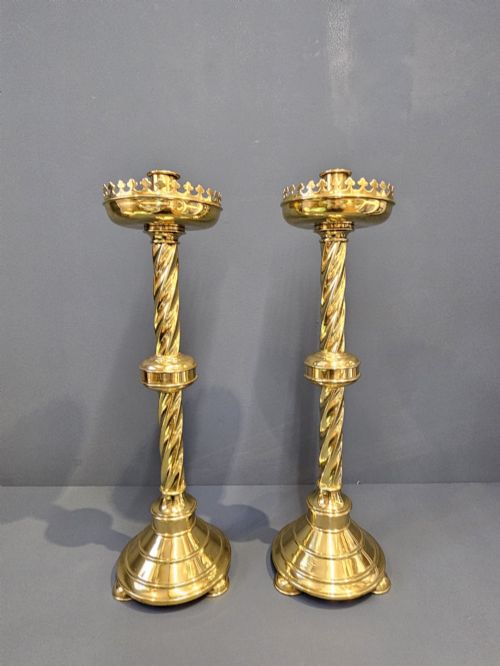
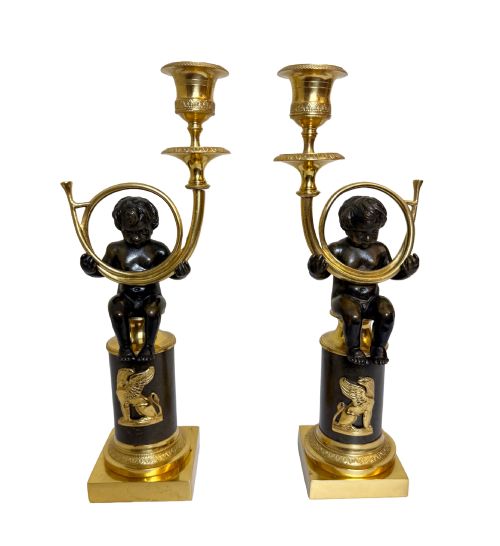
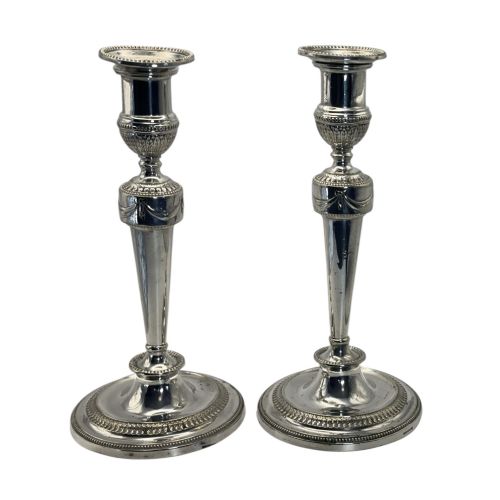
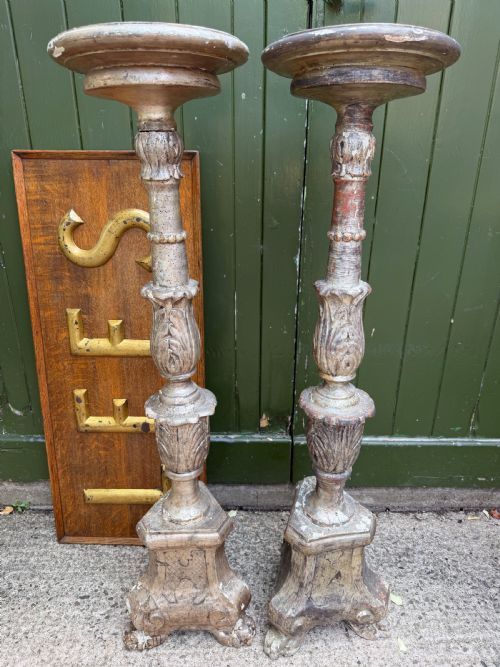
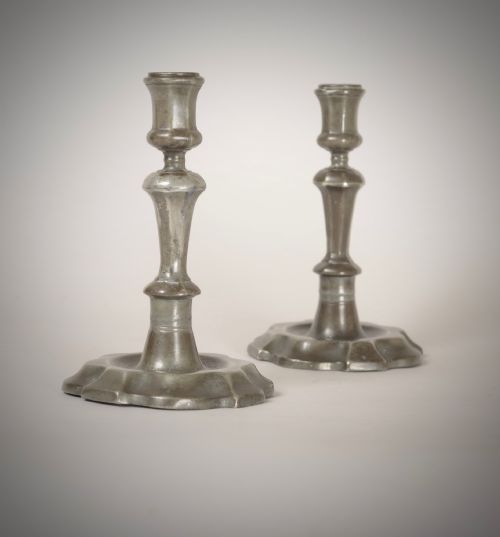
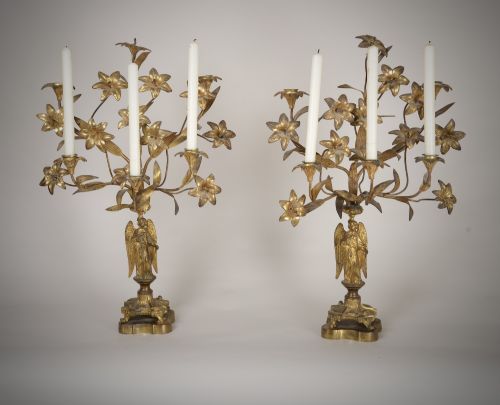
Pair of Candlesticks
A pair of antique candlesticks brings symmetrical light and period presence to a mantelpiece, matching metal or ceramic bodies with classic domestic utility.

Form and Origins
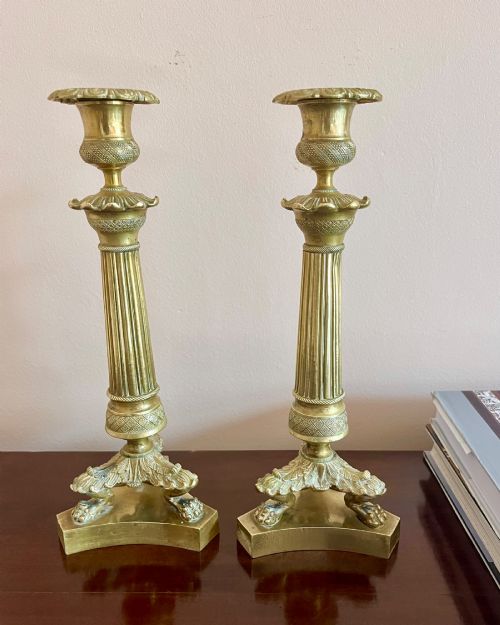
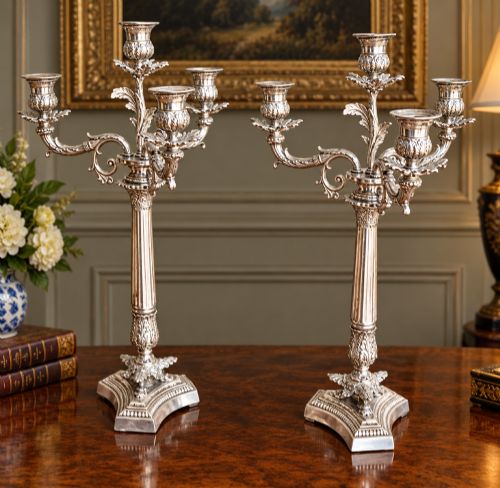
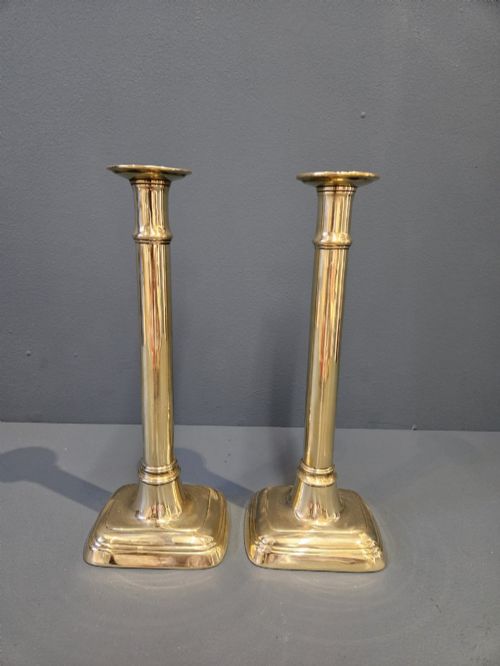
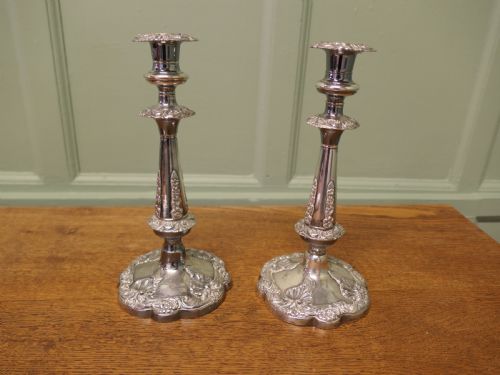
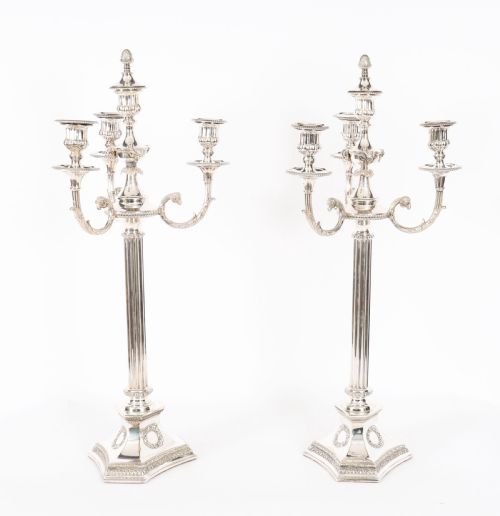
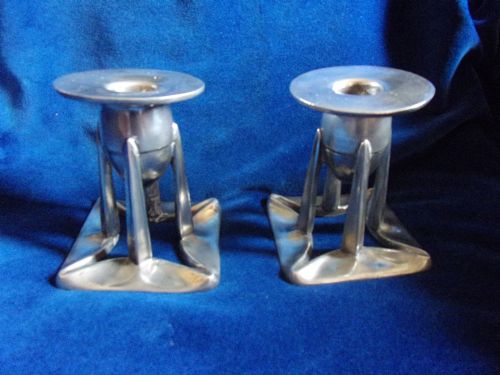
A pair of antique candlesticks represents matched domestic lighting from periods spanning the seventeenth to the early twentieth century. These objects appear in brass, silver, porcelain, bronze, and glass, reflecting the prevailing interior taste of their respective eras.
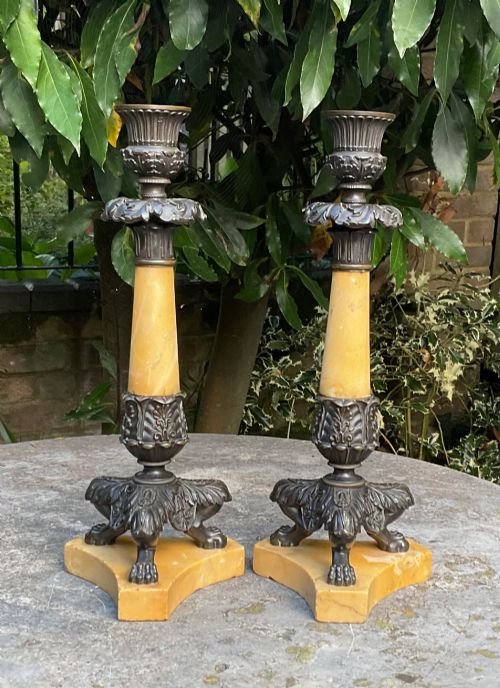
Buyers frequently encounter nineteenth-century examples, particularly Victorian brass and porcelain variations, alongside Georgian brass and silver designs. The selection also includes French Empire pieces, heavy cast metal formations, and distinctive stone bodies such as Ashford black marble.
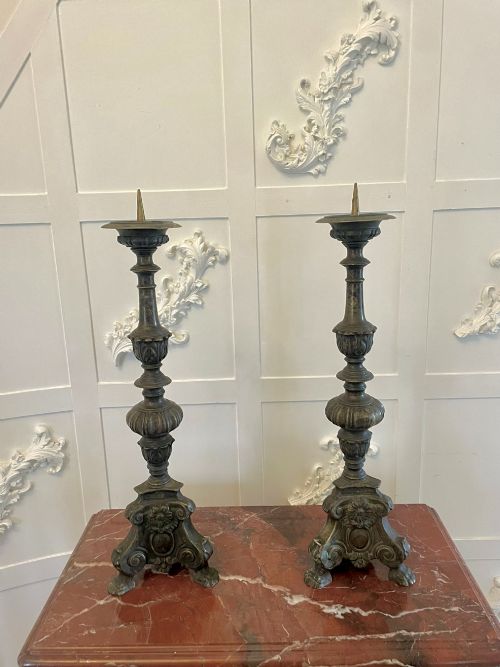
The survival of these pieces in matched pairs indicates their original domestic function on dining tables, mantelpieces, and desks. Their forms range from simple column stems to elaborate figural compositions incorporating cherubs, putti, and neoclassical architectural motifs.
Distinctions in Execution
The distinction between standard domestic lighting and finer examples rests on the crispness of casting, the weight of the metal, and the refinement of surface chasing. Superior pieces display sharp detailing in decorative foliage, figural anatomy, and architectural fluting.
Material selection dictates much of the character, where solid sterling silver, heavy fire-gilded bronze, and hand-turned exotic hardwoods outclass plated or mass-produced alternatives. The cohesion of a matched pair, with identical height, wear patterns, and maker marks, secures desirability among collectors.
Retail Price Guide 2026
Typical UK retail prices for pair of candlesticks, calculated from the Sellingantiques database of over a million retail prices indexed since 2003. This retail price guide relies exclusively on Sellingantiques data; no external sources or auction records are used, so the figures do not describe the wider market.
Listings feature brass, porcelain, sterling silver, bronze, glass, and Ashford black marble across three centuries of production.
Derby Porcelain·Royal Worcester·James Hadley
The Pair of Candlesticks Glossary
- Sconce
- The cup at the top of a candlestick designed to catch dripping wax and hold the candle secure. It represents the primary functional element of any lighting device.
- Pricket
- A sharp metal spike protruding from the centre of the drip pan to impale and hold a candle. This form appears frequently on ecclesiastical and heavy altar pieces.
- Gilt bronze
- Metal alloy treated with a fine layer of gold, historically achieved through mercury amalgamation or fire gilding. This technique imparts a rich, lasting metallic lustre.
- Mercury glass
- Double-walled blown glass silvered on the interior with a liquid mercury amalgam and sealed at the pontil. It creates a reflective, silvery mirror effect.
- Corinthian column
- An architectural order featuring an ornate capital decorated with acanthus leaves, frequently adopted for the stems of classical candlesticks.
Frequently Asked Questions
How do I date an old brass candlestick?
Dating relies on manufacturing traces such as push-up ejector mechanisms, base construction, and casting seams. Earlier examples exhibit heavy sand-casting marks, while nineteenth-century pieces often show cleaner turned profiles and threaded components.
Changes in styling from Georgian columnar forms to Victorian ornate cast brass and neoclassical revivals provide reliable chronological markers.
Were these always sold and used in pairs?
Most domestic candlesticks were manufactured and purchased as symmetrical pairs to flank mantelpieces, sideboards, and dining tables. Single survivors frequently occur due to separation over centuries of domestic use.
Matched pairs retain higher collector interest because symmetry governed formal interior display during the eighteenth and nineteenth centuries.
How do I clean antique metal candlesticks?
Gentle dusting with a soft dry cloth preserves the historical patina accumulated over generations of handling. Avoid aggressive chemical polishes that strip away age-related surface tones and soften sharp cast details.
Silver and brass require occasional non-abrasive maintenance if active corrosion threatens the metal, but light tarnish generally confirms authenticity.